Are you wondering when your little one is ready to make the big switch from a crib to a bed? Knowing the right age for your toddler to start sleeping in a bed can save you from sleepless nights and keep your child safe and comfortable.
This change is more than just about furniture—it’s a key step in your child’s growth and independence. Keep reading, and you’ll discover the signs to watch for, the best age to make the move, and tips to help your toddler adjust smoothly.
Your journey to better sleep starts here.
When Toddlers Transition To Beds
Moving from a crib to a bed is a big step for toddlers. It marks a new phase in their growth and independence. Parents often wonder about the right time for this change. Understanding when toddlers transition to beds helps make this move smooth and safe.
Typical Age Range
Most toddlers switch to a bed between 18 months and 3 years old. This range varies depending on the child’s size and development. Some children may stay in a crib longer. Others may be ready for a bed earlier than usual.
Many parents choose to wait until their child starts climbing out of the crib. This can be dangerous. Moving to a bed at this stage reduces risk. Safety should always come first in this decision.
Signs Your Toddler Is Ready
Your toddler shows readiness in different ways. Climbing out of the crib is a clear sign. It means they can handle a bed safely. Other signs include showing interest in a “big kid” bed. They might ask to sleep in a bed like parents or siblings.
Potty training progress can also signal readiness. Toddlers who wake up dry often are ready for a bed. They can get to the bathroom on their own. Comfort with bedtime routines is another good indicator. If your toddler sleeps well in the crib, they may adapt well to a bed too.
Choosing The Right Bed
Choosing the right bed for a toddler is important for safe and comfortable sleep. Toddlers need a bed that fits their size and growing needs. The bed should make them feel secure and help them sleep well. Parents must think about the bed type and safety features. These choices help toddlers move from cribs to beds smoothly.
A good bed supports healthy sleep habits. It also gives toddlers a sense of independence. Picking the best bed is not just about style. Safety and comfort come first. Understanding the options and key features helps parents decide wisely.
Types Of Toddler Beds
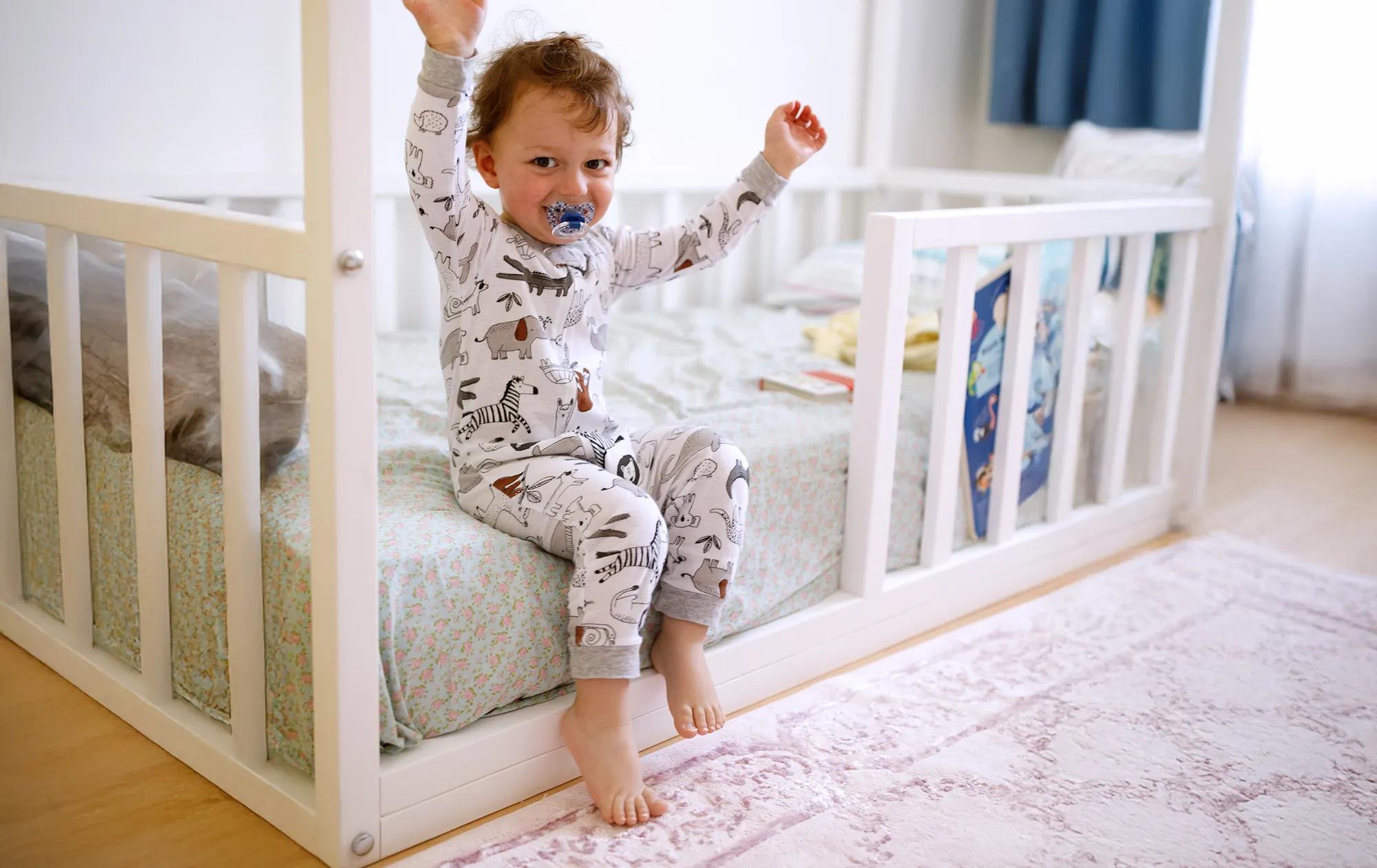
Toddler beds come in many styles. The most common is the low bed, close to the floor. It makes it easy for toddlers to climb in and out. Another popular option is a convertible bed. This bed changes from a crib to a toddler bed. It grows with the child and saves money.
Some beds have fun designs, like cars or animals. These can make bedtime more exciting. Bunk beds and loft beds are not safe for toddlers. Beds with rails on the sides help prevent falls. Parents should pick a bed that fits the child’s room size too.
Safety Features To Consider
Safety is the top priority when choosing a toddler bed. Look for beds with guardrails on both sides. These rails stop toddlers from rolling out during sleep. The bed should be sturdy and made from non-toxic materials. Avoid beds with sharp edges or small parts.
The mattress should fit the bed frame snugly. A loose mattress can cause gaps that trap little fingers or toes. Check that the bed is low enough to the floor. This reduces injury risk if the toddler falls out. Also, the bed should meet safety standards set by experts.
Preparing Your Toddler For The Change
Preparing your toddler for the change from crib to bed is important. It helps your child feel safe and ready for this new step. Toddlers need time to adjust to new surroundings and routines. Creating a smooth transition reduces stress for both of you.
Creating A Comfortable Sleep Space
Make the bed inviting and cozy. Use soft sheets and favorite blankets. Add a small nightlight for gentle brightness. Let your toddler choose a special stuffed animal. Keep the room calm and quiet. A familiar environment helps your child relax and sleep better.
Establishing A Bedtime Routine
Set a regular bedtime and stick to it. Include calming activities like reading a story. Avoid screen time before bed to help your toddler wind down. Use the same steps every night to build habit. A consistent routine signals that it is time to sleep. This makes the change easier and less scary.

Credit: www.whattoexpect.com
Common Challenges And Solutions
Moving a toddler to a bed brings new challenges for parents. Toddlers may face fears or resist bedtime. Understanding these issues helps parents find good solutions. It makes the transition smoother and less stressful for everyone.
Dealing With Nighttime Fears
Toddlers often feel scared in a new bed. Shadows and silence can seem strange. Night fears are common at this age. Parents should offer comfort and reassurance. A night light can help reduce fear. Reading a favorite story creates a calm mood. Avoid scary stories or shows before bed. Praise your child for being brave. Consistent bedtime routines build a sense of safety.
Handling Bedtime Resistance
Many toddlers say no to bedtime. They want more play or attention. Staying firm but gentle is key. Set clear rules about bedtime. Give a warning before it starts. Offer choices, like picking pajamas or books. Stick to the routine every night. Use calm words and a soft voice. Avoid long arguments or giving in. Over time, toddlers learn to accept bedtime calmly.
Tips From Sleep Experts
Moving a toddler to a bed is a big step for parents and kids. Sleep experts share helpful tips to make this change easier. Their advice focuses on creating good habits and supporting your child’s growth.
Consistency And Patience
Keep the bedtime routine the same every night. This helps your toddler feel safe and know what to expect. Be patient during this change. Some nights will be harder than others. Stay calm and gentle. Your child learns by your example.
Encouraging Independence
Let your toddler take small steps alone. Allow them to pick their pajamas or choose a bedtime story. Praise their efforts to sleep in the bed. This builds confidence and makes bedtime a positive time. Independence helps your child feel proud and ready for this new phase.

Credit: raisingchildren.net.au
When To Seek Professional Advice
Deciding when a toddler should sleep in a bed can be tricky. Some children adjust quickly. Others may face challenges that need extra help. Parents should watch for signs that suggest a visit to a doctor or sleep expert. Early advice can prevent bigger sleep problems later.
Sleep Issues That Need Attention
Some sleep problems are normal but others are not. Frequent night waking, trouble falling asleep, or loud snoring can be warning signs. Restlessness and difficulty waking up might also mean issues. These problems can affect a toddler’s growth and mood. Ignoring them can make bedtime stressful for the whole family.
Consulting Pediatric Sleep Specialists
Pediatric sleep specialists know how to help toddlers with sleep problems. They can find the root cause and suggest treatments. These experts use gentle methods suited for young children. They may recommend changes in routines or special therapies. Parents should consider consulting specialists if sleep troubles last for weeks or worsen.
Credit: health.clevelandclinic.org
Frequently Asked Questions
At What Age Do Toddlers Start Sleeping In A Bed?
Toddlers typically start sleeping in a bed between 18 months and 3 years. This varies based on readiness and safety considerations. Transitioning depends on the child’s development and comfort.
How To Know If My Toddler Is Ready For A Bed?
Signs include climbing out of the crib, expressing interest in a bed, and increased mobility. Safety and emotional readiness are key factors to consider before transitioning.
What Are The Best Beds For Toddlers Transitioning?
Toddler beds with safety rails or low-profile twin beds are ideal. These options prevent falls and provide comfort during the transition from a crib.
How To Make The Bed Transition Smooth For Toddlers?
Maintain a consistent bedtime routine, introduce the bed gradually, and offer comfort items. Patience and reassurance help toddlers adjust comfortably to their new sleeping space.
Conclusion
Toddlers usually start sleeping in a bed between ages two and three. Every child is different, so watch for signs of readiness. Safety matters most—choose a bed with guardrails and a low height. Keep routines consistent to help your toddler adjust smoothly.
Patience is key during this big change. Remember, this step helps your child grow and gain independence. Enjoy this new phase with care and love.