Choosing the right finish for your outdoor furniture can make all the difference between a vibrant, long-lasting patio and one that fades or cracks after just one season. You want your furniture to look great and stand up to sun, rain, and changing temperatures.
But with so many options out there, how do you pick the best finish that protects your investment and matches your style? Keep reading to discover simple, effective finishes that will keep your outdoor space looking fresh year after year.
Your perfect patio starts here.

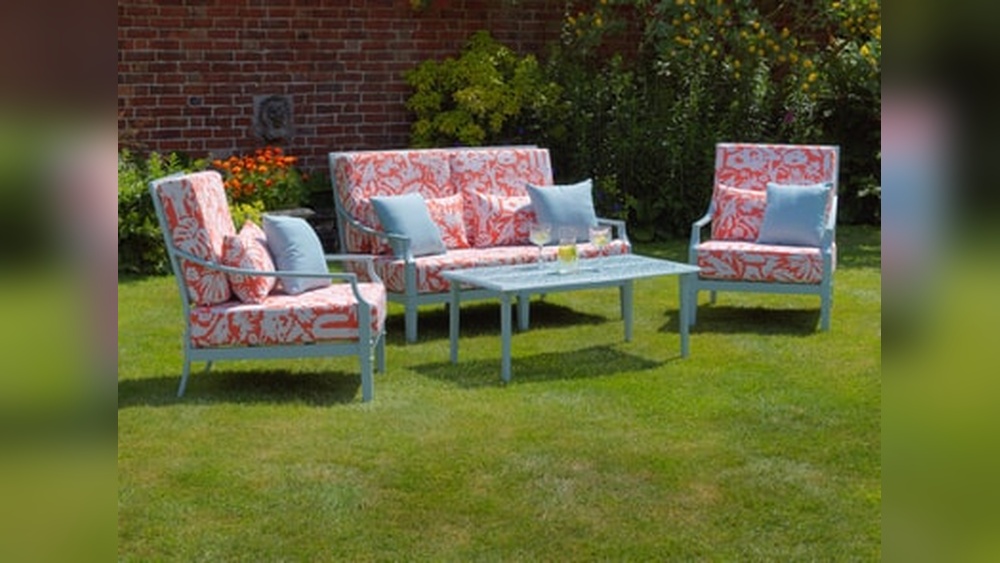
Credit: www.axminstertools.com
Types Of Outdoor Furniture Finishes
Choosing the right finish for outdoor furniture protects it from weather and wear. Finishes help keep the wood strong and looking good. Different finishes have unique benefits and styles. Knowing the types helps you pick the best one for your needs.
Oil-based Finishes
Oil-based finishes soak into the wood deeply. They protect against water and sun damage. These finishes bring out the natural color of the wood. They need regular reapplication to keep furniture safe. Oil finishes give a warm, rich look to wood surfaces.
Water-based Finishes
Water-based finishes dry fast and have low odor. They create a clear, protective layer on top of the wood. These finishes resist cracking and peeling well. They keep the wood looking natural with little shine. Water-based options are easier to clean up after use.
Varnishes And Polyurethanes
Varnishes and polyurethanes form a hard shell over furniture. They guard against scratches, water, and UV rays. These finishes last longer than oils or water-based types. They come in different sheens from matte to glossy. Varnishes add strong, durable protection for outdoor use.
Paints And Stains
Paint covers the wood completely with color. It hides imperfections and adds style. Stains soak into the wood to enhance grain patterns. Both protect wood from moisture and sun damage. Paints and stains need touch-ups to maintain their look.
Natural Finishes
Natural finishes use waxes or plant oils like linseed. They give a soft, subtle shine without chemicals. These finishes are eco-friendly and safe for people. They need frequent application to keep wood safe. Natural options highlight the wood’s true beauty.
Factors Influencing Finish Choice
Choosing the right finish for outdoor furniture depends on several key factors. These elements affect how well the furniture holds up outside. They also influence its look and how much care it needs. Understanding these factors helps pick a finish that protects and beautifies your furniture.
Material Of Furniture
The type of material affects which finish works best. Wood needs finishes that protect against moisture and sun. Metal furniture benefits from rust-resistant coatings. Plastic or synthetic materials require finishes that prevent cracking or fading. Matching the finish to the furniture’s material ensures longer life.
Climate And Weather Conditions
Different climates demand different finishes. Wet or humid areas need water-resistant finishes. Dry, sunny places require UV protection to avoid fading. Cold climates benefit from finishes that resist cracking in frost. The finish must suit the local weather to keep furniture looking good.
Maintenance Requirements
Some finishes need more care than others. Oil finishes may need regular reapplication. Paint or sealants often last longer but can chip or peel. Consider how much time is available for upkeep. Choosing a low-maintenance finish saves effort and keeps furniture attractive.
Aesthetic Preferences
The look of the finish affects the furniture’s style. Glossy finishes give a shiny, polished appearance. Matte finishes offer a natural, understated look. Transparent finishes highlight the wood grain. Pick a finish that matches your taste and outdoor decor.
Preparing Furniture For Finishing
Preparing outdoor furniture for finishing is a key step to protect it from weather damage. A good finish lasts longer and looks better. This process helps the finish stick well and keeps the wood safe.
Cleaning And Sanding
Start by cleaning dirt, dust, and old finish from the furniture. Use a mild soap and water solution. Rinse well and let it dry completely. Sand the surface with fine-grit sandpaper. Sanding removes rough spots and opens the wood pores. This helps the finish to absorb evenly.
Repairing Damages
Check the furniture for cracks, dents, or loose joints. Use wood filler to fix small cracks and holes. For bigger issues, tighten screws or replace broken parts. Smooth the repairs with sandpaper after they dry. Fixing damages improves the furniture’s strength and appearance.
Priming Surfaces
Apply a primer designed for outdoor wood. Primer seals the wood and blocks moisture. It also helps the finish stick better. Use a brush or spray for even coverage. Let the primer dry fully before adding the topcoat. Priming extends the life of the finish and furniture.

Credit: lumbergrand.com
Applying Outdoor Finishes
Applying a finish to outdoor furniture protects it from weather damage. It also keeps the wood looking fresh and new. Choosing the right method and tools makes a big difference. Proper application ensures the finish lasts longer and works better.
Tools And Techniques
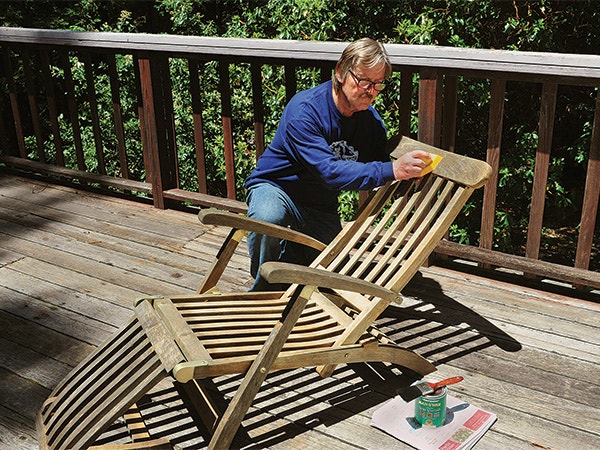
Use a brush, roller, or sprayer for applying finishes. Brushes work well for detailed areas. Rollers cover large flat surfaces quickly. Sprayers give an even coat but need practice. Clean tools before use to avoid streaks. Apply the finish in smooth, even strokes. Follow the wood grain for best results.
Number Of Coats
Most outdoor finishes need two or three coats. The first coat soaks into the wood. The second coat adds protection and color. A third coat may be needed for extra durability. Let each coat dry before applying the next. Avoid heavy coats to prevent peeling and cracking.
Drying And Curing Times
Drying time varies by finish type and weather. Oil-based finishes take longer to dry than water-based. Avoid using furniture until the finish is fully cured. Curing can take days or weeks. Proper curing ensures strong, long-lasting protection. Place furniture in a dry, ventilated area during drying.
Maintaining Outdoor Furniture Finishes
Maintaining the finish on outdoor furniture keeps it looking fresh and protects it from damage. Outdoor furniture faces sun, rain, dirt, and dust every day. These elements can wear down finishes, causing the furniture to fade or crack. Proper care helps extend the life of your furniture and saves money on repairs or replacements.
Regular Cleaning Tips
Clean your outdoor furniture regularly to remove dirt and grime. Use a soft brush or cloth with mild soap and water. Avoid harsh chemicals that can damage the finish. Rinse well and dry with a clean towel. Regular cleaning prevents buildup that can harm the surface over time.
Touch-up And Reapplication
Check the finish for chips, cracks, or fading. Small damages need quick touch-ups to stop further wear. Use a matching paint or stain to cover worn spots. For larger areas, consider reapplying the entire finish. This keeps the furniture protected and looking new.
Protecting Against Uv And Moisture
Sunlight causes fading and drying of finishes. Use UV protectant sprays or coatings to shield your furniture. Cover furniture during heavy rain or store it indoors if possible. Moisture can cause warping or rust on some materials. Regular protection keeps finishes strong and furniture durable.
Common Mistakes To Avoid
Choosing the right finish for outdoor furniture is important. Many make simple mistakes that reduce the furniture’s life and look. Avoiding these errors helps keep your furniture strong and beautiful for years.
Skipping Surface Preparation
Surface preparation is the first step before finishing outdoor furniture. Skipping this step causes poor finish adhesion. Dirt, old paint, or moisture can stop the finish from sticking well. Sanding and cleaning the wood is necessary. This ensures the finish lasts longer and looks smooth.
Using Indoor Finishes Outdoors
Indoor finishes are not designed for outdoor use. They cannot protect wood from rain, sun, or temperature changes. Using indoor finishes outside leads to peeling and fading quickly. Always pick finishes made for outdoor furniture. These have special ingredients to resist weather damage.
Applying Too Thick Or Thin Coats
Applying finish too thick causes it to drip and dry unevenly. Thick coats take longer to dry and may crack. Thin coats do not protect the wood well. They wear off fast and need frequent reapplication. Apply several thin, even coats for best protection and appearance.
Eco-friendly And Non-toxic Options
Choosing an eco-friendly finish for outdoor furniture helps protect the environment and your health. These options avoid harmful chemicals and reduce pollution. They also keep your furniture safe for family and pets. Using natural and safe finishes supports a greener lifestyle.
Natural Oils And Waxes
Natural oils and waxes come from plants and nuts. They soak deep into the wood to protect it from water and sun damage. These finishes do not release toxic fumes. They keep the wood looking fresh and natural. Applying them is easy and they can be refreshed often.
Low-voc Finishes
Low-VOC finishes have fewer volatile organic compounds. These compounds harm air quality and cause health problems. Low-VOC options reduce harmful emissions while still protecting wood well. They dry quickly and have less odor. These finishes are ideal for outdoor furniture in homes.
Sustainable Product Choices
Choose finishes made from renewable and biodegradable materials. Sustainable products come from responsible sources and reduce waste. Look for certifications that prove eco-friendly practices. Using sustainable finishes helps conserve resources and supports green industries. This choice benefits the planet and future generations.
Credit: www.rockler.com
Frequently Asked Questions
What Is The Best Finish For Outdoor Wooden Furniture?
The best finish for outdoor wood is a high-quality exterior varnish or sealant. It protects against moisture, UV rays, and temperature changes. This finish enhances durability and maintains the wood’s natural beauty over time.
How Often Should Outdoor Furniture Be Refinished?
Outdoor furniture should be refinished every 1 to 2 years. This helps maintain protection against weather damage. Regular refinishing extends furniture life and keeps it looking fresh and new.
Can I Use Indoor Finishes For Outdoor Furniture?
Indoor finishes are not suitable for outdoor furniture. They lack UV protection and water resistance. Outdoor-specific finishes offer better durability and weatherproofing for furniture exposed to the elements.
Are Oil-based Finishes Good For Outdoor Furniture?
Yes, oil-based finishes penetrate wood and provide excellent water resistance. They enhance the wood grain and protect against cracking. However, they may require more frequent reapplication than some synthetic finishes.
Conclusion
Choosing the right finish protects outdoor furniture from weather damage. It keeps wood, metal, or plastic looking fresh and new. Some finishes block water and sun, while others prevent rust. Consider your furniture’s material and where you place it. Regular care also helps your furniture last longer.
A good finish saves money and effort over time. Pick a finish that fits your needs and climate. Enjoy your outdoor space with furniture that stays strong and beautiful.