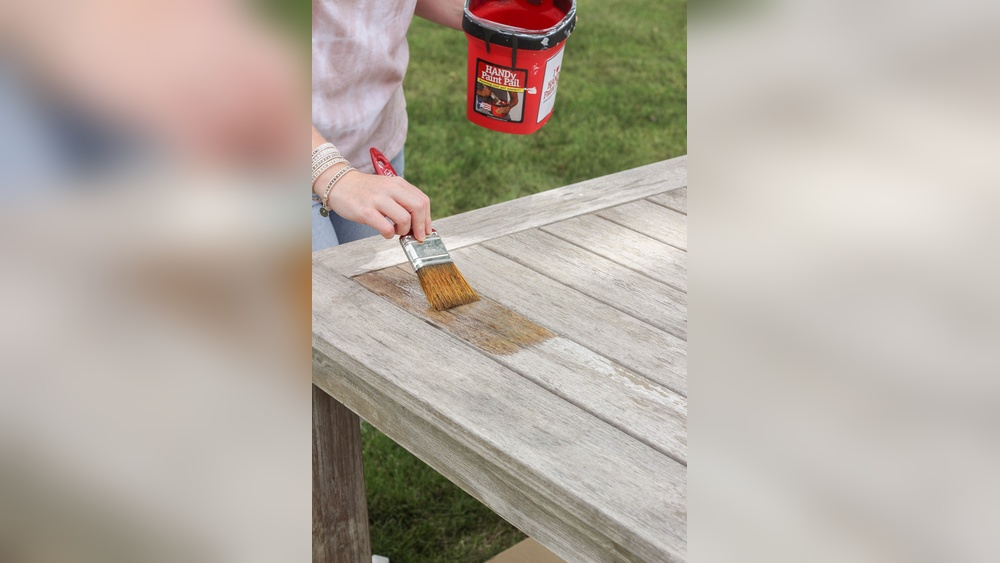
If you want your outdoor wooden furniture to stay beautiful and last for years, knowing what to treat it with is key. You’ve probably noticed how sun, rain, and bugs can quickly wear down wood.
But don’t worry—there are simple treatments that protect your furniture and keep it looking fresh. You’ll discover the best products and methods to shield your wood from damage. Keep reading, and you’ll learn exactly how to care for your outdoor pieces so they stay strong and stunning season after season.
Choosing The Right Wood Treatment
Choosing the right wood treatment for outdoor furniture helps keep it strong and beautiful. Wood faces rain, sun, and bugs outside. The right treatment protects the wood from damage and decay. It also makes cleaning easier and keeps the wood looking fresh for years. Picking a treatment depends on the wood type and where you place the furniture.
Types Of Wood Treatments
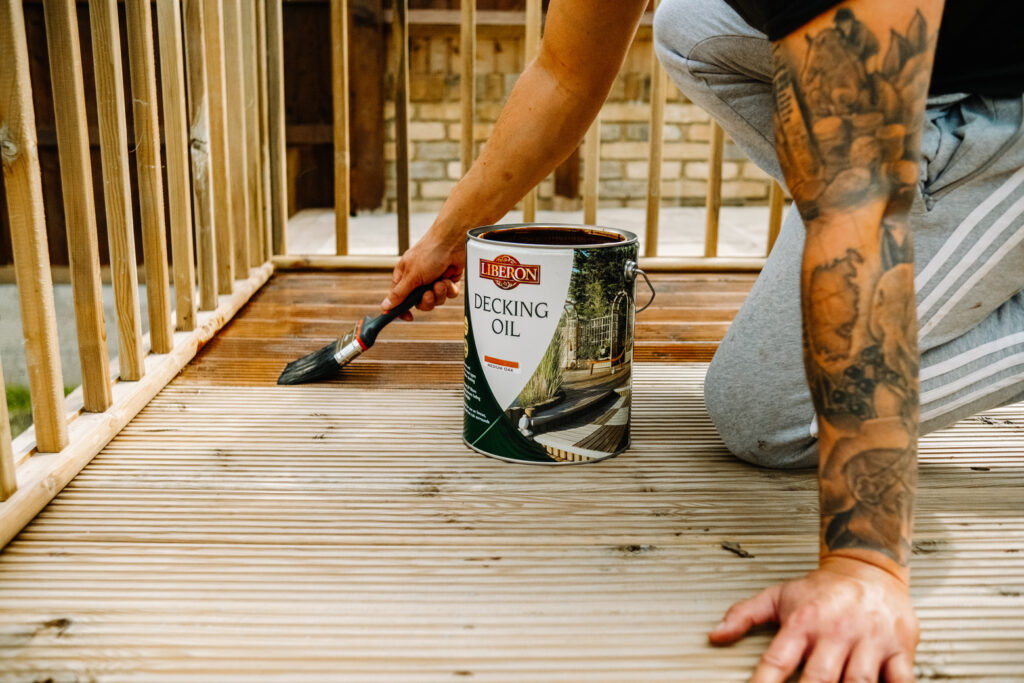
There are several types of wood treatments for outdoor furniture. Wood sealers stop water from soaking into the wood. They keep the wood dry and prevent cracking. Wood stains add color and protect the wood from sun damage. Some stains also contain sealers for extra protection. Wood oils soak deep into the wood to nourish and protect it from drying out. Paints create a hard barrier on the wood surface that blocks moisture and sun.
Factors To Consider Before Treatment
Think about the wood type before choosing treatment. Hardwoods and softwoods need different care. Check the furniture’s location. Wood in direct sun needs UV protection. Wood in wet areas needs strong water resistance. Consider how often you want to reapply the treatment. Some treatments last longer but take more effort to apply. Also, look for treatments that are safe for your family and pets.
Credit: www.wood-finishes-direct.com
Preparing Wooden Furniture For Treatment
Preparing wooden furniture for treatment is an important step to keep it strong and good-looking. Dirt, old finishes, and damages can stop the new treatment from working well. Clean and smooth surfaces help the wood absorb oils or paint evenly. Fixing cracks and holes protects the wood from water and insects. Proper preparation makes the treatment last longer and keeps furniture safe outdoors.
Cleaning And Sanding
Start by cleaning the furniture. Use a soft brush or cloth to remove dirt and dust. For tough stains, mix mild soap with water and scrub gently. Rinse with clean water and let it dry completely.
Next, sand the wood surface using fine-grit sandpaper. Sanding removes old paint or finish and smooths rough spots. Always sand along the wood grain to avoid scratches. This step helps the new treatment stick better.
Repairing Damages
Check the furniture for cracks, holes, or loose joints. Use wood filler to fill small cracks and holes. Let the filler dry, then sand it smooth. Tighten or glue loose joints to keep the furniture stable.
Repairing damages stops water from entering the wood. It also prevents wood from breaking down faster. Well-repaired furniture stays strong under weather stress.
Applying Wood Sealants And Stains
Applying wood sealants and stains protects outdoor wooden furniture from weather damage. It helps keep the wood strong and looking good. Sealants stop water from soaking in. Stains add color and protect the wood’s surface. Both improve the wood’s life and appearance. Proper application is key to getting the best results.
Oil-based Vs Water-based Sealants
Oil-based sealants soak deep into the wood. They offer strong protection and last longer. Oil-based products bring out the wood’s natural grain and color. They may take longer to dry and have a stronger smell.
Water-based sealants dry faster and have less odor. They form a protective layer on the wood surface. Water-based sealants keep the wood’s color lighter. They are easier to clean up with just soap and water.
Choose oil-based for deep protection and rich color. Choose water-based for quick drying and easy cleanup.
Step-by-step Application Guide
Start by cleaning the furniture. Remove dirt, dust, and old finishes. Let the wood dry completely before applying sealant or stain.
Lightly sand the surface to smooth rough spots. Wipe off sanding dust with a clean cloth.
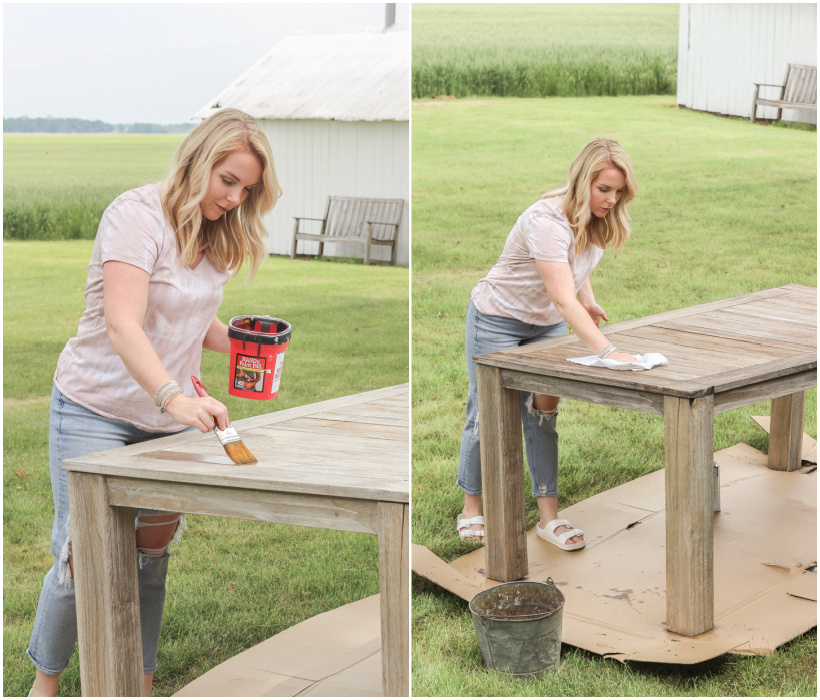
Use a brush or cloth to apply the sealant or stain. Apply thin, even coats for best results. Follow the wood grain while applying.
Allow the first coat to dry fully. This usually takes a few hours.
Apply a second coat for extra protection. Some products may need more coats. Check the label instructions.
Let the furniture dry completely before use. This ensures the sealant or stain sets well.
Credit: lovegrowswild.com
Using Protective Finishes
Using protective finishes is key to preserving outdoor wooden furniture. These finishes create a shield against weather damage, moisture, and fading. They help wood stay strong and beautiful for years. Applying the right finish also makes cleaning easier and prevents cracks and splinters.
Varnishes And Polyurethanes
Varnishes and polyurethanes form a tough, clear layer on wood surfaces. They protect wood from rain, sun, and dirt. These finishes are water-resistant and reduce wear from daily use. Varnishes dry hard and glossy, adding a nice shine. Polyurethanes offer extra durability, perfect for heavy-use furniture. Choose a finish with UV protection to prevent color fading.
Wax And Oils For Extra Protection
Wax and oils soak into the wood, keeping it nourished and flexible. They help repel water without forming a hard coat. Oils like teak or linseed oil enhance wood grain and color. Wax provides a soft, matte finish and adds a layer of water resistance. Reapply wax or oil every few months to keep wood healthy and protected.
Maintaining Treated Furniture
Maintaining treated outdoor wooden furniture helps keep it strong and beautiful. Proper care stops damage from sun, rain, and dirt. Regular attention extends the life of the wood and preserves its look.
Regular Cleaning Tips
Clean furniture often using a soft brush or cloth. Remove dust, leaves, and dirt gently. Use mild soap mixed with water for deeper cleaning. Avoid harsh chemicals that can harm the wood finish. Rinse with clean water and dry with a towel. Keep furniture dry to prevent mold and mildew growth.
When To Reapply Treatments
Check your furniture every few months for wear or fading. Look for cracks, peeling, or dull areas on the surface. Reapply wood treatment products at least once a year. Choose the right product for your wood type and climate. Apply treatments on dry, clean furniture for best results. Regular reapplication protects wood from moisture and sun damage.
Preventing Common Issues
Outdoor wooden furniture faces many problems from weather and use. Treating wood helps stop damage early. Preventing common issues keeps furniture strong and good-looking.
Proper treatment blocks moisture, dirt, and sun damage. This extends your furniture’s life. Simple steps can avoid costly repairs later.
Dealing With Mold And Mildew
Mold and mildew grow on damp wood. They cause dark spots and bad smells. Clean the furniture with a mild soap solution. Use a soft brush to scrub gently. Let it dry completely before applying any treatment.
Apply a wood preservative with anti-fungal properties. This stops mold from returning. Regular cleaning and treatment keep mold away for good.
Avoiding Cracks And Warping
Wood cracks and warps when it dries out or soaks up water. Seal the wood with a good outdoor varnish or oil. These products lock in moisture and protect from rain.
Reapply sealants every year or after heavy rain. Place furniture under shade or cover during storms. This reduces sun and water damage. Careful treatment keeps your furniture smooth and strong.
Eco-friendly Treatment Options
Eco-friendly treatment options protect wooden outdoor furniture without harming the planet. They keep wood strong and beautiful using natural materials. These treatments avoid harsh chemicals that can damage the environment and your health. Choosing eco-friendly products helps your garden stay safe and healthy.
Natural Oils And Waxes
Natural oils like linseed and tung oil soak deep into the wood. They protect from water and sun damage while keeping wood looking fresh. These oils are easy to apply and dry naturally. Waxes add a soft, protective layer on top of the wood. Beeswax is a common choice that repels moisture and dirt. Both oils and waxes are safe for families and pets.
Non-toxic Sealants
Non-toxic sealants create a strong barrier against rain and sun. They use water-based formulas with no harmful fumes. These sealants keep wood from cracking and fading. Many are clear, so they do not change the wood’s natural color. They are simple to use and clean up with water. This makes them a good choice for eco-conscious gardeners.

Credit: osmouk.com
Frequently Asked Questions
What Is The Best Treatment For Outdoor Wooden Furniture?
The best treatment is a high-quality wood sealant or outdoor wood oil. These protect against moisture and UV damage. Regular application extends furniture life and maintains appearance.
How Often Should Outdoor Wooden Furniture Be Treated?
Treat outdoor wooden furniture once or twice a year. Spring and fall are ideal times. Regular maintenance prevents cracking, fading, and weather damage.
Can I Use Varnish On Outdoor Wooden Furniture?
Yes, but choose a varnish made for outdoor use. Marine or spar varnishes offer strong protection against water and sun exposure.
Should Outdoor Wooden Furniture Be Sanded Before Treatment?
Yes, sanding removes old finishes and smooths surfaces. It helps treatments penetrate better and ensures a lasting finish.
Conclusion
Treating outdoor wooden furniture keeps it strong and beautiful. Use the right oils, sealants, or stains to protect wood from rain and sun. Regular care helps prevent cracks, fading, and damage. Choose products that suit your wood type and climate.
Clean furniture before applying any treatment for best results. A little effort today saves time and money later. Enjoy your outdoor space longer with simple, regular maintenance. Protecting wood means more comfort and style in your garden or patio. Keep your furniture ready for every season.