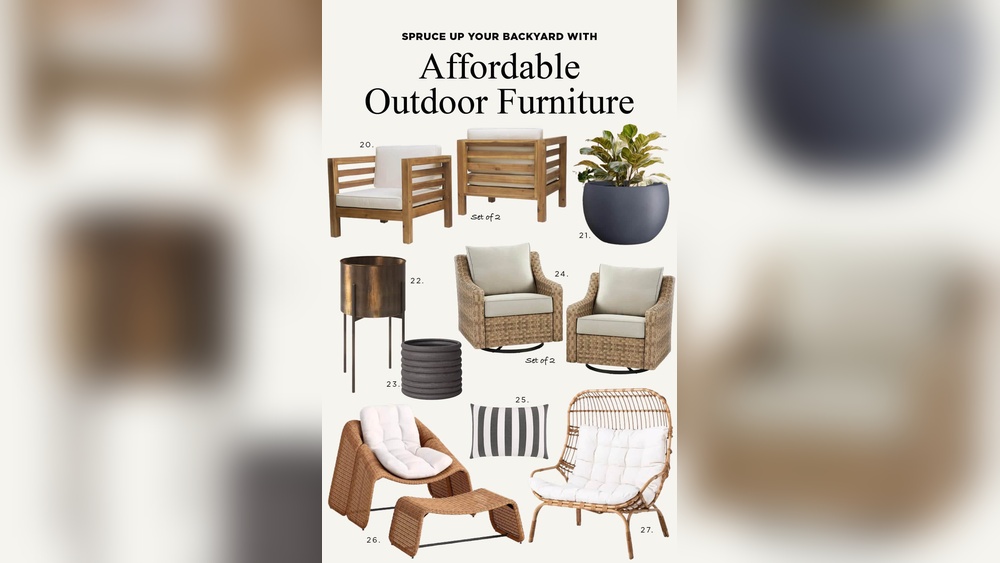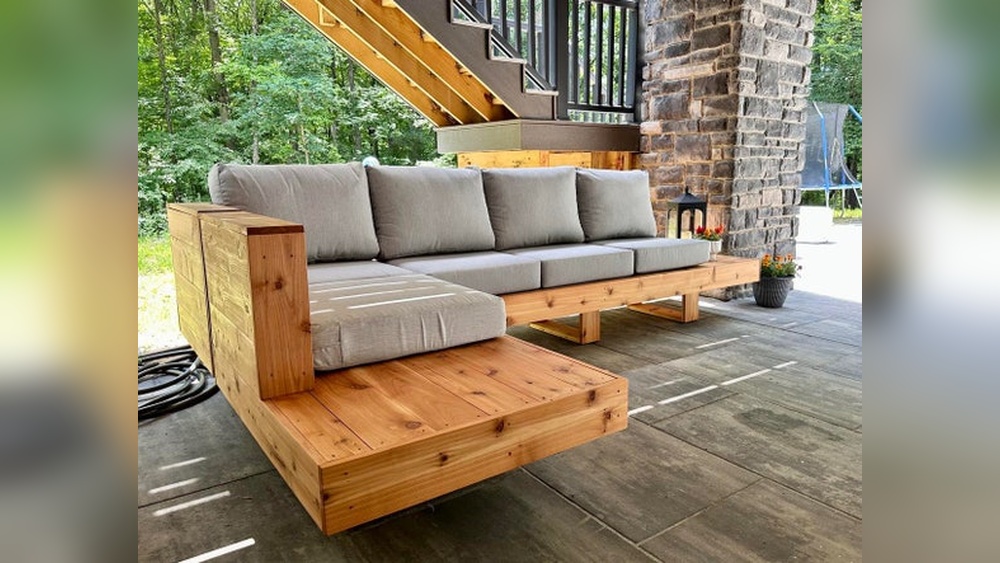
Have you ever wondered what makes outdoor wood furniture so special? If you’re thinking about adding a cozy wooden touch to your patio or garden, understanding what your furniture is made of is key.
The type of wood used affects not just the look, but also how well it stands up to weather and wear. You’ll discover the most common woods used for outdoor furniture, why they matter, and how to choose the best option for your space.
Keep reading to make sure your outdoor setup stays beautiful and strong for years to come.
Types Of Wood Used For Outdoor Furniture
Outdoor wood furniture needs materials that can handle weather and time. Wood types vary in strength, look, and care needs. Knowing the wood types helps pick the right furniture for your outdoor space.
Wood falls into two main groups: hardwoods and softwoods. Each has unique qualities that affect outdoor use. Choosing the right wood means better durability and beauty in your garden or patio.
Hardwoods Vs Softwoods
Hardwoods come from trees with broad leaves. They are usually denser and stronger. These woods resist dents and scratches better than softwoods. Hardwoods often last longer outdoors without damage.
Softwoods come from trees with needles and cones. They grow faster and are lighter in weight. Softwoods are easier to shape and usually less costly. They may need more treatment to resist weather and insects.
Popular Hardwood Choices
Teak is a top hardwood for outdoor furniture. It has natural oils that resist water and pests. Its rich color and grain make it very attractive.
Mahogany offers deep red tones and strong fibers. It holds up well outside and ages beautifully.
Acacia is another hardwood known for its durability and unique grain patterns. It resists moisture and sun damage.
Common Softwood Options
Cedar is a popular softwood for outdoor use. It smells nice and resists insects naturally. Cedar furniture can last long with proper care.
Pine is widely used but needs treatment against moisture. It is affordable and easy to paint or stain.
Redwood is durable and has good resistance to decay. It offers a warm color that fits many outdoor styles.
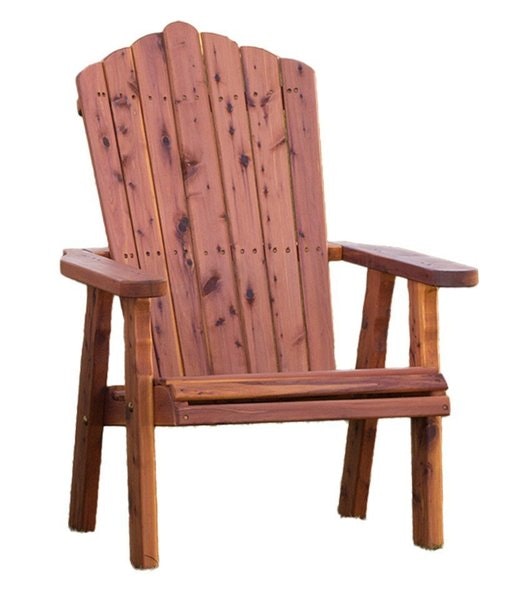
Credit: www.dutchcrafters.com
Characteristics Of Outdoor Wood
Outdoor wood furniture needs special qualities to last long outside. It must handle sun, rain, and wind without breaking down. Different woods offer unique features that make them good for outdoor use. Understanding these features helps you choose the best wood for your needs.
Durability And Resistance
Outdoor wood must be strong and last through many seasons. Some woods resist decay and insects better than others. Hardwoods like teak and cedar are popular because they stay solid for years. These woods keep their shape and strength despite heavy use.
Weather Impact On Wood
Sun and rain can change wood’s look and feel. Sunlight may cause wood to fade or crack over time. Rain and moisture can lead to swelling or mold growth. Proper wood types reduce these effects naturally, needing less maintenance.
Natural Oils And Protection
Certain woods contain natural oils that protect them from water and bugs. Teak is well-known for its oily texture that repels moisture. These oils help wood stay dry and strong, lowering the chance of damage. Wood with natural oils often needs less sealing or treatment.
Teak Wood Features
Teak wood is a popular choice for outdoor furniture. Its unique features make it strong and durable. This wood comes from tropical hardwood trees. It has natural oils that protect it from weather damage. Teak’s beauty and toughness keep it in demand for outdoor use.
Natural Water Resistance
Teak wood contains natural oils that repel water. This makes it resistant to moisture and rain. Water does not easily soak into the wood. This quality prevents rotting and warping. Outdoor furniture made of teak lasts longer even in wet conditions.
Aging And Color Changes
Teak changes color with time. It starts with a golden brown shade. Exposure to sunlight turns it into a silver-gray patina. This aging process does not harm the wood. Many people like this natural weathered look on their furniture.
Maintenance Tips
Clean teak furniture regularly with mild soap and water. Avoid harsh chemicals that can remove natural oils. Use teak oil to restore color if desired. Sand lightly to remove dirt or stains. Cover furniture or store it indoors during extreme weather.
Cedar And Redwood Qualities
Cedar and redwood are popular choices for outdoor wood furniture. They have natural qualities that protect them from weather and bugs. These woods last longer without much care. Their beauty and durability make them favorites for many outdoor pieces.
Insect Repellent Properties
Cedar and redwood have oils that repel insects naturally. These oils keep bugs like termites and ants away. This means less damage to your furniture over time. No need for extra chemical treatments to protect the wood.
Decay Resistance
Both woods resist decay better than many other types. They handle moisture well and dry quickly. This slows down rotting and mold growth. Outdoor furniture made from cedar or redwood stays strong for years.
Ideal Uses In Furniture
Cedar and redwood work well for benches, chairs, and tables. Their light weight makes moving furniture easier. They also have a nice color and grain that looks good outside. Perfect for decks, patios, and garden furniture sets.
Eucalyptus And Acacia Wood
Eucalyptus and Acacia wood are popular choices for outdoor furniture. Both come from fast-growing trees found in warm climates. These woods are strong and adapt well to outdoor conditions. They offer natural beauty and durability at a good price. Many people prefer these woods because they balance quality and cost. They bring warmth and a natural look to gardens and patios.
Sustainability Aspects
Eucalyptus and Acacia grow quickly, making them renewable resources. They require less water than many other woods. This reduces environmental impact during growth. Both woods are often harvested from managed forests. This practice helps keep forests healthy. Choosing these woods supports eco-friendly furniture options.
Appearance And Texture
Eucalyptus has a smooth texture with a subtle grain pattern. It shows light to medium brown shades. Acacia wood features rich, dark tones with striking grain lines. Its surface feels smooth but with natural knots. Both woods age nicely, developing character over time. Their warm colors enhance outdoor spaces beautifully.
Longevity Outdoors
Both eucalyptus and acacia resist decay and insects well. They handle rain and sun exposure with little damage. Proper sealing extends their lifespan significantly. These woods may need occasional maintenance to stay fresh. Their natural oils help protect against weather effects. Well cared for, they last many years outdoors.
Pressure-treated Wood Options
Pressure-treated wood is a popular choice for outdoor furniture. It undergoes special treatment to resist moisture and insects. This treatment helps the wood last longer outside.
Many people choose pressure-treated wood for its durability and cost-effectiveness. It offers a sturdy option for garden benches, tables, and chairs. Understanding how this wood is treated helps buyers make smart choices.
Treatment Process
Pressure-treated wood is soaked in a chemical solution. This happens inside a large pressure chamber. The pressure forces the chemicals deep into the wood fibers. This process protects the wood from rot and bugs.
The chemicals used vary but often include copper-based compounds. These compounds help stop fungal growth and insect damage. After treatment, the wood is dried and ready for use.
Benefits And Drawbacks
The main benefit is its long life outdoors. It resists decay and insect attacks well. Pressure-treated wood is also less expensive than many natural hardwoods.
Drawbacks include a rough surface that may need sanding. It can also warp or crack over time if not cared for. The chemicals used may affect the wood’s color.
Safety Considerations
Handling pressure-treated wood requires care. Wear gloves and a mask when cutting or sanding. Dust and debris may contain harmful chemicals.
Avoid burning this wood as it releases toxic smoke. Use sealants to reduce chemical leaching. Keep children and pets away from freshly treated wood.
Wood Finishes And Treatments
Wood finishes and treatments play a key role in the life of outdoor wood furniture. They protect the wood from damage and keep it looking fresh. These finishes help wood resist rain, sun, and wear. Choosing the right treatment extends furniture life and maintains its beauty.
Sealers And Stains
Sealants block water from soaking into the wood. They create a strong barrier against moisture and dirt. Stains add color and protect the wood at the same time. Stains soak into the wood and highlight its natural grain. Both sealers and stains help prevent cracking and warping.
Oil And Varnish Applications
Oils soak deep into wood, keeping it nourished and flexible. They prevent wood from drying out and breaking. Varnish creates a hard, shiny surface that shields wood from scratches. Applying oil or varnish regularly keeps furniture strong and smooth. These treatments improve the wood’s look and strength.
Protecting Against Uv And Moisture
Sunlight can cause wood to fade and weaken over time. UV protection in finishes blocks harmful rays and slows damage. Moisture can lead to mold and wood rot. Proper treatments repel water and keep moisture out. UV and moisture protection help wood furniture last longer outdoors.

Credit: www.etsy.com
Choosing The Right Wood For Your Needs
Choosing the right wood for outdoor furniture is important. The wood affects how the furniture looks and lasts. Different woods handle weather in different ways. Some woods are better for hot, dry places. Others do well in wet, cold areas. Think about your needs before picking the wood. This helps you get furniture that fits your space and style.
Climate Considerations
Wood must stand up to your local weather. Some woods resist water and insects better than others. Teak and cedar are good for rainy climates. Pine and fir work well in dry areas. Wood that handles moisture lasts longer outside. Choose wood that matches your area’s climate to avoid damage.
Budget And Longevity
Some woods cost more but last longer. Teak and mahogany are expensive but very durable. Pine and fir cost less but wear out faster. Think about how long you want your furniture. Spending more now can save money later. Choose wood that fits your budget and time frame.
Aesthetic Preferences
Wood color and grain affect furniture style. Teak has a rich, golden color. Cedar offers a warm, reddish tone. Pine is light and simple. Pick wood that matches your taste and home decor. The right wood can make your outdoor space more inviting.
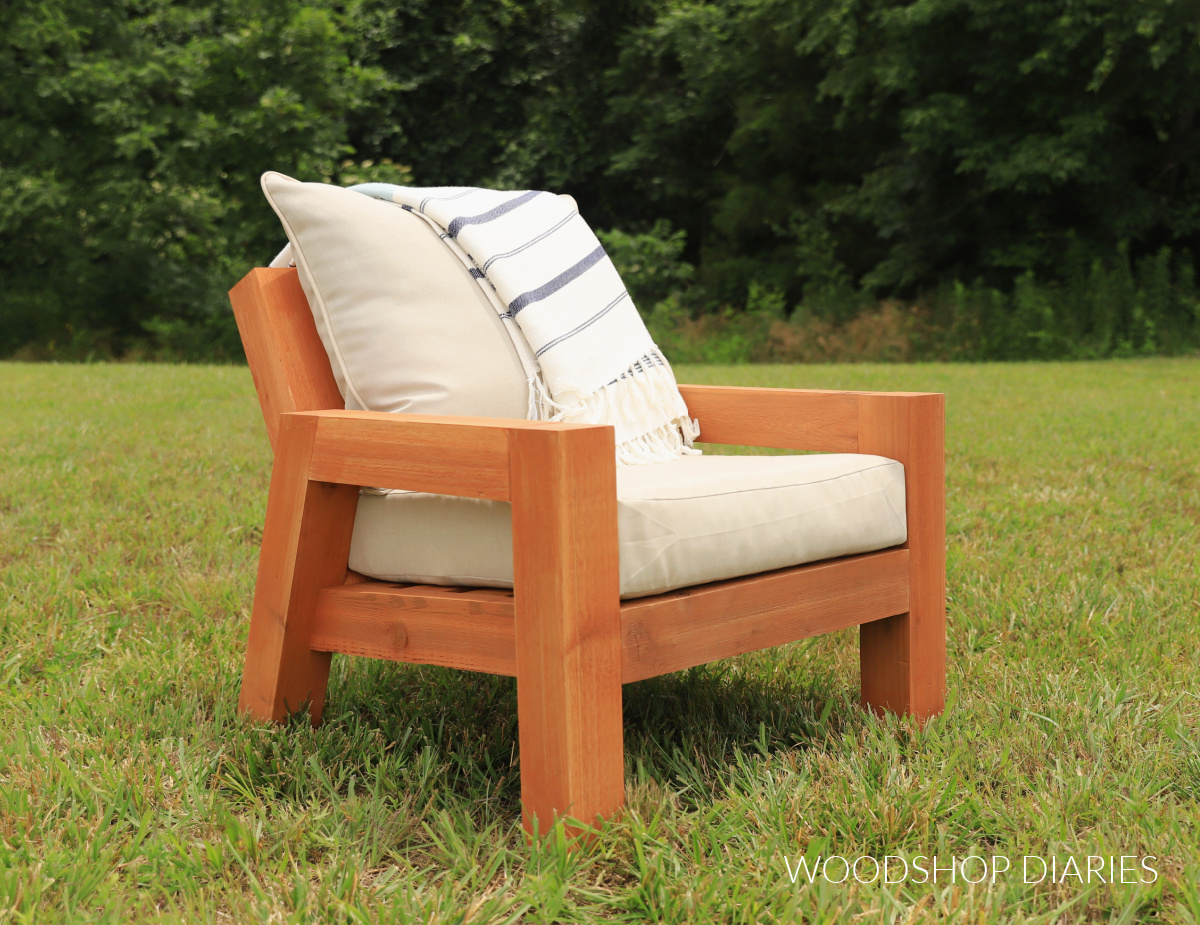
Credit: www.woodshopdiaries.com
Frequently Asked Questions
What Types Of Wood Are Used For Outdoor Furniture?
Outdoor wood furniture is commonly made from teak, cedar, eucalyptus, and acacia. These woods resist moisture, insects, and decay. They offer durability and natural beauty, ideal for outdoor conditions. Proper treatment enhances their lifespan and maintains appearance.
Why Is Teak Popular For Outdoor Wood Furniture?
Teak contains natural oils that repel water and insects. It resists warping, cracking, and decay in harsh weather. Its strength and low maintenance make it a top choice. Teak furniture can last for decades with proper care.
How Does Cedar Wood Perform Outdoors?
Cedar is lightweight and naturally resistant to rot and insects. It has a pleasant aroma and ages to a silver-gray patina. Cedar requires regular sealing to maintain color and durability. It is ideal for outdoor furniture in moderate climates.
Can Outdoor Wood Furniture Withstand Harsh Weather?
Yes, woods like teak, cedar, and eucalyptus are built to endure rain, sun, and temperature changes. Proper finishing and maintenance improve resistance to weather damage. Regular cleaning and sealing extend the furniture’s life outdoors.
Conclusion
Outdoor wood furniture comes in many types of wood, each with unique traits. Teak, cedar, and eucalyptus resist weather and last long. Proper care keeps wood strong and beautiful for years. Choosing the right wood depends on your needs and style.
This knowledge helps you pick furniture that fits your space well. Enjoy your outdoor area with furniture built to endure. Simple maintenance ensures your wood pieces stay fresh and sturdy. Wood adds warmth and charm to any outdoor setting.