Have you ever wondered if your bookshelf is deep enough to hold all your favorite books? The average depth of a bookshelf might seem like a small detail, but it can make a big difference in how well your books fit and how your space looks.
Whether you’re organizing your home, picking out new furniture, or just curious, understanding the right bookshelf depth can save you time, money, and frustration. Keep reading to discover the ideal measurements that will help your bookshelf work perfectly for you and your collection.
Bookshelf Depth Basics
Understanding bookshelf depth is key to choosing the right shelf for your space. Depth affects how many books and items you can store. It also changes the look and function of your bookshelf. Knowing basic depth sizes helps you pick shelves that fit your needs.
Bookshelves come in many depths. Some are shallow for small spaces. Others are deep for large books or decorative items. Knowing common depths makes shopping easier and helps with planning your room.
Standard Bookshelf Sizes
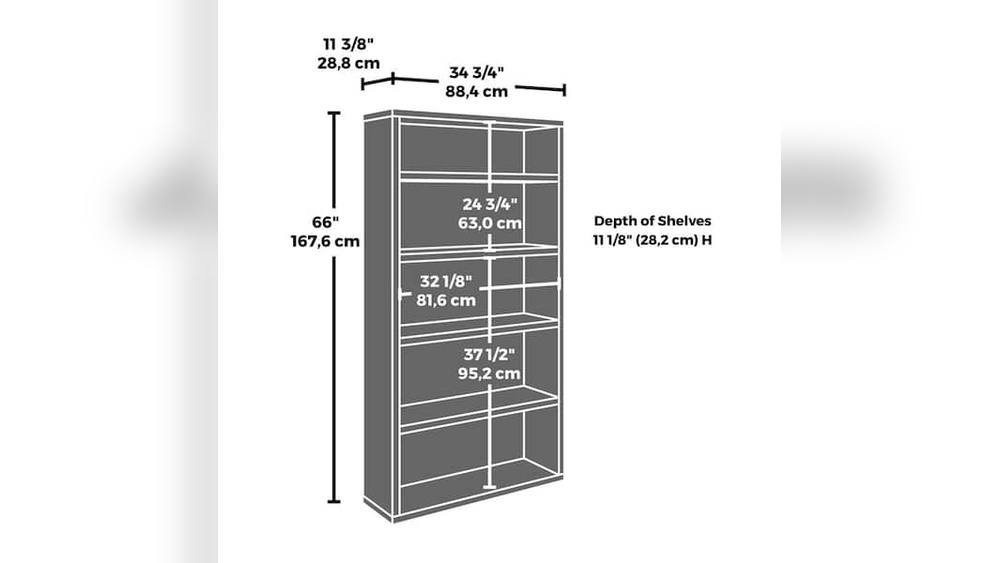
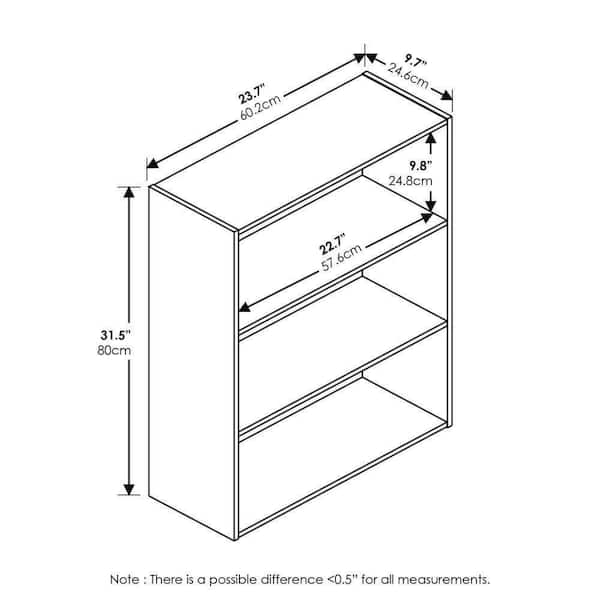
Most bookshelves have a depth between 8 and 12 inches. A depth of 10 inches is common for general use. This size fits most books and small decorations. Deeper shelves, around 12 inches, hold large books and boxes. Shallow shelves, about 6 to 8 inches, suit magazines or thin books.
Standard heights and widths vary more than depth. Depth usually stays consistent to fit typical book sizes. This helps keep shelves stable and functional. Knowing these sizes helps you find shelves that store your items well.
Factors Influencing Depth
Book size matters most when choosing shelf depth. Large textbooks need deeper shelves than small paperbacks. Think about what you want to store before buying. Depth also depends on room size. Small rooms may need shallower shelves to save space.
Design style affects depth too. Modern shelves often have slim profiles. Traditional styles might use deeper shelves for a classic look. Material strength plays a role. Thicker materials can support deeper shelves without sagging.
Consider how you use your bookshelf. Display shelves may be shallower. Storage shelves usually need more depth. This balance helps your bookshelf stay useful and attractive.
Credit: www.homedepot.com
Choosing Depth For Book Storage
Choosing the right depth for book storage helps keep your shelves tidy and your books safe. Shelf depth affects how books fit and how the space looks. Picking the best depth depends on the size of your books and the space you have.
Good book storage means your books do not stick out or get lost at the back. A well-chosen shelf depth makes it easy to see and take out books. It also keeps the shelf neat and balanced.
Average Book Dimensions
Most books are about 7 to 9 inches tall and 4 to 6 inches deep. Paperbacks tend to be smaller, while hardcovers are thicker. Standard shelves around 10 to 12 inches deep work well for most books. This depth gives enough room without wasting space.
Accommodating Large Books
Some books, like art books or atlases, are bigger and thicker. These books need shelves at least 14 to 16 inches deep. Taller shelves also help store large books standing up without damage. Adjust shelf depth if your collection has many large books.
Balancing Depth And Space
Deeper shelves hold more books but take more room in your room. Shallower shelves save floor space but may not fit big books well. Consider how much space you have and what types of books you own. Find a shelf depth that fits your books and your room comfortably.
Depth For Decorative Storage
Choosing the right depth for decorative storage is important for both style and function. Shelves that are too deep can look bulky. Shelves that are too shallow might not hold your items well. A balanced depth helps showcase decorations neatly.
Decorative storage needs space for items like collectibles, photo frames, and mixed-use objects. The depth you select affects how well these items fit and how your shelf appears in the room. Below are some tips for common decorative uses.
Displaying Collectibles
Collectibles come in many shapes and sizes. A shelf depth of 8 to 12 inches works well for most items. This size holds small statues, figurines, and souvenirs without crowding them. It also keeps the display visible and tidy.
Adjusting For Photo Frames
Photo frames usually need less depth. A shelf 6 to 8 inches deep fits most frames perfectly. This prevents frames from sticking out too far. It also makes the shelf look sleek and organized.
Multi-purpose Shelving
For shelves holding mixed decorative items, a depth of 10 to 14 inches is ideal. This space accommodates books, vases, and art pieces easily. Multi-purpose shelves offer flexibility without looking cluttered.
:strip_icc()/102393235-3795885e0b7640d2ab27a1a55e181906.jpg)
Credit: www.bhg.com
Customizing Bookshelf Depth
Customizing the depth of a bookshelf helps fit your space and storage needs. Choosing the right depth makes your bookshelf practical and attractive. Different styles and materials affect how deep your shelves should be. Adjusting depth can improve the look and function of your bookshelf.
Built-in Vs Freestanding Options
Built-in bookshelves often have fixed depths. They fit the wall perfectly and use space well. Freestanding shelves come in many depths. They are easier to move and change. Depth choice depends on where you want the shelf and what you store.
Adjustable Shelves
Adjustable shelves let you change space between boards. You can store tall or short items easily. Some adjustable shelves have fixed depth but flexible height. This feature helps keep your books and items organized. It adds versatility to the shelf’s design.
Material Considerations
Wood shelves usually need more depth for heavy books. Metal shelves can be thinner but strong. Particleboard may need thicker shelves for support. Material affects how deep and sturdy the shelf is. Choose materials that match your items and space.
Impact Of Depth On Room Design
The depth of a bookshelf affects the look and feel of a room. It changes how much space the shelf takes up. Depth influences how books and items fit and how the room feels overall. Choosing the right depth helps create a balanced and safe environment. Below are key ways depth impacts room design.
Maximizing Small Spaces
Shallow bookshelves save floor space in small rooms. They allow more room to move around. Deep shelves can crowd the space and make it feel tight. Choosing a bookshelf with the right depth helps keep small rooms open and airy. It also gives enough space for books without wasting room.
Creating Visual Balance
Bookshelf depth affects how the room looks. Too deep shelves can overpower other furniture. Shallow shelves blend well with walls and decor. Balanced depth creates harmony in the room’s design. It helps the bookshelf fit naturally without drawing too much attention.
Safety And Stability
Deeper shelves offer better stability for heavy books. Shallow shelves risk tipping if overloaded. Depth also affects how books are stored and accessed safely. Choosing the right depth keeps shelves sturdy and prevents accidents. It ensures your books and items stay secure.

Credit: www.dimensions.com
Frequently Asked Questions
What Is The Standard Depth Of A Bookshelf?
The standard bookshelf depth ranges from 10 to 12 inches. This size fits most books comfortably and allows easy access. It balances storage capacity with room space efficiently.
How Deep Should A Bookshelf Be For Large Books?
For large books, a bookshelf depth of 14 to 16 inches is ideal. This ensures the books fit without sticking out. It also provides enough support to prevent tipping.
Does Bookshelf Depth Affect Room Space?
Yes, bookshelf depth directly impacts room space. Deeper shelves take up more floor area but offer more storage. Choosing the right depth balances storage needs with available room space.
Can Bookshelf Depth Vary By Book Type?
Absolutely. Standard books require 10-12 inches depth, while oversized books need deeper shelves. Customizing depth based on book size improves organization and shelf efficiency.
Conclusion
A bookshelf’s depth usually ranges from 10 to 12 inches. This size fits most books and items easily. Deeper shelves hold larger books or decorations well. Shallow shelves save space but limit what you store. Choose depth based on your needs and room size.
A good bookshelf fits both your style and purpose. Keep these points in mind when picking your shelf depth. This helps create a neat and organized space.