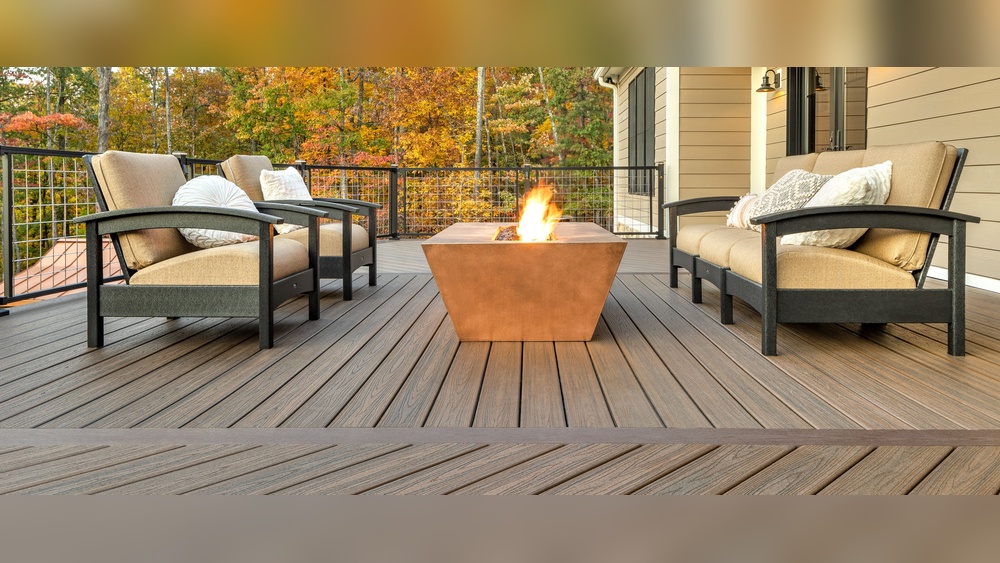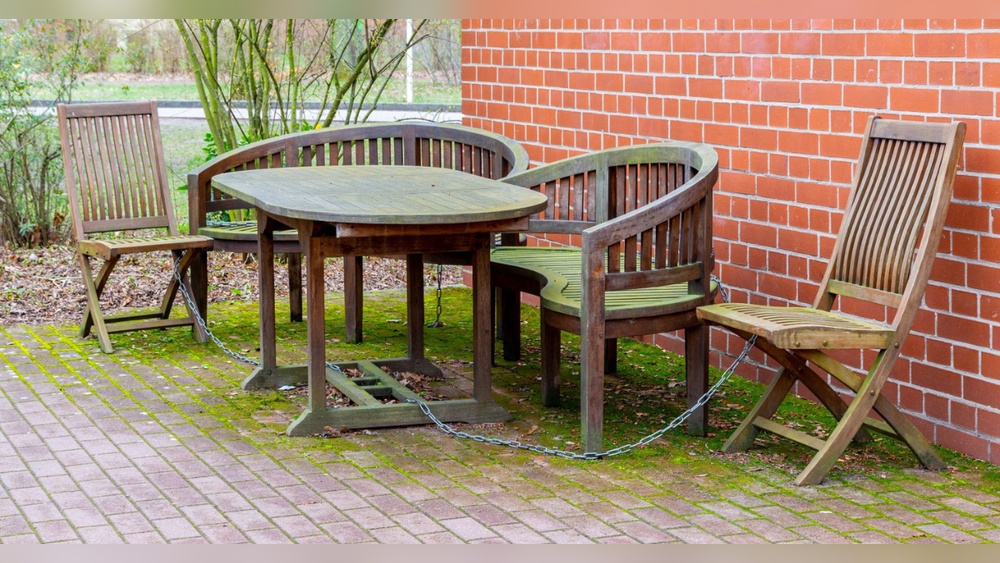
Have you ever looked at your outdoor furniture and noticed a mysterious green layer creeping over it? That green stuff isn’t just dirt—it can affect the look and lifespan of your favorite pieces.
You might be wondering what it is, why it appears, and most importantly, how you can get rid of it. Keep reading to uncover the secrets behind this common outdoor problem and learn simple, effective ways to keep your furniture clean and fresh all year round.
Credit: www.decks-docks.com
Common Causes Of Green Stuff
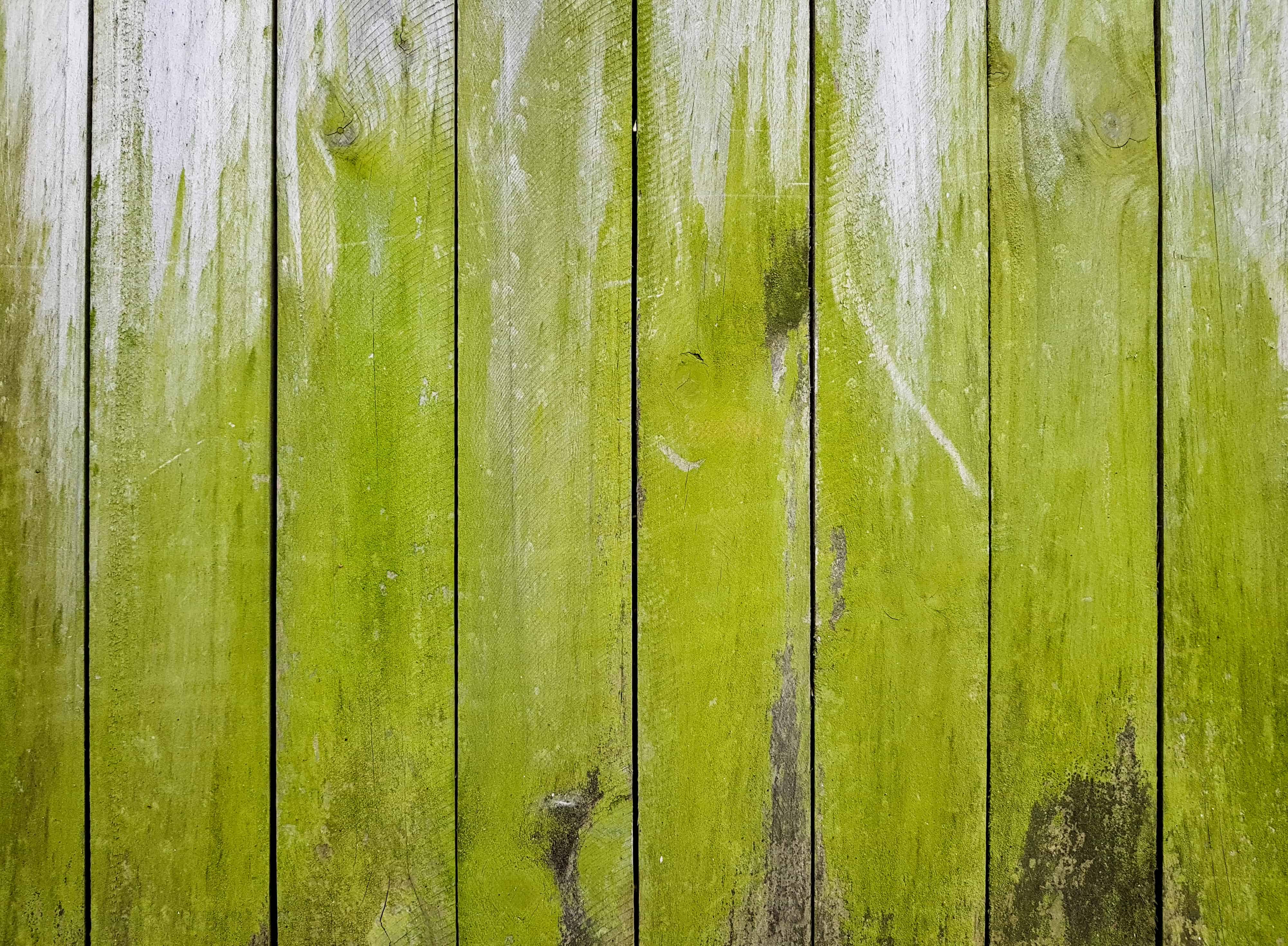
Green stuff on outdoor furniture is common and often annoying. It appears as a green layer or spots on surfaces. This growth happens because of moisture and outdoor conditions. Understanding what causes it helps in preventing and cleaning it effectively.
Algae Growth
Algae are tiny plants that grow in wet places. They thrive on damp furniture, especially in shady spots. Algae look slimy and green. They spread quickly after rain or watering plants. Algae do not damage furniture but make it slippery and dirty.
Moss And Lichen
Moss is a soft, green carpet that grows on rough surfaces. It prefers shady, moist areas and can stick to wood or stone furniture. Lichen looks like crusty patches and grows slowly on hard surfaces. Both moss and lichen hold moisture, which can cause wood to rot over time.
Mildew And Mold
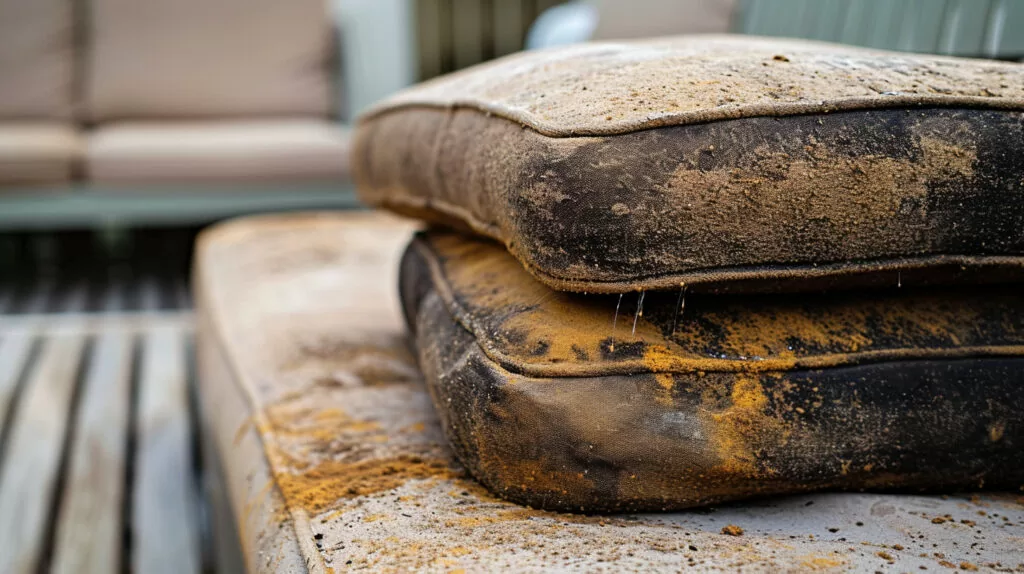
Mildew and mold are fungi that grow in damp, warm places. They appear as green, black, or white spots on furniture. Mildew is powdery, while mold looks fuzzy. These fungi can cause bad smells and may damage furniture materials.
Factors That Promote Green Growth
Green stuff growing on outdoor furniture is a common issue. Several factors help this green growth thrive. Understanding these factors can help you prevent or clean it effectively.
Humidity And Moisture
Moist areas are perfect for green growth like algae and moss. Rain, dew, or nearby sprinklers keep furniture damp. Constant moisture creates a good home for these plants. Without drying out, green growth spreads fast.
Shade And Lack Of Sunlight
Shade stops sunlight from reaching furniture surfaces. Sunlight kills many types of green growth by drying them. Places with little sun stay moist longer. That allows algae and moss to grow easily.
Nearby Vegetation
Plants and trees close to furniture increase green growth chances. Leaves drop dirt and moisture on the furniture. Plants block sunlight and keep the area damp. These conditions help green stuff grow and stay.
Materials Affected By Green Stuff
Green stuff on outdoor furniture is common. It grows where moisture and dirt meet. This green layer can affect many materials. Some materials show it more clearly. Others might hide it but still get damaged. Knowing which materials are affected helps you care for your furniture better.
Wooden Furniture
Wood is very porous. It absorbs water and dirt easily. This makes wooden furniture a prime target for green growth. Moss, algae, and mold thrive on damp wood surfaces. Over time, the green layer can cause wood to rot. It also makes furniture slippery and unsafe. Wooden furniture needs regular cleaning and sealing to stay healthy.
Plastic And Resin Furniture
Plastic and resin furniture do not absorb water. Still, green stuff can form on their surfaces. Dirt and moisture settle on the plastic, allowing algae and mold to grow. This growth looks like green stains or slimy patches. Plastic furniture can look old and dirty quickly. Cleaning with soap and water usually removes the green layer well.
Metal Furniture
Metal furniture does not absorb moisture. But green stuff can grow on the paint or protective coating. Rust can form under the green layer if metal is exposed. This weakens the furniture and causes damage. Painted metal needs gentle cleaning to remove green growth. Keeping metal dry and covered helps prevent this problem.
Credit: www.patioproductions.com
Cleaning Methods For Outdoor Furniture
Outdoor furniture often gets covered in green stuff like algae, moss, or mildew. Cleaning it regularly keeps your furniture looking fresh and lasts longer. Different cleaning methods work for various materials and levels of dirt. Choose the best method based on your furniture type and the green buildup.
Using Soap And Water
Soap and water work well for light dirt and green stains. Use warm water with mild dish soap. Scrub the furniture gently with a soft brush or cloth. Rinse with clean water to remove soap residue. This method is safe for most materials like wood, plastic, and metal.
Vinegar And Baking Soda Solutions
Vinegar and baking soda create a natural cleaning mix. Spray white vinegar on the green areas and let it sit for 10 minutes. Then sprinkle baking soda and scrub with a brush. Rinse with water to clear the surface. This method helps remove stubborn algae and mold without harsh chemicals.
Commercial Cleaners
Commercial cleaners offer strong solutions for tough green stains. Choose a cleaner made for outdoor furniture material. Follow the instructions carefully to avoid damage. These cleaners remove mold, mildew, and algae quickly. Rinse thoroughly after use to keep the furniture safe for use.
Preventing Future Green Growth
Green stuff on outdoor furniture often comes back if not stopped early. Preventing future green growth keeps your furniture clean and safe. It also helps your furniture last longer and look better.
Simple steps can make a big difference in stopping green growth. These steps protect your furniture and save you time and effort later.
Regular Cleaning Schedule
Clean your furniture often to remove dirt and moisture. Use a soft brush and mild soap for best results. Rinse well and dry completely after washing. Regular cleaning stops green growth before it starts. Set a cleaning day every few weeks to stay ahead.
Proper Furniture Placement
Place furniture where sunlight reaches it well. Avoid shady, damp areas that stay wet for long. Air circulation helps furniture dry faster after rain. Move furniture away from trees and plants that drop leaves and moisture. Good placement reduces green growth risk effectively.
Applying Protective Coatings
Use protective coatings like sealants or water repellents on your furniture. These coatings create a barrier against moisture and dirt. Reapply coatings as needed, usually once or twice a year. Protective layers keep furniture dry and clean longer. Choose products safe for your furniture material.
Safety Tips During Cleaning
Cleaning the green stuff off your outdoor furniture needs care. Safety is very important during this process. Protect yourself and the environment while cleaning. Follow these tips for a safer cleaning experience.
Protective Gear
Wear gloves to protect your hands from chemicals and dirt. Use safety goggles to shield your eyes from splashes. Long sleeves and pants help avoid skin contact. Consider a mask if you use strong cleaning products. These simple steps reduce health risks.
Safe Use Of Chemicals
Read labels before using any cleaning product. Use only the amount recommended on the package. Avoid mixing different chemicals. This can create harmful fumes. Work in a well-ventilated area or outdoors. Keep cleaners away from children and pets. Store chemicals safely after use.
Environmental Considerations
Choose eco-friendly cleaners when possible. Avoid harsh chemicals that can harm plants and soil. Do not wash cleaning solutions into storm drains or gardens. Use water sparingly to reduce runoff. Dispose of waste responsibly. Protect nature while keeping your furniture clean.

Credit: www.reddit.com
Frequently Asked Questions
What Causes Green Stuff On Outdoor Furniture?
The green stuff is usually algae, mold, or mildew. These grow in damp, shaded areas on furniture. Moisture and dirt create the perfect environment for growth.
Is The Green Substance Harmful To Health?
Generally, outdoor algae and mold are not harmful. However, they can cause allergies or respiratory issues in sensitive people. Cleaning regularly prevents buildup and reduces health risks.
How Do I Remove Green Algae From Furniture?
Use a mixture of water and mild detergent or vinegar. Scrub gently with a soft brush. Rinse with clean water and dry thoroughly to prevent regrowth.
Can I Prevent Green Growth On Outdoor Furniture?
Yes, keep furniture clean and dry. Place it in sunny spots if possible. Use protective covers and clean regularly to minimize moisture and dirt accumulation.
Conclusion
The green stuff on your outdoor furniture is usually algae or mold. It grows in damp, shady places. Cleaning it regularly keeps furniture looking fresh and lasts longer. Use gentle scrubbing and safe cleaners to remove it. Dry your furniture well after rain or washing.
This helps stop the green growth from coming back. Taking small steps can make a big difference. Enjoy your outdoor space without worry.