Are you thinking about adding a bookshelf to your room but unsure about the right size? Choosing the perfect bookshelf size can make a huge difference in how your space looks and feels.
You want something that fits just right—not too big to crowd your room, and not too small to hold your favorite books and treasures. You’ll discover the standard size of a bookshelf and learn how to pick one that suits your needs perfectly.
Keep reading, and you’ll find the key to organizing your space with style and ease.
Common Bookshelf Sizes
Bookshelves come in many sizes to fit different spaces and needs. Knowing common sizes helps you pick the right one. Size affects how many books and items you can store. It also affects the look and feel of your room. Below are typical bookshelf sizes to guide your choice.
Standard Height Options
Bookshelves often range from 3 to 7 feet tall. Shorter shelves, about 3 to 4 feet, fit small rooms or desktops. Taller shelves, 6 to 7 feet, hold more books and use vertical space well. Some bookshelves go even higher for large collections. Choose height based on your room and storage needs.
Typical Width Measurements
Widths vary from 18 inches to 36 inches for most bookshelves. Narrow shelves fit tight spaces or corners. Wider shelves provide more storage and display area. Common widths like 24 or 30 inches balance space and capacity. Width affects how many books fit on each shelf.
Shelf Depth Variations
Shelf depth usually ranges from 8 to 14 inches. Shallow shelves around 8 to 10 inches suit small books or decor. Deeper shelves, 12 to 14 inches, hold larger books or boxes. Depth influences how much space each shelf has. Pick depth based on what you want to store.

Credit: www.dimensions.com
Factors Influencing Bookshelf Size
Choosing the right bookshelf size depends on several important factors. These affect how well the shelf fits your space and holds your books. Understanding these points helps you pick the best bookshelf for your needs.
Room Dimensions
Measure the room before buying a bookshelf. The shelf should fit without crowding the space. Consider ceiling height and wall length. A large bookshelf in a small room feels heavy. A small shelf in a big room may look lost.
Book Types And Sizes
Books come in many sizes. Some are tall, others short or wide. Large art books need deeper shelves. Thin novels fit on narrower shelves. Think about your current books and future ones. This helps choose shelf height and depth.
Intended Use And Capacity
Decide how many books you want to store. Shelves for many books need strong, wide boards. If you want to display items too, allow extra space. Some shelves hold only books, others mix decor and books. Plan your shelf size for your use.
Custom Vs. Ready-made Bookshelves
Choosing between custom and ready-made bookshelves affects your room and storage. Both options offer unique benefits depending on your needs. Custom shelves fit your space perfectly. Ready-made ones come in standard sizes and are easy to find. Understanding the differences helps you pick the best bookshelf for your home.
Advantages Of Custom Sizes
Custom bookshelves match your room’s exact dimensions. They use space efficiently, avoiding wasted gaps. You can choose the material, color, and style to fit your decor. Custom shelves allow you to design the number and height of shelves. They hold unique or large items better than standard shelves. This option fits unusual walls or corners perfectly.
Popular Ready-made Dimensions
Ready-made bookshelves usually come in common sizes. A typical height is 72 inches, about 6 feet tall. Widths often range from 24 to 36 inches. Depths of 10 to 12 inches hold most books comfortably. These sizes fit most rooms and standard book sizes well. You can find ready-made shelves in stores or online easily. They cost less and are faster to get than custom ones.
Bookshelf Styles And Their Sizes
Bookshelves come in many styles, each with its own size standards. Choosing the right style helps fit your space and needs. Sizes vary based on design and function. Understanding these styles guides you to the perfect bookshelf.
Below are common bookshelf styles and their typical sizes.
Traditional Wooden Shelves
Traditional wooden shelves offer a classic and sturdy look. They usually stand between 60 and 72 inches tall. Shelf width ranges from 24 to 36 inches. Depth often measures around 10 to 14 inches. These shelves fit well in most rooms and hold many books.
Modern Minimalist Designs
Modern minimalist shelves focus on clean lines and open space. They tend to be shorter, about 48 to 60 inches tall. Widths vary from 30 to 40 inches. Depth is usually slimmer, near 8 to 12 inches. This style suits small spaces and contemporary decor.
Built-in Bookshelves
Built-in bookshelves are custom made to fit walls perfectly. Height depends on ceiling height, often 84 to 96 inches. Width covers the wall section, which varies greatly. Depth usually ranges from 12 to 16 inches for display and storage. These shelves maximize space and create a seamless look.
Tips For Choosing The Right Bookshelf Size
Choosing the right bookshelf size is important for your space and needs. The right size keeps your room neat and your books easy to find. Think about your room size, how many books you have, and what style fits your space. Here are some simple tips to help pick the best bookshelf size.
Measuring Your Space
Start by measuring the wall or corner where the bookshelf will go. Note the height, width, and depth available. Leave some space around the shelf for comfort and cleaning. Measure doors and windows nearby to avoid blocking them. Use a tape measure and write down the numbers before buying.
Considering Future Expansion
Think about how many books or items you might add later. Choose a bookshelf with extra shelves or room to grow. Avoid a shelf that fits only your current collection. Having space left helps keep your shelf neat as your collection grows. It saves time and money in the long run.
Balancing Aesthetics And Functionality
Pick a bookshelf that looks good and works well. Match the shelf style with your room’s decor. Make sure the shelf can hold your books without bending or falling. Check the material and build quality for strength. A good shelf looks nice and lasts a long time.
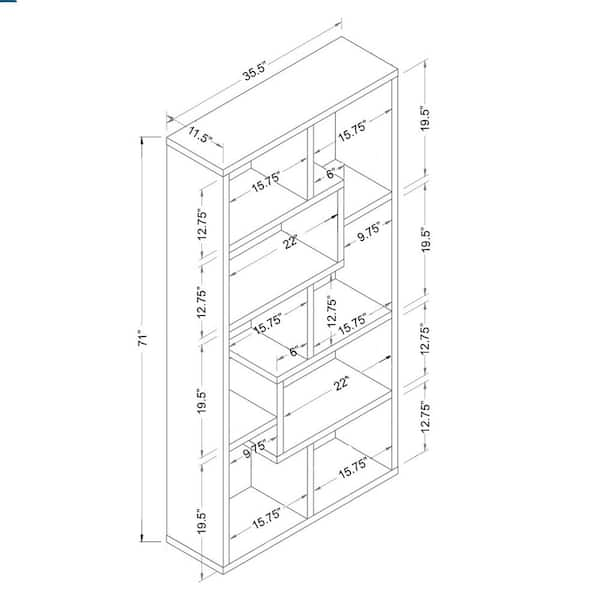
Credit: www.homedepot.com
Materials Impacting Bookshelf Dimensions
The material used to build a bookshelf greatly affects its size and shape. Different materials have different thickness and strength. These factors decide how wide, tall, and deep the bookshelf can be. Understanding these materials helps pick the right shelf for any space.
Wood Thickness And Strength
Wood is a popular material for bookshelves. Its thickness changes based on wood type. Hardwoods like oak are strong, so thinner boards can hold weight. Softwoods like pine need thicker boards for support. Thicker wood means a sturdier shelf but takes more space.
Metal Frame Sizes
Metal bookshelves use thin frames with strong support. Metal can hold heavy books without thick parts. Frames are usually slim, making shelves look sleek. Metal shelves often have adjustable heights and widths. This flexibility suits different room sizes.
Composite And Plastic Options
Composite and plastic materials are lighter and cheaper. They come in many sizes but often are less strong. These shelves work best for light books or decorations. Thickness varies but is usually less than wood. They fit small spaces well and are easy to move.
Trends In Bookshelf Sizes For 2026
Bookshelf sizes in 2026 are shifting to fit modern needs. People want shelves that suit smaller homes and varied uses. New trends focus on saving space and adding extra functions. These trends show how bookshelves adapt to changing lifestyles and room sizes.
Compact And Space-saving Designs
Compact bookshelves are popular for small spaces. These shelves fit tight corners and narrow walls. They often have slim profiles but hold many books. Space-saving designs use vertical height to maximize storage. Some shelves can fold or slide to save room. These styles help people keep books without clutter.
Multi-functional Shelving Units
Multi-functional shelves combine storage with other uses. Some units include desks, drawers, or seating. They help organize books and daily items together. These shelves suit homes with limited space. Multi-functional units reduce the need for extra furniture. They make rooms look neat and practical.
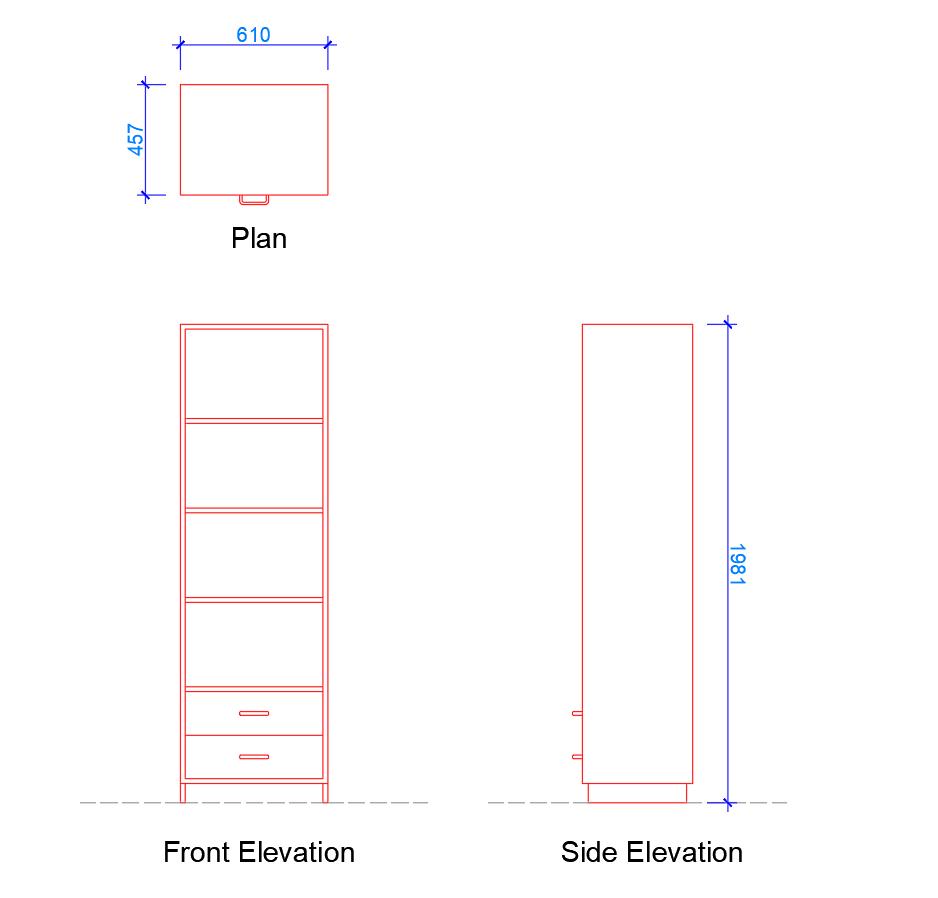
Credit: meningealrelease.com
Frequently Asked Questions
What Is The Standard Height Of A Bookshelf?
The standard bookshelf height ranges from 72 to 84 inches. This size fits most rooms and holds multiple book rows comfortably.
How Wide Is A Typical Bookshelf?
Typical bookshelf widths vary between 24 to 36 inches. This width balances storage capacity and space efficiency.
What Is The Average Depth Of A Bookshelf?
Bookshelf depth usually measures 10 to 12 inches. This depth accommodates most book sizes and keeps shelves stable.
How Many Shelves Does A Standard Bookshelf Have?
Standard bookshelves have 5 to 7 shelves. This allows for organized storage and easy access to books.
Conclusion
Bookshelves usually follow common size standards for easy use. Most shelves are about 6 feet tall and 3 feet wide. Shelf height varies but often measures 10 to 12 inches. These sizes fit most books and room spaces well. Knowing these standards helps you pick the right bookshelf.
It also makes organizing books simpler and neater. Choose a size that fits your needs and space. Simple and practical shelves make any room look better.