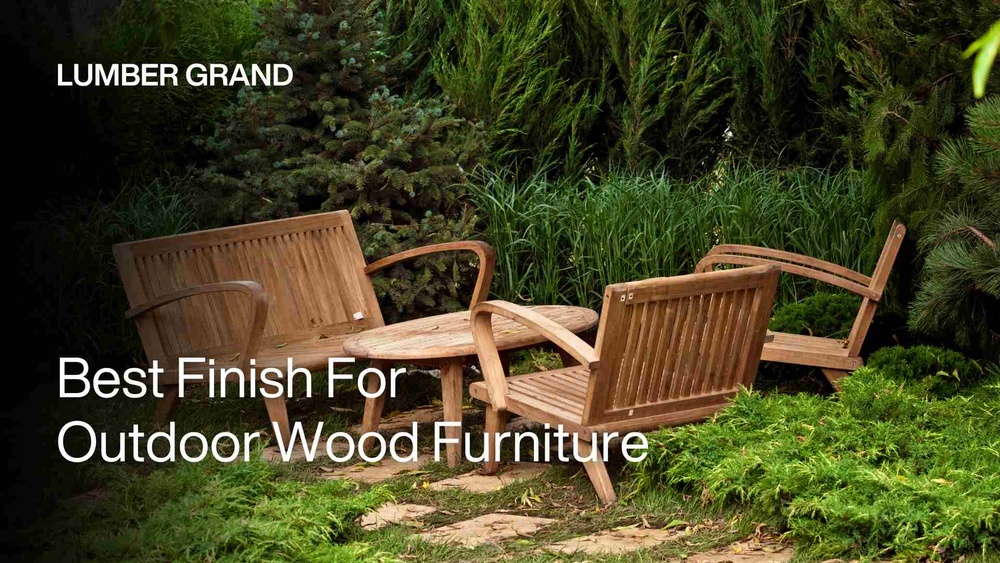
Choosing the right finish for your outdoor furniture can make all the difference between a stunning backyard and a quickly fading mess. You want your furniture to look great, stay durable, and handle whatever weather comes its way.
But with so many options out there, how do you know which finish will protect your investment and keep your space inviting? You’ll discover simple, effective finishes that will keep your outdoor furniture looking fresh and strong year after year.
Keep reading, and you’ll find the perfect solution tailored just for your needs.
Types Of Outdoor Furniture Finishes
Choosing the right finish protects outdoor furniture from weather and wear. Different finishes offer various levels of protection and appearance. Understanding each type helps maintain furniture longer and keeps it looking fresh.
Some finishes soak into the wood, while others form a protective layer on top. Each finish suits different materials and outdoor conditions. Here are common types of finishes for outdoor furniture.
Oil-based Finishes
Oil-based finishes penetrate wood deeply. They enhance the wood grain and add warmth. These finishes resist water and prevent cracking. They need reapplying every year or two. Popular oils include teak oil and linseed oil.
Water-based Finishes
Water-based finishes dry faster and have less odor. They create a clear, durable coat on furniture. These finishes resist UV damage well. They clean up easily with soap and water. Water-based finishes are eco-friendly options.
Varnishes And Polyurethanes
Varnishes create a hard, protective surface. Polyurethanes are a type of varnish with extra durability. Both protect against moisture and sun damage. They come in glossy or matte finishes. These finishes last longer but can peel over time.
Paints And Stains
Paints cover wood completely and add color. Stains soak in and enhance natural wood tones. Both protect against water and sun damage. Paints can hide imperfections better than stains. Stains require less maintenance but may fade faster.
Wax And Sealants
Wax adds a soft shine and water resistance. Sealants form a clear, protective barrier on furniture. Both are easy to apply and maintain. Wax needs frequent reapplication. Sealants last longer and protect against dirt and moisture.

Credit: lumbergrand.com
Factors Affecting Finish Choice
Choosing the right finish for outdoor furniture depends on several key factors. These factors help protect your furniture and keep it looking good for years. Understanding them helps pick a finish that fits your needs and environment.
Material Of Furniture
The furniture material affects which finishes work best. Wood needs finishes that protect against water and insects. Metal requires finishes that stop rust and corrosion. Plastic and synthetic materials may need UV protection to avoid fading.
Climate And Weather Conditions
The local climate plays a big role in finish choice. Areas with heavy rain need finishes that resist water well. Dry places require finishes that prevent cracking and drying out. Consider seasonal changes and temperature swings too.
Exposure To Sunlight
Sunlight can fade colors and damage surfaces. Finishes with UV protection help keep furniture looking new. Dark finishes may absorb heat and cause warping. Lighter finishes reflect sunlight and stay cooler.
Moisture And Humidity Levels
High humidity promotes mold and mildew growth. Finishes that resist moisture prevent wood swelling and cracking. In dry air, finishes should keep the material from drying out. Proper moisture control extends furniture life.
Maintenance Requirements
Some finishes need more care than others. Oil-based finishes may require regular reapplication. Water-based finishes often dry faster and clean easily. Choose a finish that matches the time you can spend on upkeep.
Preparation Before Applying Finish
Preparing outdoor furniture before applying any finish is very important. This step helps the finish stick better and last longer. It also makes the furniture look smooth and clean. Taking time to prepare your furniture means better protection from weather and wear.
Cleaning And Sanding
Start by cleaning the furniture well. Remove all dirt, dust, and old finishes. Use a mild soap and water solution to wash the surface. Let it dry completely before sanding.
Sanding smooths the wood and opens its pores. Use medium-grit sandpaper first, then fine-grit for a smooth finish. Always sand in the direction of the wood grain. This step helps the finish stick and look even.
Repairing Damages
Check the furniture for cracks, chips, or loose joints. Fix small cracks with wood filler or putty. Let it dry and sand the repaired spots smooth. Tighten any loose screws or joints. This keeps the furniture strong and ready for finishing.
Choosing The Right Tools
Select the right brushes or applicators for your finish type. Natural bristle brushes work well with oil-based finishes. Synthetic brushes suit water-based finishes better. Use clean, lint-free cloths for wiping or rubbing finishes. Having the right tools makes the job easier and neater.
Application Techniques
Applying the right finish on outdoor furniture protects it from weather damage. The method you choose affects how well the finish sticks and lasts. Proper application makes furniture look smooth and professional. Here are some common techniques to apply finishes effectively.
Brushing And Rolling
Brushing is the most common way to apply finish on outdoor furniture. Use a high-quality brush with natural or synthetic bristles. Brush along the wood grain for even coverage. Rolling works well on flat surfaces and large areas. Use a small foam roller for smooth finishes. Both methods allow control but need patience to avoid streaks.
Spraying Methods
Spraying gives a fast, even coat on all surfaces. Use a spray gun or aerosol spray can for small projects. Spray from 6 to 12 inches away for best results. Wear a mask to avoid inhaling fumes. Spraying works well for hard-to-reach spots but needs good ventilation and practice.
Number Of Coats
Apply at least two coats for strong protection. The first coat soaks into the wood and seals it. The second coat builds a solid layer on top. Some finishes may need three or more coats. Follow the manufacturer’s instructions for the best finish thickness.
Drying And Curing Times
Allow each coat to dry fully before applying the next. Drying times vary by finish type and weather conditions. Warm, dry days speed up drying. Curing takes longer but is important for durability. Avoid using furniture until the finish cures completely.
Maintaining Outdoor Furniture Finish
Maintaining the finish on your outdoor furniture keeps it looking fresh and new. A good finish protects wood, metal, and plastic from sun, rain, and dirt. Proper care helps your furniture last longer and stay beautiful.
Regular Cleaning Tips
Clean your furniture often to avoid dirt buildup. Use a soft brush or cloth with mild soap and water. Avoid harsh chemicals that can damage the finish. Rinse well and dry with a clean towel. Clean furniture looks better and lasts longer.
Touch-ups And Recoating
Check for scratches or worn spots on the finish. Lightly sand these areas before applying new paint or sealant. Use the same type of finish to keep a smooth look. Recoat furniture every 1-2 years to protect it from weather. Small repairs prevent bigger damage later.
Protective Covers And Storage
Use covers to shield furniture from rain and sun. Choose breathable covers to stop moisture buildup. Store furniture indoors during harsh weather or winter months. Proper storage prevents warping, rust, and fading. Covers and storage extend the life of your finish.

Credit: www.amazon.com
Common Mistakes To Avoid
Choosing the right finish for outdoor furniture is important. Many people make mistakes that reduce the life and beauty of their pieces. Avoiding these common errors helps protect your furniture better. Here are some key mistakes to watch out for.
Applying Finish In Poor Weather
Applying finish in humid or rainy weather causes problems. The finish may not dry properly or can peel off later. Cold temperatures slow down drying and curing times. Always choose a dry day with mild temperatures for best results.
Skipping Surface Preparation
Not preparing the surface leads to poor finish adhesion. Dirt, dust, and old paint stop the finish from sticking well. Sanding the furniture smooth and cleaning it thoroughly is necessary. This step helps the finish last longer and look better.
Using The Wrong Finish Type
Using a finish not meant for outdoor use causes damage. Some finishes crack or fade quickly under sun and rain. Choose finishes designed to protect against moisture and UV rays. This choice keeps your furniture safe and attractive for years.
Best Finishes For Popular Outdoor Materials
Choosing the right finish protects outdoor furniture and keeps it looking fresh. Different materials need different finishes. This section covers the best finishes for popular outdoor furniture materials. You will learn what works best for wood, metal, plastic, resin, wicker, and rattan. This helps you extend the life of your furniture.
Wood Furniture Finishes
Wood needs a finish that blocks moisture and sun damage. Oil-based finishes like teak oil or linseed oil soak into the wood. They keep it natural but protected. For stronger protection, use spar varnish or outdoor polyurethane. These finishes form a hard, clear layer. They resist water and UV rays well. Reapply every year to keep wood safe.
Metal Furniture Finishes
Metal furniture faces rust and fading. Powder coating is a popular finish. It creates a tough, colorful shell that stops rust. Rust-resistant spray paints also work well. For iron or steel, use rust converters before painting. These finishes last longer and keep metal looking new. Clean the metal before applying any finish.
Plastic And Resin Finishes
Plastic and resin furniture needs UV protection to stop fading. Clear UV-resistant sprays shield the surface. These sprays keep colors bright and prevent cracking. Avoid thick paints that peel easily. Clean furniture with mild soap before finishing. This helps the finish stick better and last longer.
Wicker And Rattan Finishes
Wicker and rattan need a finish that keeps moisture out. Use outdoor varnish or polyurethane for protection. These finishes form a water-resistant layer. They also stop the material from drying and cracking. For synthetic wicker, a UV-resistant spray works best. Always clean the furniture before applying any finish.
:max_bytes(150000):strip_icc()/280-Finishing-Outdoor-Projects-2000-e39d1c27f6334cf082054b38903f75cb.jpg)
Credit: www.woodmagazine.com
Frequently Asked Questions
What Is The Best Finish For Outdoor Wooden Furniture?
The best finish for outdoor wooden furniture is a high-quality exterior varnish or spar urethane. These finishes protect against moisture, UV rays, and temperature changes, extending the furniture’s life while maintaining its natural beauty.
How Do I Protect Metal Outdoor Furniture From Rust?
Use a rust-resistant primer followed by a durable outdoor paint or powder coating. Regular cleaning and applying a protective sealant help prevent rust and keep metal furniture looking new.
Can I Use Indoor Finishes On Outdoor Furniture?
Indoor finishes are not suitable for outdoor furniture as they lack UV and moisture resistance. Outdoor-specific finishes provide necessary protection against weather elements and ensure durability.
How Often Should I Reapply Finish On Outdoor Furniture?
Reapply finish every 1-2 years, depending on exposure and finish type. Inspect furniture regularly for wear and touch up to maintain protection and appearance.
Conclusion
Choosing the right finish protects your outdoor furniture well. It keeps wood strong and metal rust-free. A good finish also makes cleaning easier. Think about your climate and how much sun or rain your furniture faces. Regular care helps the finish last longer.
Take time to apply it carefully for best results. Enjoy your outdoor space with furniture that stays beautiful. Simple steps make a big difference. Your furniture will look great season after season.

