Have you ever stopped to wonder what kind of metal your outdoor furniture is made from? Knowing this can make a big difference in how you care for it, how long it lasts, and how it looks year after year.
Whether you want to keep your patio set shining bright or avoid costly repairs, understanding the metal type is key. You’ll discover simple ways to identify the metal in your outdoor furniture and learn why it matters for your space.
Keep reading—you’ll never look at your garden chairs the same way again.
Common Metals In Outdoor Furniture
Outdoor furniture comes in many types of metal. Each metal has its own look and feel. Knowing the metal type helps with care and durability. Some metals resist rust better than others. Some metals are lighter, making furniture easy to move. Here are common metals used for outdoor furniture.
Aluminum
Aluminum is light and rust-resistant. It works well for outdoor use. Furniture made from aluminum often feels easy to carry. It does not corrode easily. This metal is low maintenance. Aluminum furniture often has a modern look.
Steel
Steel is strong and heavy. It can be coated to prevent rust. Powder coating is common to protect steel furniture. Steel lasts long but may need care to avoid rust. It can be shaped into many designs. Steel furniture often looks sturdy and classic.
Wrought Iron
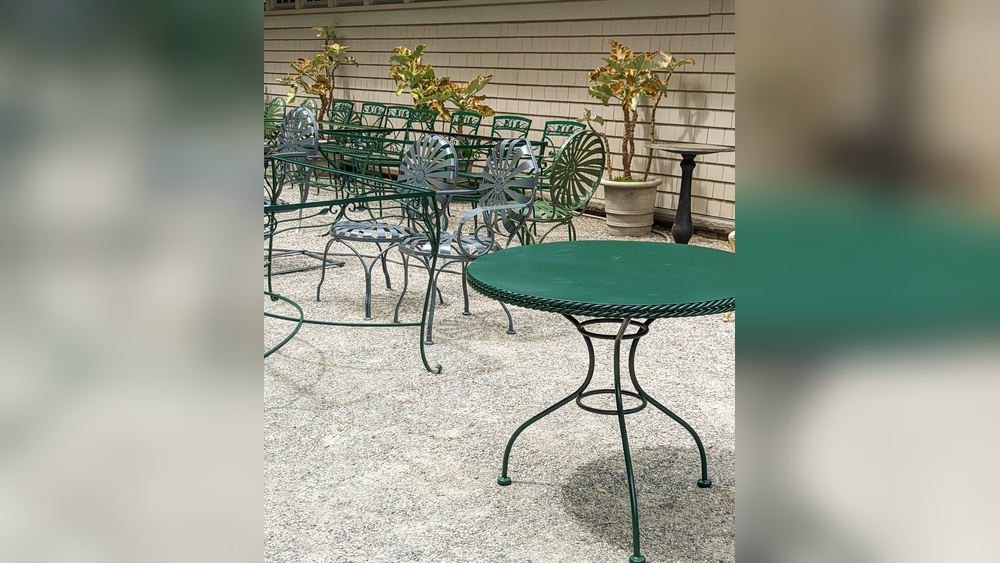
Wrought iron is thick and durable. It is hand-forged, giving a unique style. This metal can rust without care. Regular painting helps protect wrought iron. It often features decorative and ornate designs. Wrought iron furniture has a traditional and elegant feel.
Cast Iron
Cast iron is very heavy and strong. It can handle harsh weather well. This metal also needs protection from rust. Cast iron furniture usually has detailed patterns. It stays stable in windy areas. This metal is common in classic garden sets.
Stainless Steel
Stainless steel resists rust and stains. It is strong and low maintenance. Furniture made from stainless steel looks sleek and modern. It stays shiny with little care. This metal suits coastal areas well. Stainless steel furniture combines style and durability.

Credit: www.amazon.com
Visual Clues To Identify Metals
Identifying the metal of your outdoor furniture helps in proper care and maintenance. Visual clues offer the first hints about what type of metal you have. These clues include color, weight, rust patterns, and surface feel. Observing these details closely can reveal a lot.
Color And Finish
Metal color varies from silver to black or bronze. Aluminum often has a dull silver look. Steel may appear shiny or painted. Wrought iron usually shows a dark black or gray finish. Some metals have a glossy or matte surface. The finish can hint at the metal type.
Weight And Thickness
Hold the furniture to judge its weight. Aluminum is light and easy to lift. Steel and wrought iron feel heavy and solid. Thickness also matters. Thin metal might mean aluminum or thin steel. Thick metal parts suggest wrought iron or heavy steel. Weight and thickness help narrow down metal type.
Rust And Corrosion Patterns
Rust shows how metal reacts to weather. Steel often rusts with reddish-brown spots. Wrought iron also rusts but may flake more. Aluminum rarely rusts; it may turn white or dull. Look for rust color and texture. Corrosion type helps identify the metal.
Surface Texture
Feel the metal surface carefully. Aluminum is smooth and cool to touch. Steel may feel rough if unpainted. Wrought iron has a grainy or pitted texture. Some metals have a powder coating for protection. Texture gives clues about metal type and finish.
Magnet Test For Metal Type
Knowing the metal type of your outdoor furniture helps with care and maintenance. The magnet test is a simple way to check if the metal is magnetic or not. This method is quick and does not need special tools. It helps you identify common metals used in outdoor furniture.
How To Use A Magnet
Take a small magnet and hold it close to the furniture metal. Move the magnet around different spots to see if it sticks. If the magnet sticks well, the metal is magnetic. If it does not stick or only slightly sticks, the metal is non-magnetic. Try this test on clean, dry metal for best results.
Magnetic Metals Vs Non-magnetic Metals
Magnetic metals include steel and iron. These metals attract magnets strongly. Steel is common in outdoor furniture because it is strong and affordable. Iron is less common but also magnetic.
Non-magnetic metals include aluminum, copper, and stainless steel. Aluminum is lightweight and does not attract magnets. Copper has a reddish color and is non-magnetic. Stainless steel may or may not be magnetic, depending on its type. Knowing this helps you understand your furniture better.
Scratch And Spark Tests
Scratch and spark tests help identify the metal type of your outdoor furniture. These simple tests reveal clues about the metal’s hardness and composition. Knowing the metal helps you care for your furniture better and choose the right products.
Performing A Scratch Test
Take a small, sharp object like a coin or a key. Lightly scratch an unseen part of the furniture. If the scratch is deep and easy, the metal is soft, like aluminum. Hard metals like steel resist scratches and show faint marks. This test helps separate soft metals from hard ones quickly.
Observing Metal Sparks
Use a grinder or file to create small sparks from the metal. Watch the color and shape of the sparks carefully. Bright, short sparks with many branches often mean steel. Fewer, dull sparks suggest softer metals like aluminum or copper. Spark tests need care and safety gear. They provide useful clues about metal type.
Common Coatings And Treatments
Outdoor furniture metal often has special coatings or treatments. These protect the metal from weather damage. They also help the furniture last longer and look better. Understanding these coatings helps identify the metal type and care needs.
Powder Coating
Powder coating is a dry finish. It involves applying a powder and then heating the metal. This creates a tough, smooth layer. Powder coating protects against rust and scratches. It also adds color that lasts for years.
Galvanizing
Galvanizing means covering the metal with zinc. This coating prevents rust from forming. It is common on steel furniture. Galvanized metal looks shiny or dull gray. The zinc layer acts as a shield from moisture.
Paint Finishes
Paint finishes are another common treatment. They add color and a protective layer. Outdoor metal furniture paint is made to resist fading. It also helps stop rust and corrosion. Paint finishes need occasional touch-ups to stay strong.
Credit: www.homedepot.com
Expert Tools For Metal Identification
Knowing the type of metal in your outdoor furniture helps with care and repair. Experts use special tools to identify metals quickly and accurately. These tools provide clear results and save time.
Metal Analyzers
Metal analyzers are handheld devices that detect metal types fast. They use sensors to measure metal properties on the spot. These tools are easy to use and give instant answers. Perfect for quick checks on your outdoor furniture.
Xrf Testing
XRF testing uses X-rays to find metal composition. It shows what metals and alloys are present in the item. This method is precise and non-destructive. Many professionals trust XRF to identify metals without damage.
Professional Lab Services
Professional labs provide detailed metal analysis for accuracy. They use advanced equipment to test metal samples deeply. Labs offer reports explaining the metal’s makeup. This service is ideal for complex or unclear cases.
Maintaining Different Metal Furniture
Maintaining metal outdoor furniture keeps it looking good and lasting longer. Different metals need different care. Knowing the right way to clean and protect your furniture helps avoid damage. Small steps can prevent rust and wear. Let’s explore easy tips for cleaning, stopping rust, and fixing your metal furniture.
Cleaning Tips
Use mild soap and water to clean metal furniture. Soft cloths or sponges work best. Avoid harsh chemicals that can damage the metal finish. Rinse with clean water after washing. Dry the furniture well to stop water spots. Clean regularly to remove dirt and debris. This keeps the metal shiny and fresh.
Rust Prevention
Rust forms when metal meets water and air. Keep your furniture dry after rain or washing. Use a protective spray or wax made for metal surfaces. Cover furniture during wet or snowy weather. Store it indoors if possible during winter. Check for scratches or chips that expose metal. Touch up paint or sealant to protect these spots.
Repair And Restoration
Fix small rust spots early to stop spreading. Sand the rust off gently with fine sandpaper. Apply a rust-inhibiting primer before repainting. Use paint made for outdoor metal furniture. For dents or broken parts, consider professional repair. Regular care helps avoid big repairs later. Restore your furniture’s look and strength with simple fixes.
Credit: www.furnituremaxi.com
Frequently Asked Questions
What Metals Are Commonly Used In Outdoor Furniture?
Outdoor furniture often uses aluminum, wrought iron, steel, and stainless steel. These metals resist rust and withstand weather. Aluminum is lightweight and rust-resistant. Wrought iron is strong but may require maintenance. Steel offers durability, while stainless steel provides corrosion resistance.
How To Identify Metal Type On Outdoor Furniture?
Look for weight, texture, and rust patterns. Aluminum feels light and won’t rust. Wrought iron is heavy with a rough surface. Steel is heavier and may show rust spots. Stainless steel is shiny and resists corrosion. Testing magnets can also help identify metals.
Is Wrought Iron Good For Outdoor Furniture?
Yes, wrought iron is durable and strong for outdoor use. It withstands heavy use and harsh weather. However, it can rust if not properly coated or maintained. Regular painting or sealing helps protect wrought iron furniture from corrosion and extends its life.
Can Aluminum Outdoor Furniture Withstand Harsh Weather?
Absolutely. Aluminum is rust-resistant and lightweight, making it ideal for outdoor furniture. It handles rain, sun, and snow well. Plus, it requires minimal maintenance and won’t corrode easily. Its durability makes aluminum a popular choice for outdoor settings.
Conclusion
Knowing the metal type helps you care for outdoor furniture better. Steel, aluminum, and wrought iron each have unique qualities. Choose the right cleaning and protection methods. This keeps furniture looking good and lasting longer. Understanding materials also aids in making smart buying choices.
Your outdoor space will stay inviting and strong. Simple care steps make a big difference. Now you can enjoy your furniture with confidence.