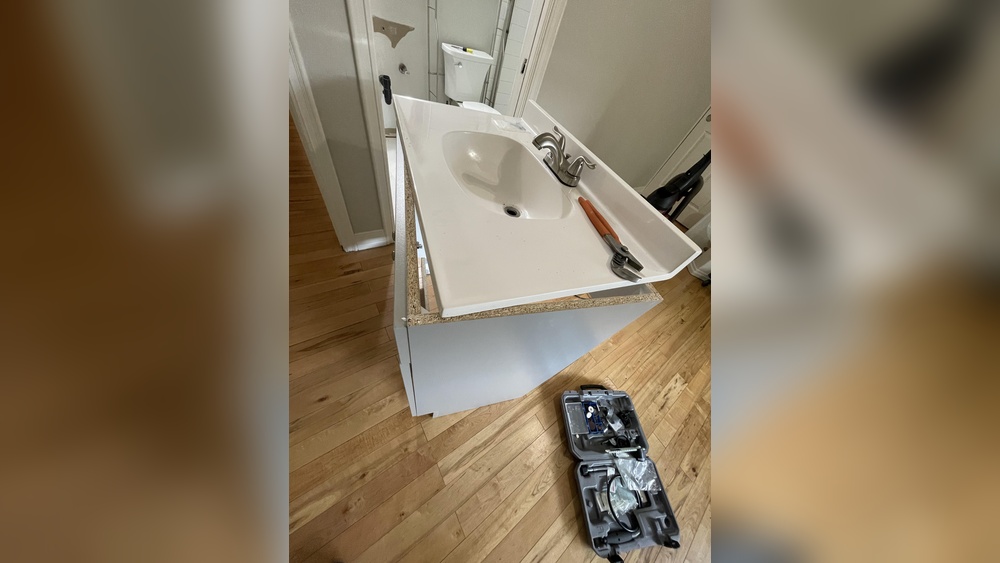
Are you ready to give your bathroom a fresh, polished look? One crucial step is securely attaching your vanity top to the cabinet.
But what exactly should you use to make sure it stays in place and looks flawless? Choosing the right adhesive or fastener can save you from future headaches like wobbling or damage. You’ll discover simple, effective solutions to keep your vanity top firmly attached.
Keep reading to find out the best methods and materials that will make your bathroom upgrade smooth and lasting.

Credit: www.youtube.com
Choosing The Right Adhesive
Choosing the right adhesive is key to a strong, lasting bond between your vanity top and cabinet. The wrong glue can cause damage or make the top come loose. It is important to pick an adhesive that fits the materials and the bathroom environment. Some adhesives resist water and heat better than others.
Different adhesives offer different strengths and drying times. Some are easy to apply and clean up, while others require more skill. Let’s explore the most common types used for attaching vanity tops.
Silicone Sealants
Silicone sealants are flexible and waterproof. They create a strong, watertight seal that prevents leaks. This type is great for bathroom use because it handles moisture well.
Silicone is easy to apply with a caulk gun. It also cleans up quickly with a cloth before it dries. This sealant stays flexible, which helps absorb small movements between the vanity top and cabinet.
Construction Adhesives
Construction adhesives provide a very strong bond. They work well with wood, laminate, and stone surfaces. This adhesive holds the vanity top firmly in place without gaps.
It dries hard and is resistant to heat and water. Construction adhesives take longer to cure but offer durable support. Make sure to follow the manufacturer’s instructions for the best results.
Epoxy Options
Epoxy adhesives are two-part glues that mix before use. They form an extremely strong bond and resist moisture and heat. Epoxy is ideal for heavy or stone vanity tops.
Applying epoxy takes care because it sets quickly. It fills gaps and holds the top securely. Epoxy bonds well to many materials but can be harder to remove if needed.
Preparing The Surfaces
Preparing the surfaces is a key step before attaching the vanity top to the cabinet. It helps ensure a strong and lasting bond. Careful preparation prevents gaps and water damage later on.
Each surface needs attention. The vanity top must be clean and smooth. The cabinet edges should be even and free of rough spots. Both surfaces must be dry to allow proper adhesion.
Cleaning The Vanity Top
Remove dust, dirt, and oils from the vanity top. Use a mild cleaner and a soft cloth. Avoid harsh chemicals that can damage the surface. A clean top ensures the adhesive sticks well.
Smoothing The Cabinet Edges
Check the cabinet edges for rough or uneven parts. Sand any splinters or bumps gently. Smooth edges create a better fit for the vanity top. This step helps avoid cracks or gaps later.
Ensuring Dryness
Both surfaces must be completely dry before attaching. Moisture weakens adhesives and can cause mold. Use a dry cloth or let surfaces air dry. Dry surfaces hold the vanity top firmly in place.
Using Mechanical Fasteners
Using mechanical fasteners is a common method to attach a vanity top to a cabinet. These fasteners provide a strong hold and keep the vanity top secure. They are easy to install and remove if needed. Mechanical fasteners also help prevent shifting or lifting over time.
Clips And Brackets
Clips and brackets are small metal pieces designed to hold the vanity top firmly. They fit between the cabinet and the countertop edge. Clips are often hidden under the vanity top, making them invisible after installation. Brackets can be mounted inside the cabinet for extra support. Both options offer solid attachment without damaging the vanity top surface.
Screws And Anchors
Screws and anchors provide a direct and strong connection. Screws are driven through the cabinet into the bottom of the vanity top. Anchors help hold screws in place, especially in weaker materials. Choose screws with the right length to avoid cracking the vanity top. Use anchors if the cabinet material is soft or hollow.
When To Use Fasteners
Fasteners are best when the vanity top is heavy or large. They work well for stone, quartz, or solid surface tops. Use fasteners if the cabinet needs extra support for the countertop. Mechanical fasteners are ideal for bathroom vanities that face frequent use. They keep the vanity top stable and safe over time.

Credit: www.woodshopdiaries.com
Applying Adhesive Properly
Applying adhesive properly is important to attach a vanity top to a cabinet securely. It ensures the vanity stays stable and looks neat. Using the right technique makes the process easier and avoids damage.
Correct Amount And Placement
Use a moderate amount of adhesive. Too much can spill out, and too little may not hold well. Apply the adhesive in a thin, even line along the edges of the cabinet where the vanity top will sit. Focus on the front and sides for a strong bond.
Avoiding Mess And Drips
Apply adhesive carefully to avoid drips. Use a caulking gun or a small brush for control. Clean any excess immediately with a damp cloth. This prevents stains and keeps the vanity top and cabinet looking clean.
Curing Time Tips
Let the adhesive cure fully before using the vanity. Follow the manufacturer’s recommended time, usually 24 hours. Avoid moving or putting weight on the vanity during this period. Proper curing ensures a strong, lasting bond.
Sealing And Finishing Touches
Sealing and finishing touches are important steps when attaching a vanity top to a cabinet. These steps protect your vanity and keep it looking good. Proper sealing stops water from getting into the cabinet. Finishing touches give a neat, clean look to your bathroom.
Caulking Edges
Caulking fills gaps between the vanity top and cabinet. Use a silicone-based caulk for water resistance. Apply a thin line along the edges. Smooth it with a wet finger or a caulk tool. This seals the joint and stops water from leaking in.
Preventing Water Damage
Water damage can ruin cabinets quickly. Keep water away by sealing all edges well. Wipe up spills and drips right away. Use a waterproof sealant under the vanity top too. This adds an extra layer of protection against moisture.
Maintaining The Bond
Check the seal and caulk regularly. Look for cracks or gaps. Replace old or damaged caulk to keep the bond strong. Proper care keeps your vanity stable and water-safe. This helps your bathroom stay beautiful for years.
Common Mistakes To Avoid
Attaching a vanity top to a cabinet might seem simple. Yet, many make mistakes that cause problems later. Avoiding common errors helps ensure a strong, lasting bond. Knowing what to skip saves time and money.
Using Wrong Adhesive Types
Choosing the wrong glue weakens the connection. Some adhesives do not hold well on wet surfaces. Others can damage your vanity or cabinet material. Use silicone-based or construction adhesives made for vanities. Check product labels carefully before applying.
Insufficient Surface Prep
Dirty or wet surfaces stop adhesives from sticking properly. Clean both the vanity and cabinet areas well. Remove dust, oil, and old glue traces. Dry the surfaces completely before applying adhesive. Proper prep makes the bond stronger and lasts longer.
Ignoring Manufacturer Guidelines
Every vanity and cabinet may need different care. Ignoring instructions risks voiding warranties or damaging parts. Follow the manufacturer’s advice on adhesive type and application steps. This ensures the best fit and a secure attachment.
Expert Recommendations
Attaching a vanity top to a cabinet requires the right materials and tools. Experts suggest using strong adhesives and proper sealants to ensure a secure fit. Choosing quality products can make the installation last longer and look better.
Below are top tips from professionals on brands, tools, and methods to help you install your vanity top smoothly.
Best Brands To Consider
For adhesives, brands like Loctite and Gorilla offer strong, reliable options. Silicone sealants from GE or DAP provide excellent water resistance. These brands are trusted by professionals for durability and ease of use. Using well-known brands helps avoid common installation issues.
Tools For Easier Installation
A caulking gun is essential for applying sealant evenly. Clamps help hold the vanity top in place while adhesive dries. A level ensures your vanity top sits flat and even. Basic hand tools like screwdrivers and a drill make the process faster and neater. Having the right tools saves time and effort.
Professional Vs Diy Approaches
Hiring a professional guarantees precise fitting and long-lasting results. Professionals know how to handle tricky spots and unexpected problems. DIY installation can save money but needs patience and careful work. Beginners should follow instructions closely and use quality materials. Both ways work well with the right preparation and tools.

Credit: www.reddit.com
Frequently Asked Questions
What Is The Best Adhesive To Attach Vanity Tops?
Silicone caulk is the best adhesive for attaching vanity tops. It provides a strong, waterproof seal and prevents movement. Use a high-quality, mildew-resistant silicone for durability and easy cleaning. It also cushions the vanity top and cabinet, reducing stress on the joint.
Can I Use Screws To Attach A Vanity Top?
Yes, you can use screws, but with caution. Pre-drill holes to prevent cracking the vanity top. Use corrosion-resistant screws and avoid overtightening. Screws provide extra stability but should be combined with adhesive for a secure fit.
How Do I Secure A Vanity Top Without Damaging It?
Use a bead of silicone caulk along the cabinet edges to secure the vanity top. Avoid drilling directly into the top. Clamp gently if needed until the adhesive cures. This method prevents cracks and maintains the top’s finish.
Should I Use Brackets To Attach Vanity Tops?
Brackets can add extra support but are not always necessary. Use them if the vanity top is heavy or large. Attach brackets inside the cabinet where they won’t be visible. Always combine brackets with adhesive for best results.
Conclusion
Choosing the right method to attach a vanity top is important. Use strong silicone or construction adhesive for a secure hold. Clean surfaces well before applying glue. Tighten screws carefully to avoid damage. Follow these steps for a sturdy, long-lasting fit.
A well-attached vanity top looks neat and stays safe. Simple tools and materials can make the job easy. Now you know how to attach your vanity top correctly.


