Imagine you’re sleeping or relaxing on a bunk bed when suddenly the ground starts shaking. What should you do to stay safe?
Earthquakes can be unpredictable and scary, especially if you’re in a bunk bed, which might feel less stable. Knowing the right steps to take can protect you from injury and give you confidence during those critical moments. Keep reading to discover practical, easy-to-follow tips that could make all the difference the next time the earth moves beneath you.
Your safety starts with what you do first—don’t miss these life-saving insights!
Stay Calm And Assess
Staying calm during an earthquake is crucial, especially when you are in a bunk bed. Panic can make the situation worse. Take a deep breath and focus on what you need to do next. Assess your surroundings carefully before making any moves. This helps prevent injuries and keeps you safe.
Keep A Clear Head
Keep your mind clear and avoid sudden movements. Bunk beds can shake a lot during quakes. Try to stay still and hold on to the bed frame. Clear thinking helps you stay safe and make good decisions fast.
Check Immediate Surroundings
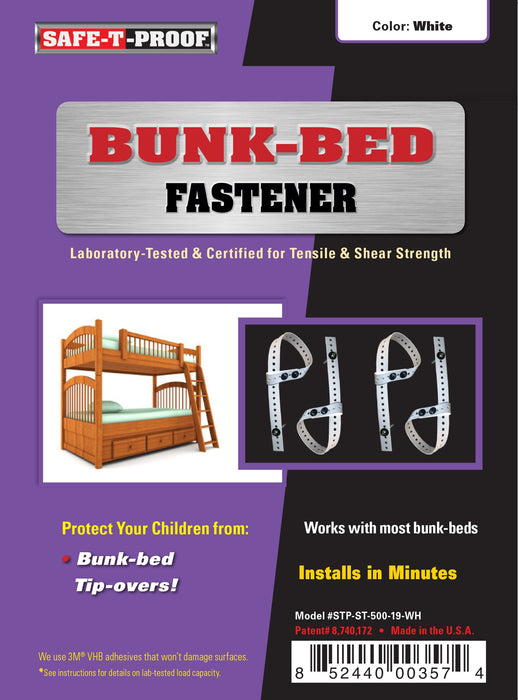
Look around for any falling objects or broken items. Make sure nothing is about to fall on you. Check if the ladder or bed frame is stable. If you see any danger, prepare to protect yourself quickly.
Credit: safe-t-proof.com
Protect Your Head And Neck
Protecting your head and neck during an earthquake is very important, especially in a bunk bed. These parts are the most vulnerable to injury. Taking quick action can reduce the risk of serious harm. Focus on shielding these areas to stay safe.
Use Pillows Or Cushions
Grab any pillows or cushions nearby. Place them over your head and neck. This soft barrier can absorb falling debris or bumps. Keep them close at hand before shaking starts.
Cover With Arms
Wrap your arms around your head and neck tightly. This adds extra protection and helps hold the pillows in place. Your arms act as a strong shield against impacts. Stay low and keep still while covering.
Hold On Tight
Holding on tight during an earthquake is very important, especially when you are in a bunk bed. The bed can move a lot because it is higher and less stable than a regular bed. Gripping the bed frame firmly helps keep you safe and stops you from falling. Staying in place until the shaking stops reduces the risk of injury.
Grip Bed Frame Firmly
Grab the bed frame with both hands. Use a strong, steady hold. This helps you stay balanced. The frame supports your body as the bed shakes. Do not let go, even if the shaking feels strong. Holding tight lowers your chance of falling or hitting something hard.
Stay Put Until Shaking Stops
Remain in your spot on the bunk bed. Moving around can cause accidents. The shaking usually lasts only a short time. Wait calmly until the movement ends. After the shaking stops, check if it is safe to get down. Staying put protects you from sudden falls and injuries.
Avoid Dangerous Areas
During an earthquake, staying safe means avoiding risky spots around your bunk bed. Some areas can cause more harm than good. Knowing which places to avoid helps you stay protected.
Stay Away From Windows
Windows can break easily in an earthquake. Glass shards can cause serious injuries. Keep distance from all windows while in your bunk bed. Find a spot where no glass can fall on you. This reduces the chance of cuts and wounds.
Avoid Heavy Objects Above
Heavy items like shelves or cabinets above your bunk bed can fall. These objects can hit you and cause harm. Check your bunk bed area for anything heavy above. Move away from places with unstable or loose objects. Safety means avoiding falling dangers during shaking.
Plan Your Escape Route
Planning your escape route from a bunk bed during an earthquake is vital. Knowing what to do helps keep you calm and safe. The bunk bed can be tricky to exit quickly. Preparing ahead ensures you avoid injury and find safety fast.
Wait For Shaking To End
Do not rush to leave the bed while shaking is strong. Moving during shaking may cause falls or hits. Stay still and protect your head with your arms. Wait patiently until the earthquake stops or slows down. Safety comes first before making any move.
Exit Bed And Room Safely
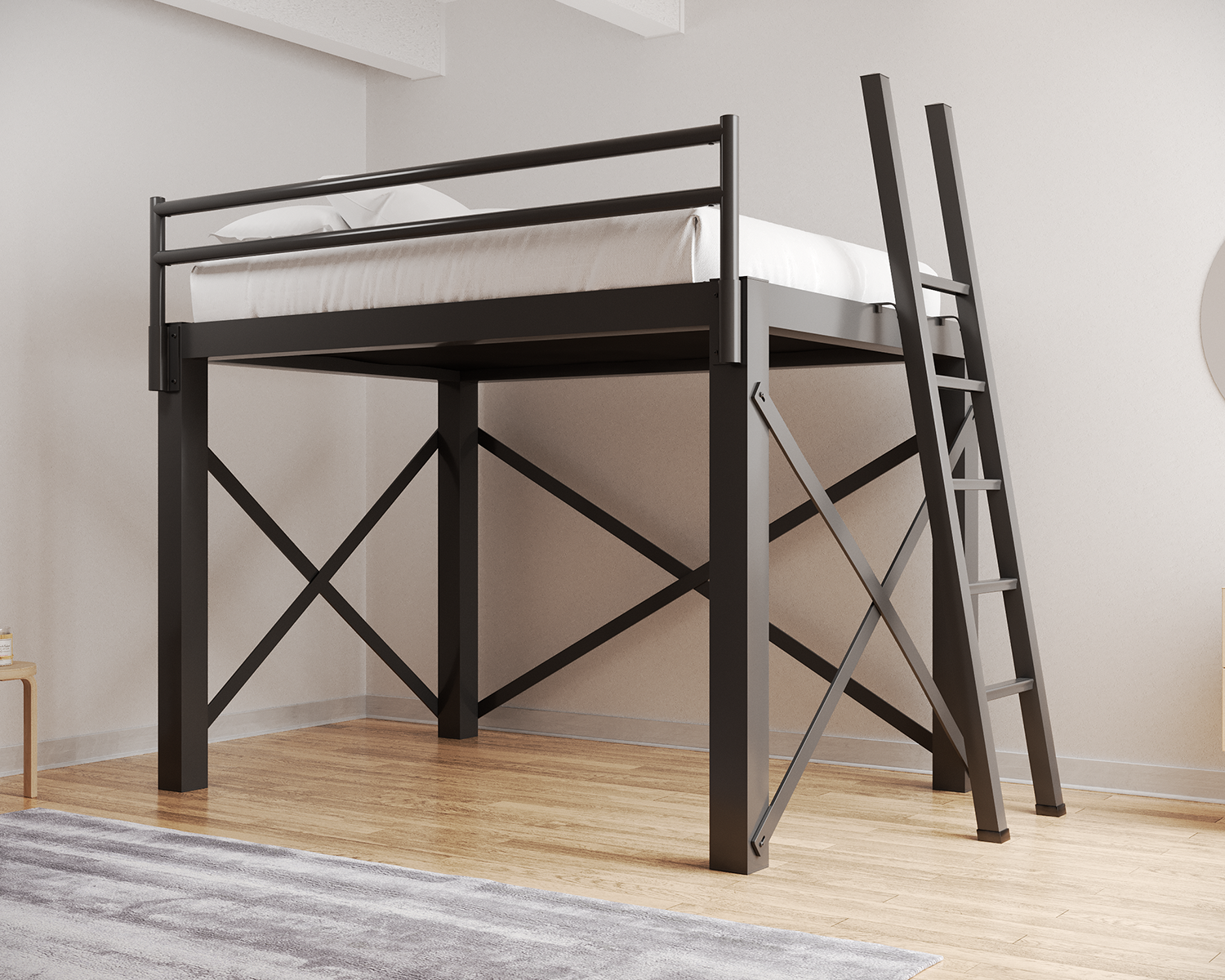
Once shaking stops, carefully climb down the bunk bed. Use the ladder or side rails slowly and firmly. Check your path for falling objects or loose items. Move calmly toward the nearest safe exit from the room. Avoid running to prevent slips and accidents.
Credit: adultbunkbeds.com
Prepare Your Bunk Bed Environment
Preparing your bunk bed area before an earthquake can save you from injury. A safe environment reduces risks and helps you stay calm. Small steps can make a big difference in how secure your space feels.
Secure Bed To Wall
Fix the bunk bed frame to the wall using strong brackets. This stops the bed from moving or falling during shaking. Use screws and anchors made for your wall type. Check the connections regularly to keep them tight and safe.
Remove Loose Items
Clear the top and bottom bunks of loose objects like books or toys. These can fall and cause harm during an earthquake. Store items in closed boxes or drawers. This keeps the area tidy and prevents injuries from falling things.
Practice Earthquake Drills
Practicing earthquake drills is vital for safety, especially when using a bunk bed. Drills prepare everyone to act quickly and calmly during shaking. Regular practice helps reduce fear and confusion. It builds muscle memory for the right actions.
Drills also reveal weak spots in your plan. This lets you fix problems before a real earthquake. Practicing often makes sure everyone knows what to do, even in the dark or surprise situations.
Simulate Scenarios
Simulating different earthquake scenarios improves readiness. Pretend the earthquake starts while in the bunk bed. Practice dropping, covering, and holding on tightly. Try drills at various times, such as during the night or early morning. This helps everyone stay prepared under any condition.
Include sounds or shakes to mimic real earthquakes. This makes drills feel more real and effective. Repeat the drills until actions become natural and quick.
Teach Children Safety Steps
Children need clear and simple instructions. Teach them to drop down low and cover their head. Show how to hold onto the bed frame tightly. Explain why staying calm is important.
Use easy words and short sentences for better understanding. Practice the steps with children regularly. Praise their efforts to build confidence. Safety habits start young and save lives.

Credit: stanforddaily.com
Frequently Asked Questions
What Is The Safest Position In A Bunk Bed During An Earthquake?
The safest position is to hold onto the bed frame firmly and protect your head. Stay low and avoid sudden movements to reduce injury risk.
Should I Try To Jump Off A Bunk Bed During An Earthquake?
No, do not jump off. Jumping increases injury risk. Instead, stay put, hold the bed frame, and cover your head.
How Can I Protect Myself Under A Bunk Bed In An Earthquake?
Use a pillow or your hands to shield your head and neck. Stay still until shaking stops to avoid falling or hitting objects.
Is It Better To Stay On The Top Or Bottom Bunk During Shaking?
Both bunks have risks, but staying low on the bottom bunk is safer. It offers more stability and easier protection during an earthquake.
Conclusion
Staying calm helps you think clearly during an earthquake. Hold on tight to the bed frame to stay safe. Protect your head and neck with your hands. Avoid jumping out; it can cause injury. Wait until shaking stops before moving carefully.
Keep emergency supplies nearby for quick access. Practice these steps to stay safe in bunk beds. Your safety depends on quick and smart actions. Remember, preparation and calmness save lives in earthquakes.