
Your outdoor wood furniture adds charm and comfort to your space, but it faces constant threats from sun, rain, and pests. If you want to keep your furniture looking great and lasting longer, knowing what to put on it for protection is essential.
You’ll discover simple, effective ways to shield your wood from damage. By the end, you’ll have the confidence to preserve your outdoor pieces and enjoy them season after season. Keep reading to find out how to give your furniture the care it deserves.
Choosing The Right Finish
Choosing the right finish is key to protecting outdoor wood furniture. The right finish guards against water, sun, and dirt. It also keeps the wood looking fresh and new. Different finishes work better for different types of wood and uses. Understanding the options helps you pick the best one for your furniture.
Oil-based Vs. Water-based
Oil-based finishes soak deep into the wood. They offer strong protection against moisture. These finishes give a warm, rich look to wood. They take longer to dry and have a strong smell.
Water-based finishes dry fast and have less odor. They form a clear, hard layer on the surface. These finishes keep the natural color of the wood. They need more frequent reapplication than oil-based ones.
Varnishes And Polyurethanes
Varnishes create a tough, shiny coating on wood. They resist scratches and water damage well. Polyurethanes are a type of varnish with extra durability. Both finishes protect against sun and rain. Use these on furniture exposed to harsh weather.
Natural Oils And Waxes
Natural oils like teak or linseed oil nourish the wood. They soak in and keep the wood from drying out. Oils give a soft, natural finish without a glossy look.
Waxes add a thin protective layer on top of the wood. They help repel water and dirt. Wax finishes need regular maintenance but keep furniture looking smooth.
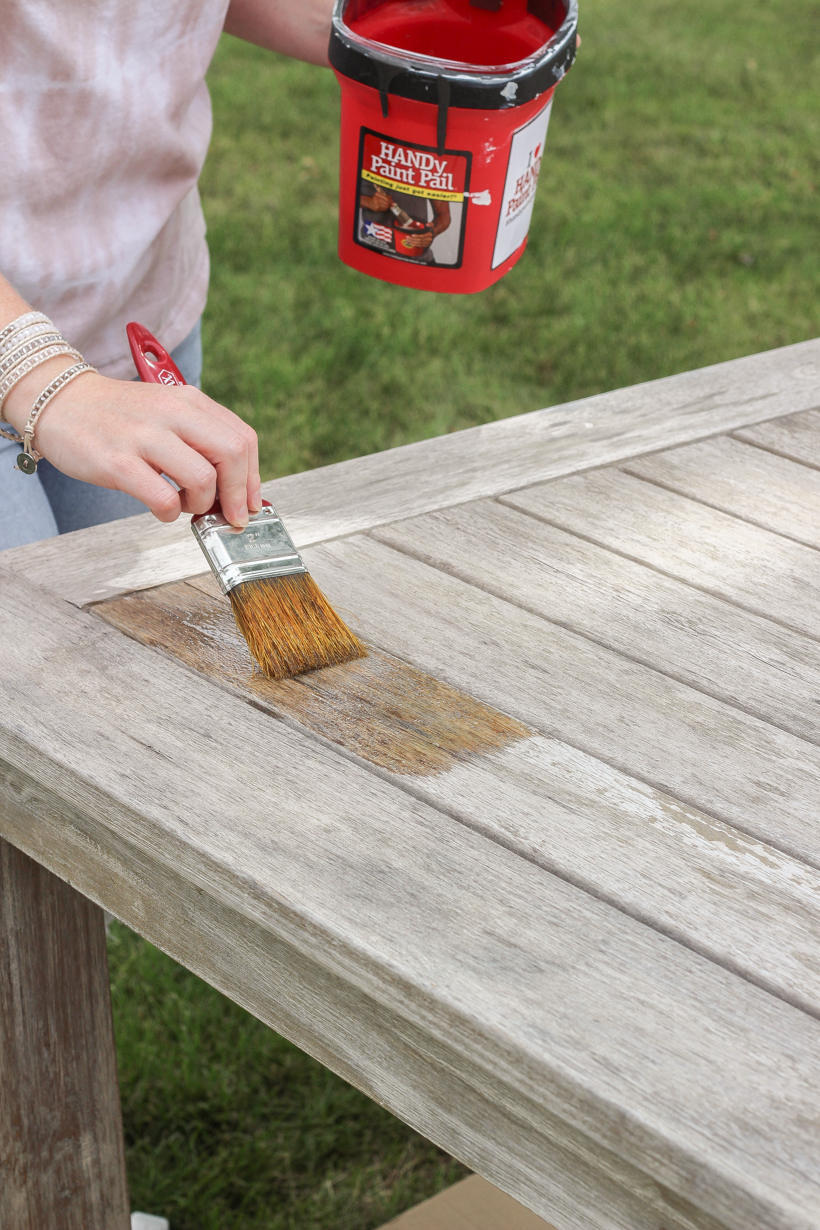
Credit: lovegrowswild.com
Preparing Wood For Protection
Preparing wood for protection is an important step to keep outdoor furniture strong and beautiful. Wood faces many challenges outside, such as rain, sun, and insects. Treating the wood before applying any finish helps it last longer and look better.
Proper preparation makes the protective layer work well. It also stops damage before it starts. Clean, smooth, and dry wood absorbs stains, oils, or paint evenly. This section shows how to prepare wood with simple, clear steps.
Cleaning And Sanding
Start by cleaning the wood to remove dirt and dust. Use a soft brush or cloth with mild soap and water. Rinse well and let it dry. Dirt stops finishes from sticking to the wood.
After cleaning, sand the wood surface gently. Use fine-grit sandpaper for a smooth finish. Sanding removes old paint, rough spots, and splinters. It opens the wood pores so protectors soak in better.
Repairing Damages
Check the wood for cracks, holes, or loose joints. Fill small holes with wood filler and smooth it out. Use glue or clamps to fix loose parts. Repairing stops water from entering and causing rot.
Damaged wood weakens the furniture and ruins its look. Fixing problems early helps protect the whole piece. Take time to make repairs before sealing the wood.
Drying The Wood Properly
Wood must be dry before applying any protection. Moisture blocks finishes and causes peeling or bubbles. Let the wood dry in a shaded, well-ventilated area.
Check the wood moisture with a meter or by touch. It should feel dry and light. Proper drying ensures the finish sticks well and lasts longer outdoors.
Applying Protective Coatings
Applying protective coatings is essential to keep outdoor wood furniture safe from weather damage. These coatings act as a shield against rain, sun, and dirt. They help maintain the wood’s color and prevent it from cracking or rotting. Choosing the right method and materials makes a big difference in protection and appearance.
Tools And Techniques
Use a clean brush, roller, or spray for applying coatings. Brushes work well for detailed areas and edges. Rollers cover flat surfaces quickly. Sprayers give a smooth finish but need practice to avoid drips. Always clean the wood surface before applying. Sand lightly to help the coating stick better. Apply coatings in thin, even layers for best results.
Number Of Coats Needed
Most outdoor wood furniture needs two to three coats. The first coat soaks into the wood and seals it. The second coat adds a strong protective layer. A third coat can increase durability in harsh climates. Check the product instructions for exact recommendations. More coats do not always mean better protection. Even thin coats work well if applied correctly.
Drying And Curing Times
Allow each coat to dry fully before applying the next. Drying time depends on the product and weather conditions. Warm, dry weather helps coatings dry faster. Avoid applying coatings in high humidity or rain. Curing takes longer than drying and ensures full protection. Wait at least 24 to 48 hours before using the furniture. Patience improves the coating’s strength and lifespan.
Maintaining Outdoor Wood Furniture
Outdoor wood furniture faces many challenges. Sun, rain, and dirt can damage the wood. Proper maintenance helps keep your furniture strong and beautiful. Small efforts make a big difference over time.
Regular Cleaning Tips
Clean your wood furniture often. Use a soft brush or cloth to remove dust and dirt. Mild soap mixed with water works well. Avoid harsh chemicals that can hurt the wood. Rinse with clean water and dry with a towel. Clean furniture lasts longer and looks better.
Reapplying Finish
Finishes protect wood from moisture and sun. Check your furniture’s finish every few months. If it looks dull or worn, reapply it. Lightly sand the surface before adding a new coat. Use products made for outdoor wood. This step keeps wood sealed and safe.
Seasonal Care Advice
Change your care routine with the seasons. In spring and summer, clean and finish more often. During fall, clear away leaves and debris. Winter needs extra protection. Cover furniture or move it indoors if possible. These actions prevent damage from cold and moisture.
Preventing Common Outdoor Damage
Outdoor wood furniture faces many challenges. Sun, rain, insects, and mold can damage it over time. Protecting your furniture helps keep it strong and beautiful. Simple steps can stop common problems. These methods make your wood last longer and look better.
Uv Protection Strategies
Sunlight breaks down wood fibers. It causes fading and cracking. Use a UV-resistant finish to shield the surface. Clear sealers or tinted stains work well. Apply them every year to keep protection strong. Shade covers also reduce sun damage.
Moisture And Rot Prevention
Water seeps into wood and causes rot. Use water-repellent sealers to block moisture. Make sure the finish covers all sides and edges. Keep furniture off the ground to avoid dampness. Clean and dry furniture regularly after rain.
Pest And Mold Control
Insects and mold harm wood furniture. Use insect-repellent treatments to keep bugs away. Fungicidal sprays stop mold and mildew growth. Clean furniture often to remove dirt and spores. Store furniture in dry places during wet seasons.

Credit: www.andersonlumbercompany.com
Best Products For Outdoor Wood
Protecting outdoor wood furniture is key to keeping it strong and beautiful. Using the right product can stop water, sun, and dirt from damaging the wood. Some products also bring out the wood’s natural color and grain. Choosing the best product depends on the type of wood and how much care you want to give.
Top Sealants And Stains
Sealants create a clear layer to block water and dirt. They keep wood dry and prevent cracks. Stains add color and protect against sun damage. Look for products that say “waterproof” or “UV protection.” These work well for wooden tables, chairs, and benches. Reapply every year for strong defense.
Eco-friendly Options
Eco-friendly products use natural oils and safe ingredients. They protect wood without harmful chemicals. Linseed oil and tung oil are popular natural choices. These oils soak deep into wood and keep it soft. They dry clear and do not peel. Perfect for those who want green and safe protection.
Budget-friendly Choices
Some products protect well without high prices. Water-based sealants often cost less and dry fast. They are easy to apply with a brush or spray. Look for brands with good reviews and clear instructions. These choices save money and keep wood safe for years.
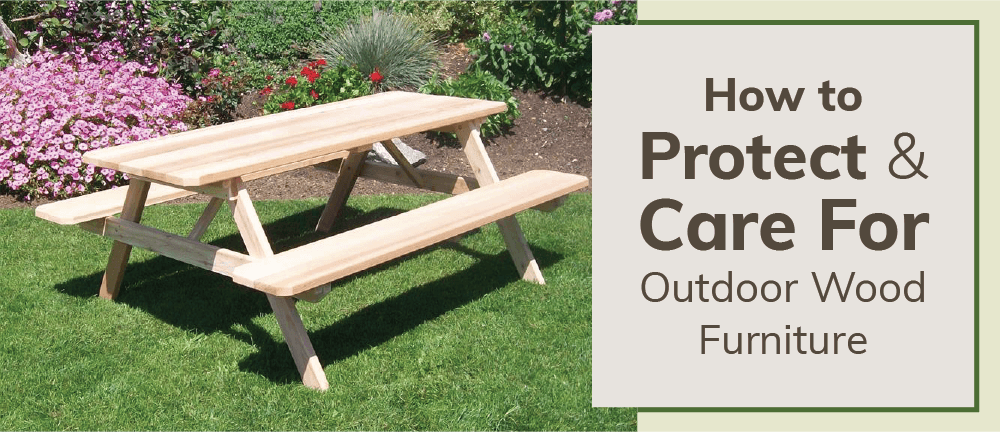
Credit: www.dutchcrafters.com
Frequently Asked Questions
What Is The Best Finish For Outdoor Wood Furniture?
The best finish for outdoor wood furniture is a high-quality exterior varnish or marine-grade spar urethane. These finishes protect against moisture, UV rays, and temperature changes, extending the furniture’s lifespan while maintaining its natural beauty.
How Often Should I Apply Protective Coating On Wood Furniture?
Apply protective coating on outdoor wood furniture every 1-2 years. Frequent application prevents damage from weather, sun exposure, and moisture, keeping the wood sealed and looking fresh.
Can I Use Paint To Protect Outdoor Wood Furniture?
Yes, paint can protect outdoor wood furniture by creating a waterproof barrier. Use exterior-grade paint designed for wood to prevent peeling and cracking caused by weather elements.
Is Oil Treatment Effective For Outdoor Wood Protection?
Yes, oil treatments like teak or linseed oil penetrate wood to repel water and preserve natural texture. Regular oiling enhances durability and prevents drying and cracking in outdoor conditions.
Conclusion
Protecting outdoor wood furniture keeps it strong and beautiful. Use sealants, oils, or varnishes to guard against weather damage. Regular care helps prevent cracks, fading, and mold growth. Choose products made for outdoor use to get the best results. Clean furniture before applying protection for a smooth finish.
Small efforts now save money on repairs later. Enjoy your outdoor space longer with well-protected wood pieces. Simple steps make a big difference. Keep your wood furniture ready for all seasons.


