Choosing the right finish for your outdoor furniture can make all the difference between a piece that lasts for years and one that quickly fades or cracks. You want your furniture to not only look great but also stand up to sun, rain, and changing seasons.
But with so many options out there, how do you know which finish is best for your needs? You’ll discover clear, simple advice to help you pick the perfect finish that protects and enhances your outdoor furniture. Keep reading to make sure your investment stays beautiful and strong through every season.
Choosing The Right Finish
Choosing the right finish for outdoor furniture protects it from weather and wear. It also keeps your furniture looking good for years. Different finishes offer various levels of protection and appearance. Picking the best one depends on your furniture type and how you use it.
Factors To Consider
Think about the climate in your area. Rain, sun, and humidity affect furniture differently. Some finishes resist water well, while others block UV rays. Consider how often you want to maintain your furniture. Some finishes need reapplying each year. Look at the color and shine you want. Some finishes darken wood, others keep it natural. Always choose a finish that matches your lifestyle and outdoor space.
Types Of Outdoor Furniture Materials
Wood furniture needs a finish that stops moisture and sun damage. Oil-based finishes soak in and protect the wood deeply. Polyurethane forms a hard shell to guard against scratches and water. Metal furniture benefits from rust-resistant paints or powders. These finishes prevent rust and keep metal smooth. Plastic furniture often uses clear coatings to stop fading. Resin and wicker can be treated with special sprays for durability. Each material needs a specific finish to last long outside.
Credit: www.rockler.com
Oil-based Finishes
Oil-based finishes are a popular choice for outdoor furniture. They soak into the wood, protecting it from moisture and sun damage. These finishes help keep the wood looking natural and rich. The finish also adds a slight shine, enhancing the wood grain. Oil-based finishes take longer to dry than water-based ones. They require fewer coats but need regular reapplication to maintain protection.
Benefits And Drawbacks
Oil-based finishes protect wood deeply and resist water well. They enhance the wood’s natural color and texture. The finish is flexible, so it does not crack easily. This type of finish lasts longer than many others. It also helps prevent wood from drying and splitting.
Drawbacks include longer drying times and strong fumes during application. The finish can darken wood more than water-based types. Oil-based finishes need more frequent maintenance in very wet climates. Clean-up requires solvents, which can be harsh on the environment.
Best Uses
Oil-based finishes work best on hardwood outdoor furniture. Teak, mahogany, and cedar respond well to this finish. It is ideal for furniture exposed to rain and sun. Use it on porch chairs, picnic tables, and garden benches. Apply oil-based finishes on wooden surfaces that need deep protection. Avoid using it on painted or very soft woods.
Water-based Finishes
Water-based finishes offer a clear, durable coating for outdoor furniture. They dry quickly and have low odor. These finishes protect wood from moisture and sun damage while keeping the natural look.
Many people choose water-based finishes because they clean up easily with water. They are also safer for the environment and for your health.
Advantages And Limitations
Water-based finishes dry fast, allowing quick project completion. They resist yellowing, keeping furniture looking fresh. These finishes emit fewer harmful fumes, making them safer indoors and outdoors.
They may not be as durable as oil-based finishes in harsh weather. Reapplication is sometimes needed more often. Some water-based finishes can raise the wood grain, requiring extra sanding.
Application Tips
Apply water-based finishes in thin, even coats. Use a high-quality brush or sprayer for smooth coverage. Lightly sand between coats to keep the surface smooth.
Work in a dust-free, well-ventilated area. Avoid applying finish in direct sunlight or high humidity. Let each coat dry fully before adding another layer.
Varnishes And Polyurethanes
Varnishes and polyurethanes are common finishes for outdoor furniture. They protect wood from water, sun, and dirt. Both create a hard, clear coating that keeps furniture looking good for years. These finishes help prevent cracks and fading. Choosing the right type depends on your furniture’s use and exposure to weather.
Durability And Protection
Varnishes and polyurethanes make furniture strong. They stop water from soaking into the wood. This lowers the chance of rot and warping. Polyurethane is thicker and often lasts longer than varnish. Both finishes resist scratches and stains. This keeps furniture smooth and easy to clean. Regular reapplication is important for the best protection.
Choosing The Right Gloss Level
Varnishes and polyurethanes come in different gloss levels. Glossy finishes shine bright and highlight the wood grain. Satin or matte finishes offer a soft, natural look. Glossy finishes show dirt and scratches more easily. Satin or matte hides marks better. Pick a gloss level that matches your style and maintenance needs.
Paints For Outdoor Furniture
Paints are a popular choice for finishing outdoor furniture. They protect the wood or metal from weather damage. Paint also gives furniture a fresh, clean look. It helps prevent rust, rot, and fading caused by sun and rain. Choosing the right paint can make your furniture last longer and look great all year.
Color Options And Styles
Outdoor furniture paints come in many colors. Bright colors like red, blue, and yellow add energy to your space. Neutral tones like white, gray, and brown create a calm, classic look. Paint also comes in different finishes. Glossy paint gives a shiny, smooth surface. Matte paint offers a soft, natural appearance. Choose colors and styles that match your outdoor decor.
Preparation And Maintenance
Proper preparation is key for paint to last outdoors. Clean the furniture well to remove dirt and old paint. Sand the surface to help the paint stick better. Use a primer before painting for extra protection. After painting, wait for it to dry completely before use. Maintain painted furniture by cleaning it gently with soap and water. Touch up any chips or scratches quickly to stop damage.
Stains And Sealers
Stains and sealers protect outdoor furniture from sun, rain, and wear. They keep wood looking fresh and strong. Choosing the right finish can make your furniture last longer.
Enhancing Natural Wood Grain
Stains bring out the beauty of wood grain. They add color while showing the natural patterns. Some stains are transparent, allowing wood details to shine. Others are semi-transparent, giving a soft tint. This finish highlights wood’s unique look without hiding it.
Applying a stain enhances wood’s texture. It makes the surface richer and deeper. Stains can also hide small imperfections or discolorations. Using a stain keeps furniture looking natural yet polished.
Weatherproofing Techniques
Sealers form a strong barrier on wood surfaces. They stop water from soaking in, which prevents rot and swelling. Sealers also block harmful UV rays that fade wood color. This keeps furniture looking new for longer.
Many sealers are easy to apply with a brush or spray. Some combine stain and sealer for quick protection. Reapplying sealers every year helps maintain wood’s durability. Proper sealing protects outdoor furniture from harsh weather.
Eco-friendly Finish Options
Choosing an eco-friendly finish for outdoor furniture helps protect the environment and your health. These finishes use natural ingredients and avoid harmful chemicals. They keep wood looking great and safe for your family and pets.
Natural Oils And Waxes
Natural oils like linseed and tung oil soak into wood to protect it from water and sun damage. They keep wood flexible and prevent cracking. Waxes add a soft shine and extra water resistance. Both options are easy to apply and safe for the environment.
Non-toxic Sealants
Non-toxic sealants use safe, plant-based ingredients to shield furniture from moisture and dirt. These sealants do not release harmful fumes. They create a strong barrier while keeping air quality healthy. Choose clear sealants to keep the wood’s natural look.

Credit: www.axminstertools.com
Application Techniques
Applying the right finish on outdoor furniture is key to its protection and beauty. The process requires care and correct steps. The right technique helps the finish last longer and resist weather damage.
Surface Preparation
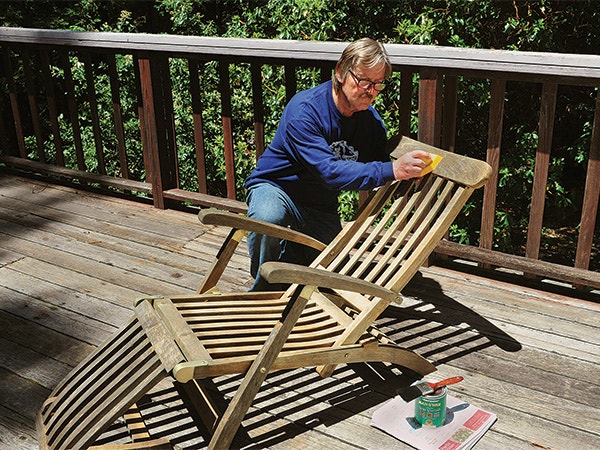
Start by cleaning the furniture surface thoroughly. Remove dirt, dust, and old paint or finish. Use sandpaper to smooth rough spots and create a good base. Wipe the surface with a damp cloth to remove sanding dust. Let the furniture dry completely before applying any finish.
Tools And Methods
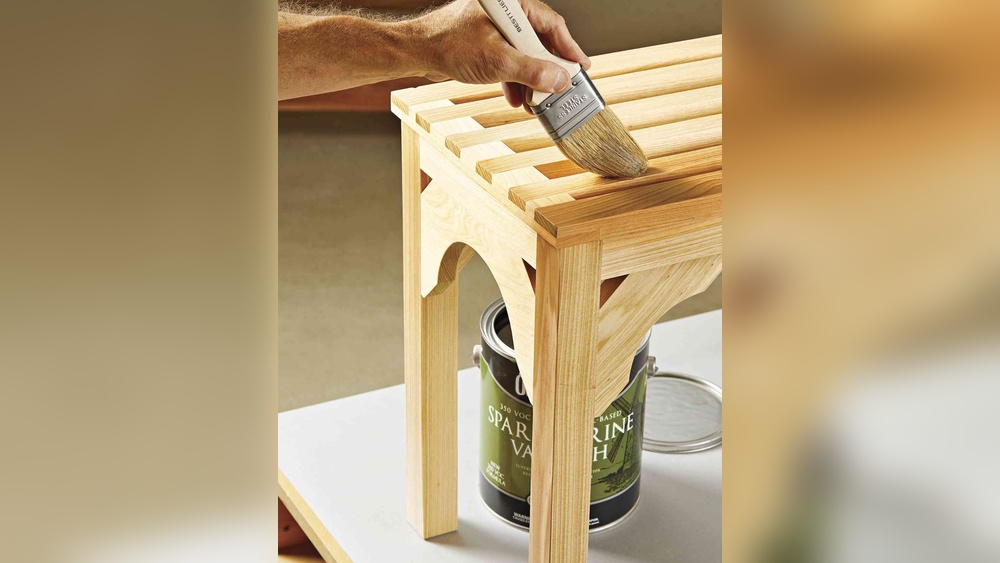
Choose the right tools for your finish type. Brushes work well for oils and varnishes. Use a foam brush or cloth for stains and oils. Spray finishes need a spray gun or aerosol can. Apply thin, even coats to avoid drips and streaks. Always follow the product instructions for the best results.
Drying And Curing Times
Allow enough time for each coat to dry fully. Drying time varies by finish type and weather conditions. Avoid rushing to prevent sticky or uneven surfaces. After the final coat, let the furniture cure for several days. Proper curing makes the finish stronger and more durable.
Maintenance And Reapplication
Maintaining outdoor furniture finishes is key to keeping your pieces looking fresh and strong. Over time, sun, rain, and dirt can damage the finish. Regular care and timely reapplication protect your furniture from wear. This helps keep the wood or metal safe from cracking, fading, or rusting. A little effort each season can save you from costly repairs or replacements later.
Signs Of Wear
Look for cracks, peeling, or fading on the finish. If the surface feels rough or dull, it needs attention. Water no longer beads up on the surface. Dark spots or rust appear on metal parts. These signs mean the finish is breaking down and cannot protect your furniture well.
Seasonal Care
Clean your furniture before applying any finish. Use mild soap and water, then let it dry. Apply a fresh coat of finish in spring or fall. Avoid very hot or rainy days for the task. Cover or store furniture during harsh weather to reduce wear. This simple routine keeps your furniture ready for use all year.
Extending Furniture Life
Reapply finish every one to two years for best results. Use a finish suited to your furniture’s material and climate. Light sanding before reapplication helps the new finish stick better. Store cushions and fabrics indoors when not in use. These steps help your outdoor furniture last many seasons with good looks intact.

Credit: lumbergrand.com
Frequently Asked Questions
What Is The Best Finish For Wooden Outdoor Furniture?
A penetrating oil finish like teak oil protects wood from moisture and UV damage. It enhances natural grain and durability. Reapply annually for lasting protection and beauty.
How Long Does Outdoor Furniture Finish Typically Last?
Most outdoor finishes last between 1 to 3 years, depending on weather exposure. Regular maintenance, like cleaning and reapplication, extends the finish’s life and preserves the furniture’s appearance.
Can I Use Indoor Finishes On Outdoor Furniture?
Indoor finishes lack UV and moisture resistance, so they are unsuitable for outdoor use. Always choose finishes specifically designed for outdoor furniture to ensure durability and protection.
Should I Seal Metal Outdoor Furniture?
Yes, sealing metal furniture prevents rust and corrosion. Use rust-resistant primers and outdoor-grade paint or clear sealers for long-lasting protection and enhanced appearance.
Conclusion
Choosing the right finish protects your outdoor furniture well. It keeps wood safe from rain, sun, and wear. Some finishes show the wood’s natural beauty. Others offer strong protection with a smooth coat. Consider how much time you want to spend maintaining it.
A good finish helps your furniture last longer. It also keeps your outdoor space looking nice. Think about your climate and furniture type too. The right finish makes your furniture ready for any weather. Simple steps can make a big difference.
Your outdoor furniture deserves the best care you can give.