When you want great sound without taking up too much space, a good bookshelf speaker is your best friend. But what exactly makes a bookshelf speaker stand out from the rest?
You might think it’s all about size or brand, but there’s more to it than that. Choosing the right speaker can transform how you enjoy music, movies, or games in your room. If you’ve ever struggled to find a speaker that delivers clear, rich sound without overwhelming your space, this guide is for you.
Keep reading, and you’ll discover the key features that make a bookshelf speaker truly worth your investment.
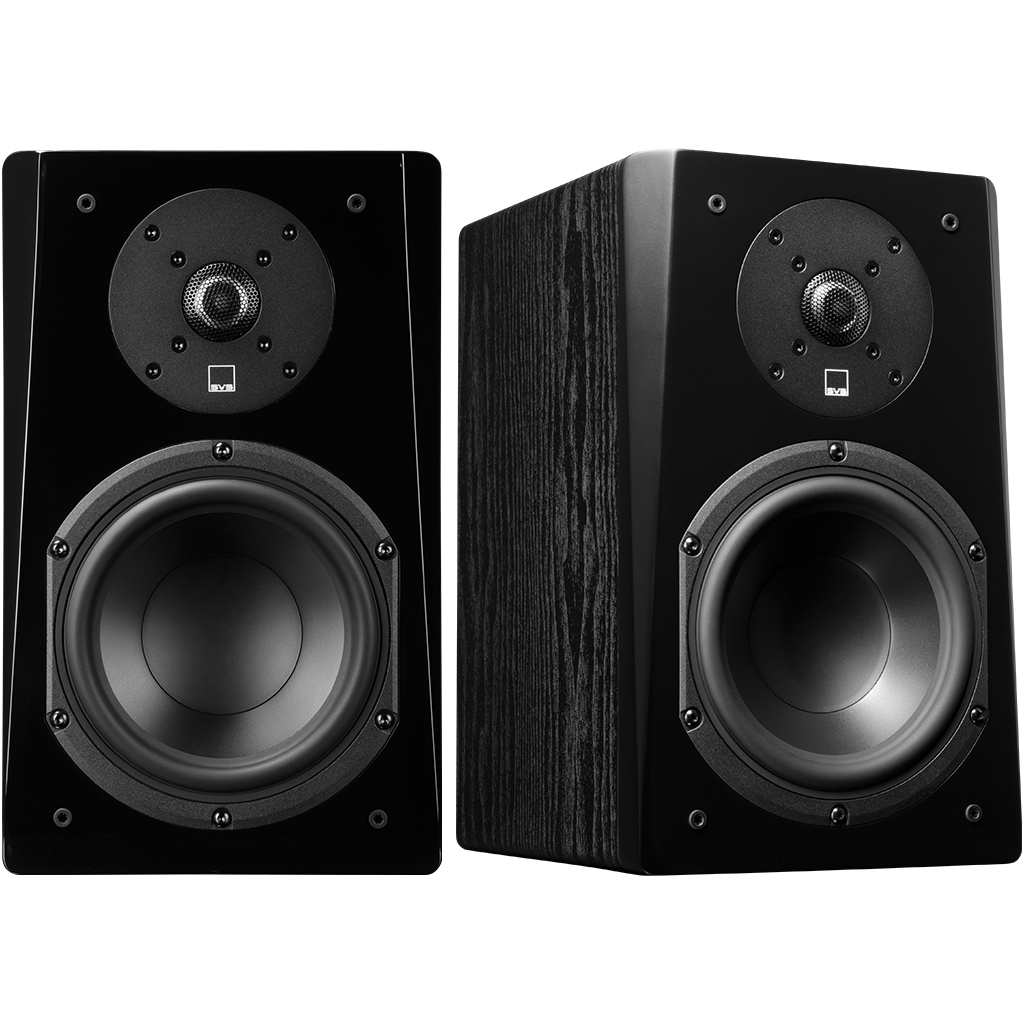
Credit: www.svsound.com
Sound Quality
Sound quality is the heart of a good bookshelf speaker. It shapes your entire listening experience. Great sound brings music and movies to life. It makes every note clear and rich. Poor sound leaves you frustrated and tired.
Bookshelf speakers must deliver balanced, natural audio. They need to handle different music styles well. The sound should fill the room without distortion. Each part of the sound spectrum matters. Treble, midrange, and bass all play a role.
Clarity And Detail
Clarity means every sound is easy to hear. A good speaker shows details in vocals and instruments. You can pick out individual sounds clearly. This adds depth and realism to music. Good clarity avoids muffled or harsh sounds.
Frequency Response
Frequency response measures the range of sounds a speaker can make. It covers low, mid, and high tones. A wide frequency response means the speaker plays all sounds well. Balanced response avoids too much bass or shrill highs. It keeps music natural and pleasant.
Bass Performance
Bass adds power and warmth to audio. Good bass is tight and controlled. It should not overpower other sounds. Even small bookshelf speakers can deliver strong bass. Proper bass makes movies exciting and music full.

Credit: audiointensity.com
Speaker Design
Speaker design plays a big role in how bookshelf speakers perform. It affects sound clarity, bass depth, and overall listening pleasure. Good design balances size, materials, and parts to deliver clear and rich audio in a small package.
Understanding key design elements helps you pick the right speaker for your space and taste. Let’s explore the main factors that shape bookshelf speaker sound and quality.
Driver Configuration
Drivers are the parts that produce sound. A common setup uses two drivers: a woofer and a tweeter. The woofer handles low and mid frequencies. The tweeter handles high frequencies. This setup gives clear and balanced sound.
Some models add a midrange driver for extra detail. The size and quality of drivers affect sound clarity and volume. Good drivers reduce distortion and reproduce sound accurately.
Cabinet Construction
The cabinet holds the drivers and affects sound quality. It should be sturdy to avoid vibrations. Wood or MDF are common materials. They absorb unwanted sound waves inside the speaker.
Shape and thickness also matter. A well-built cabinet reduces sound distortion. It helps deliver cleaner bass and clear highs. Cabinet design can also control how sound spreads in the room.
Ported Vs Sealed Enclosures
Bookshelf speakers come with either ported or sealed enclosures. Ported enclosures have holes or vents. These vents improve bass by letting air move freely. Ported speakers sound bass-heavy and loud.
Sealed enclosures are closed boxes. They offer tighter, more accurate bass. Sealed speakers avoid extra noise from air movement. Choose ported for big bass. Pick sealed for precise and clean sound.
Power Handling
Power handling is a key factor for good bookshelf speakers. It shows how much power the speaker can safely use without damage. This helps you know what kind of amplifier to pair with the speaker. Choosing the right power handling keeps sound clear and prevents speaker harm.
Amplifier Compatibility
Speakers need amplifiers that match their power handling. Too weak an amplifier makes sound weak and dull. Too strong an amplifier can damage the speaker. Check the speaker’s power range and pick an amplifier within that range. This balance creates clear and strong audio without distortion.
Sensitivity Ratings
Sensitivity shows how well speakers turn power into sound. Higher sensitivity means louder sound at lower power. This helps if you use a low-powered amplifier. Speakers with good sensitivity work efficiently and save energy. Look for speakers with sensitivity around 85-90 dB for good performance.
Connectivity Options
Connectivity options are key to a good bookshelf speaker. They decide how you link your devices and how easy it is to use the speaker. Different options fit different needs. Some people prefer wires for clear sound. Others want wireless for freedom and comfort.
Wired Connections
Wired connections give stable sound quality. Common types include RCA, 3.5mm aux, and optical cables. These cables reduce sound delay and interference. Speakers with multiple wired inputs can connect to many devices. A strong wire link suits home theaters and music lovers. It keeps audio crisp and consistent.
Wireless Features
Wireless features add convenience and flexibility. Bluetooth is the most popular wireless option. It lets you stream music from phones or tablets easily. Some speakers also support Wi-Fi for better sound and range. Wireless speakers work well for small rooms and casual listening. They avoid messy cables and offer quick setup.
Size And Placement
Size and placement play a big role in the performance of bookshelf speakers. The right size fits your room well and matches your listening needs. Placement affects how sound travels and fills the space. Small rooms need smaller speakers, while larger rooms can handle bigger ones. Correct placement can improve sound clarity and bass response. Understanding these factors helps you choose and set up speakers that sound great.
Room Compatibility
Choose speaker size based on room size. Small rooms work best with compact speakers. They avoid overwhelming the space with sound. Medium rooms need speakers with moderate power. They fill the space without distortion. Large rooms require bigger speakers for full sound coverage. Think about room shape and furniture too. Hard surfaces reflect sound, soft ones absorb it. Match speakers to your room’s needs for clear audio.
Placement Tips
Place speakers at ear level when seated. Avoid putting them directly on the floor. Use stands or shelves to raise them up. Keep speakers away from walls to reduce bass boom. Leave some space around each speaker. Angle them slightly toward the listening spot. Experiment with distance between speakers for best stereo effect. Proper placement makes sound balanced and natural.

Credit: www.nytimes.com
Build Quality And Materials
Build quality and materials play a big role in the performance of bookshelf speakers. They affect sound clarity, speaker life, and overall experience. Good materials reduce unwanted vibrations and improve audio accuracy. A solid build means the speaker can withstand daily use without damage.
Durability
Durability is essential for bookshelf speakers. High-quality wood or MDF (medium-density fiberboard) cabinets resist warping and cracking. Strong joints and tight seals prevent air leaks, which can distort sound. Durable speakers stay stable on shelves and resist damage from bumps or knocks.
Aesthetic Appeal
Speakers should look good in your room. Materials like real wood veneer or textured finishes add style. Smooth edges and neat craftsmanship show attention to detail. A good design fits well with other furniture and adds to room decor. Beauty and function go hand in hand in a quality speaker.
Value For Money
Value for money is a key factor when choosing a bookshelf speaker. It means getting good sound quality and build without spending too much. A speaker that offers great value can improve your listening experience and last for years. Understanding what affects value helps you make smart choices.
Price Vs Performance
Price and performance must balance well. A cheap speaker might sound weak or break soon. Expensive ones can have clear sound and strong bass. But high price does not always mean best sound. Compare features and read reviews to find speakers with great sound at fair prices. This approach saves money and ensures quality.
Brand Reputation
Trusted brands usually provide reliable bookshelf speakers. They invest in quality parts and testing. Known brands offer better customer support and warranties. New or unknown brands may offer low prices but risk poor sound or durability. Choosing a well-known brand reduces chances of disappointment and adds value to your purchase.
Frequently Asked Questions
What Defines A Good Bookshelf Speaker Quality?
A good bookshelf speaker offers clear, balanced sound with rich bass. It uses quality drivers and materials for durability and performance. Proper design ensures minimal distortion and accurate audio reproduction.
How Important Is Speaker Size For Bookshelf Speakers?
Speaker size affects sound output and bass response. Larger speakers generally produce fuller sound, but compact sizes fit better in small spaces. Balance size with room size for optimal audio experience.
Which Materials Improve Bookshelf Speaker Performance?
High-quality wood or MDF cabinets reduce resonance and vibration. Kevlar or polypropylene drivers enhance sound clarity and durability. Quality materials ensure longevity and better sound quality.
What Role Does Frequency Response Play In Bookshelf Speakers?
Frequency response indicates speaker’s ability to reproduce sound range. A wider range ensures better bass, mid, and treble balance. Look for speakers with at least 50Hz to 20kHz response.
Conclusion
Good bookshelf speakers deliver clear, balanced sound in small spaces. They blend well with your room and fit easily on shelves or desks. Quality drivers and proper design help produce rich bass and crisp highs. Choosing the right size and power matters for your listening needs.
Remember, sound quality and style both play key roles. A well-made bookshelf speaker can brighten your music and movies. Simple care keeps them working well for years. Enjoy great sound without taking up much space.
