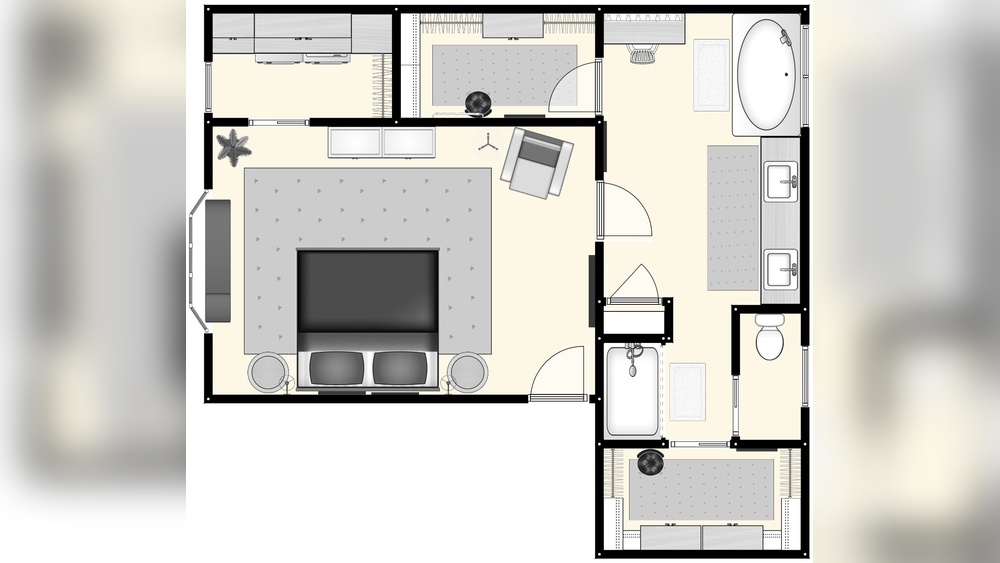
Are you struggling to figure out where to place furniture in your master bedroom? The right arrangement can make your space feel bigger, more relaxing, and perfectly balanced.
Imagine walking into your room and instantly feeling calm and comfortable. That’s exactly what smart furniture placement can do for you. You’ll discover simple tips and tricks to arrange your bed, dresser, and other pieces so your master bedroom becomes your favorite retreat.
Ready to transform your space? Let’s dive in!

Credit: www.matterbrothersfurniture.com
Choosing The Focal Point
Choosing the focal point in a master bedroom sets the tone for the entire space. It guides where to place furniture for balance and comfort. A strong focal point helps the room feel inviting and organized. Focus on elements that naturally draw the eye and create harmony.
Positioning The Bed
The bed often acts as the main focal point in the master bedroom. Place it against the largest wall without windows or doors. This spot offers stability and a clear view of the room. Center the bed to create symmetry and balance. Avoid placing the bed under a window to reduce drafts and light disturbances. Use a headboard to anchor the bed visually. This makes the bed stand out as the room’s centerpiece.
Balancing Windows And Doors
Windows and doors influence furniture placement and the room’s flow. Keep pathways clear for easy movement around the room. Avoid blocking windows to maximize natural light. Position furniture to complement window views without crowding them. Doors should open fully without hitting furniture. Balance furniture on either side of windows or doors for a neat look. This balance enhances the room’s focal point and creates a peaceful atmosphere.
Maximizing Space
Maximizing space in a master bedroom makes it feel larger and more comfortable. Proper furniture placement helps use every inch well. This creates a neat and open environment that invites relaxation.
Utilizing Corners Effectively
Corners often become wasted areas in a bedroom. Placing furniture like a small desk, a reading chair, or a corner shelf uses these spots well. This adds storage or seating without crowding the room. Corner furniture keeps the middle space open and easy to move around.
Creating Clear Pathways
Clear pathways improve flow and safety in the bedroom. Arrange furniture so you can walk easily between the bed, closet, and door. Avoid blocking paths with large pieces. This makes the room feel larger and less cluttered. Simple paths help you move freely and feel calm.
Arranging Storage Solutions
Arranging storage solutions in the master bedroom helps keep the space tidy and functional. Proper placement of storage furniture makes the room feel larger and more inviting. Thoughtful storage arrangement supports daily routines and keeps essentials within reach.
Incorporating Dressers And Wardrobes
Place dressers along walls with enough space to open drawers fully. Avoid blocking windows or doors to maintain good flow. Wardrobes fit best near closets or corners to save room. Choose sizes that fit well without crowding the bed area. Keep frequently used clothes in easy-to-reach spots. Use vertical storage options to maximize floor space.
Using Nightstands Wisely
Nightstands belong beside the bed for quick access to essentials. Choose ones with drawers or shelves to add hidden storage. Keep items like lamps, books, or alarm clocks on top. Avoid clutter by limiting what stays on the surface. Match nightstand size to bed height for comfort. Use both sides of the bed if space allows, for balanced storage.

Credit: www.studio1049.com
Enhancing Comfort And Function
Enhancing comfort and function in a master bedroom is key to creating a relaxing space. Thoughtful furniture placement helps make the room both cozy and useful. This balance improves daily living and rest.
Small changes in layout can open up space and add convenience. Focus on areas that invite relaxation and support your routine.
Adding Seating Areas
Include a small seating area to boost comfort. A chair or loveseat near a window creates a quiet spot to read. Place it away from the bed but close enough to reach easily.
Use soft cushions and a small side table for added function. This makes the space inviting without crowding the room. Seating areas add style and offer a place to relax besides the bed.
Optimizing Lighting Placement
Good lighting improves both comfort and usability. Position lamps where you need light for reading or dressing. Bedside lamps work well for nighttime tasks without harsh overhead light.
Consider soft, warm bulbs to create a calm atmosphere. Use adjustable lights to control brightness. Proper lighting reduces eye strain and enhances the room’s mood.
Styling Tips For Cohesion
Creating a cohesive look in your master bedroom is key to a relaxing space. Styling helps everything feel connected and balanced. It gives your room a clear and calm vibe.
Focus on simple ideas to keep your furniture and decor working well together. Small details make a big difference in how your room feels. Follow these tips to style your bedroom with ease.
Balancing Scale And Proportion
Choose furniture that fits your room’s size. Big beds need space around them to breathe. Avoid overcrowding with too many large pieces. Small furniture can get lost in a big room. Keep a good balance so the room feels open and cozy.
Think about how each piece relates to others. A tall dresser looks better next to a similar-sized chair. Match heights and widths to create harmony. This balance stops the room from looking messy or uneven.
Choosing Complementary Colors And Textures
Select colors that work well together. Soft colors create a calm atmosphere. Use different shades of the same color to add depth. Mix textures like smooth wood and soft fabrics. This adds interest without clutter.
Stay with a simple color palette. Too many colors can make the room feel busy. Use textures to keep the space warm and inviting. This mix helps your bedroom look stylish and peaceful.

Credit: stylebyemilyhenderson.com
Frequently Asked Questions
Where Is The Best Spot For The Master Bedroom Bed?
Place the bed against the longest wall for balance. Avoid positioning it directly in line with the door. This setup enhances flow and creates a focal point in the room.
How To Arrange Furniture For Small Master Bedrooms?
Use multi-functional furniture to save space. Keep pathways clear for easy movement. Place larger pieces against walls to open up the center area.
Should Furniture Face The Bedroom Door?
Yes, furniture facing the door promotes positive energy and security. It helps create a welcoming and balanced atmosphere in the master bedroom.
Where To Place Nightstands In A Master Bedroom?
Position nightstands on either side of the bed. This provides convenient storage and symmetry, enhancing both function and style.
Conclusion
Placing furniture well makes your bedroom feel calm and neat. Keep space around the bed for easy movement. Balance big pieces with smaller ones for a cozy look. Use walls wisely to save room and add style. Think about light and windows when arranging items.
A good layout helps you relax and sleep better. Try different setups until the room feels just right. Small changes can make a big difference. Your bedroom should be a peaceful place to rest and enjoy.

