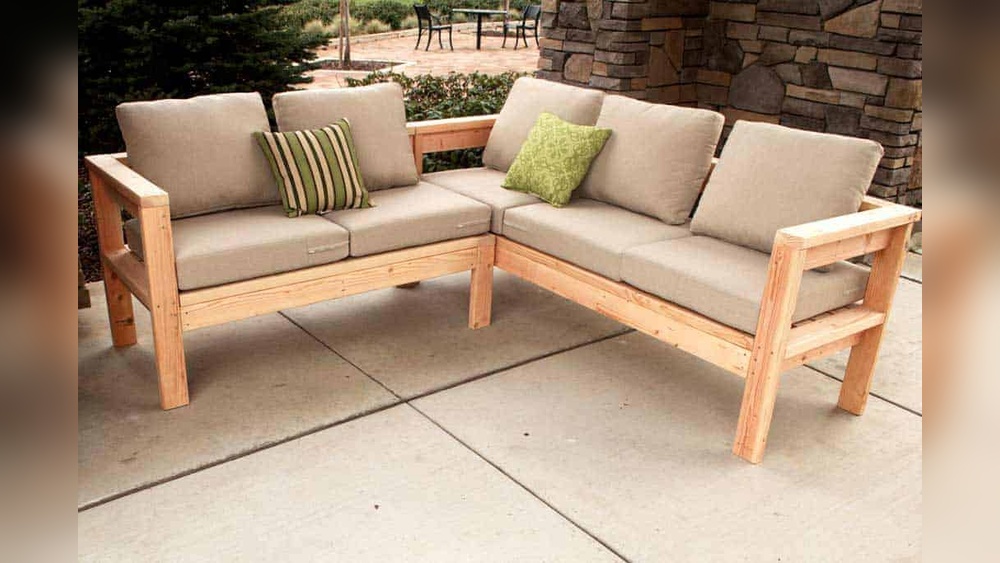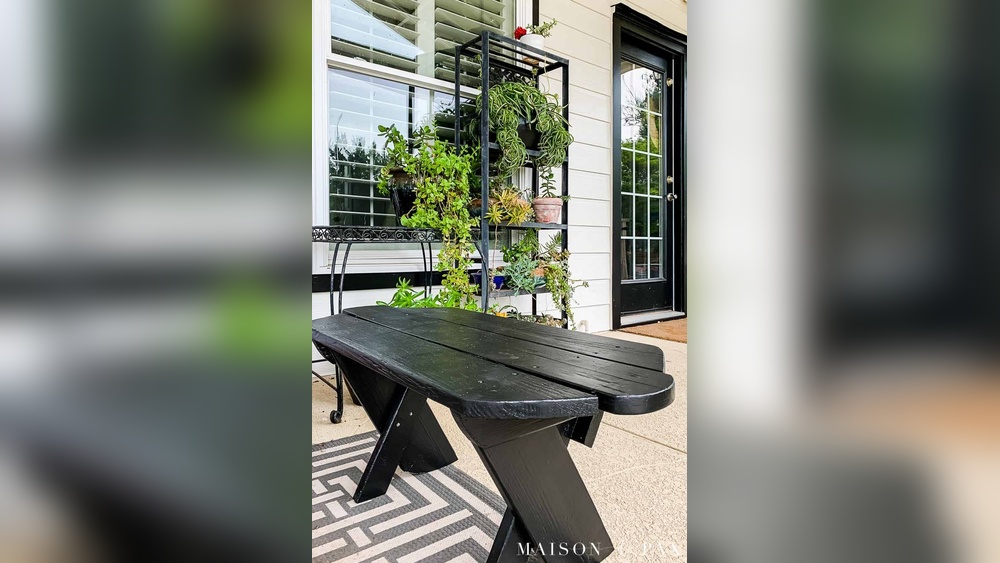
Are you worried about your beautiful wood furniture surviving the harsh winter months? You’ve probably asked yourself if outdoor furniture covers can really protect your wooden pieces from snow, ice, and freezing temperatures.
Keeping your furniture safe isn’t just about looks—it’s about saving money and preserving memories. You’ll discover how covers work, what to look for, and simple tips to make sure your wood furniture stays strong and beautiful until spring. Keep reading to find out how to protect your investment and enjoy your outdoor space year after year.
Winter Challenges For Wood Furniture
Wood furniture faces many problems during winter months. Cold weather, moisture, and sun can damage its surface. Protecting wood requires knowing these winter challenges well.
Wood is a natural material. It reacts to changes in temperature and moisture. These changes can cause cracks, warping, and fading. Understanding these effects helps in choosing the right protection.
Effects Of Moisture And Snow
Moisture from rain and snow soaks into wood. Wet wood swells and can rot over time. Snow melting and refreezing worsen this damage. Moisture also causes mold and mildew on wood surfaces.
Impact Of Freezing Temperatures
Freezing cold makes wood fibers shrink. This causes cracks and splits in the furniture. Repeated freeze-thaw cycles increase wood damage. Cold also weakens the wood’s strength and durability.
Risks Of Sunlight And Uv Rays
Winter sun still emits UV rays. These rays fade wood color and dry out the surface. Sunlight causes wood to become brittle and lose shine. Protecting wood from UV damage is important year-round.

Credit: fj-outdoors.com
Benefits Of Using Outdoor Furniture Covers
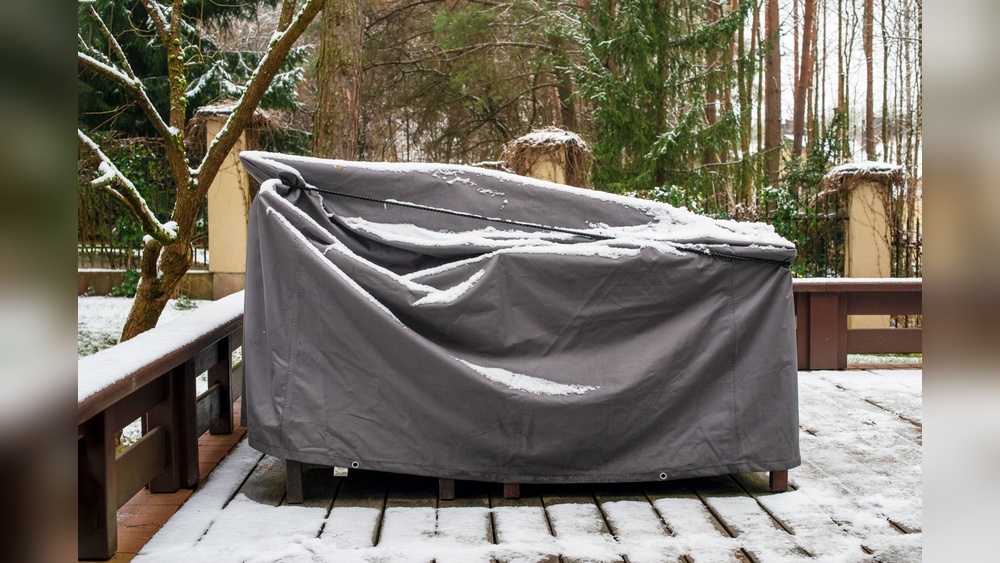
Using outdoor furniture covers offers many benefits for protecting wood furniture in winter. Covers create a barrier that shields the wood from harsh weather. This protection helps keep furniture looking good and lasting longer. Covers also reduce the need for repairs and refinishing. Investing in good covers saves time and money over the years.
These covers are designed to fit tightly and keep out water and dirt. They block harmful sun rays and reduce damage from temperature changes. Covers help maintain the furniture’s natural beauty through tough winter months.
Shielding Against Moisture
Moisture can cause wood to swell and crack. Rain, snow, and ice soak into unprotected wood. Covers stop water from reaching the surface. This keeps wood dry and prevents rot or mold growth. A dry environment is crucial for wood to stay strong and healthy.
Protecting From Temperature Fluctuations
Wood expands and contracts with temperature changes. These shifts can create small cracks and weaken joints. Covers help by keeping the temperature around the furniture stable. They reduce the rapid heating and cooling that damages wood. This protection keeps furniture sturdy and intact.
Preventing Uv Damage And Fading
Sunlight causes wood color to fade and lose its shine. UV rays break down the wood fibers over time. Covers block most UV rays and prevent fading. This helps the furniture keep its rich, natural look. Protecting wood from sunlight also slows aging and wear.
Choosing The Right Cover Material
Choosing the right cover material is key to protecting wood furniture during winter. The material decides how well the furniture stays safe from rain, snow, and cold. It also affects the furniture’s lifespan and appearance. Picking the right cover keeps wood dry and prevents damage.
Waterproof Vs. Water-resistant Covers
Waterproof covers block all water from reaching the wood. They keep snow and rain off completely. Water-resistant covers stop some water but let small amounts through. Waterproof covers offer stronger protection but may trap moisture inside. Water-resistant covers allow some breathability but less protection from heavy rain.
Breathable Fabrics To Avoid Mold
Breathable fabrics let air flow under the cover. This stops moisture buildup and mold growth. Covers made from breathable material keep wood dry and healthy. Avoid covers that trap moisture. Mold and mildew can damage wood and cause stains.
Durability And Weather Resistance
Durable covers last longer in harsh winter weather. Look for covers with strong seams and thick fabric. Weather-resistant covers handle wind, snow, and sun without tearing. A tough cover protects wood furniture all winter long. Choose covers that resist fading and wear for best results.
:max_bytes(150000):strip_icc()/spr-otk-fj-outdoor-patio-furniture-covers-waterproof-uv-resistant-anti-fading-cover-x-large-round-table-chairs-set-dburreson-13-d5f0f236a2d34497bb8f72b8b5fd51bc.jpeg)
Credit: www.thespruce.com
Proper Covering Techniques
Proper covering techniques help protect wood furniture during winter. Covers shield furniture from snow, rain, and frost. Yet, correct methods prevent damage like mold or warping. Follow these steps to keep wood furniture safe and dry.
Cleaning Furniture Before Covering
Clean wood furniture before covering it. Remove dirt, dust, and debris. Use a soft brush or cloth. Mild soap and water work well. Let the furniture dry completely. Moisture trapped under covers causes mold and rot.
Ensuring Secure Fit And Ventilation
Choose covers that fit snugly. Loose covers let wind blow debris inside. Tight covers stop water from pooling. Allow space for air to flow. Ventilation reduces moisture buildup and mildew. Use covers with air vents or breathable fabric.
Avoiding Trapped Moisture
Never cover damp furniture. Trapped moisture leads to wood swelling and decay. Remove covers after heavy rain or snow melts. Prop covers slightly off the surface for airflow. Use moisture absorbers under covers for extra protection.
Additional Tips To Protect Wood Furniture
Protecting wood furniture during winter goes beyond just using covers. Extra care helps keep the wood strong and beautiful. Simple steps can stop water, cold, and dirt from causing damage. These tips add layers of defense for your outdoor wood pieces.
Applying Protective Finishes
Use a good protective finish on your wood furniture. Finishes like varnish or sealant block moisture from entering the wood. They create a shield against rain, snow, and ice. Apply the finish before winter begins. This step helps prevent cracks and warping.
Elevating Furniture Off The Ground
Keep furniture raised above the ground. Use blocks or furniture risers to lift it slightly. This stops water from pooling at the base. Elevating also helps air flow under the furniture. It reduces the chance of mold and rot forming.
Regular Inspections During Winter
Check your wood furniture often throughout winter. Look for signs of damage, such as cracks or peeling finish. Remove snow or ice buildup gently. Early fixes can prevent bigger problems later. Regular care keeps your furniture in good shape.
Credit: www.familyhandyman.com
Frequently Asked Questions
Will Outdoor Furniture Covers Prevent Wood Rot In Winter?
Yes, quality outdoor covers shield wood from moisture and snow. This reduces wood rot risks by keeping it dry and protected during winter months.
Are Outdoor Covers Effective Against Frost Damage On Wood Furniture?
Outdoor covers help prevent frost damage by insulating wood surfaces. They block cold air and moisture, preserving wood integrity through freezing temperatures.
What Material Is Best For Winter Wood Furniture Covers?
Waterproof, breathable fabrics like polyester or canvas are ideal. They repel water while allowing air circulation, preventing mold and wood decay in winter.
How Often Should I Check Wood Furniture Under Covers?
Inspect wood furniture monthly to ensure covers remain secure. Check for moisture buildup or damage to maintain wood health throughout winter.
Conclusion
Outdoor furniture covers help protect wood from snow and rain. They keep moisture away and reduce damage risks. Still, covers must fit well and be made for outdoor use. Regular cleaning and drying of furniture also matter. Covers do not fix all problems but add a strong layer of protection.
Taking simple steps can keep wood furniture safe through winter. Stay careful, and your furniture will last longer and look better.