Are you tired of finding your outdoor furniture cushions chewed up by pesky mice and rats? It’s frustrating to see your favorite seating area damaged just when you want to relax outside.
You don’t have to keep replacing those cushions or live with the mess. You’ll discover simple and effective ways to protect your outdoor cushions from these unwanted guests. Keep reading to learn how to keep your outdoor space comfortable, clean, and rodent-free all year round.
Common Signs Of Rodent Damage
Rodents cause damage that is often easy to spot. Early signs help protect your outdoor furniture cushions. Knowing these signs saves money and keeps your space clean. Watch for clues that indicate mice or rats are nearby.
Identifying Chew Marks
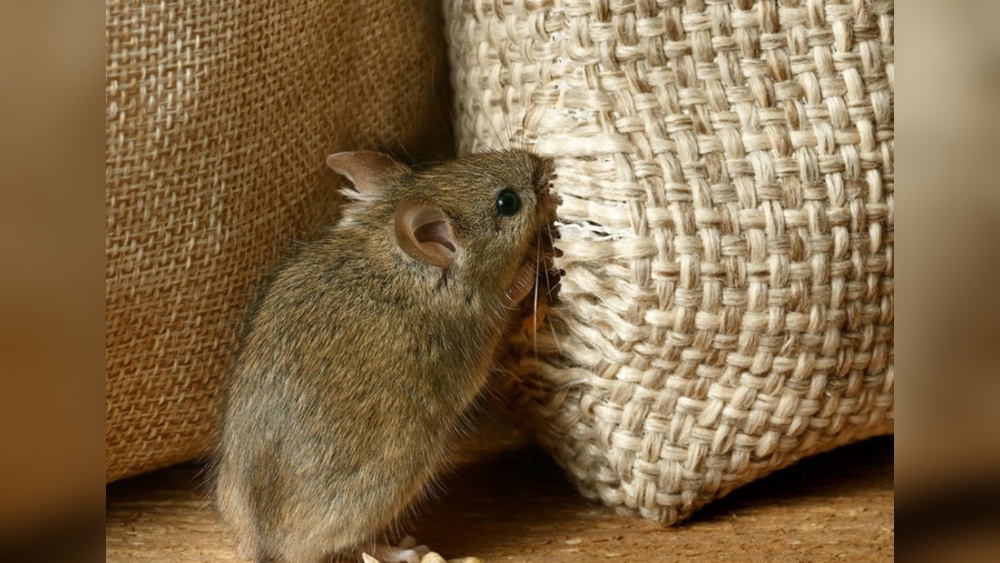
Rodents chew to keep their teeth sharp. Look for small, rough edges on cushions or fabric. The marks are uneven and jagged. You may see holes or shredded stuffing inside cushions. Fresh chew marks look lighter than old damage. This shows recent rodent activity near your furniture.
Spotting Droppings And Nests
Rodent droppings are small and dark. They often gather near cushions or under furniture. Droppings look like tiny pellets. Nests may contain shredded fabric or paper. Rodents use cushions’ soft material to build warm nests. Finding nests close to cushions means rodents live nearby.

Credit: thanhcongcraft.com
Why Mice And Rats Target Cushions
Mice and rats often target outdoor furniture cushions for several clear reasons. These small pests seek out materials that meet their basic needs. Cushions provide both comfort and safety for these rodents. Understanding why they are attracted helps protect your outdoor spaces. Here is a closer look at their behavior.
Attraction To Soft Materials
Soft cushions offer a perfect texture for mice and rats. They love chewing on fabrics and foam. These materials help them sharpen their teeth. Cushions also provide easy access to nesting fibers. The softness makes cushions an inviting choice for these pests.
Shelter And Nesting Needs
Mice and rats need safe places to hide and build nests. Outdoor cushions provide a warm, dry shelter. They can easily burrow inside the cushions’ stuffing. This space protects them from predators and harsh weather. Cushions create a cozy home for their families.
Preventive Measures For Outdoor Cushions
Protecting outdoor cushions from mice and rats is key to keeping your patio furniture in good shape. These pests can chew through fabric and stuffing, causing damage that is costly to fix. Taking simple steps to prevent rodents from reaching your cushions saves time and money.
Preventive measures help stop mice and rats before they cause harm. A few smart habits make a big difference. Keep cushions safe and enjoy your outdoor space without worry.
Storing Cushions Properly
Store cushions in a dry, sealed container. Avoid leaving them on the ground or near walls. Rodents like dark, quiet places close to food sources. Using plastic bins with tight lids keeps pests out. Bring cushions indoors during cold months to reduce risk. Clean storage areas regularly to remove crumbs and debris.
Using Protective Covers
Protective covers act as a barrier between cushions and pests. Choose covers made from thick, durable fabric. Covers with zippers or Velcro close tightly and prevent entry. Waterproof covers also keep moisture away, stopping mold and mildew. Remove and clean covers often to avoid attracting rodents.
Applying Natural Repellents
Natural repellents keep mice and rats away without chemicals. Peppermint oil is a popular choice; rodents dislike its strong smell. Soak cotton balls and place them near cushions and storage areas. Other options include cloves and vinegar sprays. Refresh repellents regularly to maintain their power. These safe solutions protect cushions without harming pets or plants.

Credit: www.ovios-home.com
Deterring Rodents From Outdoor Areas
Keeping rodents away from outdoor furniture cushions protects your investment. Rodents cause damage by chewing and nesting in cushions. Deterring them needs practical steps around your outdoor space. Focus on clean areas, no food left out, and physical blocks. These actions reduce rodent visits and cushion damage.
Maintaining Clean Surroundings
Clear fallen leaves, dirt, and debris regularly. Rodents hide in clutter and mess. Keep grass trimmed near furniture. Clean outdoor cushions to remove smells. Remove piles of wood or stored items close to seating. A tidy space is less inviting for rodents.
Removing Food Sources
Do not leave food or crumbs on furniture. Store pet food indoors or sealed containers. Avoid feeding birds near cushions. Empty trash bins often and use sealed lids. No food means no reason for rodents to stay near.
Setting Up Physical Barriers
Place metal or plastic covers under furniture legs. Use mesh screens around cushions or storage boxes. Seal gaps or holes in nearby walls or fences. Rodents cannot chew through hard materials. Barriers create tough access points for rodents.
Safe Rodent Control Options
Keeping mice and rats away from outdoor furniture cushions is important. Using safe rodent control options helps protect your family and pets. These methods avoid harmful chemicals and keep your outdoor space healthy. Here are some effective and safe ways to control rodents around your cushions.
Non-toxic Traps And Baits
Non-toxic traps catch rodents without poisons. They include snap traps and catch-and-release traps. These traps avoid using harmful chemicals. You can place them near cushions or common rodent paths. Check traps often to remove caught rodents quickly. Baits made from natural ingredients can also lure rodents safely. Always follow product instructions for best results.
Ultrasonic Repellents
Ultrasonic repellents send high-frequency sounds that rodents dislike. These sounds are safe for humans and pets. Place devices near outdoor furniture cushions to keep rodents away. They work best in small to medium outdoor areas. Some repellents have lights or vibrations to increase effectiveness. Regular use can reduce rodent visits without chemicals.
Professional Pest Services
Professional pest services offer safe and effective rodent control. Experts use eco-friendly methods tailored to your home. They identify entry points and seal them to prevent rodents. Professionals also remove rodents safely and clean affected areas. Hiring experts saves time and ensures long-term protection. Choose licensed services with good reviews for the best care.
Credit: www.patioproductions.com
Routine Maintenance Tips
Routine maintenance helps protect outdoor cushions from mice and rats. Simple steps keep your furniture safe. Regular care prevents damage and keeps cushions fresh. Follow these easy tips to avoid unwanted pests.
Regular Inspection Of Furniture
Check cushions and furniture often for signs of mice or rats. Look for small holes, droppings, or chew marks. Early detection stops bigger problems later. Inspect under cushions and inside crevices carefully. Spotting issues fast helps you act quickly.
Cleaning And Drying Cushions
Clean cushions regularly to remove food crumbs or dirt. Use mild soap and water for washing. Let cushions dry fully before putting them back. Damp cushions attract rodents and mold. Dry cushions stay fresh and less inviting to pests.
Seasonal Storage Strategies
Store cushions in sealed containers during off-season months. Use plastic bins or waterproof bags for protection. Keep storage areas clean and dry to avoid rodents. Elevate containers off the ground if possible. Proper storage reduces chances of mice damage.
Frequently Asked Questions
How Can I Protect Cushions From Mice And Rats Outdoors?
Use tight-fitting covers and store cushions in sealed bins. Regularly clean the area to remove food crumbs and nesting materials. Applying natural repellents like peppermint oil also deters rodents effectively.
What Natural Repellents Keep Rodents Off Outdoor Cushions?
Peppermint oil, cedarwood, and vinegar sprays are natural rodent repellents. These scents irritate mice and rats, making your cushions less attractive. Reapply regularly for best results, especially after rain.
Are There Specific Storage Tips To Prevent Rodent Damage?
Store cushions in airtight, rodent-proof containers or plastic bins. Keep them elevated off the ground and away from walls. This reduces rodent access and limits moisture, which attracts pests.
Can Traps Help Prevent Rodents From Damaging Cushions?
Yes, using traps around outdoor furniture areas can reduce rodents. Place traps along walls and near cushions but avoid direct contact with the cushions. Regularly check and reset traps for effectiveness.
Conclusion
Keeping mice and rats away from outdoor cushions takes small, smart steps. Store cushions in sealed containers or indoors when not in use. Use natural repellents like peppermint oil or cedar chips. Regularly clean the area to remove food crumbs and hiding spots.
Check cushions often for signs of pests. These simple actions help protect your furniture and keep your outdoor space comfortable. Stay consistent and your cushions will stay safe from rodents all year round.