
Choosing the right wood for your outdoor furniture can make all the difference in comfort, style, and how long it lasts. You might be wondering which is better for your backyard—pine, cypress, or cedar?
Each wood has its own unique qualities that affect durability, appearance, and maintenance. By the end of this article, you’ll know exactly which one fits your needs and your outdoor space perfectly. Let’s dive into the details so you can make the best choice for your furniture and enjoy your outdoor moments without worry.

Credit: www.amazon.com
Pine Furniture Traits
Pine furniture is a popular choice for outdoor settings. It offers a warm, natural look that fits many styles. Understanding its traits helps you decide if pine suits your outdoor needs. Pine is softer than some woods but still has many benefits. Let’s explore its main features.
Durability And Strength
Pine is a softwood, so it is less strong than hardwoods. It can dent and scratch more easily. But pine furniture can hold up well with proper care. It works best in areas without heavy impact or rough use. For light outdoor use, pine offers good strength and comfort.
Resistance To Elements
Pine is not naturally resistant to water or insects. It can absorb moisture, causing swelling or warping. Untreated pine may rot faster in wet conditions. Applying sealants or paint improves its resistance. Regular treatment helps pine last longer outdoors.
Maintenance Needs
Pine furniture needs regular upkeep to stay in good shape. Sanding, painting, or staining protects the wood. Check for cracks or damage often. Reapply sealants yearly to prevent moisture damage. Maintenance keeps pine looking fresh and strong for years.
Cost And Availability
Pine is widely available and affordable compared to cedar or cypress. It suits many budgets and styles. Pine furniture offers good value for outdoor use. Its low cost makes it easy to replace or refresh if needed.
Cypress Furniture Traits
Cypress wood is a popular choice for outdoor furniture. It stands out for its unique natural properties. These traits make it a smart pick for patios and gardens. Understanding these traits helps you choose the right wood.
Cypress blends durability with beauty. It resists damage from weather well. This wood lasts long and looks great over time.
Natural Oils And Decay Resistance
Cypress contains natural oils that protect it. These oils help stop decay and insect damage. This means cypress furniture resists rotting better than many woods. It can stay outside without needing heavy treatments. The oils act like a natural shield.
Longevity Outdoors
Cypress is known for lasting many years outdoors. It handles rain, sun, and wind without cracking. The wood does not warp easily. This makes it reliable for outdoor settings. With minimal care, cypress furniture can last decades.
Appearance And Texture
Cypress wood has a warm, light color. It often shows attractive grain patterns. The texture is smooth but firm to the touch. Over time, it may develop a soft silver-gray patina. This look adds charm to outdoor spaces.
Price Considerations
Cypress furniture usually costs less than cedar but more than pine. It offers good value for its durability. The price fits well for quality outdoor pieces. Choosing cypress balances cost with long-lasting performance.
Cedar Furniture Traits
Cedar furniture offers unique traits that make it a favorite for outdoor use. Its natural features give it strength and beauty. This wood type stands out among pine and cypress for several reasons. Understanding cedar’s qualities helps you choose the best outdoor furniture.
Aromatic Qualities
Cedar wood has a fresh, pleasant smell. This aroma comes from natural oils inside the wood. The scent can keep outdoor spaces smelling nice. It also creates a calm and relaxing atmosphere. This natural fragrance lasts for many years.
Weather Resistance
Cedar handles sun, rain, and snow very well. It does not crack or warp easily. The wood’s natural oils protect it from moisture damage. This quality helps cedar furniture last longer outdoors. It stays strong even in harsh weather.
Pest Repellent Properties
Cedar naturally repels insects like moths and termites. Its oils act as a barrier against pests. This means less damage to your furniture over time. You spend less on pest control or repairs. Cedar keeps bugs away without chemicals.
Maintenance And Care
Cedar furniture needs simple care to stay beautiful. Clean it with mild soap and water regularly. Apply a light coat of oil or sealant once a year. This helps protect the wood and enhance its color. Cedar’s natural durability means less work for you.
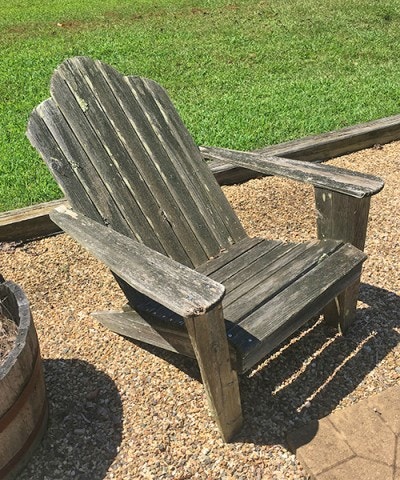
Credit: www.rockler.com
Comparing Durability
Durability is key when choosing outdoor furniture wood. Pine, cypress, and cedar each offer unique strengths. Understanding their durability helps pick the best fit for your outdoor space. This section compares how each wood handles moisture, sun, and daily wear.
Resistance To Moisture
Cedar has natural oils that resist water and rot well. Cypress also contains natural resins that protect it from moisture. Pine lacks these oils, so it absorbs water more easily. Pine furniture needs extra treatment to avoid warping and decay. Cedar and cypress require less maintenance in wet conditions.
Impact Of Sun Exposure
Sunlight can fade and dry out wood over time. Cedar handles sun exposure better due to its tight grain and oils. Cypress resists sun damage but may lighten in color. Pine fades quickly and can crack without protection. Regular sealing helps pine last longer under the sun.
Handling Wear And Tear
Cedar is soft but durable, resisting dents and scratches well. Cypress is harder and stands up to rough use. Pine is softer and shows damage more easily. For heavy use, cypress offers better strength. Cedar balances beauty and durability for gentle daily use.
Aesthetic Appeal
Choosing the right wood for outdoor furniture depends a lot on how it looks. Aesthetic appeal matters for a beautiful garden or patio. Pine, cypress, and cedar each have unique visual traits. These traits affect how the furniture fits with your outdoor space. This section explores their color, grain, aging, and customization options.
Color And Grain Patterns
Pine has a light color with a straight, simple grain. It looks clean and bright in sunlight. Cypress shows warm yellow to light brown tones. Its grain is more varied and can have interesting streaks. Cedar offers rich reddish-brown hues. Its grain is fine and smooth, adding elegance. Each wood’s pattern changes the furniture’s style and feel.
Aging And Patina
Outdoor wood changes color over time. Pine tends to fade to a soft gray without much texture. Cypress develops a soft, silvery patina that many find charming. Cedar ages into a deep, warm gray while keeping some natural oils. These oils help protect the wood and keep it looking good longer. Aging adds character to outdoor pieces.
Customization Options
All three woods accept paint and stain well. Pine takes paint easily because of its smooth surface. Cypress holds stains nicely, showing off its grain patterns. Cedar is great for natural finishes and oils that enhance its color. You can create many looks by choosing finishes. Customization lets you match your style and outdoor decor.
Cost And Value
Choosing the right wood for outdoor furniture depends a lot on cost and value. You want something affordable but lasting. Pine, cypress, and cedar each have different price points and benefits. Knowing these helps you make a smart buy. Let’s explore their costs and what value they offer over time.
Initial Investment
Pine is usually the cheapest wood to buy. It is easy to find and grow fast. Cypress costs more than pine but less than cedar. Cedar is the most expensive of the three. Its natural oils make it resist decay well. This adds to the price but also to the quality.
Long-term Savings
Cedar lasts the longest outdoors without much care. This saves money on repairs or replacements. Cypress also resists rot but may need some treatment. Pine needs frequent sealing or painting to stay strong. Over time, pine might cost more due to upkeep. Cedar’s durability often balances its higher price.
Availability In Market
Pine is widely available in many stores. It is easy to find in different sizes and shapes. Cypress is less common but still found in most garden shops. Cedar is available but can be limited in some areas. Prices may vary by location and season for all three woods.
Environmental Impact
Choosing outdoor furniture means thinking about the environment. Wood types like pine, cypress, and cedar affect nature differently. Knowing their impact helps you make a better choice for the planet.
Sustainability Of Wood Sources
Pine grows fast and is easy to find. This makes it a more sustainable option.
Cypress trees grow slower but are often harvested from managed forests. This helps protect ecosystems.
Cedar is slower growing and less common. Some cedar comes from protected areas, so check the source.
Eco-friendly Treatments
Outdoor wood needs protection from weather and bugs. Some treatments use chemicals harmful to nature.
Pine often needs stronger chemical treatments due to its softness.
Cypress and cedar have natural oils that resist decay. They usually need fewer chemicals.
Recyclability And Disposal
Wood furniture can be recycled or composted if untreated.
Cedar and cypress break down naturally and enrich soil.
Pine treated with chemicals may need special disposal to avoid pollution.
Best Uses For Each Wood
Choosing the right wood for outdoor furniture depends on how and where you want to use it. Each wood type—pine, cypress, and cedar—has unique qualities. These qualities make each one better for certain uses. Understanding these differences helps pick the best wood for your needs.
Ideal Outdoor Furniture Types
Pine works well for painted furniture. Its smooth surface holds paint nicely. Cypress is strong and good for heavy-use items like benches and tables. Cedar is naturally beautiful and perfect for decorative pieces like chairs and porch swings.
Climate Suitability
Cedar handles wet and humid climates well. It resists rot and insects naturally. Cypress also resists moisture but suits milder climates best. Pine needs a dry climate or regular treatment to avoid damage from moisture.
Maintenance Frequency
Pine requires frequent sealing or painting to stay protected. Cypress needs less maintenance but benefits from occasional sealing. Cedar requires the least care and can last years with minimal upkeep.
Tips For Longevity
Taking care of outdoor furniture made from pine, cypress, or cedar helps it last longer. These woods face sun, rain, and insects outside. Simple tips can keep your furniture strong and looking good for years. Follow easy steps to protect the wood and keep it clean.
Good care means less damage and more enjoyment from your outdoor pieces.
Protective Finishes
Use sealants or varnishes to protect the wood surface. These finishes stop water from soaking in. They also block harmful sun rays that cause fading. Choose finishes made for outdoor use. Reapply every year or after heavy rain for best results.
Storage And Covering
Cover your furniture with waterproof covers when not in use. This keeps rain and dirt away. Store furniture indoors during winter or long bad weather. Dry places stop wood from swelling and cracking. Proper storage adds years to your furniture’s life.
Routine Cleaning
Clean your furniture regularly to remove dirt and mold. Use a soft brush and mild soap with water. Avoid harsh chemicals that damage the wood finish. Rinse well and let the furniture dry in the sun. Clean surfaces stay smooth and look fresh longer.

Credit: theporchswingcompany.com
Frequently Asked Questions
Which Wood Lasts Longest For Outdoor Furniture?
Cedar generally lasts longest outdoors due to its natural oils that resist rot. Pine and cypress are durable but need more maintenance to prevent decay and insect damage.
Is Pine Or Cypress Better For Weather Resistance?
Cypress offers better weather resistance than pine. Its natural oils protect it from moisture and insects, making it more suitable for outdoor use.
How Does Cedar Furniture Handle Outdoor Conditions?
Cedar handles outdoor conditions well thanks to its natural oils and tight grain. It resists rot, insects, and warping, making it ideal for outdoor furniture.
What Maintenance Does Pine Outdoor Furniture Need?
Pine requires regular sealing or painting to protect it from moisture and insects. Without maintenance, it can warp, crack, or rot over time.
Conclusion
Choosing between pine, cypress, and cedar depends on your needs. Pine is affordable and easy to find. Cypress resists water and insects well. Cedar smells nice and lasts a long time. Each wood offers good outdoor use. Think about your budget and climate.
Also, consider how much care you want to give. All three woods can make great furniture. The best choice fits your style and space. Now, you know the basics to decide smartly.

