
Are you tired of paying high prices for outdoor furniture cushions that don’t quite fit your style or comfort needs? What if you could create your own cushions at home, tailored perfectly to your space and taste?
Making outdoor furniture cushions yourself is easier than you think, and it gives you full control over the materials, colors, and size. Imagine relaxing on cushions you crafted with your own hands, knowing they are both durable and stylish. Keep reading, and you’ll discover simple steps to make your outdoor seating more inviting and comfortable—without breaking the bank.
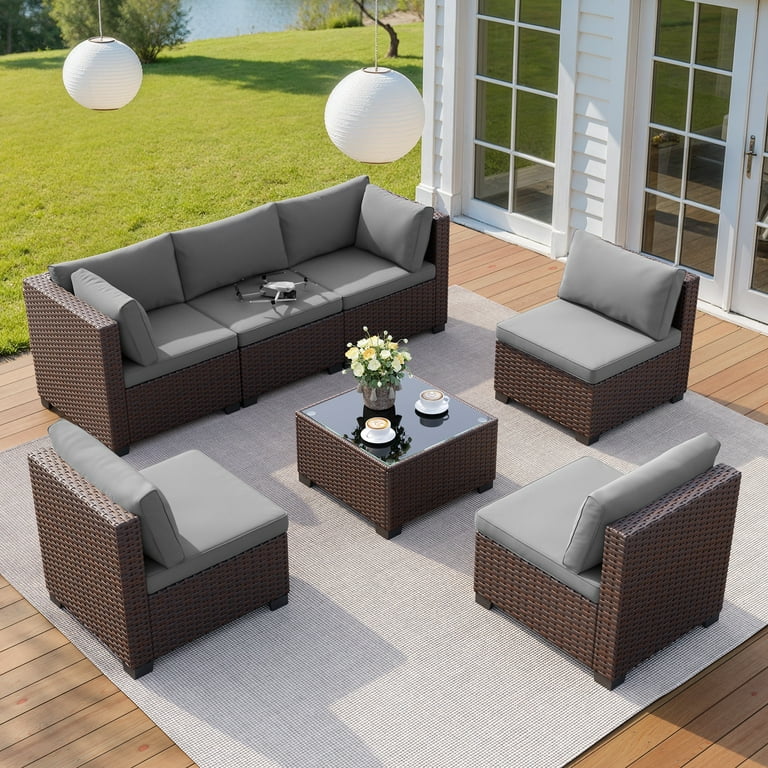
Credit: www.walmart.com
Choosing The Right Materials
Choosing the right materials is the first step to making comfortable and long-lasting outdoor furniture cushions. Materials must stand up to weather and use. Picking good fabric, foam, and tools helps create cushions that look great and feel cozy. This section guides you through selecting the best materials.
Selecting Outdoor Fabric
Outdoor fabric must resist water, sun, and dirt. Look for fabrics labeled as waterproof or water-resistant. Acrylic and polyester fabrics work well outside. They dry fast and do not fade quickly. Choose colors and patterns that match your furniture style. Strong fabric keeps cushions looking fresh for a long time.
Picking The Perfect Foam
Foam gives cushions their comfort and shape. Use foam designed for outdoor use. It drains water quickly and dries fast. High-density foam holds its shape better than low-density foam. A thickness of two to four inches is ideal for most chairs. Good foam keeps your cushions soft and supportive.
Essential Tools And Supplies
Gather the right tools before starting. You need sharp fabric scissors to cut materials cleanly. A sewing machine speeds up stitching and makes strong seams. Use heavy-duty thread that resists outdoor wear. Measuring tape ensures accurate cuts. Also, consider zippers or Velcro for removable cushion covers. These tools make cushion-making easier and neat.
Measuring And Cutting Fabric
Measuring and cutting fabric correctly is the first step in making outdoor furniture cushions. It ensures your cushions fit perfectly and look neat. Taking time here saves effort later. You avoid wasting fabric or making cushions that are too big or small.
Precise measuring helps you create cushions that match your furniture’s shape. Cutting fabric carefully keeps the edges clean and ready for sewing. Follow simple steps to get this right.
Taking Accurate Measurements
Start by measuring your furniture seat or back. Use a soft tape measure for best results. Measure width, depth, and thickness. Write down each number clearly.
Measure twice to avoid mistakes. Add about one inch to each side. This extra fabric allows for sewing seams. Double-check all measurements before cutting.
Cutting Fabric For Cushions
Spread your fabric flat on a clean surface. Use sharp scissors or a rotary cutter for smooth edges. Pin a paper pattern or mark measurements directly on fabric.
Cut slowly and steadily along the marks. Keep the fabric steady to avoid uneven cuts. Cut all cushion pieces, front and back, matching your measurements.
Keep scraps for patching or testing stitches. Neat cutting makes sewing easier and cushions more comfortable.
Sewing The Cushion Covers
Sewing the cushion covers is a key step in making outdoor furniture cushions at home. It gives your cushions a neat and custom look. You can choose fabric that matches your outdoor decor. Sewing your own covers also allows easy removal for washing.
Start with simple sewing techniques. They help create strong and clean seams. Adding zippers or Velcro makes your covers easy to remove. Both methods keep the cushion secure and tidy.
Basic Sewing Techniques
Cut fabric pieces according to cushion size. Leave extra fabric for seams, about one inch. Pin pieces together, matching edges carefully. Use a straight stitch for strong seams. Sew slowly to keep stitches even. Backstitch at the start and end to secure. Trim excess threads for a clean look.
Press seams flat with an iron. This step makes your cover look professional. Turn the cover inside out after sewing. Check the fit by placing it on the cushion.
Adding Zippers Or Velcro
Zippers let you remove covers quickly. Choose a zipper length matching the cushion side. Pin the zipper along the fabric edge. Sew slowly to avoid puckering. Test the zipper to ensure smooth opening and closing.
Velcro is easier to sew and use. Cut strips to fit the cushion edge. Sew one side of Velcro on the fabric. Attach the matching side on the other piece. Press firmly to secure the Velcro strips. Velcro works well for small or soft cushions.
Preparing The Cushion Inserts
Preparing the cushion inserts is an important step in making outdoor furniture cushions at home. Good inserts make cushions comfortable and long-lasting. Choosing the right foam and cutting it properly ensures a perfect fit for your cushion covers. Adding extra layers can increase comfort and support. Follow simple steps to get the best results.
Cutting Foam To Size
Measure your cushion cover carefully. Use a ruler and write down the dimensions. Select foam that matches these measurements. A sharp knife or electric cutter works best for clean edges. Cut slowly and steadily to avoid uneven shapes. Trim any excess foam to fit snugly inside the cover. Perfectly cut foam keeps cushions looking neat and neat.
Layering For Extra Comfort
Layering foam adds softness and support. Use a base layer of firm foam for strength. Add a top layer of softer foam for comfort. You can also add batting for extra plushness. Cut each layer to the same size for a smooth finish. Glue or sew layers together to keep them in place. Layered inserts make your cushions feel cozy and inviting.
Assembling The Cushions
Assembling outdoor furniture cushions is the fun part of this project. It brings your hard work together and makes the cushions ready to use. This step requires care to keep cushions comfortable and durable. You will work with foam and fabric covers to complete the cushions.
Inserting Foam Into Covers
Start by choosing the right foam size for your covers. Cut the foam if it is too big. Slide the foam gently into the fabric cover. Avoid forcing it, so the foam keeps its shape. Push the foam to fill all corners for a smooth look. This step makes the cushion soft and supportive.
Securing The Covers
Close the cover carefully after inserting the foam. Use zippers, buttons, or velcro to seal it tightly. Make sure the cover fits snugly around the foam. Check for any wrinkles or loose fabric. A well-secured cover keeps the foam safe from weather and dirt. This also keeps the cushion looking neat and fresh.
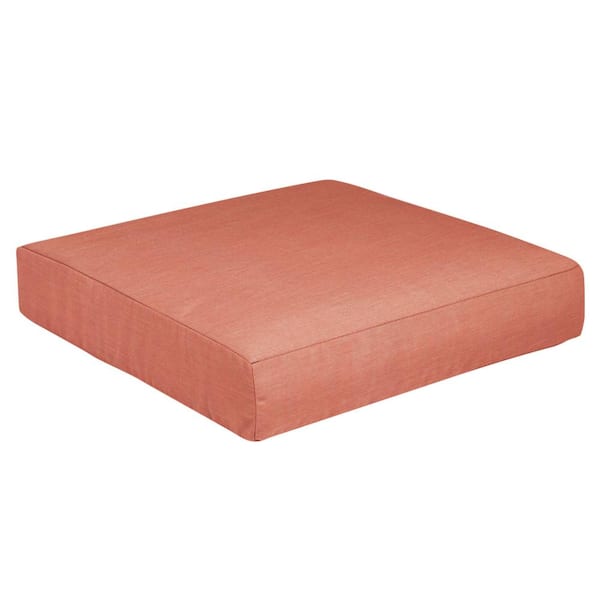
Credit: www.homedepot.com
Maintaining Outdoor Cushions
Outdoor furniture cushions add comfort and style to your patio. Keeping them clean and well-stored helps them last longer. Proper care prevents dirt, stains, and damage from weather. Follow simple steps to maintain your cushions and enjoy them season after season.
Cleaning Tips
Regular cleaning keeps cushions fresh and inviting. Use a soft brush to remove loose dirt and dust. Mix mild soap with water for a gentle cleaning solution. Use a sponge or cloth to wipe the surface softly. Avoid harsh chemicals that can damage fabric and color. Rinse with clean water and let cushions dry completely in the sun. Drying in sunlight also helps kill bacteria and mold. Clean spills immediately to stop stains from setting.
Storing Cushions Properly
Store cushions in a dry place during bad weather or winter. Use breathable bags or storage bins to avoid moisture buildup. Do not store cushions in plastic bags; they trap moisture and cause mildew. Keep cushions away from direct sunlight to prevent fading. Stack cushions flat to keep their shape. Check stored cushions regularly for signs of mold or pests. Proper storage keeps your cushions fresh and ready for use.
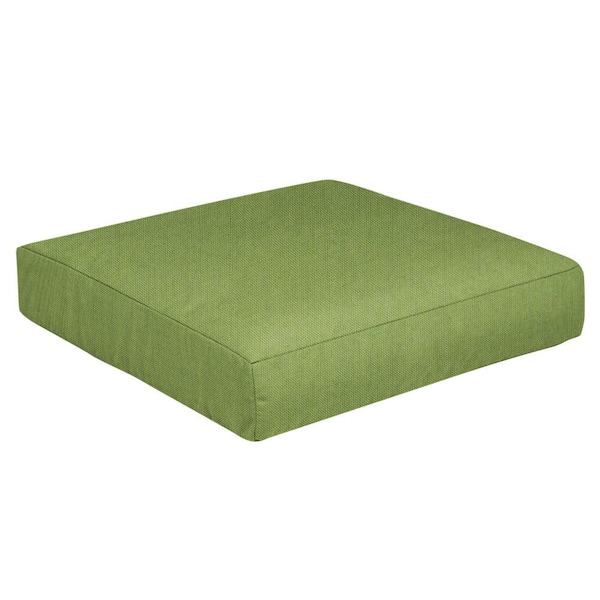
Credit: www.homedepot.com
Frequently Asked Questions
What Materials Are Best For Outdoor Furniture Cushions?
Use weather-resistant fabrics like acrylic or polyester. Choose foam with quick-dry and mold-resistant properties. These materials ensure durability and comfort outdoors. Always pick UV-resistant fabric to prevent fading.
How Do I Cut Fabric For Outdoor Cushions?
Measure your furniture carefully before cutting. Add extra fabric for seams and tufting. Use sharp scissors or a rotary cutter for clean edges. Mark your measurements clearly to avoid mistakes.
What Type Of Foam Is Ideal For Outdoor Cushions?
High-density, quick-drying foam is best. It resists mold and mildew effectively. Choose foam specifically labeled for outdoor use. This ensures cushions stay firm and dry.
How Do I Sew Outdoor Cushions To Last Longer?
Use heavy-duty, UV-resistant thread for sewing. Double-stitch seams to enhance durability. Sew slowly to maintain straight lines. Adding zippers makes covers removable and washable.
Conclusion
Making outdoor furniture cushions at home saves money and lets you choose your style. You control the fabric, color, and size. It’s a simple project anyone can try with basic tools. Handmade cushions last longer when you pick good materials.
Enjoy your cozy, personalized outdoor space without waiting for store deliveries. Start small and improve your skills over time. Your garden or patio will feel fresh and inviting. Try making cushions today and see the difference it brings.


