
Are you looking to create more space in your room while adding a fun and practical piece of furniture? Building a twin bunk bed might be the perfect solution for you.
Imagine having a sturdy, safe bed that fits two kids comfortably without taking up extra floor space. In this guide, you’ll learn simple, step-by-step instructions to build your own twin bunk bed, even if you don’t have much experience with woodworking.
By the end, you’ll have the confidence and know-how to make a bed that saves space and brings joy to your home. Ready to get started? Let’s dive in!
Materials And Tools Needed
Building a twin bunk bed starts with gathering the right materials and tools. This step is important for a smooth project and a strong bed. Having everything ready saves time and helps avoid mistakes.
Choose good quality wood for safety and durability. You need wood that can hold weight and last long. Also, pick tools that fit the job to make building easier.
Wood And Lumber
Use pine or oak wood for the frame. Select boards that are straight and free of knots. You will need 2x4s for the bed frame and 1x3s for the slats.
Hardware And Fasteners
Buy screws, bolts, and nuts suitable for wood. Use 3-inch wood screws for strong joints. Include corner brackets for extra support.
Tools Required
Prepare a drill with drill bits for pilot holes. A saw is necessary to cut wood to size. Use a screwdriver, measuring tape, square, and level too.
Safety Gear
Wear safety glasses to protect your eyes. Use gloves to avoid splinters and cuts. Keep a dust mask handy for sanding work.
Choosing The Right Wood
Choosing the right wood is key to building a strong twin bunk bed. Wood affects the bed’s safety, look, and durability. Picking good wood means the bed will last longer and hold weight well.
Different woods have different strengths, prices, and appearances. Understanding these helps to make a smart choice. This guide covers popular wood types for bunk beds and their main features.
Types Of Wood For Twin Bunk Beds
Hardwood and softwood are the two main wood types. Hardwood, like oak or maple, is very strong and lasts long. Softwood, such as pine, is lighter and easier to work with. Both can work well for bunk beds.
Durability And Strength
Strong wood holds weight and resists damage. Hardwood usually offers better strength. Softwood may dent or scratch more easily but is still good for kids’ beds. Check wood density and hardness before buying.
Appearance And Finish
Wood grain and color affect the bed’s look. Oak has a bold grain and warm color. Pine has a lighter, softer look. Choose wood that matches your room style and paint or stain easily.
Cost And Availability
Prices vary by wood type and location. Softwoods like pine are usually cheaper and more common. Hardwoods can cost more but add value and style. Balance budget with quality for the best results.
Safety Considerations
Wood should be smooth and free of knots or cracks. These flaws can weaken the bed or cause splinters. Make sure wood is dry and treated to prevent warping and pests.
Measuring And Cutting The Pieces
Measuring and cutting the pieces is a key step in building a twin bunk bed. Accurate measurements make sure the bed fits well and is safe. Cutting the wood correctly means the parts will fit together smoothly. Take your time during this step to avoid mistakes and wasted material.
Use a tape measure and pencil to mark the wood clearly. Double-check each measurement before cutting. Safety is important, so wear goggles and work on a stable surface. Use the right saw for straight and clean cuts. Follow the plans closely to get the right sizes for all parts.
Measuring The Wood Pieces
Start by measuring the length, width, and thickness of each piece. Mark the cutting lines with a pencil. Measure twice to ensure accuracy. Label each piece with its name to stay organized. Use a square tool to make sure marks are straight and square.
Choosing The Right Tools For Cutting
Select a saw that matches your skill level and the wood type. A circular saw works well for long straight cuts. A handsaw can be good for small pieces. Always clamp the wood to keep it steady during cutting. Keep blades sharp for clean edges and safer work.
Cutting The Wood Pieces Safely
Put on safety goggles and gloves before starting. Cut slowly and steadily along the marked lines. Keep your hands away from the blade. Use a guide or fence to help keep cuts straight. Check each piece after cutting to make sure it matches your measurements.

Credit: www.youtube.com
Assembling The Bed Frame
Assembling the bed frame is the key step in building a twin bunk bed. It creates the strong base that holds the mattress and sleepers. A sturdy frame ensures safety and comfort for children. Follow clear steps to put the frame parts together securely. Take time to align pieces correctly. Use the right tools to tighten screws and bolts well.
Building The Bed Rails
Start by preparing the bed rails. These long wooden pieces run along the sides of the bed. They support the mattress and connect the headboard and footboard. Cut the rails to the correct length. Sand the edges smooth to avoid splinters. Attach metal brackets or wooden cleats to the ends. These will help fix the rails firmly to the headboard and footboard. Use screws that are strong enough to hold weight. Double-check that rails are straight before final fastening.
Constructing The Headboard And Footboard
The headboard and footboard are the vertical parts of the bed frame. Cut the wood pieces according to your design. Sand all surfaces carefully to keep them smooth. Join the horizontal and vertical pieces using wood glue and screws. Use clamps to hold parts steady while drying. Ensure the corners form right angles for a square frame. Drill pilot holes before screwing to prevent wood from splitting. The headboard can be taller for support and style. The footboard should match the headboard’s width and design. Check both for strength before attaching to the rails.
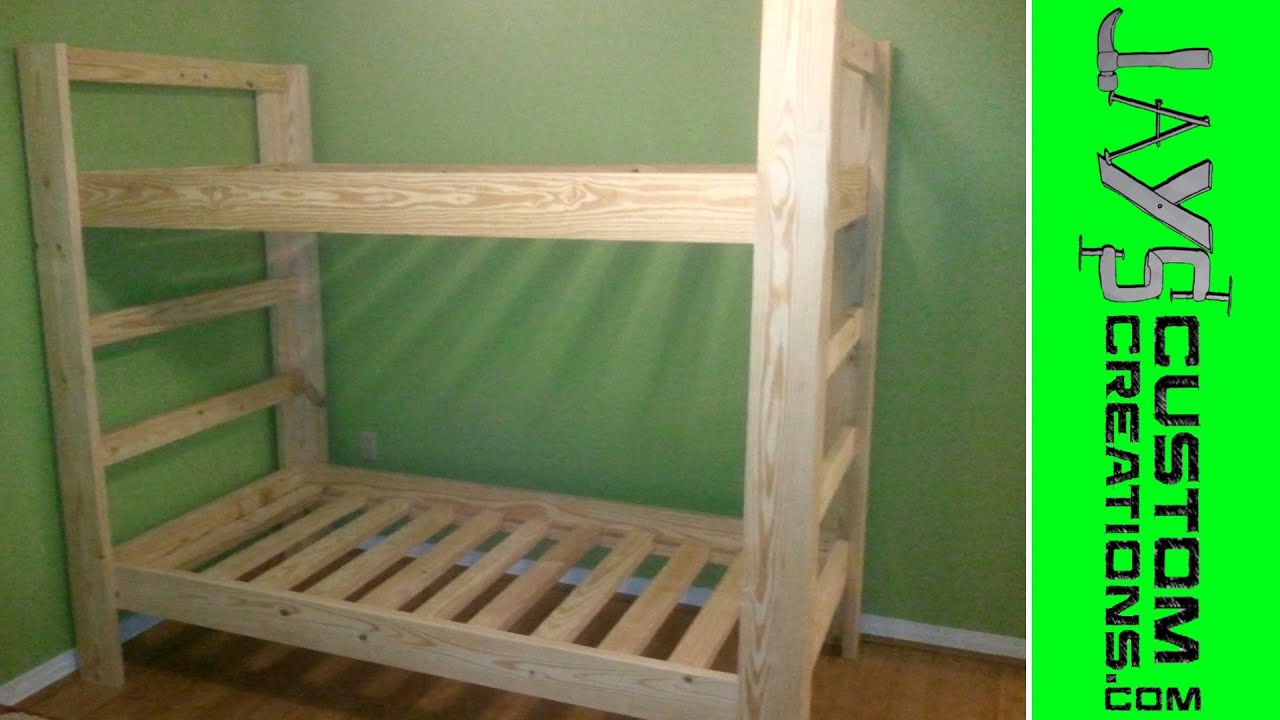
Adding The Safety Rails
Adding safety rails to your twin bunk bed is key for a secure sleep space. These rails keep sleepers from rolling off the bed. Proper installation ensures safety and peace of mind.
Safety rails must be sturdy and well attached. Choose strong wood or metal rails. Check that all edges are smooth to avoid splinters or scratches.
Choosing The Right Materials For Safety Rails
Pick materials that support weight and last long. Solid wood is a popular choice. Metal rails offer extra strength. Avoid thin or weak materials that can break easily.
Measuring And Cutting Rails Accurately
Measure the bed length carefully before cutting. Rails should be tall enough to stop falls but not too high. Cut pieces straight to fit tightly between bed posts.
Attaching Rails Securely To The Bed Frame
Use screws or bolts for strong connections. Drill pilot holes to avoid splitting the wood. Tighten all fasteners firmly to prevent movement.
Double-checking Stability And Safety
Test the rails by applying pressure gently. Make sure there is no wobble or gaps. Confirm rails are at the right height for comfort and safety.
Credit: www.youtube.com
Building And Installing The Ladder
Building and installing the ladder is an important step in making a twin bunk bed. The ladder helps children climb safely to the top bunk. A well-built ladder adds strength and style to the bed.
Use strong wood for the ladder parts. Measure carefully to fit the bed height. The ladder should be stable and easy to climb.
Choosing The Right Wood And Tools
Select wood that is sturdy and smooth. Pine or oak works well. Sand the wood to avoid splinters. Gather tools like a saw, drill, screws, and a level.
Cutting And Assembling Ladder Parts
Cut two long side rails to the bed height. Cut four or five steps to fit between rails. Attach the steps evenly using screws. Check the spacing for comfortable climbing.
Securing The Ladder To The Bunk Bed
Place the ladder against the bunk bed frame. Use screws or brackets to fix it firmly. Test the ladder for stability. Tighten screws if the ladder feels loose.
Sanding And Finishing Touches
Sanding and finishing touches give your twin bunk bed a smooth, polished look. These steps protect the wood and make the bed safe and beautiful. Proper sanding removes rough spots and splinters. Finishing adds color and strength. Both steps are important for a lasting piece of furniture.
Applying Paint Or Stain
Choose paint or stain based on your style preference. Paint offers bright colors and full coverage. Stain shows the natural wood grain and adds warmth. Use a brush or cloth to apply evenly. Apply thin coats to avoid drips. Let each coat dry completely before adding another. Light sanding between coats helps smooth the finish.
Sealing For Durability
Sealing protects the bed from scratches and moisture. Use a clear sealant like polyurethane or varnish. Apply with a clean brush in long, even strokes. Seal all surfaces, including hidden areas. Allow the sealant to dry fully before use. This step helps the bed last for years and keeps it looking new.
Final Assembly And Safety Check
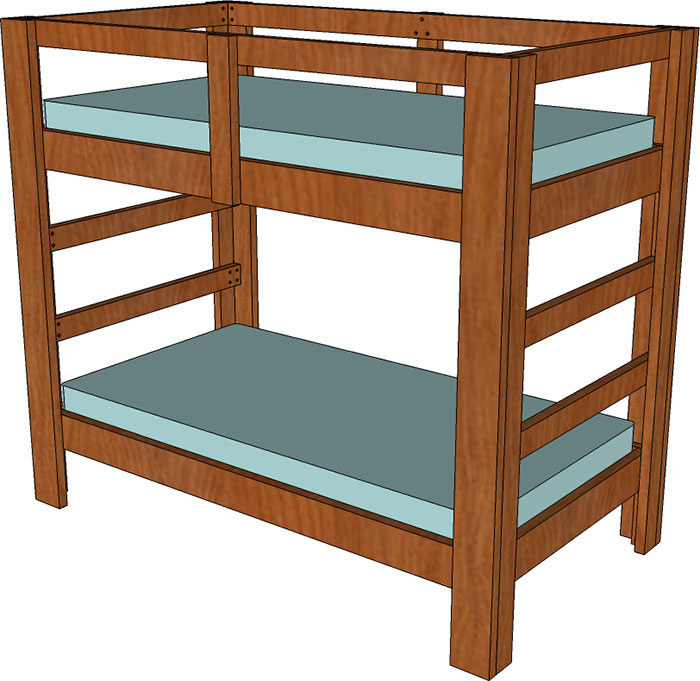
The final assembly and safety check are vital steps in building a twin bunk bed. These steps ensure the bed is strong, stable, and safe for use. Proper assembly prevents accidents and extends the bed’s life.
Take your time during this phase. Double-check each part and connection. Safety must come first.
Check All Screws And Bolts
Tighten every screw and bolt securely. Loose hardware can cause wobbling or collapse. Use the right tools and avoid over-tightening. This keeps the wood from cracking.
Test The Stability Of The Frame
Gently shake the bunk bed frame. There should be no movement or creaking sounds. If it moves, find the loose parts and tighten them. A stable frame is safe for sleeping and climbing.
Inspect Guardrails And Ladder
Make sure guardrails are firmly attached and high enough. They stop falls from the top bunk. Check the ladder for strong steps and secure fixing. The ladder must hold weight without wobbling.
Check Mattress Fit
Use the right mattress size for each bunk. The mattress should fit snugly without gaps. Gaps can be dangerous for small children. Ensure the mattress height does not exceed the guardrail height.
Final Safety Walkthrough
Look over the entire bunk bed carefully. Remove any sharp edges or splinters with sandpaper. Confirm no parts stick out that could cause injury. A clean, smooth surface is safer for kids.
Credit: jayscustomcreations.com
Frequently Asked Questions
What Materials Are Needed To Build A Twin Bunk Bed?
To build a twin bunk bed, you’ll need plywood or solid wood, screws, wood glue, a saw, drill, measuring tape, sandpaper, and paint or stain. Choose sturdy, high-quality materials to ensure safety and durability throughout the bed’s use.
How Long Does It Take To Build A Twin Bunk Bed?
Building a twin bunk bed typically takes 6 to 10 hours. Time varies based on skill level and tools available. Proper planning and preparation can speed up the process and ensure a safer, stronger finished product.
What Safety Features Should A Twin Bunk Bed Have?
Essential safety features include sturdy guardrails on the top bunk, secure ladder attachment, and proper mattress size. Ensure the bed frame is stable and free from sharp edges. These features prevent falls and injuries, especially for children.
Can I Customize The Twin Bunk Bed Design?
Yes, you can customize the design with paint colors, storage drawers, or a trundle bed. Customization allows the bed to match your room’s style and meet specific space or functionality needs, making it more practical and attractive.
Conclusion
Building a twin bunk bed can save space and add style. Follow each step carefully for a safe, sturdy bed. Use the right tools and materials for best results. Take your time and check your work often. Enjoy the satisfaction of a project done well.
A handmade bunk bed brings comfort and joy to any room. Start building today and create a cozy spot for kids or guests.
