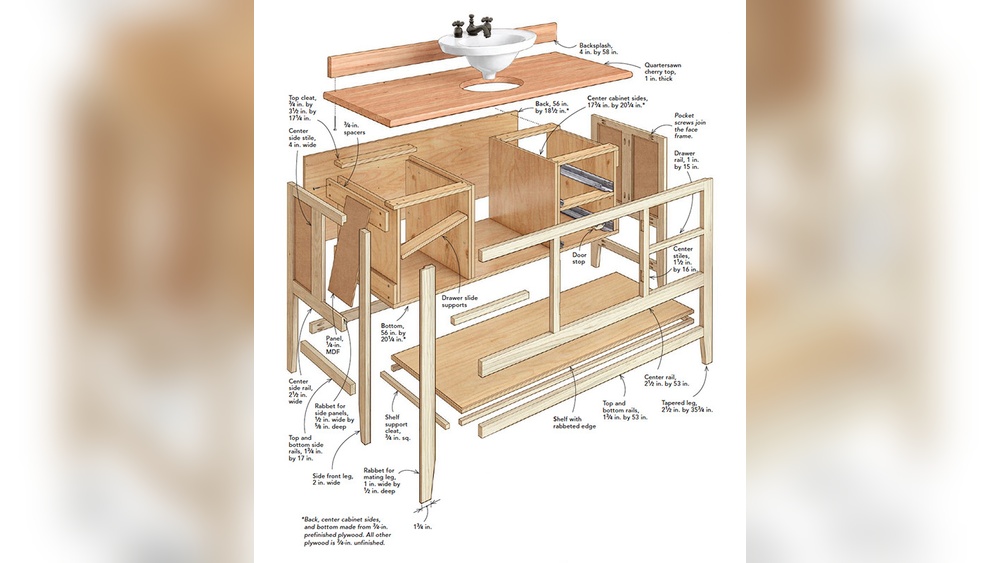
Are you planning to upgrade your bathroom or install a new vanity cabinet? One of the first questions you might have is, “What is the standard size of a bathroom vanity cabinet?” Knowing the right size is crucial.
It ensures your space looks balanced, functions well, and feels comfortable every time you use it. You’ll discover the common sizes, how to choose the best fit for your bathroom, and tips to avoid costly mistakes. Keep reading to make your bathroom renovation smooth and stress-free!
Credit: castacabinetry.com
Bathroom Vanity Dimensions
Bathroom vanity cabinets come in various sizes to fit different spaces. Knowing the right dimensions helps you choose a vanity that fits well. Size affects both comfort and storage. It also impacts the overall look of your bathroom. Understanding common widths, heights, and depths makes the selection easier.
Common Widths
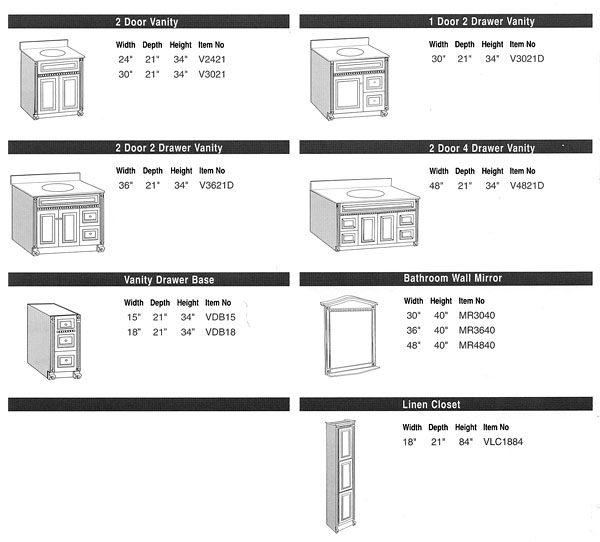
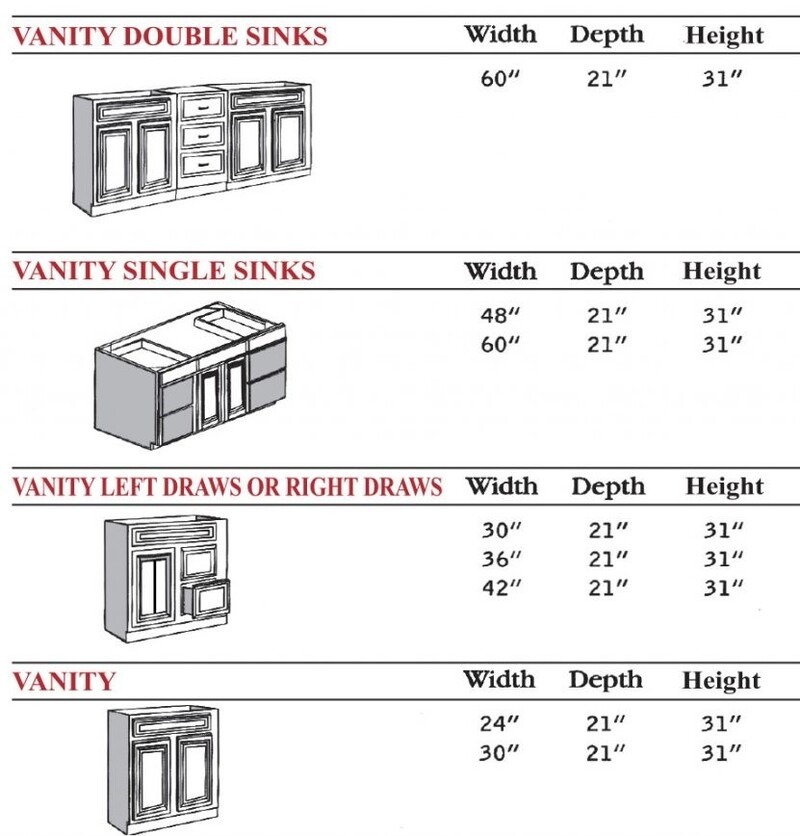
Vanity widths vary from compact to spacious. Small bathrooms often use vanities 24 to 30 inches wide. Medium sizes range from 36 to 48 inches. Larger bathrooms may have vanities 60 inches or wider. Choose a width that fits your space and meets your needs.
Standard Heights
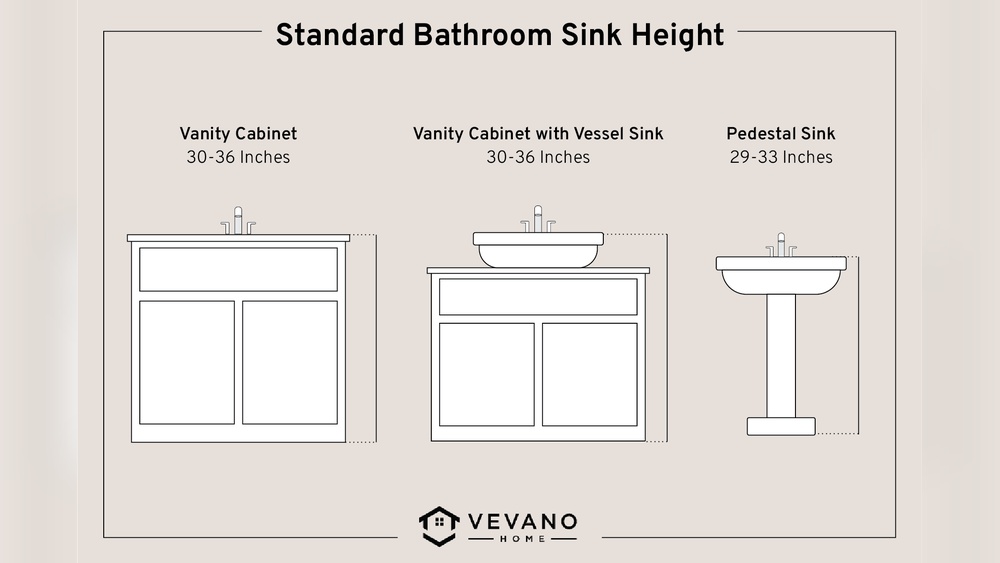
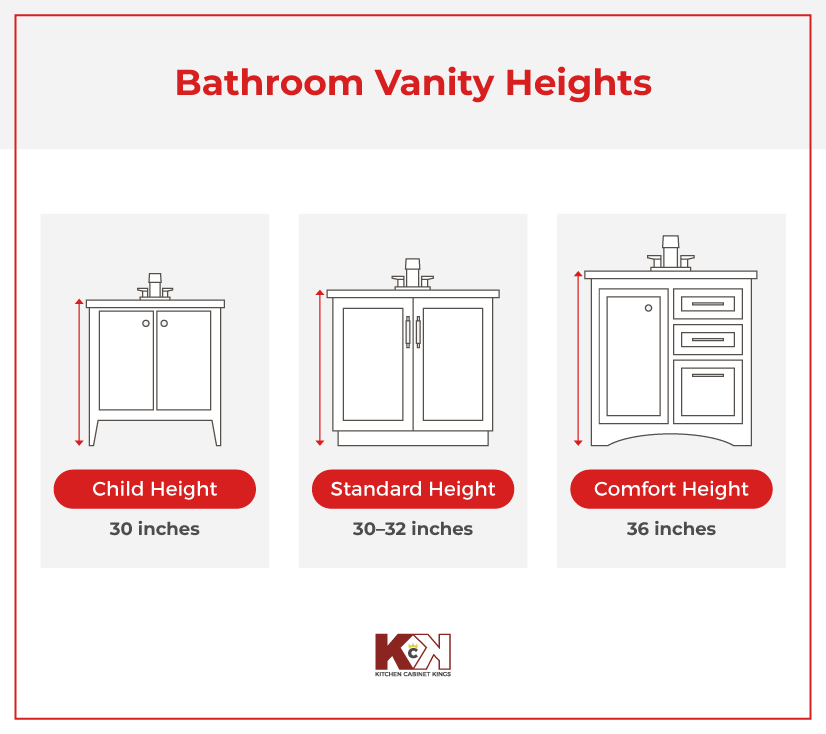
The height of bathroom vanities usually ranges between 30 and 36 inches. Most modern vanities stand around 32 inches tall. Taller vanities help reduce bending and improve comfort. Some designs offer adjustable heights for better customization.
Typical Depths
Depth affects how far the vanity extends into the room. Standard depths range from 18 to 21 inches. Deeper vanities provide more countertop space. Narrower depths suit smaller bathrooms or tight spaces. Consider depth carefully to avoid crowding your bathroom.
Choosing Vanity Size By Bathroom Type
Choosing the right vanity size depends on your bathroom type. The size affects both function and style. Picking the correct vanity can save space and improve usability. Each bathroom size has its own needs and limits. Understanding these helps select a vanity that fits well and looks good.
Small Bathrooms
Small bathrooms need compact vanities. A width of 18 to 24 inches works best. Slim designs keep the space open. Storage options should be simple and efficient. Wall-mounted vanities can save floor space. Choose light colors to make the room feel bigger.
Medium Bathrooms
Medium bathrooms allow larger vanities. Sizes between 30 and 48 inches are common. There is room for double sinks in some cases. More storage can be included with drawers and cabinets. Balance is key to avoid crowding. Medium vanities offer good mix of style and function.
Large Bathrooms
Large bathrooms offer freedom in vanity size. Vanities 60 inches or wider are ideal. Multiple sinks and extra storage are possible. Custom designs fit well in spacious rooms. Large vanities can become a room’s focal point. They provide ample space for grooming and storage.
Single Vs Double Vanity Sizes
Bathroom vanities come in two main types: single and double. Choosing the right size affects your bathroom’s look and function. Single vanities fit smaller spaces and offer one sink. Double vanities provide two sinks and more storage, ideal for shared bathrooms.
Single Vanity Dimensions
Single vanities usually measure between 24 to 48 inches wide. The depth is often around 21 inches. Height ranges from 30 to 36 inches. These sizes suit small to medium bathrooms. Single vanities save space but still offer enough storage.
Double Vanity Dimensions
Double vanities start at about 60 inches wide. They can go up to 72 inches or more. The depth is commonly 21 to 24 inches. Heights are similar to single vanities, around 30 to 36 inches. Double vanities give two sinks and extra counter space.
Custom Vanity Options
Custom vanity options offer flexibility beyond standard sizes. They allow you to create a bathroom vanity cabinet that fits your space perfectly. Choosing a custom vanity helps maximize storage and improve bathroom flow.
When To Customize
Custom vanities work best in unusual or small spaces. They suit bathrooms with odd layouts or tight corners. Also, if you want a unique style or special features, custom sizes help.
Custom vanities are useful when standard sizes block doors or fixtures. They fit better around sinks, toilets, or windows. This avoids wasted space and awkward gaps.
Custom Size Considerations
Consider your bathroom size before ordering a custom vanity. Measure width, depth, and height carefully. Think about door swings and walking space around the vanity.
Choose materials and finishes that match your bathroom decor. Plan storage options like drawers or shelves based on your needs. Custom sizes may cost more but improve function and look.
Vanity Height And Accessibility
Vanity height plays a big role in bathroom comfort and accessibility. The right height makes daily tasks easier and safer. It helps users of all ages and abilities feel comfortable.
Choosing the correct vanity height improves posture and reduces strain. It also supports people who use wheelchairs or have limited mobility. This makes the bathroom more user-friendly for everyone.
Comfortable Height Standards
The standard bathroom vanity height is usually around 32 to 36 inches. This height suits most adults and fits common sink styles. It allows for easy use while standing or sitting.
Some prefer vanities closer to 36 inches for better comfort. Taller people especially find this height easier for daily tasks. For kids or shorter users, a lower vanity may work better.
Ada Compliance
The Americans with Disabilities Act (ADA) sets rules for accessible vanities. The ADA recommends a maximum height of 34 inches. It also requires clear space beneath for wheelchair access.
Accessible vanities should have a knee space at least 27 inches high. This space allows wheelchair users to move closer to the sink. Following ADA guidelines helps create inclusive bathrooms.
Material Impact On Vanity Size
The material of a bathroom vanity cabinet affects its size and design. Different materials need different thicknesses and supports. This changes the overall dimensions of the vanity. Choosing the right material helps balance style, function, and space.
Wood Vs Mdf
Wood cabinets are strong and last long. Solid wood can be thicker, which may increase the cabinet size. Wood also adds natural beauty to the bathroom.
MDF (Medium-Density Fiberboard) is a cheaper alternative. It is lighter and easier to cut. MDF cabinets usually have thinner walls, so they can be smaller. But MDF is less durable than wood and may swell if wet.
Stone And Solid Surface Tops
Stone tops like granite or marble are heavy. They need sturdy cabinets with extra support. This can make the vanity larger and taller.
Solid surface tops are lighter and can be thinner. They allow for sleeker vanity designs. These materials offer more size flexibility without losing strength.
Installation Space Requirements
Installing a bathroom vanity cabinet needs careful space planning. The space must fit the cabinet and allow easy movement. Proper installation space helps keep the bathroom safe and functional. It also ensures the cabinet lasts longer and looks good.
Clearance Around Vanity
Leave enough space around the vanity for comfort. At least 21 inches of clear floor space in front helps users move freely. Side clearances of 15 inches on each side from the center of the sink are ideal. This space prevents bumping into walls or other fixtures.
Keep space for opening doors and drawers easily. Avoid tight corners near the vanity. Proper clearance improves bathroom usability and safety.
Plumbing Considerations
Check the plumbing before installing the vanity. Pipes must align with the cabinet’s sink area. Leave room behind the cabinet for plumbing connections. It helps with easy repairs and maintenance later.
Measure water supply lines and drain pipes carefully. Avoid damaging pipes during installation. Planning plumbing space saves time and prevents leaks or blockages.
Credit: kitchencabinetkings.com
Popular Vanity Styles And Sizes
Bathroom vanity cabinets come in many styles and sizes. Choosing the right one depends on your space and taste. Popular vanity styles fit well in most bathrooms. They balance looks and function. Sizes vary to match different room sizes and needs.
Modern Vanities
Modern vanities have clean lines and simple shapes. They often use materials like glass, metal, or wood with smooth finishes. Sizes usually range from 24 to 60 inches wide. These vanities fit well in small or large bathrooms. They offer a sleek, uncluttered look.
Traditional Vanities
Traditional vanities show classic designs with detailed woodwork. They often have raised panels and decorative hardware. Common sizes include 30 to 72 inches wide. These vanities add warmth and charm to a bathroom. They suit homes with a vintage or elegant style.
Floating Vanities
Floating vanities hang on the wall without touching the floor. They create a spacious feel and make cleaning easier. Sizes vary from 24 to 48 inches wide. These vanities work well in modern bathrooms with limited space. They add a light, airy look to the room.
Credit: castacabinetry.com
Frequently Asked Questions
What Is The Standard Height Of A Bathroom Vanity Cabinet?
The standard height for a bathroom vanity cabinet is typically 32 to 36 inches. This range suits most users comfortably and fits common bathroom designs. Adjustable heights are available for accessibility needs or customized spaces.
What Is The Typical Width Of A Bathroom Vanity?
Bathroom vanity widths usually range from 24 to 72 inches. Common single-sink vanities measure 30 to 48 inches wide. Larger double-sink vanities are typically 60 inches or more, ideal for spacious bathrooms.
How Deep Should A Bathroom Vanity Cabinet Be?
Standard bathroom vanity depth is between 18 and 21 inches. This depth allows enough countertop space without overwhelming small bathrooms. Deeper vanities provide more storage but require more floor space.
Are Bathroom Vanity Sizes Standardized?
Yes, bathroom vanity sizes follow industry standards for height, width, and depth. These standards ensure compatibility with plumbing and bathroom layouts. However, custom sizes are also available for unique spaces.
Conclusion
Choosing the right bathroom vanity cabinet size matters a lot. Standard sizes help fit your space and needs well. Most vanities come in widths from 24 to 72 inches. Heights usually range around 32 to 36 inches, which suits most users.
Depths often fall between 18 and 21 inches for comfort and storage. Knowing these sizes makes bathroom planning easier and more efficient. A well-sized vanity improves both look and function. Keep these basics in mind for a smart bathroom setup.