Are you thinking about adding a bunk bed to your room but unsure how much space you need between the top bunk and the ceiling? This is a question many people overlook, yet it’s key to making sure your bunk bed feels comfortable and safe.
You don’t want to bump your head every time you sit up or feel cramped when climbing up or down. You’ll discover the ideal room to ceiling distance for bunk beds, helping you create a cozy and practical sleeping space.
Keep reading to find out what measurements work best for your comfort and safety.
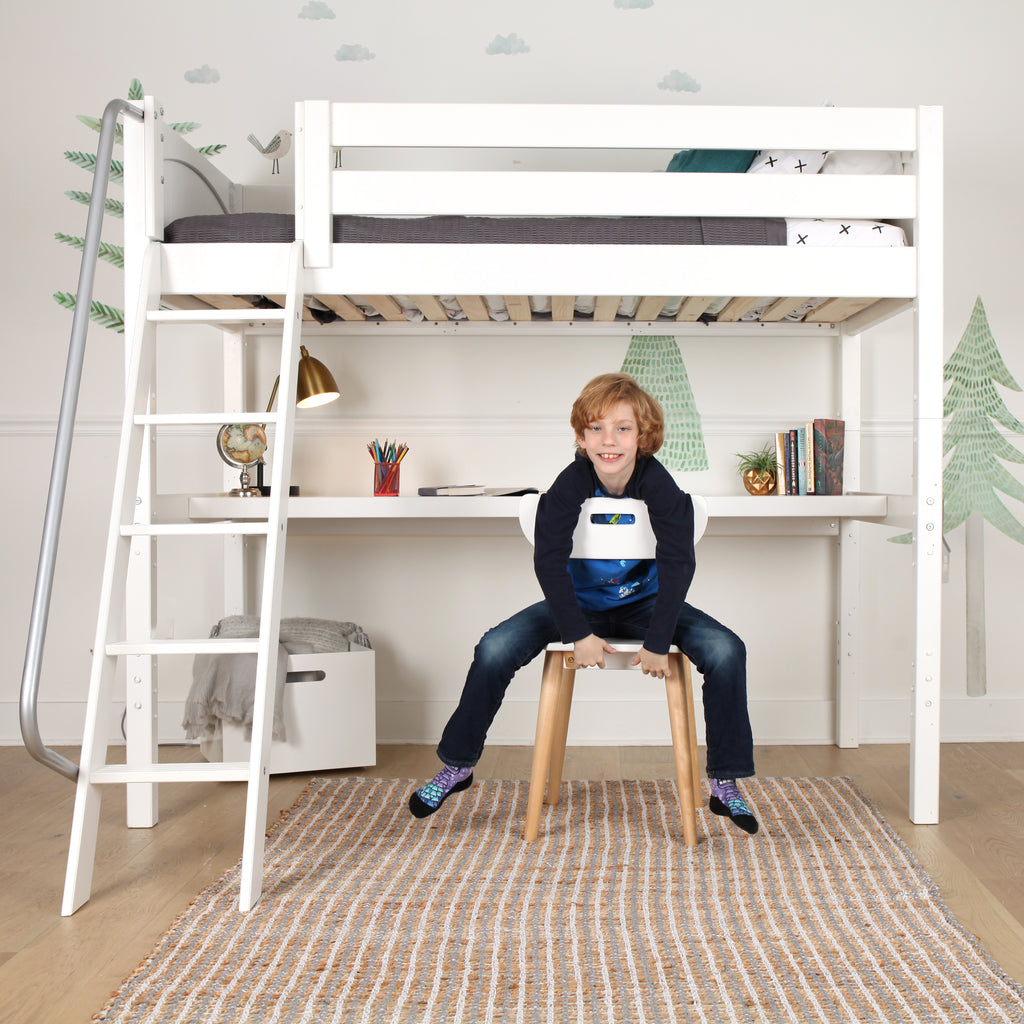
Credit: www.maxtrixkids.com
Ideal Ceiling Height For Bunk Beds
The ideal ceiling height for bunk beds is very important for safety and comfort. It makes sure there is enough space to sit up on the top bunk. It also helps avoid bumping heads while climbing or sleeping. Choosing the right height keeps the room feeling open and safe for kids.
Minimum Clearance Requirements
The minimum ceiling height should be at least 7 feet. This height gives enough space for the bunk bed frame and some room above it. Rooms lower than this may feel cramped and unsafe. A low ceiling can make it hard to move around the bunk bed safely.
Recommended Space Between Bunk Levels
There should be about 30 to 33 inches between the top and bottom bunk. This space allows a child to sit up comfortably on the bottom bunk. It also gives room to climb without feeling stuck. Less space can cause discomfort and make the bed less useful.
Top Bunk To Ceiling Distance
At least 36 inches of space should be between the top bunk mattress and ceiling. This distance helps prevent head injuries. It also lets the child sit up on the top bunk without hitting their head. More space makes the bunk bed safer and more pleasant to use.
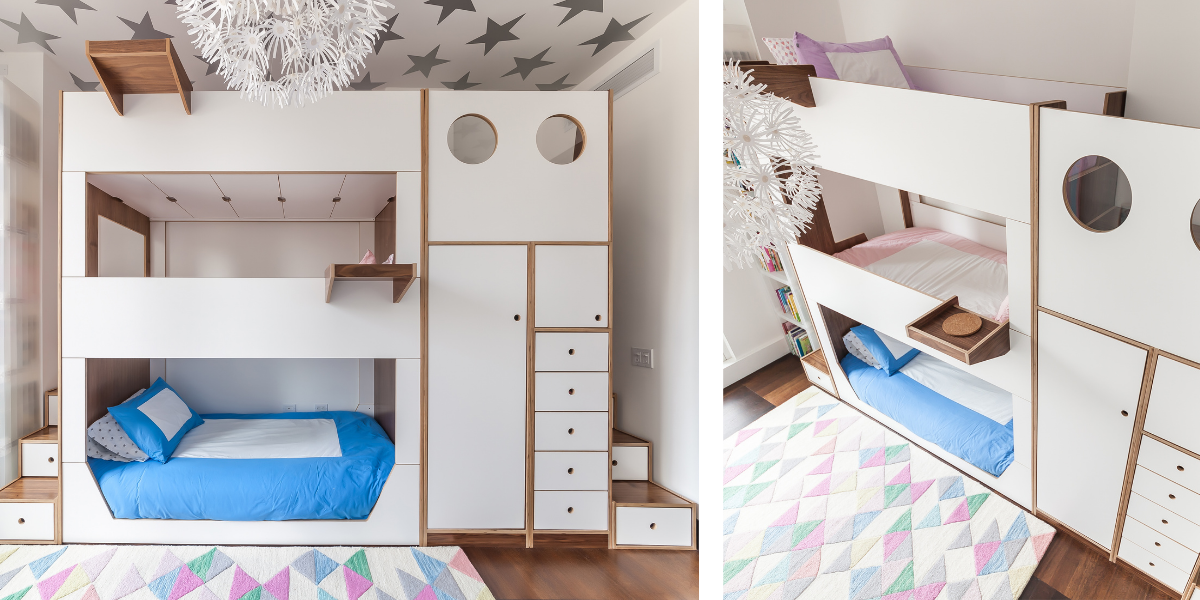
Credit: casakids.com
Factors Affecting Ceiling Space Needs
Choosing the right bunk bed means understanding how much space you need from the bed to the ceiling. This space depends on several factors. Knowing these helps you pick a bunk bed that fits well and feels comfortable. Avoiding low ceilings that make the top bunk cramped is important. Here are key factors that affect the ceiling space needed.
User Height And Comfort
The height of the person using the top bunk matters a lot. Taller users need more space above the mattress to sit up without hitting the ceiling. Even shorter users feel better with some extra room to move. Comfort means having enough headroom to avoid bumps and a cramped feeling. Measure user height and add space for sitting up easily.
Bunk Bed Design Variations
Different bunk bed styles need different ceiling heights. Loft beds usually sit higher and need more room above. Standard bunk beds stack mattresses directly, so they need less height. Some designs include built-in desks or storage under the bed, affecting overall height. Check the bed’s total height and design to know ceiling space needed.
Mattress Thickness Considerations
Thick mattresses take up more vertical space. This leaves less room between the mattress and ceiling. Thin mattresses save space but may be less comfortable. Choose a mattress thickness that fits the bed frame and ceiling height. Remember to add mattress thickness to the bed frame height for total clearance.
Safety Tips For Maximizing Space
Maximizing space with a bunk bed requires careful attention to safety. Proper setup keeps the room open and prevents accidents. Small changes can make a big difference in comfort and security.
Follow these safety tips to use your space well and keep everyone safe.
Guardrail Height And Placement
Guardrails stop falls from the top bunk. They should be at least 5 inches above the mattress. Place guardrails on both long sides for best protection. Check that rails are strong and tightly fixed. Avoid gaps where a child’s head could get stuck.
Ladder Positioning And Access
Place the ladder where it is easy to reach but does not block walkways. Secure the ladder firmly to avoid slips. Use wide steps to make climbing safer. Keep the ladder angle gentle for better balance. Make sure the ladder fits the ceiling height properly.
Ventilation And Lighting
Good air flow prevents stuffiness and keeps the bunk area fresh. Leave space between the top bunk and ceiling for air movement. Use soft lighting to avoid glare and shadows. Night lights help children see the ladder clearly. Keep vents or windows near the bunk bed open when possible.
Measuring Your Room For Bunk Beds
Measuring your room before buying bunk beds is very important. It helps you know if the beds will fit well. Also, it keeps the room safe and comfortable for sleeping. Knowing the space you have can prevent many problems later.
Take your time to measure carefully. Measure the height from the floor to the ceiling. Check for any objects hanging from the ceiling. Look at other furniture in the room too. These steps make sure the bunk beds fit perfectly.
Assessing Ceiling Height Accurately
Use a tape measure to find the exact height of your room. Measure from the floor straight up to the ceiling. Do this in several spots because ceilings might not be even. Write down the lowest height you find. This is the most important number for bunk beds.
Accounting For Overhead Fixtures
Look for lights, fans, or decorations on the ceiling. Measure the distance from the floor to the bottom of these fixtures. These items reduce the space you have. Make sure the top bunk will not hit these fixtures. Leave some extra space for safety and comfort.
Space Planning With Other Furniture
Check where other furniture sits in the room. Measure the distance between walls and furniture. Leave enough room for walking and opening drawers or doors. Think about the bunk bed size and shape. Plan the best place for it to fit without crowding the room.
Alternative Space-saving Bed Options
Space in small rooms can be a big problem. Beds take up a lot of room, making the area feel crowded. There are many space-saving beds that help solve this problem. These beds use vertical or hidden space. They give you more floor space to use. Here are some popular alternatives to bunk beds that save space and add style.
Loft Beds
Loft beds lift the sleeping area high off the floor. This frees up space underneath for desks or storage. They work well in small bedrooms or studio apartments. Loft beds need enough ceiling height to avoid feeling cramped. They offer a fun way to use vertical space.
Trundle Beds
Trundle beds have a second bed hidden underneath the main one. You pull it out when guests stay over. This option saves room during the day. Trundle beds fit well in kids’ rooms or guest rooms. They are great for small spaces with limited floor area.
Murphy Beds
Murphy beds fold up into the wall when not in use. This clears the entire floor space. They are perfect for multi-use rooms or studio apartments. Murphy beds need strong wall support and some installation. They provide a clean, open look and more room for daily activities.

Credit: www.maxtrixkids.com
Frequently Asked Questions
How Much Space Is Needed Above A Bunk Bed?
A minimum of 30 inches between the top bunk and ceiling is ideal. This space allows comfortable sitting and movement without feeling cramped.
What Is The Ideal Ceiling Height For Bunk Beds?
Ceiling heights of at least 8 feet work best for bunk beds. This height ensures adequate headroom and safety for users on both bunks.
Can Low Ceilings Affect Bunk Bed Safety?
Yes, low ceilings can increase injury risk. Insufficient space above the top bunk limits headroom and can cause bumps or falls.
How To Measure Clearance For A Bunk Bed?
Measure from the top mattress surface to the ceiling. Ensure at least 30 inches of clearance for safe, comfortable use.
Conclusion
Choosing the right space between a bunk bed and the ceiling matters a lot. Enough room keeps sleeping safe and comfortable. Measure your ceiling height before buying or building a bunk bed. Aim for at least 30 inches of space above the top bunk.
This prevents bumping your head when sitting up. Good space also helps with air flow and light. A well-measured bunk bed fits your room perfectly. It makes your space feel cozy, not cramped. Remember, safety and comfort come first. Simple steps lead to better sleep and happy kids.