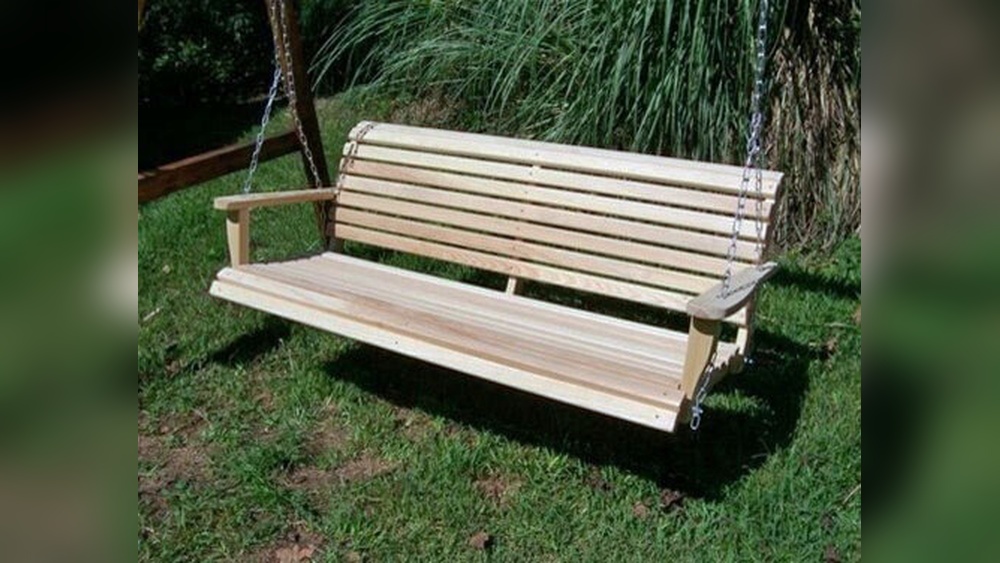
Are you wondering if your outdoor furniture can brave the cold winter months without damage? You’ve probably asked yourself, “Should I bring everything inside, or is it safe to leave it outdoors?” Making the right choice can save you time, money, and frustration.
You’ll discover practical tips to protect your furniture and find out which pieces can truly withstand winter’s toughest conditions. Keep reading to learn how to keep your outdoor space looking great, no matter the season.
Types Of Outdoor Furniture
Outdoor furniture comes in many types. Each type reacts differently to winter weather. Understanding these types helps decide if furniture can stay outside during cold months.
Wood Furniture
Wood furniture looks natural and strong. It feels warm and classic in any garden. Some woods like teak resist water and cold well. Other woods need sealing to avoid cracks and rot. Covering wood furniture protects it from snow and ice. Without care, wood can warp or decay over winter.
Metal Furniture
Metal furniture is sturdy and long-lasting. Aluminum resists rust and stays light in snow. Iron and steel offer strength but can rust if wet. Painting or coating metal helps stop rust. Metal can get very cold, so cushions add comfort. Proper care lets metal furniture survive winter outside.
Plastic And Resin Furniture
Plastic and resin furniture is light and easy to move. These materials do not absorb water, so they resist frost. They can fade under strong sun but handle cold well. Plastic furniture is low maintenance and often budget-friendly. Storing it inside can keep it looking new longer.
Wicker And Rattan Furniture
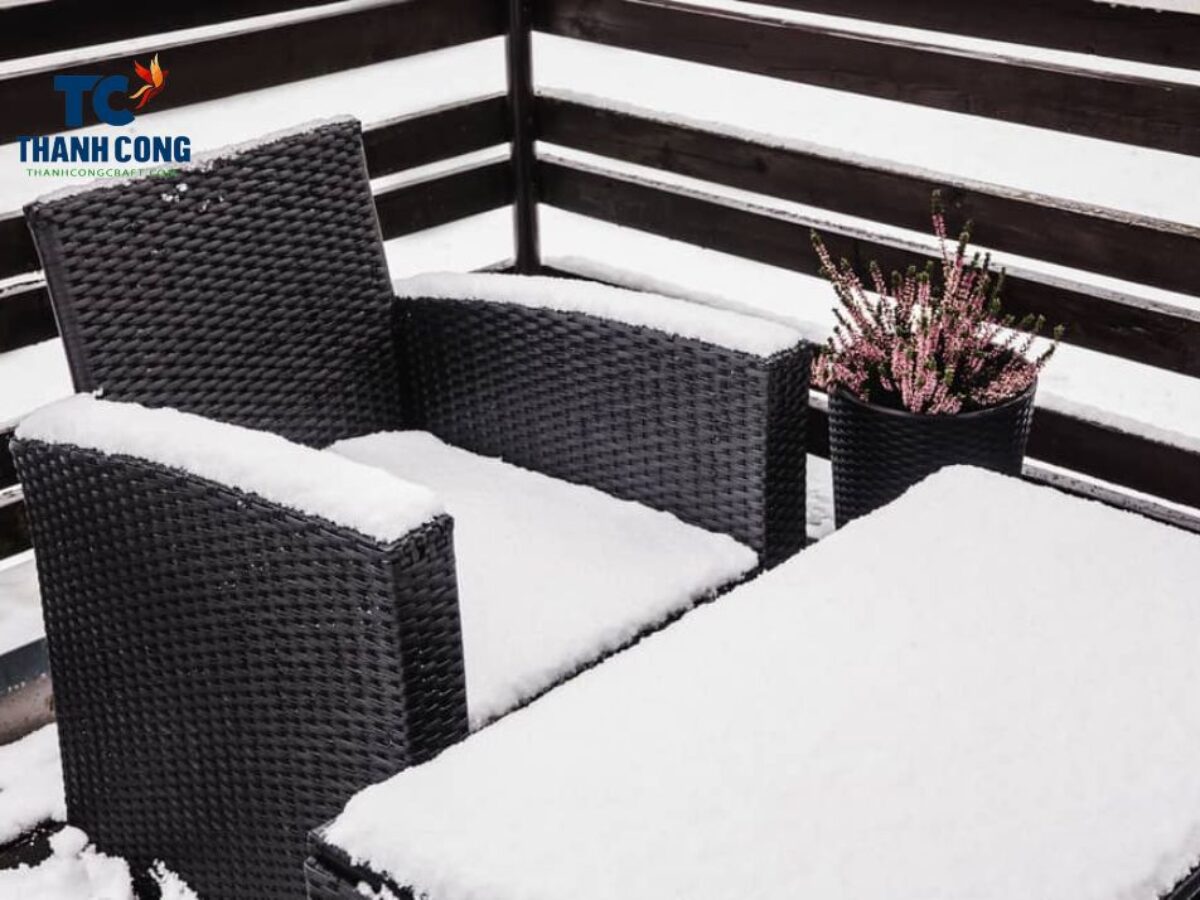
Wicker and rattan add a cozy feel outdoors. Natural wicker is delicate and can break in cold weather. Synthetic rattan is tougher and resists moisture better. Covering or storing natural wicker is important for winter. Synthetic versions can often stay outside with little damage.
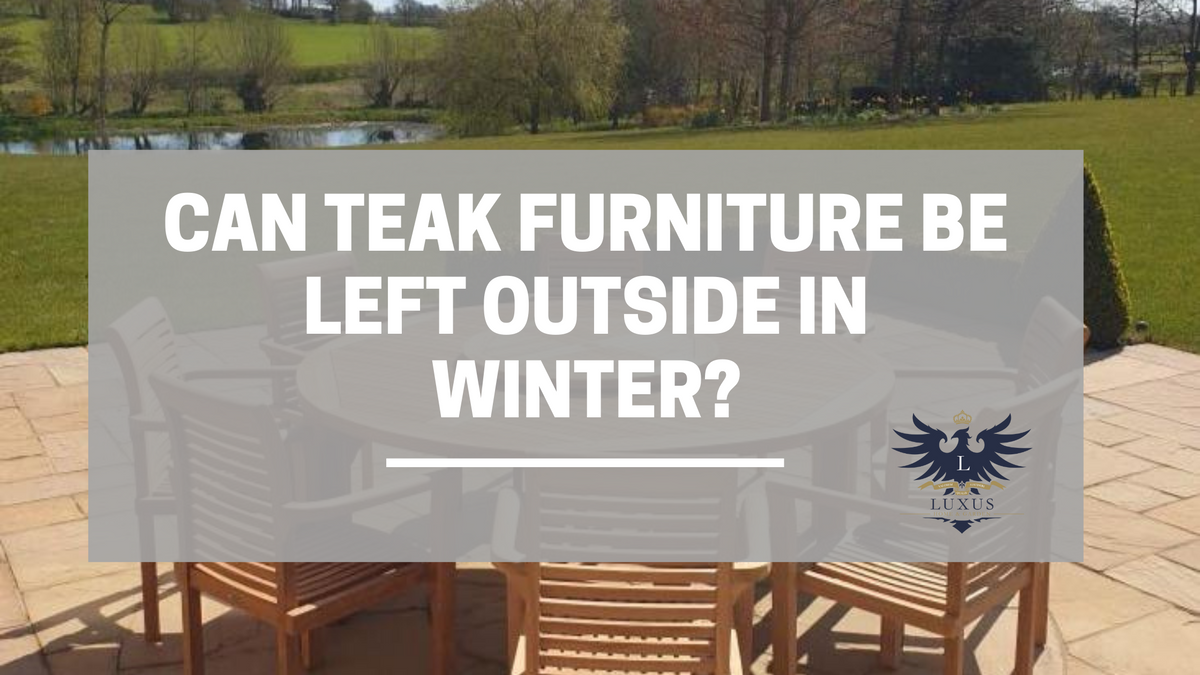
Credit: www.luxushomeandgarden.com
Winter Weather Challenges
Winter weather brings many challenges for outdoor furniture. Cold, wet, and windy conditions affect the materials and structure. Understanding these challenges helps you protect your furniture and extend its life. Here are some common winter weather problems outdoor furniture faces.
Moisture And Snow Impact
Snow and rain cause moisture buildup on furniture surfaces. Water can seep into wood, causing swelling and cracking. Metal parts may rust or corrode over time. Constant moisture weakens cushions and fabrics, leading to mold and mildew. Proper drainage and waterproof covers help reduce moisture damage.
Freezing Temperatures
Freezing cold makes materials brittle and fragile. Wood contracts and expands, causing splits and warping. Plastic and resin furniture may crack in harsh cold. Ice buildup adds weight and pressure, risking breakage. Storing cushions indoors prevents frost damage and keeps them dry.
Uv Exposure In Winter
Winter sunlight still emits UV rays that fade colors. Prolonged sun exposure causes plastic and fabric to become brittle. UV rays break down protective finishes on wood and metal. Using UV-resistant covers or treatments helps maintain the furniture’s look and strength.
Wind And Debris Effects
Strong winter winds blow dirt, leaves, and debris onto furniture. Dust and grit scratch surfaces and wear finishes. Wind can topple lightweight chairs and tables, causing damage. Securing furniture or storing smaller items prevents wind-related problems.
Durability Of Different Materials
Outdoor furniture faces tough challenges during winter. Snow, rain, cold, and wind test the strength of many materials. Choosing the right material can help your furniture last longer. Let’s explore how common materials hold up in harsh weather.
How Wood Holds Up
Wood feels warm and natural outside. But winter can be hard on wood. Moisture can cause swelling and cracking. Some woods, like teak and cedar, resist water better. Regular sealing keeps wood safe from cold and wet. Without care, wood furniture may warp or rot.
Metal Furniture Resistance
Metal furniture is strong and often lasts through winter. Aluminum resists rust and stays light. Steel is heavier but may rust if not coated. Powder-coated metal offers extra protection. Metal can get very cold but usually does not break. Watch for scratches that expose metal to rust.
Plastic And Resin Longevity
Plastic and resin are popular for winter use. They do not absorb water and resist rot. These materials stay strong even in freezing temperatures. Some plastics may fade from sun exposure. Resin furniture often looks like wicker but lasts longer outside. It requires little maintenance.
Wicker And Rattan Vulnerabilities
Natural wicker and rattan look beautiful but struggle in winter. They absorb moisture and can mold or break. Sun and cold make fibers brittle and weak. Synthetic wicker made from resin lasts much better. Cover or store natural wicker furniture during winter months.
Credit: authenteak.com
Maintenance Tips For Winter
Winter can be tough on outdoor furniture. Proper care helps keep your pieces safe and lasting longer. Follow these simple maintenance tips to protect your furniture during cold months. Taking small steps now saves money and effort later.
Cleaning Before Winter
Start by removing dirt and debris. Use mild soap and water for cleaning. Avoid harsh chemicals that can damage materials. Let furniture dry completely before storing or covering. Clean cushions and fabric separately. This prevents mold and stains during winter.
Applying Protective Coatings
Apply a protective coating suitable for your furniture type. Wood needs sealant or oil to stop cracking. Metal benefits from rust-proof paint or spray. Plastic furniture can use UV protectants. These coatings help block moisture and cold damage. Always follow the product instructions carefully.
Covering Furniture Properly
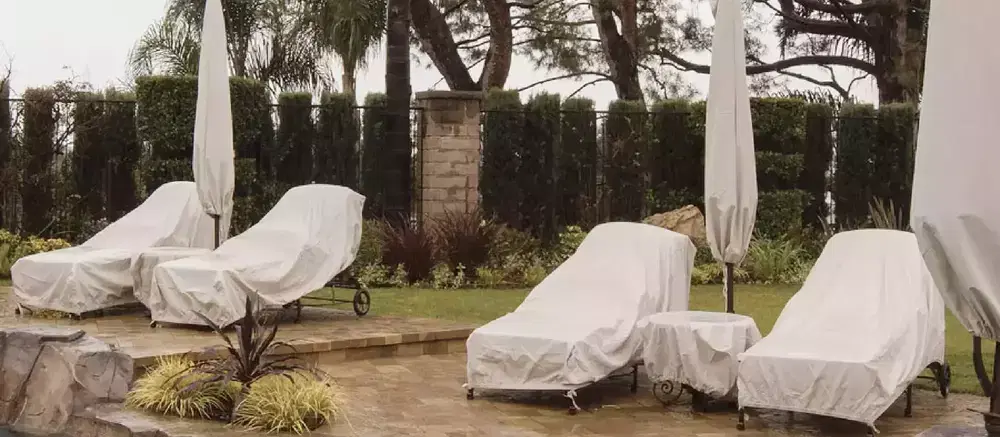
Use breathable covers made for outdoor furniture. Tight covers trap moisture and cause mold. Secure covers to prevent wind damage. Avoid plastic sheets that do not allow air flow. Proper covering reduces exposure to snow and ice. Check covers regularly for tears or water buildup.
Storage Solutions
Store furniture indoors if space allows. A garage or shed offers good protection. Stack chairs and tables carefully to avoid damage. Use furniture bags or blankets for extra safety. If indoor storage is not possible, place furniture on raised platforms. This prevents water damage from ground moisture.
When To Bring Furniture Indoors
Knowing when to bring outdoor furniture indoors is key to keeping it safe during winter. Cold temperatures, snow, and ice can harm your furniture’s material. Watching for signs of damage risk helps decide the right time to move it. Proper storage protects your investment and keeps furniture ready for spring use.
Signs Of Damage Risk
Look for cracks, rust, or fading on your furniture. Worn cushions and fabric tears show vulnerability to winter weather. Wooden pieces may swell or warp from moisture. Metal frames can corrode if exposed to snow and ice. Early signs mean it’s time to bring furniture inside.
Space-saving Storage Ideas
Use plastic bins to store small cushions and accessories. Stack chairs to save floor space in your garage or shed. Hang foldable tables on wall hooks to clear room. Cover furniture with breathable fabric before storing. Proper organization prevents clutter and protects your items.
Alternative Sheltering Options
Place furniture under a covered porch or carport for mild protection. Use outdoor furniture covers designed for winter weather. Build a simple wooden shelter or tent to block snow and rain. Position items close to the house to reduce exposure. These options extend furniture life without full indoor storage.
Credit: thanhcongcraft.com
Expert Advice And Recommendations
Outdoor furniture can face tough conditions during winter. Expert advice helps keep furniture safe and lasting longer. Simple care steps protect your investment through cold months. Follow clear tips for best results.
Seasonal Care Routines
Clean furniture before winter sets in. Remove dirt, leaves, and debris. Use mild soap and water for cleaning. Dry furniture completely to avoid moisture damage. Check for loose screws or broken parts. Tighten or repair them as needed. Store cushions indoors or in dry places. Regularly inspect furniture during winter for any damage.
Best Protective Covers
Choose covers made from waterproof and breathable materials. Covers should fit snugly to prevent wind damage. Look for covers with secure straps or ties. Avoid plastic covers that trap moisture. Remove covers occasionally to air out furniture. Replace worn or torn covers promptly. Proper covers reduce fading and rust problems.
Choosing Winter-resistant Furniture
Select furniture made from durable materials like teak, aluminum, or synthetic wicker. These materials resist moisture and cold better. Avoid untreated wood or metal that rusts easily. Look for powder-coated finishes for extra protection. Choose fabrics designed for outdoor use in cold weather. Investing in winter-resistant furniture reduces maintenance efforts.
Frequently Asked Questions
Can Outdoor Furniture Withstand Winter Weather?
Yes, many outdoor furniture pieces are designed to endure winter conditions. Materials like teak, aluminum, and synthetic wicker resist moisture and cold. Proper maintenance and protective covers can further extend their lifespan during harsh weather.
Should I Cover Outdoor Furniture In Winter?
Covering outdoor furniture during winter is recommended. Covers protect against snow, ice, and moisture damage. They also prevent fading from UV rays. Use breathable, waterproof covers for best protection and to avoid mold buildup.
Is It Safe To Leave Wooden Furniture Outside In Winter?
Wooden furniture can be left outside if properly treated. Use sealants or weatherproof finishes to prevent water absorption and cracking. Regular maintenance is essential to protect wood from freezing temperatures and moisture damage.
How Can I Protect Metal Outdoor Furniture From Rust?
To prevent rust, clean metal furniture regularly and apply rust-resistant paint. Use protective covers and store cushions indoors. Removing accumulated snow promptly also helps avoid moisture buildup that leads to corrosion.
Conclusion
Outdoor furniture can stay out in winter with proper care. Covering pieces helps protect them from snow and rain. Choosing weather-resistant materials also extends their life. Cleaning furniture before winter prevents damage from dirt and moisture. Storing cushions indoors keeps them dry and fresh.
Regular checks catch small problems early on. Enjoy your outdoor space all year, without worry. Simple steps make winter storage easy and effective. Keep your furniture safe, and it will last longer.