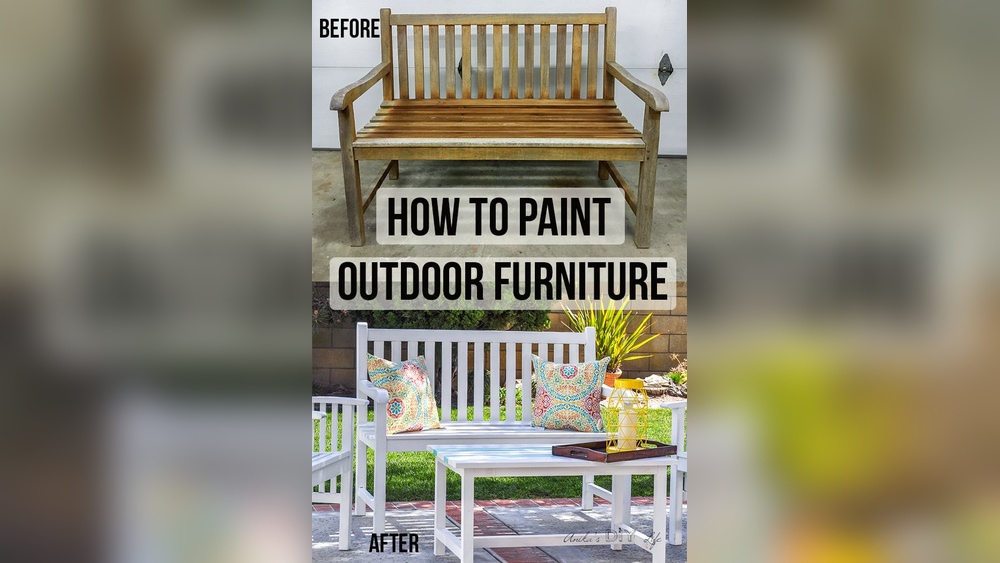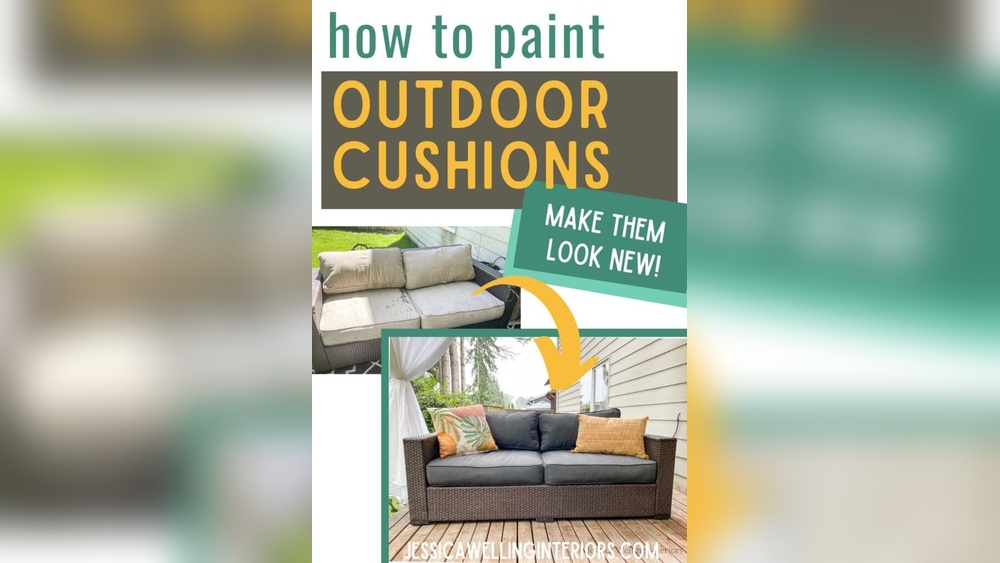
Is your outdoor furniture looking faded or just not matching your style anymore? You might be wondering if you can simply dye the fabric to give it a fresh, new look.
The idea of transforming your cushions and covers with a splash of color is tempting—but is it really possible? Outdoor fabrics are designed to withstand sun, rain, and wear, which makes dyeing them a bit tricky. But don’t worry—this article will walk you through what you need to know before you start, the best methods to try, and how to avoid common mistakes.
Keep reading to discover how you can breathe new life into your outdoor furniture fabric without breaking the bank or ending up with disappointing results.
Dyeing Outdoor Fabrics
Dyeing outdoor fabrics can refresh old furniture and add new style. This process requires understanding fabric types and the right dyes. Outdoor fabrics differ from indoor ones due to their exposure to sun, water, and dirt. Choosing the proper dye ensures color lasts and fabric stays strong. Different materials react differently to dyes. Knowing these details helps avoid damage and achieve the best results.
Fabric Types And Dye Compatibility
Outdoor fabrics usually come in natural or synthetic fibers. Natural fibers include cotton and linen. Synthetic fibers include polyester, acrylic, and olefin. Each fabric type needs specific dyes. Natural fibers absorb dye easily and show bright colors. Synthetic fibers resist many dyes and need special products. Checking fabric labels helps pick the right dye. Using compatible dye improves color quality and durability.
Synthetic Fabrics Challenges
Synthetic fabrics are common in outdoor furniture due to durability. Polyester and acrylic are popular choices. These fabrics do not absorb regular dye well. High heat and special dyes are often needed. DyeMore and other synthetic dyes work best. Dyeing synthetic fabric takes care and patience. Without proper method, colors may fade or look patchy. Testing a small fabric piece before dyeing is smart.
Natural Fabrics And Dyeing
Natural fabrics are easier to dye and offer vibrant results. Cotton and linen soak up dye quickly. Use fiber-reactive or all-purpose dyes for best results. Natural fabrics may require pre-washing to remove finishes. This ensures even color absorption. After dyeing, rinse fabric well and dry in shade. Natural fibers might fade faster in sun but can be refreshed again. They provide a good option for custom outdoor furniture colors.
Choosing Between Dye And Paint
Choosing between dye and paint for outdoor furniture fabric affects the look and life of your pieces. Both methods change fabric color but work in different ways. Understanding their differences helps pick the right option for your needs. Consider durability, color choices, and ease of use before deciding.
Durability And Color Options
Dye soaks into fabric fibers, making color part of the material. This often lasts longer without cracking or peeling. Paint sits on the fabric surface, which may wear off or chip over time. Dyes give more natural, softer colors. Paint offers a wide range of bold, bright shades. Choose dye for subtle, lasting color. Pick paint for vibrant, eye-catching results.
Application Methods
Dye requires soaking or spraying the fabric evenly. It may need heat to set the color well. Paint applies with brushes, rollers, or spray cans. It dries quickly without extra steps. Dyeing can be tricky and messy. Painting gives more control over design and coverage. Both need clean fabric for best results.
Pros And Cons
Dye’s main advantage is deep, lasting color that won’t peel. It can be hard to apply and may not work on synthetic fabrics. Paint is easier to use and good for detailed work. It may crack, peel, or fade with sun and rain. Dye keeps fabric soft, paint can make it stiff. Think about fabric type and how you use your furniture before choosing.
Preparing Fabric For Dyeing
Preparing fabric for dyeing outdoor furniture is a key step. It ensures the dye adheres well and lasts longer. This process involves cleaning, testing, and choosing the right dye. Taking time to prepare fabric helps achieve vibrant and even color results.
Cleaning And Removing Covers
Start by removing the fabric covers from the furniture. Clean the fabric thoroughly to remove dirt, dust, and oils. Use a mild detergent and warm water for washing. Let the fabric dry completely before dyeing. Clean fabric absorbs dye better and produces brighter colors.
Testing Fabric Colorfastness
Test the fabric for colorfastness to avoid surprises. Apply a small amount of dye on a hidden fabric spot. Wait for it to dry and check if the color sticks well. This step shows if the fabric accepts dye or if colors bleed. It prevents damage and saves time.
Selecting The Right Dye Products
Choose dye made for your fabric type. Outdoor furniture fabric is often synthetic, like polyester or acrylic. Use dye designed for synthetic materials for best results. Powder or liquid dyes work well. Follow product instructions carefully to ensure proper dyeing.
Credit: www.ritdye.com
Dyeing Techniques
Dyeing outdoor furniture fabric can refresh your patio’s look. Choosing the right technique matters. Outdoor fabrics often use synthetic fibers. These fibers need special care to hold dye well. Different methods offer different results. Explore the best ways to dye outdoor fabric effectively.
Using Rit Dyemore For Synthetics
Rit DyeMore works well on synthetic fabrics like polyester and nylon. It uses a special formula made for man-made fibers. The dye needs hot water, close to boiling, to set properly. Prepare the fabric by cleaning it first. Soak the fabric in hot water mixed with Rit DyeMore. Stir frequently to ensure even color. This dye gives deeper, longer-lasting colors on synthetics.
Dyeing In Washing Machine
The washing machine can help dye fabric evenly. Use hot water and the right dye type for your fabric. Add the dye to the detergent compartment. Place the fabric inside and run a full wash cycle. Pause the machine to stir the fabric if needed. This method saves time and reduces mess. It works best with removable cushion covers.
Spray Dye Vs. Liquid Dye
Spray dye lets you apply color directly on fabric surfaces. It is easy for touch-ups and small areas. Spray dye dries fast and gives a soft look. Liquid dye soaks deep into fabric fibers. It creates a more uniform and lasting color. Liquid dye suits full fabric pieces and covers. Choose spray dye for quick projects and liquid for full coverage.
Restoring Faded Outdoor Fabrics
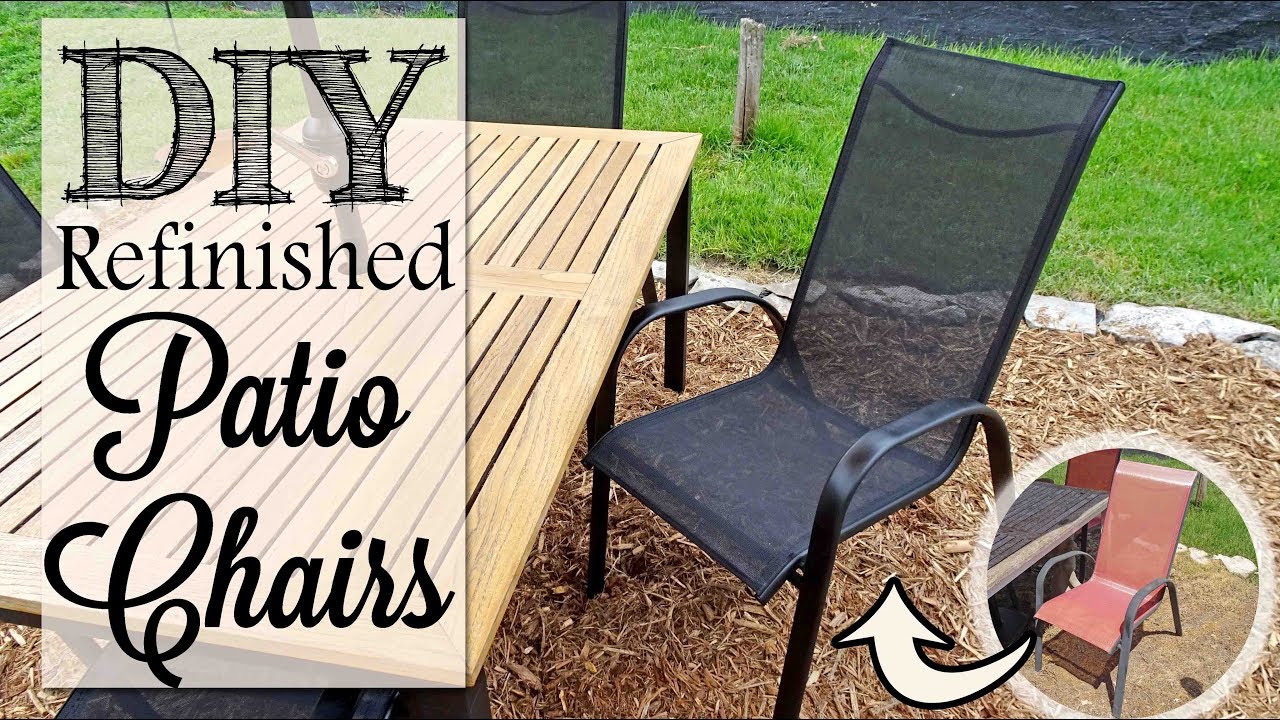
Outdoor furniture fabrics face sun, rain, and dirt every day. These elements cause colors to fade and fabrics to look old. Restoring faded outdoor fabrics brings new life to your patio. It saves money and reduces waste. Many ways exist to refresh and protect these fabrics. Choosing the right method depends on fabric type and color loss.
Color Refresh Methods
Fading happens mostly due to sunlight and weather. Washing fabric first removes dirt and mildew. Use mild soap and cool water to clean. Air dry completely before applying color. For natural fibers, fabric dye works well. Synthetic fabrics need special dyes or paints. Test a small area to check color results. Some fabrics may only lighten or change tone slightly. Multiple coats may be needed for deeper color.
Using Fabric Paints And Stains
Fabric paints and stains stick well to outdoor materials. They come in spray or brush-on forms. Paints cover faded spots and add vibrant color. Choose products designed for outdoor use. These resist water, fading, and cracking. Apply thin, even layers for best results. Let each coat dry before adding more. Protective sealers extend color life. Paints also allow for creative patterns and designs.
Maintenance Tips
Keep fabrics bright longer with regular care. Clean spills and stains quickly to prevent damage. Store cushions in shade or indoors when not used. Use fabric protectors that block UV rays and water. Avoid harsh cleaners that weaken fibers. Rotate cushions to ensure even sun exposure. Repair small tears to stop further wear. Proper upkeep saves time and money on replacements.
Credit: www.youtube.com
Protecting Dyed Outdoor Fabrics
Dyed outdoor fabrics can brighten your patio or garden space. Protecting these fabrics ensures the color stays vibrant and the material lasts longer. Outdoor fabrics face rain, sun, dirt, and wear. Proper care helps maintain the fabric’s look and function after dyeing.
Waterproofing Options
Water can damage dyed fabric and fade colors. Use waterproof sprays made for outdoor textiles. These sprays create a barrier that repels water and stops stains. Apply the spray evenly and let it dry fully. Reapply every few months for best protection. Choose products safe for your fabric type to avoid damage.
Uv Protection
Sunlight breaks down fabric fibers and fades dye. UV protectants block harmful rays and extend fabric life. Many sprays combine waterproofing with UV protection. Use them on all exposed surfaces. Apply in shade and let dry before use. Regular reapplication keeps the fabric shielded from sunlight.
Cleaning And Care After Dyeing
Cleaning dyed fabric needs gentle methods. Use mild soap and cold water to avoid stripping color. Avoid bleach and harsh detergents. Brush off loose dirt before washing. Air dry fabric away from direct sun to keep dye bright. Store cushions indoors during harsh weather to protect the dye and fabric.
Troubleshooting Common Issues
Dyeing outdoor furniture fabric can refresh your patio look. Yet, problems may arise during the process. Troubleshooting these common issues helps achieve better results. Understanding the causes lets you fix problems quickly. This section covers uneven color, fading, dye bleeding, staining, and fabric damage prevention.
Uneven Color And Fading
Uneven color happens when dye does not absorb uniformly. Fabric texture or dirt can block dye absorption. Always clean fabric before dyeing to avoid this. Use a fabric conditioner to help dye spread evenly. Fading occurs from sun exposure and weather. Choose UV-resistant dyes for longer-lasting color. Reapply dye or use fabric protectors to maintain vibrancy.
Dye Bleeding And Staining
Dye bleeding occurs if fabric is too wet or dye is too strong. Avoid soaking fabric excessively before dyeing. Rinse fabric thoroughly after dyeing to remove extra dye. Staining can happen on nearby surfaces or other fabric parts. Use plastic sheets or old towels to protect surrounding areas. Work in small sections to control dye application and avoid spills.
Fabric Damage Prevention
Outdoor fabrics are often synthetic and sensitive to heat. Avoid high temperatures that can weaken fibers or cause melting. Use dyes formulated for synthetic fabrics to prevent damage. Test dye on a small fabric area first. Handle fabric gently during washing and drying. Air dry in shade to protect fabric from sun damage. Proper care extends the life of your dyed outdoor furniture fabric.
Upcycling And Creative Ideas
Upcycling outdoor furniture fabric offers a fresh way to renew tired patio pieces. It saves money and reduces waste. Creative ideas bring new life to old cushions and covers. Simple techniques can change fabric colors or add unique designs. These projects are fun and easy to do at home.
Changing Fabric Colors
Changing fabric colors can transform outdoor cushions instantly. Use fabric dyes made for synthetics if your fabric is polyester or nylon. Always test a small area first to see how the fabric reacts. Some outdoor fabrics resist dye, so expect subtle changes. Dark colors cover stains well and brighten faded fabric.
Mixing Paint And Dye
Mixing fabric paint with dye creates unique color effects. Fabric paint adds texture and patterns over dyed fabric. Choose outdoor fabric paint to withstand sun and rain. Apply paint with brushes or stencils for creative designs. This technique lets you customize cushions with your style.
Diy Outdoor Cushion Makeovers
DIY cushion makeovers refresh old seating without buying new covers. Remove cushion covers and clean them well before dyeing or painting. Use spray fabric paint for even coverage and quick drying. Add new piping or trim for a polished look. Small changes make a big difference in outdoor spaces.

Credit: www.aliceandlois.com
Frequently Asked Questions
Can I Dye Outdoor Furniture Fabric?
Outdoor furniture fabric, often synthetic, resists traditional dyeing. Use specialized dyes like Rit DyeMore for synthetics or fabric paint for better results.
What Fabrics Cannot Be Dyed?
Natural fibers like leather, suede, and vinyl cannot be dyed effectively. Synthetic fabrics such as polyester and nylon resist dye absorption. Heat-sensitive or coated materials also do not take dye well. These fabrics require special paints or treatments instead of traditional dyes.
Is It Better To Paint Or Dye Fabric?
Dyeing fabric offers deeper, longer-lasting color, especially on natural fibers. Painting suits synthetic or outdoor fabrics needing surface coverage. Choose based on fabric type and desired durability.
How To Restore Faded Outdoor Fabric?
Clean the fabric thoroughly, then apply a fabric-specific dye or outdoor fabric spray paint. Let it dry in shade.
Conclusion
Dyeing outdoor furniture fabric can refresh its look and extend its life. Synthetic fabrics like polyester may not absorb dye well. Using fabric paint or spray paint often gives better results. Always test on a small area first to avoid damage.
Choose dyes or paints made for outdoor use to resist fading. Proper cleaning before dyeing improves color uptake. With patience, you can brighten your outdoor space affordably. Try simple steps to update your furniture fabric today.