Have you ever wondered how many books your average bookshelf can hold? Whether you’re planning to organize your collection or thinking about buying a new shelf, knowing this number can make a big difference.
Imagine having just the right amount of space for your favorite novels, cookbooks, or work files—without overcrowding or wasted room. You’ll discover simple ways to estimate how many books fit on a typical bookshelf, plus tips to maximize your storage.
Keep reading to unlock the secret to a perfectly stocked shelf that matches your reading habits and style.
Average Bookshelf Capacity
Knowing the average bookshelf capacity helps plan your book collection. It lets you see how many books fit without crowding.
Bookshelves come in many sizes. Each shelf holds a different number of books depending on space and book size.
Standard Shelf Dimensions
Most bookshelves have shelves about 10 to 12 inches deep. Height between shelves ranges from 10 to 12 inches. Width varies widely, but a common width is 30 to 36 inches.
These sizes suit most books and keep shelves balanced and strong.
Typical Book Sizes
Books come in many sizes. Paperbacks often measure about 7 to 8 inches tall and 4 to 5 inches wide. Hardcovers can be larger, about 9 to 11 inches tall and 6 to 7 inches wide.
Knowing book sizes helps estimate how many can fit on each shelf.
Shelf Space Utilization
Books stand side by side on shelves. A 36-inch wide shelf can hold roughly 7 to 9 paperbacks or 5 to 6 hardcovers per row. Stacking books can increase capacity but may cause damage.
Good shelf space use keeps books easy to reach and in good shape.

Credit: yaleclimateconnections.org
Factors Affecting Book Count
Several factors influence how many books fit on a typical bookshelf. These factors vary widely, affecting the total book count. Understanding them helps estimate shelf capacity better.
Shelf Height And Width
The size of a shelf directly impacts its book capacity. Taller shelves hold more books vertically. Wider shelves fit more books side by side. Both dimensions matter for total storage.
Some shelves have adjustable heights. This allows fitting different book sizes. Fixed shelves limit options and reduce capacity for taller books.
Book Thickness Variations
Books come in many thicknesses. Thin paperbacks take less space than thick hardcovers. A shelf full of thin books holds more titles.
Large art books or textbooks reduce the number of books per shelf. Mixed thicknesses make it harder to predict capacity accurately.
Arrangement Styles
Books can be arranged vertically or stacked horizontally. Vertical arrangement usually fits more books. Horizontal stacks take extra space but offer easy access.
Some people mix arrangements for style or convenience. This affects how many books a shelf can hold overall.
Bookshelf Types And Their Capacity
Bookshelves come in many shapes and sizes. Each type holds a different number of books. Knowing the capacity helps you choose the right shelf for your space and needs.
The style and design affect how many books fit. Some shelves are deep and tall. Others are small and narrow. The material and build also matter. Let’s explore popular bookshelf types and their book capacity.
Freestanding Bookshelves
Freestanding bookshelves are common and easy to move. They usually have several shelves stacked vertically. A typical freestanding shelf holds between 50 and 150 books. The exact number depends on shelf width and height. Wider shelves fit more books. Taller shelves add more levels for storage. These shelves work well in living rooms and offices.
Built-in Shelves
Built-in shelves attach to walls permanently. They often use space efficiently from floor to ceiling. Built-in shelves can store a large collection of books. Some hold over 200 books or more. Custom designs maximize space and book capacity. These shelves blend into the room’s architecture. They are perfect for home libraries or study rooms.
Floating Shelves
Floating shelves mount directly on the wall with no visible supports. They are stylish and save floor space. Floating shelves usually hold fewer books than other types. Most hold about 10 to 30 books per shelf. The number depends on shelf length and weight limits. These shelves suit small spaces or decorative displays.

Credit: tribesigns.com
Organizing Books Efficiently
Organizing books efficiently helps keep shelves neat and easy to use. It saves time and space. Proper arrangement also protects books from damage. Knowing different methods can improve your bookshelf’s look and function.
Vertical Vs Horizontal Stacking
Vertical stacking means placing books upright. This method shows titles clearly. It uses less shelf space. Horizontal stacking lays books flat in piles. It works well for heavy or large books. Both styles can mix to create balance. Choose based on your shelf size and book types.
Using Bookends And Dividers
Bookends keep vertical stacks stable. They stop books from falling over. Dividers separate sections or genres. They make finding books easier. Both tools help organize without crowding shelves. Use simple, sturdy materials for best support.
Maximizing Small Spaces
Small shelves need smart solutions. Use vertical space by adding extra shelves. Stack thin books horizontally to save room. Store books behind others if space is tight. Keep frequently used books at eye level. This keeps your collection tidy and accessible.
Unexpected Insights On Book Storage
Many people think of bookshelves as simple places for books. Yet, they often hold surprises. Bookshelves tell stories beyond just words on pages. Understanding these hidden facts helps us see how we store books differently.
These insights also explain why the number of books on a shelf varies widely. Space, habits, and technology shape what sits on those shelves.
Non-book Items On Shelves
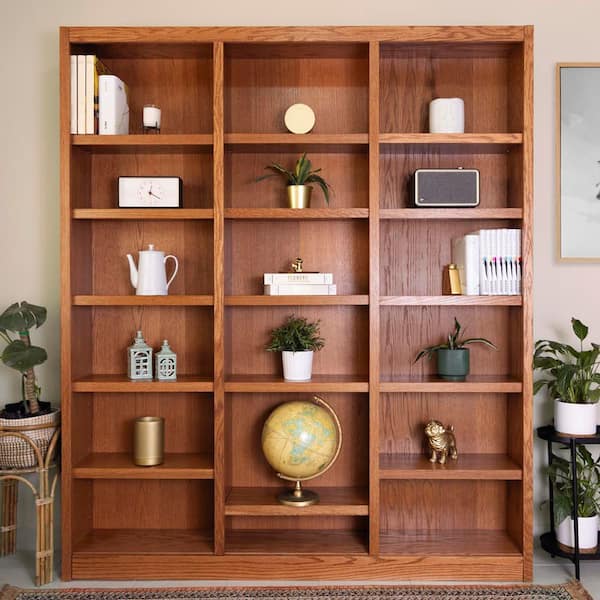
Bookshelves often hold more than books. People add photos, plants, or keepsakes. These items fill empty spaces and add personal touches. They also reduce room for books. This makes the average book count lower than expected.
Decorations break the rows of books. They make shelves look lively and unique. Non-book items show a mix of interests, not just reading habits.
Seasonal Book Rotation
Many readers swap books by season. Summer reads might be light, fast stories. Winter shelves could hold thick novels or holiday themes. This rotation changes what appears on shelves.
Seasonal changes mean shelves rarely look the same year-round. Some books stay stored away, waiting for the right time. This affects how many books are visible at any moment.
Digital Vs Physical Collection Impact
Digital books reduce shelf space needs. People with many e-books buy fewer physical books. This lowers the average number of books on shelves.
Still, some prefer the feel of real books. They keep favorites on shelves for easy access and decoration. Digital collections change how we use shelves but don’t replace them fully.
Credit: www.homedepot.com
Frequently Asked Questions
How Many Books Fit On An Average Bookshelf?
An average bookshelf holds about 20 to 40 books. This depends on shelf size and book dimensions. Standard shelves are usually 3 feet wide and 10-12 inches deep.
What Factors Affect Bookshelf Book Capacity?
Book size, shelf width, and shelf height impact capacity. Thick books take more space. Adjustable shelves can help fit more books efficiently.
How To Maximize Books On A Small Bookshelf?
Use vertical stacking and adjustable shelves. Arrange books by size and orientation. Removing dust jackets can save space. This method increases storage without extra shelves.
Do Bookshelf Designs Influence Book Storage?
Yes, open shelves and cubbies affect capacity. Deeper, taller shelves hold larger books. Closed cabinets protect books but reduce visible space.
Conclusion
An average bookshelf holds about 20 to 30 books. Size and book thickness change this number. Small shelves fit fewer books, big ones hold more. Organizing books by size helps use space well. Knowing this helps plan your reading area better.
Choose shelves that match your book collection size. Keep your books easy to find and enjoy. A well-filled shelf makes any room feel cozy. Think about your own books before buying shelves. Simple steps lead to a neat, inviting book space.
