Are you wondering when your toddler is ready to sleep in a big bed? Moving from a crib to a bigger bed is a big step for both you and your child.
You want to make sure the timing is just right for your little one’s safety and comfort. This decision can feel overwhelming, but knowing the right age and signs to watch for will help you feel confident and calm. Keep reading to discover exactly how old your toddler should be before making this important change—and how to make the transition smooth for your whole family.

Credit: www.amazon.com
Ideal Age For Big Bed Transition
Choosing the right time to move your toddler to a big bed is important. The ideal age varies for each child. Parents should watch for signs that show readiness. This helps make the change smooth and safe.
Signs Your Toddler Is Ready
Your toddler may climb out of their crib often. They might ask to sleep in a big bed. Some children show interest in picking their own bed. They may also express a need for more space to move.
Typical Age Range
Most toddlers switch between 18 months and 3 years old. Many parents choose around 2 years. This age suits many children’s growth and development. Yet, some toddlers may be ready earlier or later.
Factors Influencing Readiness
Physical ability matters. Your child should be able to climb in and out safely. Emotional readiness counts too. Some kids feel secure in their crib longer. Family routines and safety also affect timing.
Benefits Of Moving To A Big Bed
Moving a toddler to a big bed brings many benefits. It supports growth and new skills. Toddlers feel proud and confident in their new space. Parents also notice positive changes in bedtime routines. The switch helps toddlers feel more in control. It can make sleep time calmer and easier. Safety remains a key part of this transition.
Boosting Independence
A big bed lets toddlers get in and out alone. They learn to manage their bedtime routines. This freedom builds self-confidence and a sense of responsibility. Toddlers enjoy their own space and control. It encourages decision-making and personal growth.
Improved Sleep Quality
Big beds offer more room to move comfortably. Toddlers can find a cozy position to sleep better. Less waking up during the night improves rest. A big bed can reduce feelings of being trapped. Better sleep helps toddlers feel happier and healthier.
Safety Considerations
Big beds need guardrails to prevent falls. Ensure the bed is low to the ground for safety. Remove hard or sharp objects nearby the bed. Teach toddlers how to use the bed safely. A safe sleep environment protects toddlers during the night.
Preparing Your Toddler
Preparing your toddler for the big bed is an important step. It helps your child feel safe and excited about the change. Toddlers need time to adjust to the new sleeping space. Parents can guide them with patience and care.
Introducing The Big Bed
Start by showing the big bed during the day. Let your toddler explore it and sit or lie down. Talk about how fun and comfortable the big bed is. Read books or play games near the bed to create positive feelings. Avoid rushing the move to keep your child calm.
Creating A Comfortable Sleep Environment
Make the new bed cozy with soft sheets and favorite blankets. Choose calming colors for the room and keep it tidy. Use a nightlight if your toddler feels scared in the dark. Remove toys or items that might distract from sleep. A peaceful space helps toddlers relax and fall asleep easier.
Establishing A Bedtime Routine
Keep a simple, consistent routine before bed. Bath time, brushing teeth, and reading a story work well. Follow the same steps each night to build habits. This routine signals to your toddler that sleep time is near. Calm and steady routines help toddlers settle quickly in their big bed.
Common Challenges And Solutions
Moving a toddler to a big bed brings many new experiences. Parents often face some common challenges. These issues can affect sleep quality for both toddlers and parents. Understanding these problems helps find simple solutions.
Fear Of Falling
Toddlers may feel scared about falling out of a big bed. This fear can cause anxiety and trouble sleeping. Parents can use bed rails to make the bed safer. Placing soft rugs beside the bed helps reduce injury risk. Comfort items like a favorite blanket or stuffed toy also ease fear. Gentle reassurance and patience build toddler confidence over time.
Bedtime Resistance
Big beds often bring new excitement, making toddlers resist bedtime. They may want to play instead of sleep. Establishing a consistent bedtime routine helps toddlers settle down. Calm activities like reading or quiet songs create a peaceful mood. Setting clear limits and staying firm encourages cooperation. Keeping the room dark and quiet supports better sleep habits.
Night Wakings
Toddlers in big beds may wake up more at night. They might explore or feel unsure about the new bed. Parents should gently guide them back to bed without making it a big event. Using a night light can provide comfort without being too bright. Responding calmly helps toddlers feel safe and learn to fall asleep alone. Over time, night wakings usually decrease with patience and routine.
Safety Tips For Big Bed Sleep
Safety is key when toddlers move to a big bed. This step feels big for kids and parents alike. Creating a safe sleep space reduces worries and helps children rest well. Follow clear safety tips to protect your toddler during this transition.
Choosing The Right Bed And Mattress
Select a bed low to the ground to prevent injuries from falls. Choose a mattress that fits snugly inside the bed frame. Avoid gaps where your child could get stuck. Pick firm mattresses that support growing bodies well. Soft mattresses may cause discomfort or unsafe sleeping positions.
Using Bed Rails And Guards
Bed rails stop toddlers from rolling off during sleep. Install rails on both sides if the bed is not against a wall. Check that rails are sturdy and securely attached. Choose rails with small gaps to avoid head or limb trapping. Remove rails when your child learns to climb safely.
Childproofing The Room
Clear the floor around the bed to prevent tripping. Keep cords, blinds, and small objects out of reach. Use outlet covers on all electrical sockets. Place soft rugs or mats near the bed for added cushion. Secure furniture to walls to avoid tipping accidents.

Credit: raisingchildren.net.au
Expert Recommendations
Expert advice helps parents decide the right age for big bed toddlers. Experts focus on safety, comfort, and readiness. They guide parents through the transition step by step.
Consulting Pediatricians
Pediatricians know child development best. They can suggest the right age for a big bed. They check if a child is ready physically and emotionally. Parents should ask about sleep habits and safety tips.
Incorporating Child’s Preferences
Children feel more secure when included in decisions. Asking their opinion can ease the change. Some kids want a big bed early. Others prefer their crib longer. Respect their feelings to reduce fear and stress.
Adjusting The Transition Pace
Every child is unique. Moving too fast may cause sleep problems. Experts recommend a slow, steady change. Start with naps in the big bed. Then move to nighttime sleep. Watch your child’s comfort and adjust timing.
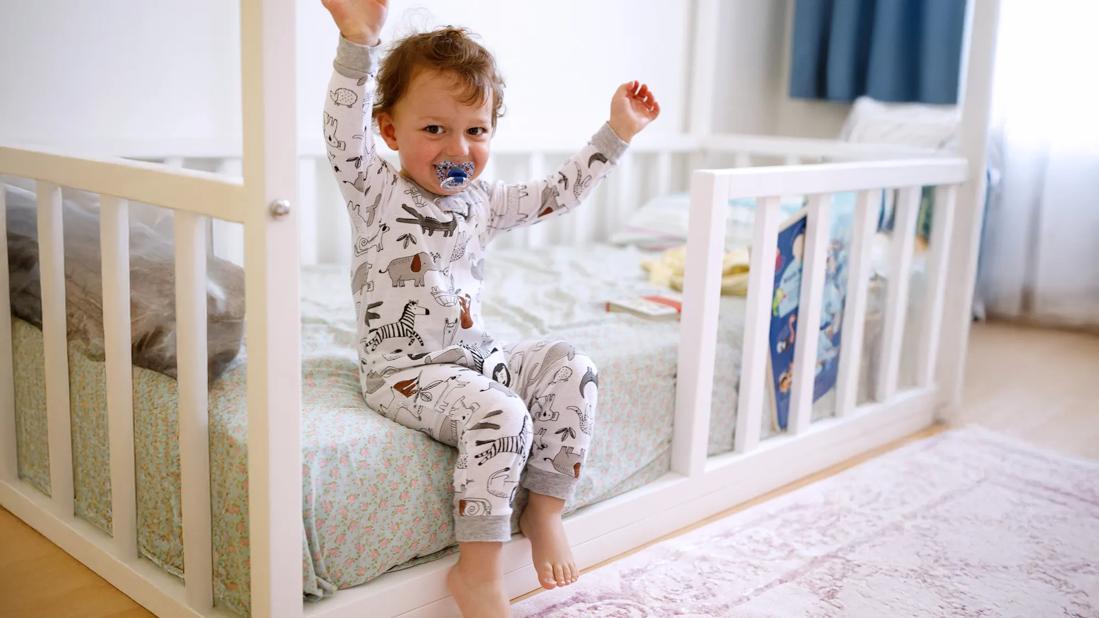
Credit: health.clevelandclinic.org
Frequently Asked Questions
At What Age Should Toddlers Switch To A Big Bed?
Most toddlers transition to a big bed between 18 months and 3 years old. This depends on their readiness and safety needs.
How To Know If A Toddler Is Ready For A Big Bed?
Signs include climbing out of the crib, showing interest in a big bed, and staying in bed through the night.
What Are The Safety Tips For Toddlers In Big Beds?
Use guardrails, keep the bed low, and remove sharp objects nearby. Ensure the room is childproof for safe sleeping.
Can Switching To A Big Bed Affect Toddler Sleep?
Yes, it may cause initial sleep disturbances. Maintain a consistent bedtime routine to help toddlers adjust smoothly.
Conclusion
Toddlers can start sleeping in big beds around age two to three. Every child grows at their own pace, so watch for readiness signs. Safety matters most—use guardrails and a low bed. A big bed can help toddlers feel more independent and comfortable.
Keep bedtime routines consistent to ease the transition. Remember, patience and support make the change smooth. This step helps your child grow and learn. Trust your instincts and enjoy this new stage together.