Your bedroom should be more than just a place to sleep—it should be a peaceful sanctuary that supports your well-being. Arranging your bedroom furniture according to Feng Shui principles can transform your space into a calm, balanced environment where positive energy flows freely.
But how do you start? Where should your bed go, and what should you avoid? In this guide, you’ll learn simple yet powerful Feng Shui tips to arrange your bedroom furniture in a way that promotes restful sleep, harmony, and even better relationships.
Keep reading to discover practical steps you can take right now to create a bedroom that truly supports you.
:max_bytes(150000):strip_icc()/prAWN4D8-5ac234d6dfa04189aa5f2693eaf5c692.jpeg)
Credit: www.thespruce.com
Feng Shui Basics For Bedrooms
Feng Shui basics for bedrooms focus on creating a calm, balanced space. The goal is to arrange furniture to support good energy flow. This helps improve rest, relaxation, and harmony. Simple changes can make a big difference in how your bedroom feels.
Understanding key Feng Shui principles guides your furniture placement. It helps you choose colors and materials that promote peace. A well-arranged bedroom encourages positive energy and better sleep quality.
Energy Flow And Balance
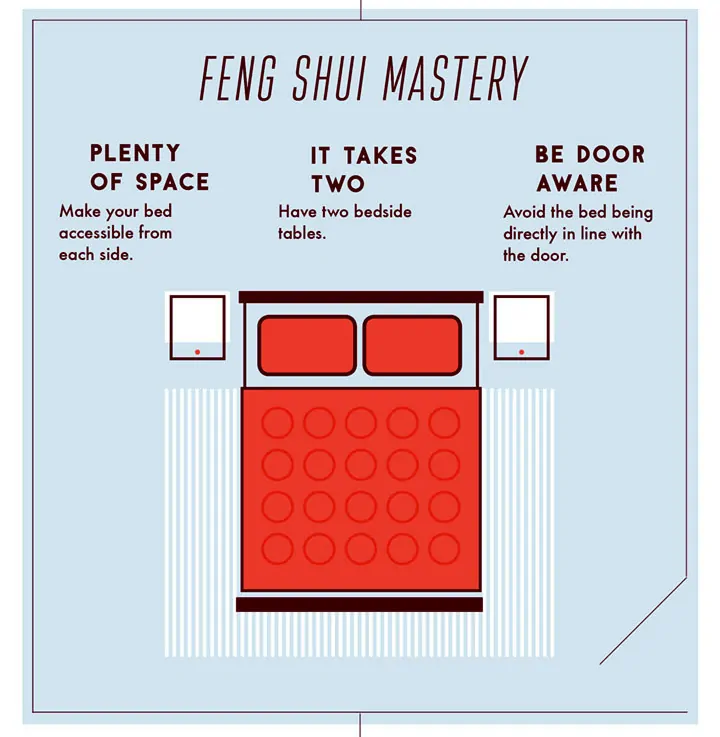
Energy, or “chi,” should flow smoothly in the bedroom. Avoid blocking pathways with furniture. Leave space around the bed for easy movement. Position the bed so you see the door but are not directly in line with it. This placement offers a sense of security.
Balance the room by placing furniture evenly on both sides of the bed. Symmetry creates harmony and calm. Remove clutter to allow energy to circulate freely. Keep the space open and tidy for the best results.
Choosing Colors And Materials
Colors affect mood and energy in Feng Shui. Use soft, calming tones like beige, light blue, or pale green. These colors promote rest and relaxation. Avoid bright or harsh colors that create tension.
Natural materials support positive energy. Choose wood furniture and cotton or linen fabrics. These elements feel warm and inviting. Avoid plastic or metal pieces that can create coldness or noise.
Keep textures smooth and gentle. Soft bedding and curtains help create a cozy, peaceful atmosphere. These simple choices enhance the room’s energy and comfort.
Ideal Bed Placement
Placing the bed correctly is a key step in arranging bedroom furniture with Feng Shui. The bed’s position affects your energy, comfort, and rest. Choosing the right spot helps create a calm, balanced space. This section explains the ideal bed placement for better sleep and harmony.
Commanding Position Benefits
The commanding position means you see the door from your bed. It gives a feeling of safety and control. This position reduces anxiety and improves relaxation. Avoid placing the bed directly in line with the door. Instead, position it diagonally or to the side. This way, you stay aware without facing the door directly.
Avoiding Door Alignment
Do not place the bed in direct line with the bedroom door. Energy flows too fast and disturbs rest here. This placement brings restlessness and stress. Keep some distance between the bed and door path. Use furniture or a screen to block direct energy flow. This creates a peaceful, protected sleep zone.
Facing A Pleasant View
Position the bed to face a window or a wall with a nice view. A pleasant view relaxes the mind and body. Avoid facing the bed toward a blank wall or clutter. Natural light and outdoor scenes help balance energy. Choose a view that feels calm and inviting for better rest.
Arranging Other Furniture
Arranging other furniture in your bedroom affects the energy flow and comfort. Each piece should fit the room’s purpose and Feng Shui principles. Thoughtful placement helps create a calm, balanced space.
Balancing Large And Small Items
Mix large furniture with smaller pieces to keep balance. Avoid crowding one side of the room with big items. Spread them out to create harmony and visual interest. This balance supports positive energy and calmness.
Grouping By Function
Group furniture by their use to keep the room organized. Place dressers near the closet for easy access. Keep a reading chair close to a light source. Functional grouping helps energy flow smoothly and makes the room feel peaceful.
Maintaining Clear Pathways
Clear pathways are essential in Feng Shui for good energy flow. Leave space to walk freely around furniture. Avoid blocking doors or windows with large pieces. Open paths invite calm and relaxation into your bedroom.
Symmetry And Harmony
Symmetry and harmony create a peaceful and balanced bedroom. They help energy flow smoothly. A balanced room feels calm and inviting. This balance supports restful sleep and positive vibes. Simple steps can bring symmetry and harmony to your space. Focus on equal placement and matching items to achieve this balance.
Using Nightstands For Balance
Place nightstands on both sides of the bed. This creates visual balance and equal space for each side. Matching nightstands add to the room’s symmetry. They hold lamps, clocks, and personal items evenly. This setup promotes fairness and harmony in relationships. Nightstands also keep the area organized and clutter-free.
Creating Visual Stability
Arrange furniture so the room feels steady and stable. Use pairs of items like lamps or chairs to balance the space. Avoid overcrowding one side of the room. Keep pathways clear to allow smooth movement. Choose furniture that fits the room size well. Visual stability helps the mind relax and feel secure.
Mirror Placement Tips
Mirrors can affect the energy flow in your bedroom. Proper mirror placement supports good Feng Shui. Placing mirrors with care helps create a calm, restful space. Avoid bad reflections that disturb your sleep or energy.
Avoiding Mirrors Facing The Bed
Mirrors should not face the bed directly. This placement can cause restless energy. It may disturb your sleep and cause anxiety. Energy bounces off mirrors and reflects back to you. This reflection can create a feeling of being watched. Keep mirrors away from the bed’s direct line of sight. Cover mirrors at night if they cannot be moved.
Alternative Mirror Locations
Place mirrors on side walls instead of opposite the bed. Mirrors near the door can expand the space and invite positive energy. A mirror on a closet door works well too. Position mirrors to reflect natural light rather than the bed. Use smaller mirrors or decorative ones to soften their effect. This way, mirrors add beauty without harming your rest.
Managing Clutter And Space
Managing clutter and space plays a vital role in Feng Shui for your bedroom. A clean, open area encourages positive energy flow and creates a calming atmosphere. Overcrowded rooms block energy and disrupt rest. Organizing your bedroom helps maintain balance and peace, which Feng Shui aims to achieve.
Decluttering Strategies
Start by removing items you no longer use or need. Keep surfaces clear to allow energy to move freely. Store belongings in closed containers to reduce visual noise. Regularly sort through clothes, books, and accessories. Avoid piling items on the floor or furniture. A tidy room invites calm and relaxation.
Maximizing Small Bedroom Layouts
Use furniture that fits the size of your room. Choose pieces with built-in storage to save space. Arrange the bed away from doors but accessible from both sides. Keep pathways clear to enhance energy flow. Mirrors can open up the space but avoid placing them opposite the bed. Light colors and simple designs help the room feel larger.
Noise And Draft Considerations
Noise and drafts can disturb your sleep and upset the peaceful energy in your bedroom. Feng Shui encourages creating a calm and cozy space. Managing sounds and air flow is key to achieving this balance. Consider where your furniture sits to reduce distractions and keep energy steady throughout the room.
Keeping Bed Away From Noise
Place your bed far from noisy areas like doors or busy streets. Walls that block sound help keep your sleeping space calm. Avoid positioning your bed under or near loud appliances. This placement supports restful sleep and positive energy flow. Soft rugs and curtains can also absorb sound and create a quiet zone around your bed.
Shielding From Drafty Windows
Drafts bring unstable energy and can make you feel cold or restless. Avoid placing the bed directly in front of or beneath windows that let in wind. Use heavy curtains or blinds to block drafts and control light. If possible, arrange furniture to shield the bed from open windows. This setup keeps your bedroom warm and comfortable, supporting better rest and relaxation.
Credit: www.dreams.co.uk
Color And Decor Choices
Choosing the right colors and decor in your bedroom can greatly improve the room’s energy. Feng Shui focuses on calmness and balance. Colors and textures should create a peaceful, soothing atmosphere. They help your mind relax and your body rest.
Use colors that reflect nature and comfort. Avoid bright or harsh colors that cause tension. Soft tones invite positive energy and peaceful sleep. Decorating with care supports the overall harmony of the space.
Calming Earth Tones
Earth tones like beige, soft browns, and muted greens bring warmth. These colors connect you to nature and stability. They create a grounded feeling in the bedroom. Light terracotta or sandy shades also add a gentle touch. Choose colors that feel relaxing, not overwhelming. Paint walls or use bedding in these hues to set a calm mood.
Selecting Soothing Textures
Textures add comfort and depth to your room’s design. Soft fabrics like cotton, linen, and wool work well. They invite touch and soften the room’s energy. Avoid rough or shiny materials that can feel harsh. Use rugs, cushions, and curtains to introduce cozy textures. These choices make your bedroom feel safe and welcoming.
Common Feng Shui Mistakes
Many people make simple mistakes when arranging bedroom furniture using Feng Shui principles. These errors can block good energy and disturb peace. Avoiding common Feng Shui mistakes helps create a calm, balanced space for rest and renewal.
Furniture Blocking Energy
Placing large furniture pieces in front of doors or windows blocks energy flow. This causes stagnant energy, which reduces harmony in the room. Beds should not face the door directly but be visible from it. Avoid cluttering pathways with chairs or dressers. Clear paths allow energy to move freely and promote relaxation.
Poor Lighting And Airflow
Dark, stuffy rooms trap negative energy and cause discomfort. Natural light is important to refresh the space and uplift mood. Open windows regularly to let fresh air circulate. Use soft lighting to create a soothing atmosphere. Avoid harsh or flickering lights that disturb calmness. Good airflow and light improve energy quality and support restful sleep.

Credit: www.castlery.com
Frequently Asked Questions
How To Place Furniture In Bedroom Feng Shui?
Place the bed against a solid wall, facing the door but not aligned with it. Avoid mirrors facing the bed. Use symmetrical furniture and calming earth tones. Keep paths clear and declutter. Ensure both sides of the bed are accessible for balanced energy flow.
What Is The 3-5-7 Rule In Decorating Feng Shui?
The 3-5-7 rule in Feng Shui means arranging items in groups of 3, 5, or 7. This creates balance, harmony, and positive energy flow in décor.
How Should Bedroom Furniture Be Arranged?
Place the bed against a solid wall, ideally opposite the door. Keep clear pathways for easy movement. Balance large and small furniture. Avoid mirrors facing the bed. Use calming colors and maintain symmetry for harmony and better flow in the bedroom.
What Is The Best Direction For Your Bed To Face?
Place your bed against a solid wall, ideally facing the room’s entrance but not directly in line with the door. Position it to enjoy a pleasant view while avoiding drafts and noise. This setup promotes better sleep and positive energy flow.
Conclusion
Arranging bedroom furniture with Feng Shui creates calm and balance. Position your bed wisely to feel safe and relaxed. Keep space clear to let energy flow smoothly. Use simple, natural colors to enhance peace. Avoid clutter and mirrors facing the bed.
These small changes improve rest and harmony. Your bedroom can become a peaceful retreat. Try these tips for better sleep and comfort. Enjoy a balanced and restful space every night.