Are you ready to create a beautiful bookshelf that fits your space perfectly? Building your own bookshelf might sound tricky, but with the right steps, you can do it yourself—even if you’re new to woodworking.
Imagine having a custom piece that holds your favorite books and shows off your style. In this guide, you’ll find clear, simple instructions that make the process easy and enjoyable. Keep reading, and by the end, you’ll have the confidence and know-how to build a bookshelf you’ll be proud of.
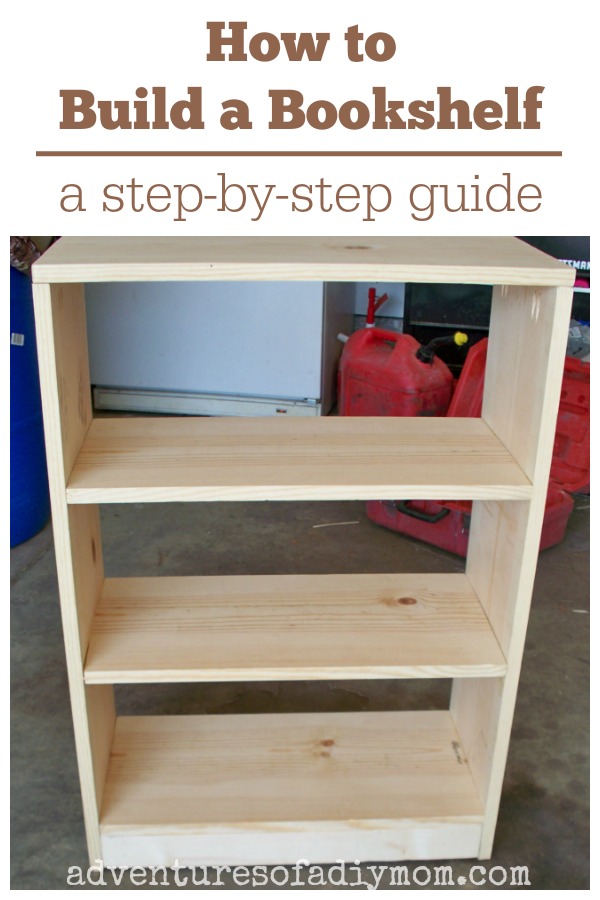
Credit: www.adventuresofadiymom.com
Materials And Tools Needed
Building a bookshelf starts with gathering the right materials and tools. Having everything ready makes the project smooth and efficient. This section covers the wood choices, necessary tools, and safety gear to prepare before you begin.
Choosing The Right Wood
Pick wood that is strong and easy to work with. Pine and plywood are good choices for beginners. Pine is soft and cuts easily. Plywood offers stability and less warping. Avoid wood with many knots or cracks. Measure the size of your bookshelf to buy enough wood. Smooth wood surfaces save time on sanding later.
Essential Tools For The Project
Use tools that help cut, join, and finish the wood. A saw, either hand or power, is needed for cutting. A drill makes holes for screws. Sandpaper or a sander smooths the wood surfaces. A screwdriver or drill driver tightens screws. A measuring tape and square help keep lines straight and accurate. Clamps hold pieces together while gluing or screwing.
Safety Gear To Wear
Protect yourself with proper safety equipment. Safety glasses shield your eyes from dust and wood chips. Gloves protect your hands from splinters and sharp tools. Hearing protection reduces noise from power tools. A dust mask stops you from breathing in sawdust. Wear closed-toe shoes to guard your feet. Always keep safety gear on while working.
Planning Your Bookshelf
Planning your bookshelf is the first step to a successful build. It sets the foundation for the entire project. Careful planning saves time and materials. It helps avoid mistakes and ensures the shelf fits perfectly in your space. Follow these steps to plan your bookshelf clearly and simply.
Measuring Your Space
Measure the area where the bookshelf will go. Use a tape measure for accuracy. Note the height, width, and depth available. Check for obstacles like vents, outlets, or baseboards. Write down all measurements clearly. This information guides your shelf size and shape.
Designing The Shelf Layout
Decide how many shelves you want. Think about the items you will place on them. Plan shelf heights to fit books or decorations. Sketch your design on paper or use simple software. Keep the design balanced and easy to use. Remember, more shelves mean more storage space.
Creating A Cutting List
List all wood pieces needed for the bookshelf. Include sides, shelves, back panels, and supports. Write down the exact length, width, and thickness for each piece. This list helps when buying materials and cutting wood. Double-check measurements to avoid errors. A clear cutting list makes building smoother.
Cutting The Wood Pieces
Adding backing and supports is a key step in building a sturdy bookshelf. It helps keep the shelves strong and prevents the unit from wobbling. This part also protects the wall and gives the bookshelf a clean finish. Follow these steps carefully to ensure your bookshelf stands firm and looks great.
Attaching The Back Panel
Start by measuring the back panel to fit the bookshelf frame. Use thin plywood or hardboard for a smooth finish. Place the panel flat against the back of the frame. Secure it with small nails or screws around the edges. Check that the panel sits flush with the frame. This backing adds strength and keeps dust out of the shelves.
Installing Shelf Supports
Next, add shelf supports to hold the shelves in place. Choose metal brackets, wooden cleats, or shelf pins. Mark the desired height for each shelf inside the frame. Attach the supports evenly on both sides. Make sure they are level and secure. Proper supports stop the shelves from sagging under weight.
Reinforcing Stability
Finally, reinforce the bookshelf’s stability by adding corner braces or L-brackets. Fix these inside the corners where shelves meet the frame. Tighten all screws and check for any loose parts. You can also anchor the bookshelf to the wall for extra safety. This step prevents tipping and keeps your bookshelf steady.

Credit: woodworkingacademy.com
Assembling The Frame
Placing and organizing your new bookshelf is a key step. It helps your room look neat and your books stay safe. Arranging the shelves right makes it easier to find your books and display your favorite items. Let’s explore how to position the bookshelf, arrange your books and decor, and keep it in good shape.
Positioning The Bookshelf
Choose a spot with enough light for reading. Avoid direct sunlight to protect books from fading. Place the bookshelf against a wall to keep it stable. Leave some space around it for air flow. Check that it does not block doors or windows. Make sure the floor is flat to prevent wobbling.
Arranging Your Books And Decor
Sort books by size or subject for easy access. Use vertical and horizontal stacks to add variety. Place heavier books on lower shelves for safety. Add decor items like plants or photo frames sparingly. Keep some empty space to avoid clutter. Group similar items to create a balanced look.
Maintenance Tips
Dust the bookshelf weekly to keep it clean. Wipe shelves with a dry cloth to avoid moisture. Check screws and joints regularly for tightness. Avoid overloading shelves to prevent damage. Rotate books occasionally to reduce wear on spines. Use coasters under decor to protect surfaces.
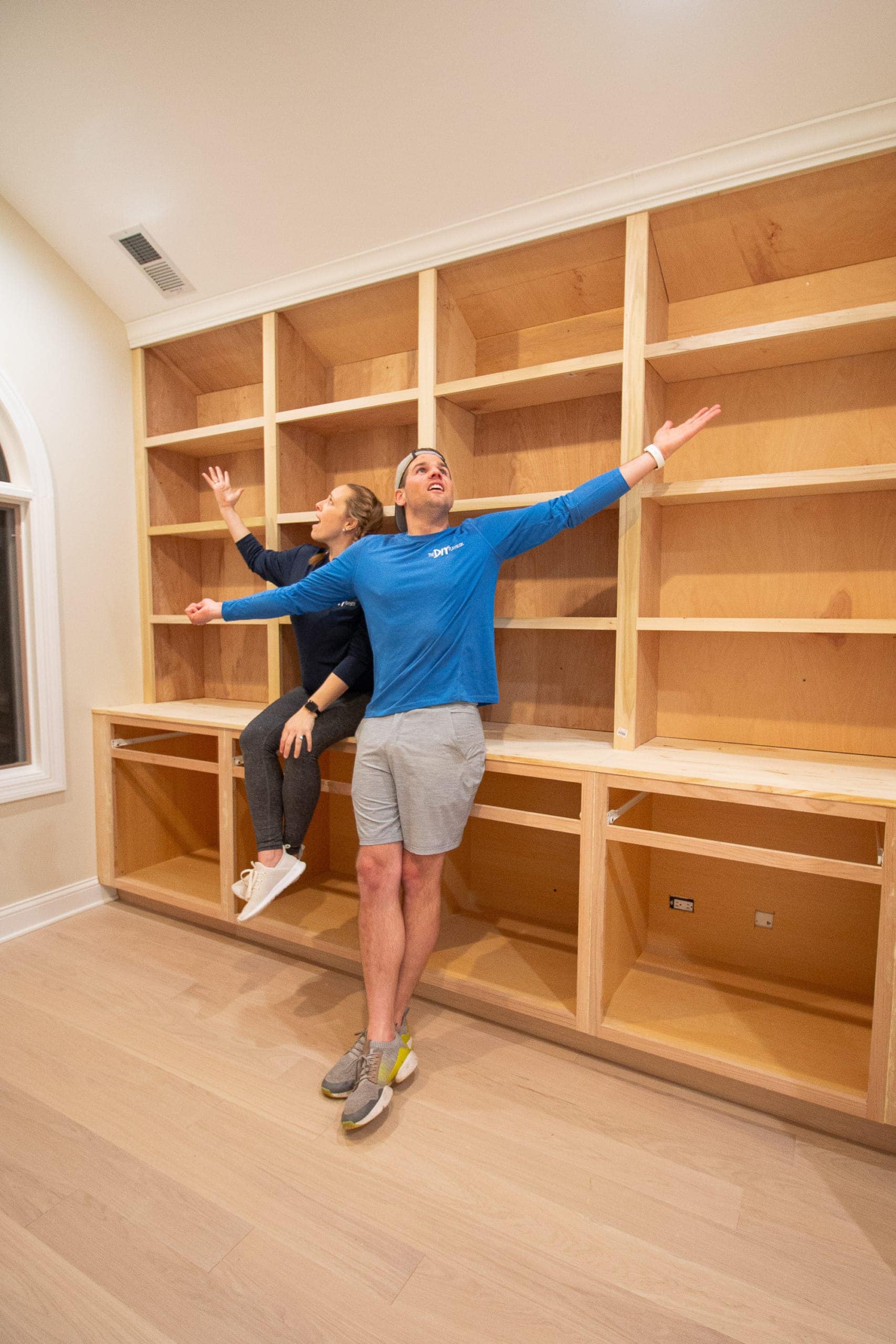
Credit: thediyplaybook.com
Frequently Asked Questions
What Materials Are Needed To Build A Bookshelf?
You need wood boards, screws, nails, wood glue, sandpaper, paint or stain, and brackets for support. Choose quality wood like pine or oak for durability. Having a drill, saw, and measuring tape is essential for precise construction.
How Long Does It Take To Build A Bookshelf?
Building a basic bookshelf typically takes 3 to 5 hours. Time varies with design complexity and experience level. Allow extra time for painting or staining to ensure a professional finish.
What Are The Best Wood Types For Bookshelves?
Pine, oak, maple, and plywood are popular choices. Pine is affordable and easy to work with. Oak and maple offer strength and a premium look. Plywood is cost-effective and stable for larger shelves.
How Do I Ensure My Bookshelf Is Sturdy?
Use quality wood and secure joints with screws and wood glue. Add brackets or braces for extra support. Ensure shelves are level and evenly spaced to distribute weight properly.
Conclusion
Building a bookshelf can be simple and fun. Follow each step with care and patience. Measure and cut wood pieces accurately for the best fit. Use the right tools to keep your work safe and easy. Take your time to assemble parts steadily.
Soon, you will have a sturdy shelf to hold your books. Enjoy the pride of making something useful yourself. A handmade bookshelf adds charm to any room. Keep practicing, and your skills will grow stronger. Start your project today and see the difference!