Are you tired of climbing shaky ladders to reach your bunk bed? Imagine having sturdy, safe steps that make getting in and out easy and comfortable every day.
Building your own bunk bed steps might sound tricky, but with the right guidance, you can create a strong and stylish set that fits your space perfectly. You’ll discover simple, step-by-step instructions to build bunk bed steps that are not only practical but also add a touch of charm to your room.
Keep reading, and by the end, you’ll have the confidence and know-how to make your bunk bed safer and more accessible for everyone.
Choosing The Right Materials
Choosing the right materials is the first step to build strong bunk bed steps. Good materials ensure safety and durability. Selecting the best wood, tools, and hardware makes the project easier and the result better.
Wood Types And Quality
Choose solid wood like pine, oak, or maple for bunk bed steps. These woods are strong and last long. Avoid soft or weak wood that can break easily. Check the wood for cracks, knots, and warping. Smooth wood surfaces help prevent splinters and improve safety.
Essential Tools Needed
Gather basic tools before starting your project. You will need a saw, drill, measuring tape, screwdriver, and sandpaper. A level helps to keep steps even. Using the right tools makes the building process faster and safer. Keep tools ready to avoid interruptions.
Safety Hardware Selection
Use sturdy screws and bolts to hold steps securely. Avoid nails, as they can loosen over time. Add anti-slip strips or pads to each step. This helps prevent slipping accidents. Choose hardware that fits well with your wood type. Strong hardware supports weight and increases safety.
Designing Your Bunk Bed Steps
Designing your bunk bed steps takes careful thought. The steps must be safe, sturdy, and fit well. Good design also adds style and function to the bed. Planning each detail helps make the steps easy to use and attractive.
Measuring For Perfect Fit
Measure the height of the bunk bed from floor to top bunk. Note the space where you want to place the steps. Measure width and depth to avoid crowding the room. Accurate measurements ensure the steps fit tightly and safely. Double-check all numbers before buying materials or cutting wood.
Step Height And Depth
Step height should be comfortable for climbing. Around 7 to 8 inches is ideal for most people. Step depth must be wide enough for a full foot. About 10 to 12 inches works well. Proper height and depth reduce slipping and make climbing easy. Consistent step size keeps the climb smooth and safe.
Incorporating Storage Options
Adding storage under or inside the steps saves space. Drawers or shelves fit nicely in the step frame. Use the space for toys, books, or clothes. Storage steps keep the room neat and organized. Plan storage size and placement during design for best use.
Cutting And Preparing Wood
Cutting and preparing wood is a key step in building bunk bed steps. It ensures the pieces fit well and are safe to use. Taking care in this phase saves time and effort later. The wood must be measured, cut, and smoothed carefully. This section guides you through each part of this process.
Marking Measurements Accurately
Start by measuring the wood pieces with a tape measure. Use a pencil to mark exact cutting lines. Double-check all measurements before marking. Clear lines help prevent mistakes during cutting. Mark each piece clearly to avoid confusion later.
Safe Cutting Techniques
Wear safety glasses and gloves before cutting. Use a saw that suits the wood type and thickness. Cut along the marked lines slowly and steadily. Keep your hands away from the blade at all times. Always work on a stable surface to avoid slips.
Sanding For Smooth Edges
After cutting, sand all edges to remove splinters. Use medium-grit sandpaper first, then fine-grit for a smooth finish. Sand in the direction of the wood grain. Smooth edges make the steps safer and more comfortable. Take your time to get a clean finish.
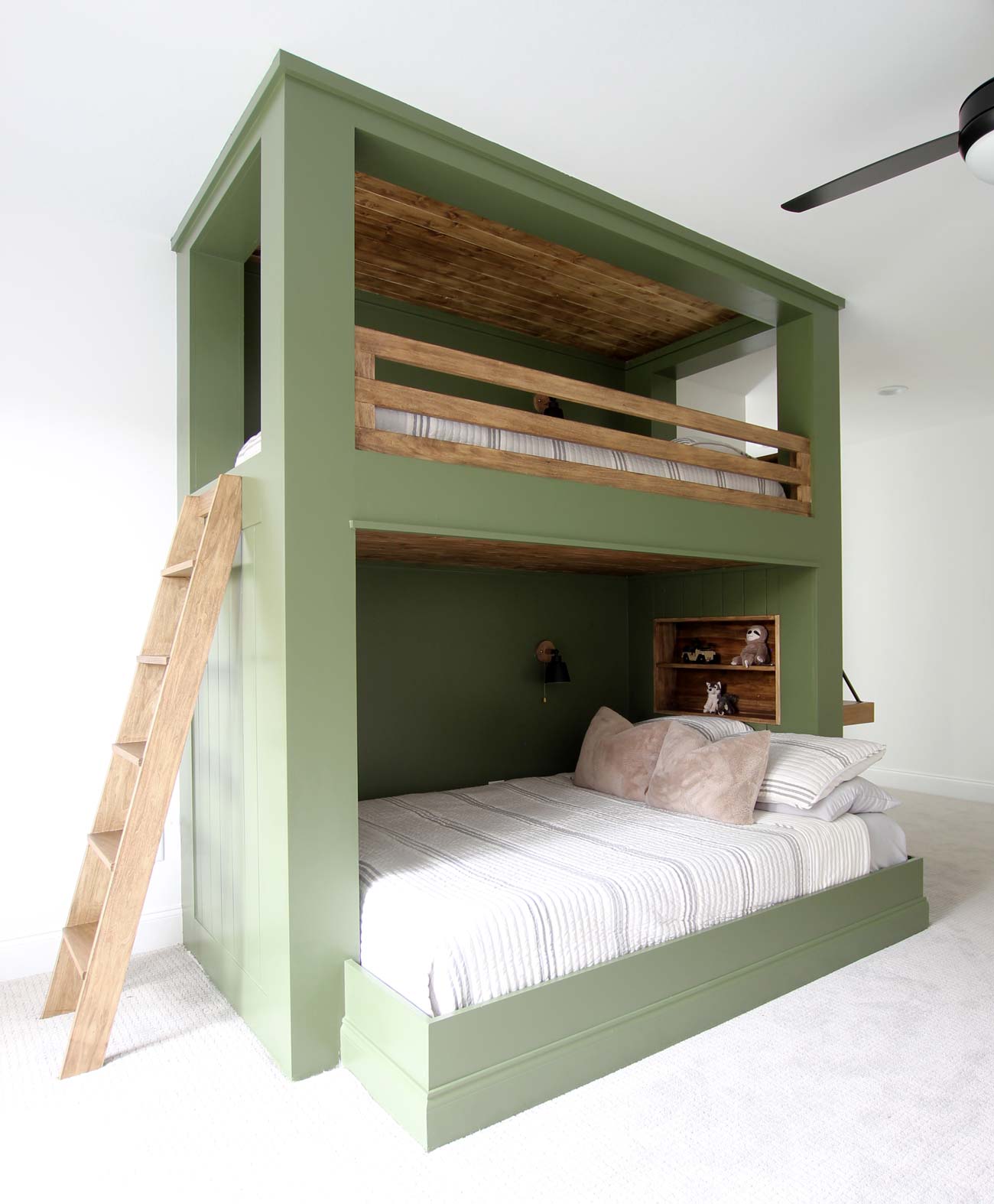
Credit: plankandpillow.com
Assembling The Steps
Assembling the steps of your bunk bed is a key part of the project. Careful assembly ensures safety and durability. Follow each step closely for the best results. Take your time and handle all parts with care.
Joining The Parts Securely
Start by aligning all step pieces correctly. Use wood glue on the joints for extra hold. Screw the parts tightly using a drill or screwdriver. Make sure screws are flush with the wood surface. This prevents any rough edges or splinters.
Adding Support Brackets
Support brackets add strength to the steps. Attach metal or wooden brackets under each step. Fix brackets with screws for a firm hold. Place brackets evenly for balanced support. They stop the steps from wobbling or bending.
Ensuring Stability And Balance
Check that all steps sit flat and level. Use a spirit level to confirm balance. Tighten any loose screws or joints. Test each step by pressing down gently. Stable steps prevent accidents and increase confidence.
Finishing Touches
Finishing touches make your bunk bed steps safe and stylish. These details improve the look and function. Simple steps like painting and adding safety features complete your project. A well-finished bunk bed step looks great and lasts longer.
Painting Or Staining Options
Choose paint or stain to protect the wood. Paint adds color and hides imperfections. Stain shows the wood grain and gives a natural look. Use non-toxic, child-safe finishes for safety. Apply two coats for better protection. Let each coat dry fully before the next. Sand lightly between coats for smoothness.
Non-slip Step Covers
Non-slip covers stop slips and falls. Use adhesive strips or rubber mats on each step. Cut covers to fit step size. Check they stick well and do not peel. Clean steps before applying covers. This keeps the surface firm and safe. Non-slip covers add safety without changing the design.
Installing Handrails For Safety
Handrails offer extra support climbing the steps. Attach sturdy rails on one or both sides. Use screws and brackets for strong hold. Make sure rails are smooth and easy to grip. Position them at a comfortable height for kids. Handrails give confidence and reduce accidents. Safety first for happy bunk bed use.

Credit: thediyplan.com
Installation And Final Checks
After building your bunk bed steps, the installation and final checks are crucial. This stage ensures the steps are safe and secure for use. Taking time here prevents accidents and guarantees stability.
Follow clear steps to attach the steps firmly. Then, test their strength carefully. Finally, learn simple maintenance tips to keep the steps safe over time.
Attaching Steps To Bunk Bed Frame
Start by positioning the steps against the bunk bed frame. Use screws or bolts to fix the steps tightly. Check that the steps align well and do not wobble. Tighten all fasteners firmly for a secure hold. Avoid leaving any gaps between the steps and frame.
Testing Weight Capacity
Test the steps by applying pressure slowly. Start with light weight, then increase gradually. Watch for any movement or unusual sounds. The steps should hold firm without bending or shaking. Ensure the steps support at least the weight of the heaviest user. Safety is the top priority during this test.
Regular Maintenance Tips
Inspect the steps regularly for loose screws or cracks. Tighten any loose fasteners immediately. Clean the steps to remove dust and dirt. Avoid using harsh chemicals that damage the wood or metal. Replace worn or broken parts without delay. Routine checks keep the steps safe and long-lasting.

Credit: www.ana-white.com
Frequently Asked Questions
What Materials Are Needed To Build Bunk Bed Steps?
You need sturdy wood, screws, wood glue, sandpaper, and a drill. Choose durable wood like pine or oak for safety. Proper tools ensure strong and safe steps for bunk beds.
How Long Does It Take To Build Bunk Bed Steps?
Building bunk bed steps typically takes 3 to 5 hours. Time depends on skill level and complexity. Planning and measuring beforehand can speed up the process.
Are Bunk Bed Steps Safer Than Ladders?
Yes, bunk bed steps offer better stability and support. They are easier to climb, especially for young children. Steps reduce the risk of slips and falls compared to ladders.
Can I Customize Bunk Bed Steps For Storage?
Absolutely, you can design steps with built-in storage. Adding drawers or shelves maximizes space and functionality. This customization keeps the room organized and clutter-free.
Conclusion
Building bunk bed steps can be simple and safe. Follow each step carefully for best results. Use sturdy materials to ensure strong support. Measure twice and cut once to avoid mistakes. Take your time and work with care. Your kids will enjoy easy and safe access.
Enjoy the satisfaction of making something useful. Keep safety in mind at every stage. A well-built set of steps adds value and comfort. Ready to start your project now?