Your outdoor wicker furniture is more than just a place to sit—it’s a key part of your outdoor space’s charm and comfort. But if you want it to look great and last for years, you need to give it the right care.
Imagine enjoying sunny afternoons without worrying about wear, fading, or damage. In this post, you’ll discover simple, effective tips to keep your wicker furniture looking fresh and inviting. Ready to protect your investment and enhance your outdoor oasis? Let’s dive in and make caring for your wicker furniture easy and rewarding.
:max_bytes(150000):strip_icc()/outdoor-furniture-care-guide-0822-2000-3eeecc3f6a134d40bc7971ea5c6b5381.jpg)
Credit: www.marthastewart.com
Choosing Durable Outdoor Wicker
Choosing durable outdoor wicker is key to enjoying your furniture for years. Good quality wicker resists weather and wear. It keeps your outdoor space looking fresh and inviting. Picking the right wicker starts with understanding materials, weave styles, and frame strength. These factors affect comfort, style, and lifespan.
Types Of Outdoor Wicker Materials
Outdoor wicker comes in two main types: natural and synthetic. Natural wicker is made from plant fibers like rattan or bamboo. It looks classic but can fade and crack in sun and rain. Synthetic wicker is made from plastic materials like resin or vinyl. It handles moisture and sun better. Synthetic wicker also needs less care and lasts longer outdoors.
Weave Patterns And Their Impact
Wicker weave affects strength and appearance. Tight weaves provide better support and durability. Loose weaves may look pretty but break faster. Patterns like flat or round weave change comfort levels. Choose a weave that feels good to sit on and holds up to outdoor use. Dense weaving keeps dirt and water out, which helps prevent damage.
Frames And Construction Quality
The frame supports the wicker and must be strong. Aluminum frames resist rust and are lightweight. Steel frames are heavier but very strong. Look for frames with powder coating to prevent rust. Check joints and welds for solid construction. A sturdy frame keeps your furniture stable and extends its life outdoors.
Cleaning Outdoor Wicker Furniture
Cleaning outdoor wicker furniture keeps it looking fresh and lasting longer. Dirt and dust build up quickly outside. Regular care stops damage and keeps your furniture inviting. Follow these simple steps to clean your wicker with ease.
Regular Dusting And Debris Removal
Dust and debris settle in wicker’s tight spaces. Use a soft brush or cloth to wipe down furniture. A vacuum cleaner with a brush attachment works well too. Clean at least once a week to stop dirt buildup. This prevents mold and keeps your furniture fresh.
Deep Cleaning Techniques
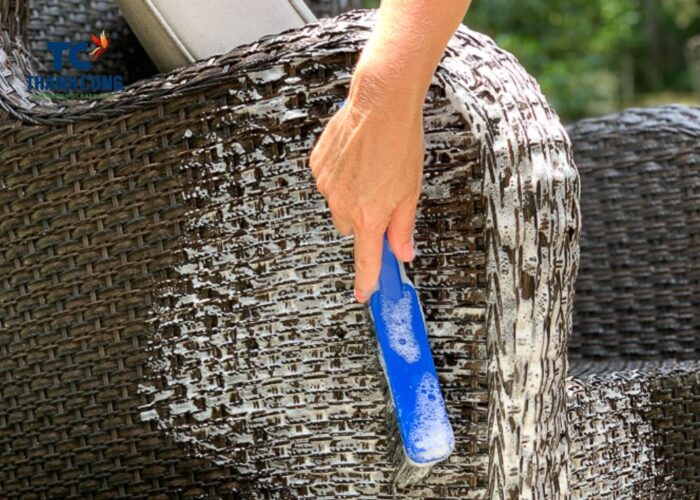
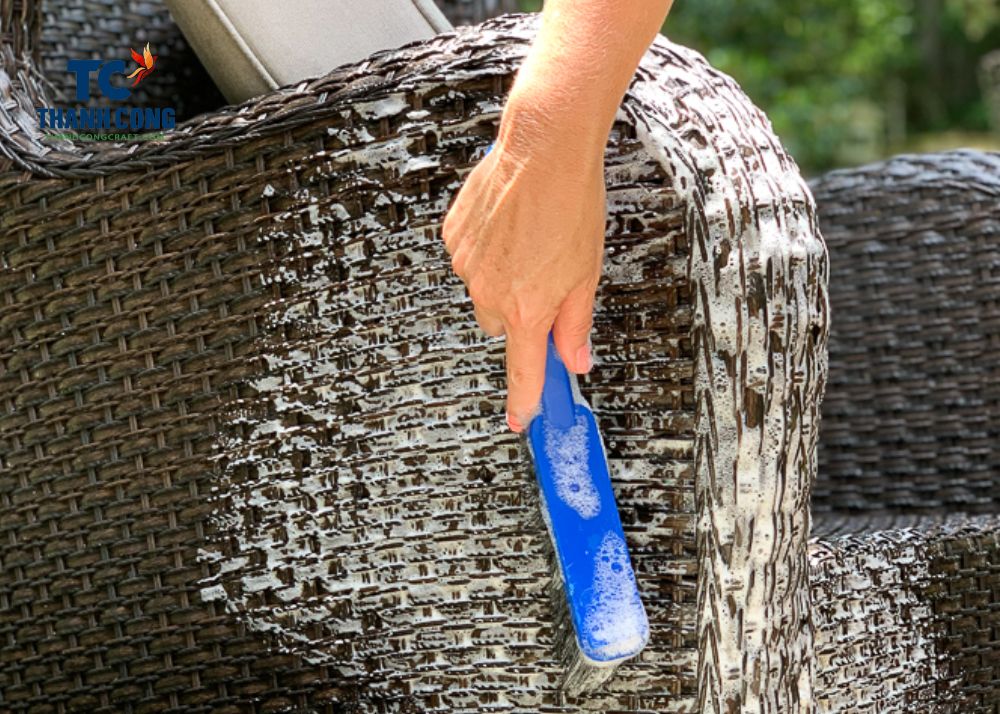
For a deeper clean, mix warm water with mild soap. Use a soft cloth or sponge to gently scrub the wicker. Avoid soaking the furniture; excess water can damage it. Rinse with a damp cloth to remove soap. Let the furniture dry completely in the sun before use.
Safe Cleaning Products To Use
Choose gentle, non-abrasive cleaners made for delicate materials. Avoid bleach or strong chemicals that harm wicker fibers. Mild dish soap or vinegar diluted with water works well. Test any cleaner on a small hidden spot first. Always rinse thoroughly to prevent residue buildup.
Protecting Wicker From Weather
Outdoor wicker furniture adds charm and comfort to any space. Protecting it from weather is important. Exposure to sun, rain, and cold can cause damage. Taking simple steps helps keep wicker beautiful and strong for years.
Sun Exposure And Uv Damage
Sunlight can fade wicker colors quickly. UV rays weaken the material, making it brittle. Use covers or place furniture in shaded spots. Applying UV-protective spray helps shield the wicker. Rotate cushions and parts to avoid uneven fading.
Rain And Moisture Prevention
Wicker absorbs water, which can cause mold and mildew. Always cover furniture during rain or store it indoors. Wipe off any water quickly with a dry cloth. Use water-resistant covers to keep moisture away. Ensure good air flow to help wicker dry fast.
Winter Storage Tips
Cold and damp winter weather harms wicker fibers. Store furniture inside a dry place during winter months. Clean and dry wicker before storage to prevent mold. Use breathable covers if indoor space is limited. Avoid plastic covers that trap moisture and cause damage.
Repairing And Maintaining Wicker
Repairing and maintaining outdoor wicker furniture keeps it strong and beautiful. Regular care stops small problems from growing. It also helps your furniture last through all seasons.
Fixing loose or broken strands is the first step. Small breaks can get worse over time. Fixing them quickly saves the whole piece.
Fixing Loose Or Broken Strands
Use a small brush to clean the damaged area. Apply wood glue or a strong adhesive to loose strands. Press the strands back into place and hold them with tape. Let the glue dry for several hours. For broken strands, replace them with new wicker strips. Soak new strips in water to make them flexible. Weave the strips into the furniture frame carefully. Cut extra length and glue ends securely. Check repairs regularly to avoid more damage.
Touching Up Faded Areas
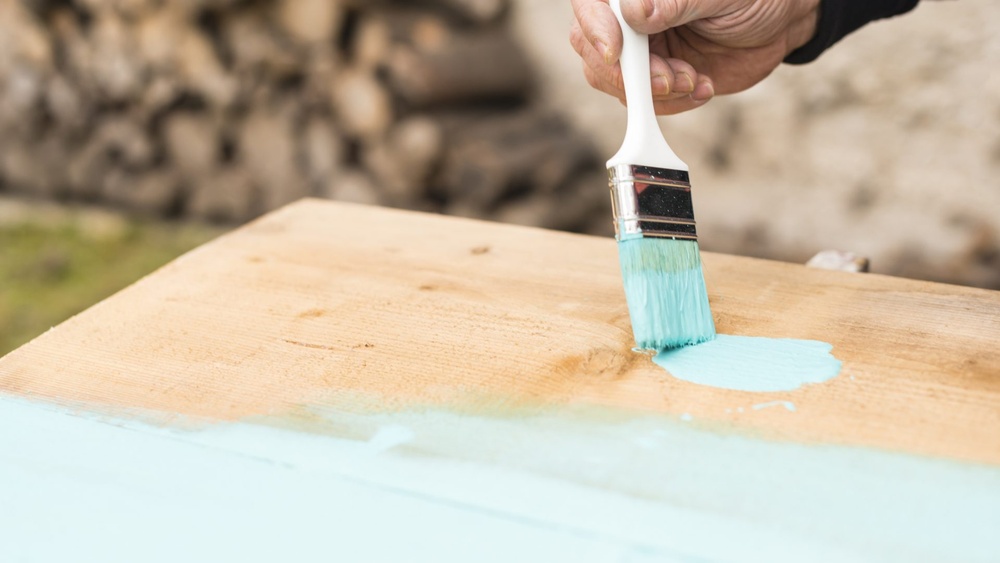
Sun and rain cause wicker to fade and lose color. Clean faded areas gently with a soft cloth and mild soap. Rinse and dry completely. Use a paint or stain designed for wicker furniture. Choose a color close to the original. Apply thin coats with a soft brush. Let each coat dry before adding another. This refreshes the look and adds protection. Avoid thick layers to keep the natural texture.
Preventing Mold And Mildew
Mold and mildew grow in damp conditions. Clean furniture often to stop growth. Use a mix of water and white vinegar to wipe surfaces. Rinse with clean water and dry in the sun. Store furniture in a dry place during wet seasons. Use covers that allow air flow, not plastic sheets. Keep cushions dry and clean to avoid mold inside. Regular checks prevent serious mold problems.
Enhancing Longevity With Accessories
Outdoor wicker furniture adds charm to any garden or patio. Protecting it with the right accessories helps it last longer. Accessories reduce wear and keep the furniture looking fresh. Simple steps with covers, cushions, and coatings offer strong protection.
Using Furniture Covers
Furniture covers shield wicker from rain, sun, and dust. Choose covers made from waterproof and breathable fabric. Covers prevent fading and cracking caused by sun exposure. Put covers on after cleaning and drying the furniture. Store covers in a dry place when not in use.
Adding Cushions And Pads
Cushions make wicker furniture more comfortable and protect the surface. Use cushions with water-resistant fabric to avoid mold and mildew. Pads reduce pressure on the wicker, preventing breaks and dents. Remove cushions during heavy rain or strong winds to keep them dry.
Applying Protective Coatings
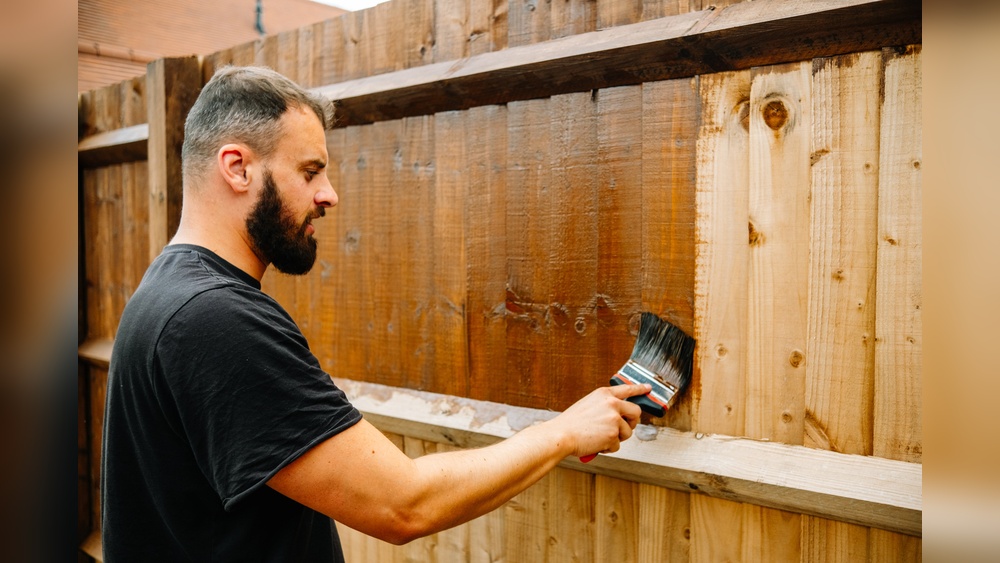
Protective coatings add a barrier against moisture and dirt. Use clear varnish or sealant designed for outdoor wicker. Apply coatings in thin, even layers for best results. Reapply coatings every year or after heavy rain. Coatings keep the wicker strong and reduce fading.
Credit: thanhcongcraft.com
Credit: thanhcongcraft.com
Frequently Asked Questions
How Often Should I Clean Outdoor Wicker Furniture?
Clean your outdoor wicker furniture every 1-2 months. Use mild soap, water, and a soft brush. This prevents dirt buildup and preserves the finish. Regular cleaning extends the furniture’s life and keeps it looking fresh.
What Is The Best Way To Protect Wicker Outdoors?
Apply a UV-resistant spray or outdoor varnish annually. Cover wicker furniture during harsh weather or when not in use. This prevents fading, cracking, and moisture damage, ensuring durability and maintaining appearance.
Can I Leave Wicker Furniture Outside Year-round?
Avoid leaving wicker furniture outside all year. Exposure to rain, sun, and frost can cause damage. Store furniture in a covered, dry place during winter or use protective covers to extend its lifespan.
How Do I Remove Mold From Outdoor Wicker Furniture?
Use a mixture of water and white vinegar to remove mold. Scrub gently with a soft brush, then rinse and dry thoroughly. This kills mold spores and prevents further growth without damaging the wicker.
Conclusion
Outdoor wicker furniture lasts longer with regular care and cleaning. Keep it dry to avoid damage from moisture. Cover your furniture during rain or snow. Use gentle soap and water for washing. Avoid harsh chemicals that can wear out the wicker.
Store cushions indoors when not in use. Small repairs prevent big problems later. With simple steps, your furniture stays beautiful and strong. Enjoy your outdoor space with confidence and comfort.