Do you ever feel like your bookshelf just can’t hold any more of your favorite books? You’re not alone.
Finding ways to fit more books on your shelf can be a game-changer. Imagine having all your must-reads within easy reach, without the clutter or mess. You’ll discover simple, smart tips that make the most of your space—so you can keep building your collection without stress.
Ready to transform your bookshelf and enjoy your books like never before? Keep reading.

Credit: www.reddit.com
Maximize Shelf Height
Maximizing shelf height is a smart way to fit more books on your bookshelf. Many shelves have extra space above tall books that often goes unused. Adjusting this space helps store more books without buying a new shelf.
Adjustable Shelving Options
Many bookshelves have adjustable shelves. You can move them up or down to fit your books better. This allows you to create smaller spaces for short books and bigger spaces for tall ones. Adjusting shelves can double your storage space.
Look for shelves with holes or brackets. These make it easy to change shelf height anytime. You don’t need tools or extra parts. Just move the shelf and place it where you need it.
Stacking Books Vertically
Stacking books vertically can save space. Instead of placing all books side by side, stack some on top of others. This works well for smaller books or paperbacks.
Vertical stacking uses the full height of your shelf. It also keeps books organized and easy to find. Use this method to fill gaps and fit more books in tight spaces.
Use Bookends And Dividers
Using bookends and dividers helps maximize space on your bookshelf. They keep books upright and prevent them from falling. This way, you can fit more books neatly and save space.
Bookends hold books tightly together. Dividers separate groups of books for easy access. Both tools help organize books and keep shelves tidy.
Diy Bookends Ideas
Make your own bookends with simple materials. Use heavy stones wrapped in fabric for a natural look. Paint wooden blocks to match your room colors. Use old toys or figurines glued to a base for fun shapes. These homemade bookends hold books firmly and add style.
Organizing With Dividers
Dividers create sections on your shelf. Use cardboard or thin wood pieces for dividers. Label each section by genre or author for quick finding. Dividers stop books from leaning and falling. They keep your shelf neat and easy to browse.
Double Your Space
Doubling your bookshelf space means fitting twice as many books without buying a new shelf. Simple methods can help you use every inch wisely. These tips keep your books easy to reach and your shelf neat.
Front-and-back Book Arrangement
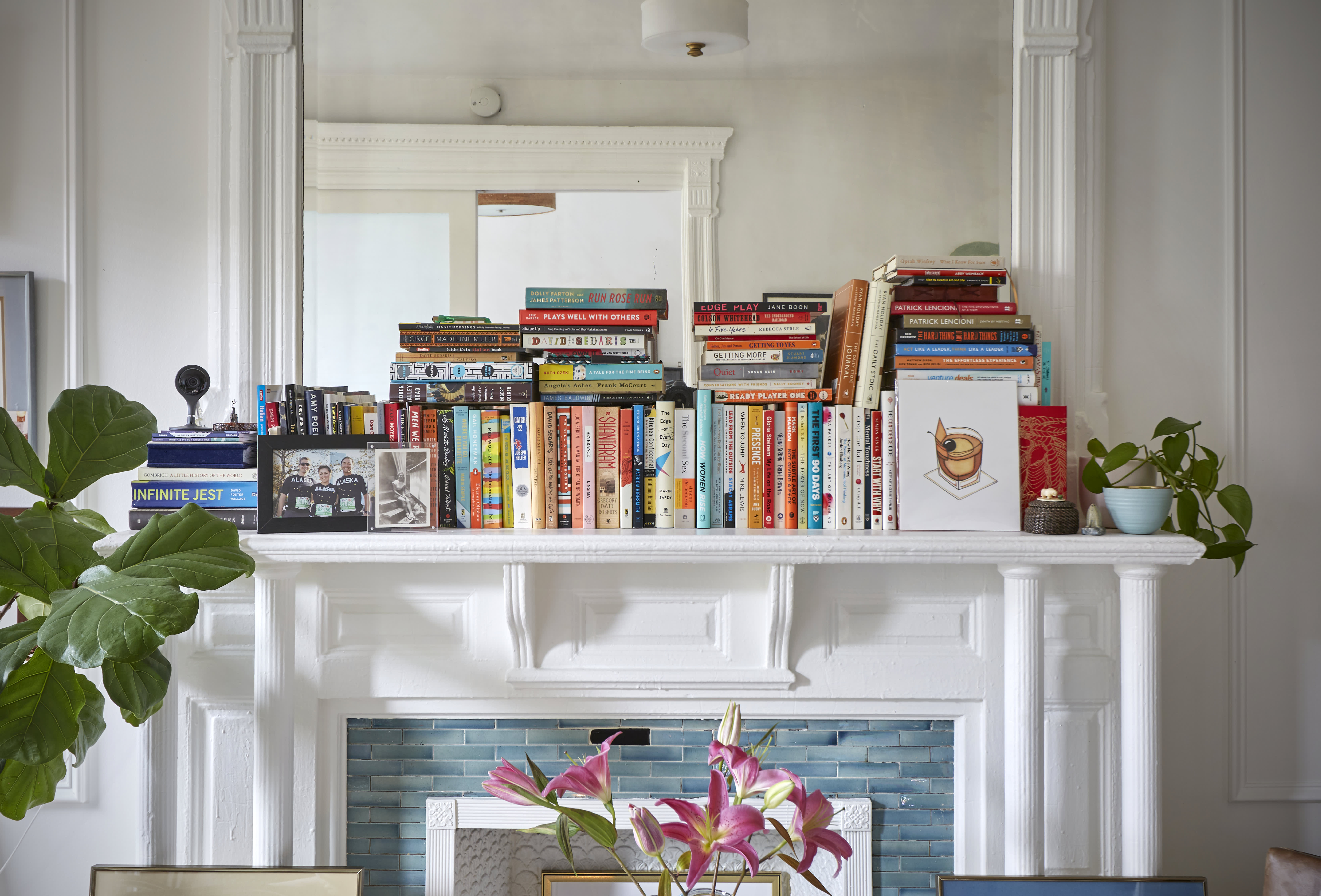
Place one row of books at the back of the shelf. Then add another row in front, facing the same way. This way, you use the depth of the shelf twice. It works best with books of similar height. Keep the front row easy to pull out. You can also arrange the front row by size or color. This method saves space and looks interesting.
Layering Books Horizontally
Stack some books flat on top of the upright rows. This adds a second layer vertically. Use this space for smaller or thinner books. Keep stacks low to avoid toppling. This method fills gaps left by tall books. It also makes the shelf look fuller and more inviting. Rotate stacks to find the best fit and balance.
Utilize Vertical Space
Bookshelves often leave empty space above the top shelf. This space can hold many more books. Using vertical space helps you store more without buying a new shelf. Think about the wall above or the inside height of your current shelf. These areas offer good spots for extra storage.
Adding Extra Shelves
Adding more shelves inside your existing bookshelf increases storage. Measure the space between shelves first. Add thin boards to create new levels. This change lets you fit shorter books in stacked rows. Adjust shelves to fit different book sizes. You can use brackets or shelf pins for support. This method keeps your books organized and easy to reach.
Using Wall-mounted Racks
Wall-mounted racks use empty wall space above or beside your shelf. They come in many sizes and styles. Mount them at any height to hold books or magazines. These racks free up floor space and make your room look neat. Choose racks that match your room’s style and color. Secure them properly to avoid accidents. Wall racks add a modern look while increasing storage quickly.
Incorporate Alternative Storage
Bookshelves can fill up fast. To fit more books, try using alternative storage. This method helps save space and keeps books organized.
Using spots beyond the bookshelf can hold many books. Think about places under furniture or in baskets. These options keep books easy to find and add style to the room.
Under-furniture Book Storage
Space under beds, sofas, or tables works well for book storage. Use flat boxes or trays to slide books under furniture. This keeps books safe and out of the way.
Choose shallow containers for easy access. Label them for quick sorting. This method frees shelf space and keeps books tidy.
Using Decorative Baskets
Decorative baskets offer a stylish way to store books. Place them near your reading area or on the floor. Baskets hold many books and add charm to the room.
Pick baskets that match your room’s look. They keep books neat and easy to move. This solution blends storage with decoration.
Credit: www.apartmenttherapy.com
Organize By Size And Shape
Organizing books by size and shape helps maximize shelf space. Books that are similar in size fit neatly together. This method reduces wasted gaps and makes the shelf look tidy. It also helps you find books faster.
Grouping Similar-sized Books
Start by sorting your books into groups based on height and width. Place tall books together on one shelf. Put smaller books on another. This grouping creates even rows and uses shelf space better. It stops awkward empty spaces between books. You can stack small books horizontally to fill gaps.
Fitting Odd-shaped Books Efficiently
Odd-shaped books take extra care to fit well. Use these books to fill corners or spaces next to tall stacks. Lay wide or oversized books flat on top of other books. This method saves vertical space. Keep irregular books in one area to avoid clutter. This approach keeps the shelf orderly and maximizes room.
Maintain Accessibility
Maintaining accessibility on your bookshelf helps you find books quickly. It also keeps your collection neat and inviting. Organizing books so you can reach them easily makes reading more enjoyable. Use smart arrangements to balance space and convenience.
Easy-to-reach Arrangements
Place your favorite books on shelves at eye level. This saves time and effort while searching. Keep less-used books on higher or lower shelves. Group books by size to fit more in the space. Use vertical stacking for books you read less often.
Rotating Books Seasonally
Change your book selection based on the season. Store off-season books elsewhere to free shelf space. Bring out books that match the current weather or mood. This keeps your shelf fresh and organized. Rotate books every few months to keep access easy.

Credit: www.reddit.com
Frequently Asked Questions
How Can I Maximize Space On A Bookshelf?
Use vertical stacking, adjust shelf height, and remove large book covers. Organize books by size to fit more efficiently.
What Are Space-saving Bookshelf Organization Tips?
Group books by height, place smaller books horizontally, and use bookends. Utilize shelf dividers to create additional compartments.
Can Rearranging Books Increase Shelf Capacity?
Yes, rearranging by size and stacking horizontally frees up space. Removing dust jackets also helps books fit tighter.
Are There Special Shelves For Fitting More Books?
Adjustable shelves and double-decker units help fit more books. Slim or floating shelves can optimize wall space.
Conclusion
Fitting more books on a bookshelf takes smart choices. Use vertical space and adjust shelf heights. Group books by size or type to save room. Consider adding extra shelves or using bookends. Keep your books organized and easy to find.
Small changes can make a big difference. Enjoy your fuller, tidier bookshelf every day.