Are you looking for a clever way to save space and add style to your home? Imagine having a staircase that not only helps you move between floors but also doubles as a beautiful bookshelf.
This smart design can transform any room, giving you extra storage without taking up more space. You’ll discover simple, step-by-step tips to build your own staircase and bookshelf combo. Whether you’re a beginner or just want some fresh ideas, you’ll find everything you need to create a piece that’s both functional and eye-catching.
Ready to turn your space into something truly special? Keep reading!
Materials And Tools Needed
Building a staircase with a built-in bookshelf requires the right materials and tools. Picking good wood and having the proper tools makes the job easier. Safety gear protects you during the work. This section lists what you need for a successful project.
Essential Wood Types
Choose strong wood that holds weight well. Oak is a popular choice for stairs. Pine is softer but works well for shelves. Birch is smooth and looks nice. Avoid wood with cracks or knots. Measure your space to get the right amount of wood. Buy extra for mistakes or changes.
Required Tools List
You need a saw to cut wood. A drill helps make holes for screws. Screwdrivers fasten parts together. Sandpaper smooths rough edges. A tape measure ensures precise cuts. A level checks if steps and shelves are even. Clamps hold pieces while gluing or screwing. A hammer is useful for nails.
Safety Gear
Wear safety glasses to protect eyes from dust. Use ear protection to avoid loud noise damage. Gloves keep hands safe from splinters. A dust mask stops inhaling wood particles. Wear sturdy shoes to protect feet from dropped tools. Work in a clean, well-lit area to prevent accidents.
Planning Your Project
Planning your project is the first step in building a staircase and bookshelf. It helps avoid mistakes and saves time. Careful planning ensures the final product fits your space and style perfectly.
Measuring Your Space
Start by measuring the area where you want to build. Note the height, width, and depth carefully. Use a tape measure and write down exact numbers. Check for any obstacles like doors or windows. These measurements guide your design and material needs.
Designing The Staircase
Decide how many steps your staircase will have. Each step should be comfortable to use. Plan the height and depth of each tread. Consider safety features like handrails or anti-slip surfaces. Choose a style that matches your room’s look.
Bookshelf Layout Ideas
Think about how you want to arrange the shelves. Will they hold books, decorations, or both? Plan different shelf heights for various items. Use vertical and horizontal spaces efficiently. Make sure the shelves are strong enough for heavy books.
Cutting And Preparing Wood
Cutting and preparing wood is an important step in building a staircase and bookshelf. It shapes the wood pieces to the right size. Careful work here makes the final product strong and neat. Use clear measurements and smooth cuts for best results.
Marking Measurements
Start by measuring each piece of wood carefully. Use a tape measure and pencil to mark the wood. Mark the steps and shelves clearly. Double-check each measurement before cutting. Accurate marks prevent mistakes later.
Cutting Steps And Shelves
Cut the wood along the marked lines using a saw. Use a handsaw or power saw for straight cuts. Cut slowly to keep edges clean. Cut all steps and shelves to the exact size. Keep safety tools on, like gloves and goggles.
Sanding And Finishing
Sand each wood piece to smooth rough edges. Use sandpaper or a sanding block. Sand all surfaces for a clean finish. After sanding, wipe away dust with a cloth. Apply paint or wood finish to protect the wood.
Building The Staircase Frame
Building the staircase frame is the first step to a strong, safe staircase. The frame supports the entire structure. It must be sturdy and well-made. Use quality wood and precise measurements for the best results.
Start by cutting the main supports called stringers. These hold the steps and shape the staircase. Each part must fit perfectly for a smooth finish.
Assembling Stringers
Measure the height and length of your staircase area. Mark the stringers with a carpenter’s square for accuracy. Cut the notches for the steps carefully. Make sure the angles are even. Use at least two stringers for good support. Check all cuts before moving on.
Attaching Steps
Cut the steps to the right size. Attach each step to the stringers using screws. Start from the bottom and work upwards. Keep the steps level and evenly spaced. Double-check each step’s position. Secure steps tightly to avoid any movement.
Securing The Frame
Place the assembled frame in its final spot. Use brackets and screws to fix it to the wall and floor. Make sure the frame does not wobble. Add extra support if needed. A solid frame means a safe staircase for years.
Constructing The Bookshelf
Constructing the bookshelf is an essential part of combining storage with your staircase design. It adds both function and style to your space. This section guides you through building strong, neat shelves that fit perfectly under your stairs. Follow simple steps to create side panels, install shelves, and add backing and supports for durability.
Building Side Panels
Start by cutting two side panels from sturdy plywood or wood boards. Measure the height and depth to fit under the stairs. Sand the edges smooth to avoid splinters. These panels will hold the shelves and keep the structure stable. Drill pilot holes for screws to prevent wood from splitting. Attach the panels vertically to the staircase frame using wood screws and a drill.
Installing Shelves
Cut shelves to fit the width and depth between side panels. Make sure each shelf is level for a clean look. Use a spirit level to check. Attach the shelves to side panels with screws or brackets for extra support. Space shelves evenly or adjust them to hold larger books or items. Secure shelves well to hold weight safely.
Adding Backing And Supports
Attach a thin plywood backing to the rear of the bookshelf. This adds rigidity and prevents items from falling behind. Nail or screw the backing into side panels and shelves. Add extra supports beneath each shelf if needed for heavy loads. Use small wooden blocks or metal brackets. These supports help the shelves last longer and hold more weight.

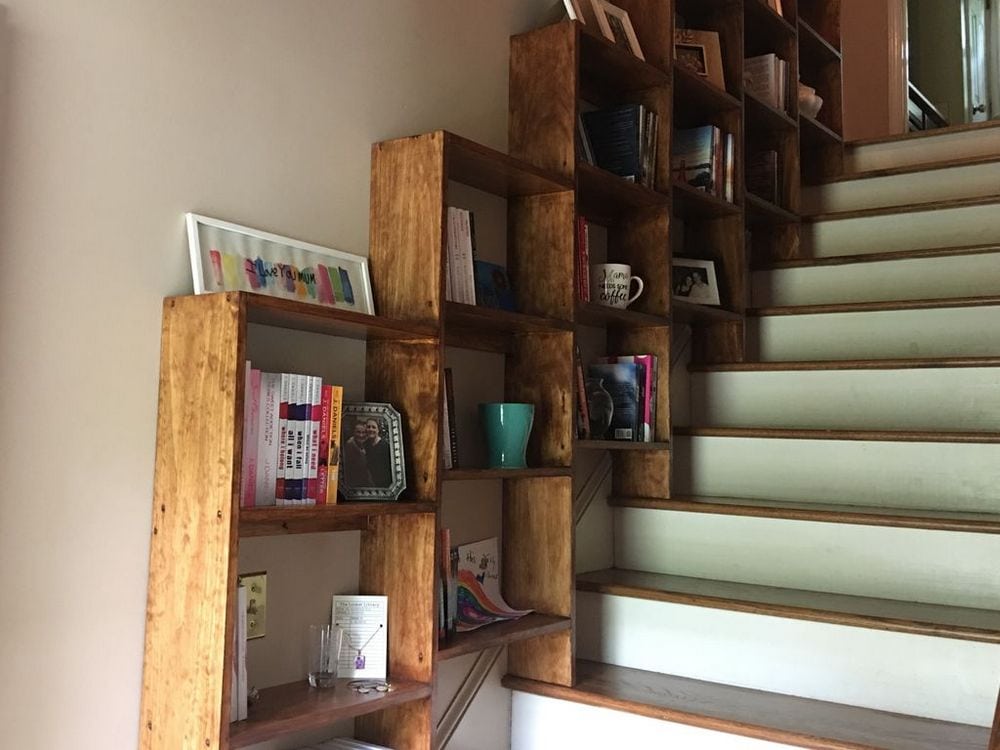
Credit: www.reddit.com
Combining Staircase And Bookshelf
Combining a staircase and a bookshelf creates a smart use of space. This design adds functionality and style to any room. It turns an ordinary staircase into a practical storage solution. Careful planning helps both structures fit well together. Follow these steps to build a safe and sturdy combined unit.
Aligning Both Structures
Start by measuring the staircase and the wall space for the bookshelf. Match the height of the bookshelf with the steps. The shelves should fit neatly under or alongside the stairs. Check that the depth of shelves does not block the walking path. Plan shelf sizes to hold books without overcrowding.
Securing Together
Use strong brackets to attach the bookshelf to the staircase frame. Secure the shelves to the wall for extra support. Make sure screws and bolts are tight. Use wood glue on joints for added strength. Stability is key to prevent wobbling and accidents.
Final Adjustments
Check all parts for any loose pieces. Sand edges to avoid splinters or sharp corners. Paint or stain the wood to match the room’s decor. Add shelf liners to protect books and items. Test the stairs and shelves by placing weight on them.
Finishing Touches
Finishing touches bring your staircase and bookshelf project to life. They improve appearance and ensure safety. Small details make a big difference. Focus on painting, decoration, and safety features for the best results.
Painting And Staining
Choose paint or stain that matches your room’s style. Use a brush or roller for smooth coverage. Let each layer dry fully before adding another coat. Stain highlights wood grain and adds warmth. Paint offers many color options for a fresh look. Protect surfaces with a clear sealant after painting or staining.
Adding Decorative Elements
Add trim or molding to create a polished look. Use decorative brackets under shelves for charm and support. Consider small lights to brighten the steps and shelves. Personalize with knobs or handles on storage areas. Use simple designs that suit your room’s theme. Keep decorations balanced to avoid clutter.
Installing Safety Features
Install sturdy handrails on one or both sides of the staircase. Use non-slip treads on each step for extra grip. Check that shelves are firmly attached to the wall. Secure heavy items to prevent tipping. Make sure all edges are smooth to avoid injuries. Safety is key for a lasting and useful project.
Credit: ideas2live4.com
Maintenance Tips
Keeping your staircase and bookshelf in good shape takes regular care. Simple maintenance helps them look great and last longer. Follow these tips to keep your wood clean and strong.
Cleaning And Upkeep
Dust the shelves and stairs often. Use a soft cloth to avoid scratches. Clean spills right away to stop stains. A mild soap with water works well for wood. Dry surfaces fully after cleaning to prevent damage.
Checking For Wear
Look closely at joints and edges. Check for loose screws or nails. Notice any cracks or chips in the wood. Early spotting helps stop bigger problems. Inspect your staircase and bookshelf every few months.
Repairing Minor Damages
Fill small cracks with wood filler. Sand the area smooth once dry. Tighten loose screws with a screwdriver. Replace any broken parts quickly. These small fixes keep your wood strong and safe.
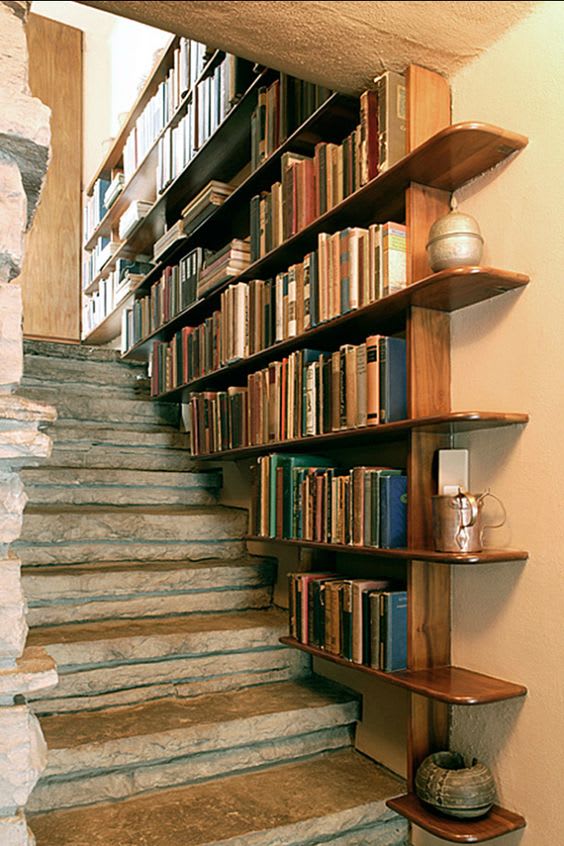
Credit: www.bookbub.com
Frequently Asked Questions
How Do I Design A Staircase With A Built-in Bookshelf?
Start by measuring your space accurately. Plan the staircase dimensions and bookshelf compartments. Use sturdy materials for safety and durability. Incorporate shelves under stairs or along the side. Ensure weight distribution supports both functions. Finish with paint or varnish for aesthetic appeal.
What Materials Are Best For Staircase And Bookshelf Construction?
Use strong woods like oak, maple, or pine for durability. Plywood can be used for shelves. Metal brackets provide extra support. Choose materials that match your home décor. Ensure all materials are safe and structurally sound for combined use.
Can I Build A Staircase Bookshelf Myself?
Yes, with basic carpentry skills and tools, it’s possible. Follow detailed plans and safety guidelines. Take accurate measurements and use quality materials. Consider consulting tutorials or professionals for complex designs. Patience and precision are key to success.
How Much Space Is Needed For A Staircase Bookshelf?
You need enough vertical and horizontal space for steps and shelves. Typically, a minimum width of 36 inches is recommended. Depth depends on shelf size and stair tread. Plan for comfortable stair use and accessible storage. Customize dimensions to fit your specific area.
Conclusion
Building a staircase with a bookshelf adds style and storage together. It saves space and makes your room look neat. Follow each step carefully for safe and strong results. Use the right tools and materials to avoid mistakes. Take your time and enjoy the process.
This project suits both beginners and skilled builders. Try it yourself and see the difference it makes in your home. Small efforts bring big rewards. Keep your workspace clean and stay safe during the build. A staircase and bookshelf combo is a smart, useful addition.