Are you wondering when your little one is ready to make the big leap from a crib to a toddler bed? Knowing the right age for this transition can make a huge difference in your child’s comfort and safety—and in your peace of mind.
If you’re eager to find out the perfect time to switch your baby to a toddler bed, you’re in the right place. Keep reading, because this guide will help you understand the signs to watch for and tips to make the change smooth for both you and your child.
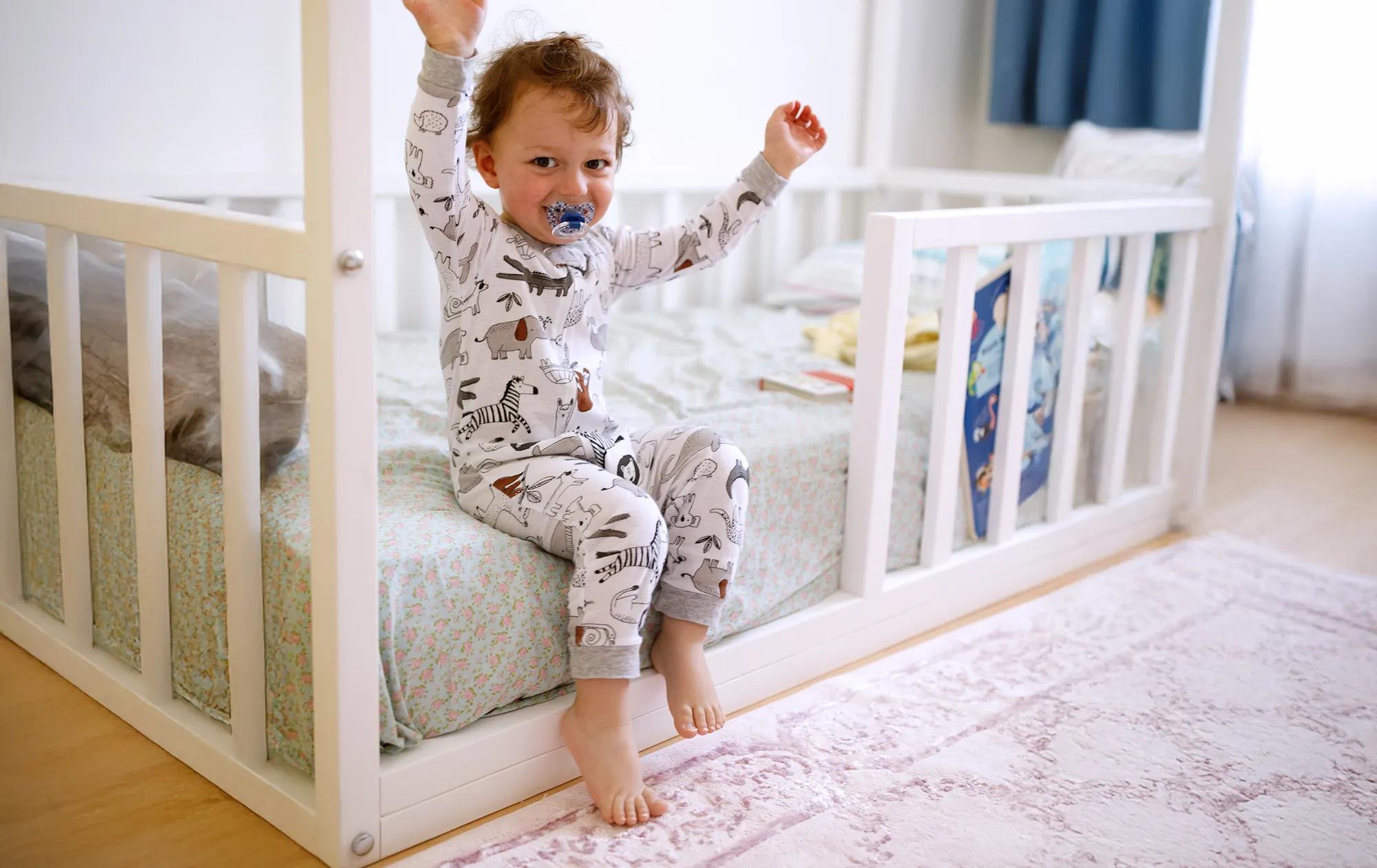
Credit: health.clevelandclinic.org
Signs Your Baby Is Ready
Knowing when your baby is ready to sleep in a toddler bed is important for a smooth transition. Babies show clear signs that help parents decide the right time. These signs include physical milestones, changes in behavior, and safety factors. Watching for these clues can make moving to a toddler bed easier and safer.
Physical Milestones
Your baby might start climbing out of the crib. This shows they need more space and freedom. Growing taller and more active also means the crib feels small. If your baby can climb stairs or sit up without help, a toddler bed can be a good next step.
Behavioral Changes
Babies ready for a toddler bed often resist the crib. They may fuss or cry more at bedtime. Showing curiosity about the bed or wanting to get out often is common. Your baby may also enjoy choosing their own bedtime routine. These behaviors suggest they want more independence.
Safety Considerations
Safety is key when switching to a toddler bed. Make sure the bed has guardrails to prevent falls. Check the room for hazards like sharp edges or loose cords. The bed should be low to the ground to reduce injury risks. Always supervise your toddler during the first weeks in their new bed.

Credit: www.whattoexpect.com
Ideal Age Range
Choosing the right time for your baby to sleep in a toddler bed matters a lot. It helps keep your child safe and comfortable. Parents often wonder about the ideal age to switch from a crib to a toddler bed. This decision depends on several factors, including the child’s growth and readiness. Understanding the typical age range can guide you through this change smoothly.
Typical Transition Ages
Most children move to a toddler bed between 18 months and 3 years old. This range suits many kids who start climbing out of their cribs. Around 2 years old is common for the change. Some children might switch earlier or later depending on their development and needs. This age range helps balance safety with growing independence.
Variations By Child
Every child is different. Some may feel ready at 18 months, others not until 3 years. Some kids stay longer in cribs for comfort and security. Their physical skills, like climbing, also affect timing. Watch your child’s behavior and safety risks to decide the best time. Always prioritize comfort and safety during this transition.
Choosing The Right Toddler Bed
Choosing the right toddler bed is a big step for your child’s growth. The bed should fit your child’s needs and keep them safe. It also helps them feel comfortable and happy about sleeping in a new bed.
Many options exist, so picking the best one might feel hard. Focus on size, design, and safety. These points make sure the bed is good for your child’s age and habits.
Size And Design Options
Pick a bed size that fits your child’s room and body. Toddler beds are smaller than regular beds but bigger than cribs. Your child should have enough space to move and grow.
Design matters too. Choose a bed your child likes. Some have fun themes or colors. Simple designs work well and last longer as tastes change. A low bed helps your child get in and out easily.
Safety Features To Look For
Safety is the top priority. Look for beds with guardrails on the sides. They stop your child from falling out at night. Check that the bed is stable and sturdy.
Avoid beds with sharp edges or small parts. These can hurt your child. Use non-toxic paint and materials to keep the bed safe. Make sure the mattress fits well and is firm enough.
Making The Transition Smooth
Making the transition from a crib to a toddler bed can be a big change for your baby. It may feel strange at first. Creating a calm and safe process helps your child adjust faster. Small steps and patience make this move easier for everyone.
Establishing A Routine
Keep bedtime times the same each night. Consistent routines give children a sense of security. Start with calming activities like reading a short story. Avoid loud noises or bright lights before sleep. A steady routine signals that it is time to rest. Your child will feel more relaxed and ready to sleep.
Comfort Items And Sleep Environment
Let your child bring a favorite toy or blanket to bed. Familiar items provide comfort and reduce anxiety. Make sure the room is quiet and dark enough for sleep. Use soft, breathable bedding that feels safe and warm. Removing distractions helps your toddler stay asleep longer. A cozy sleep space invites peaceful rest.
Common Challenges And Fixes
Moving a baby to a toddler bed can bring some challenges. Parents often face common issues that affect sleep and safety. Understanding these problems helps to find good solutions. This section covers two main challenges and how to fix them.
Nighttime Wandering
Nighttime wandering happens when toddlers leave their bed during sleep. It can be unsafe and cause disturbed rest. To reduce wandering, use a gate or lock the door. Teach your child to stay in bed with gentle reminders. A nightlight can comfort your toddler and make the room less scary.
Resistance To Change
Many toddlers resist moving from a crib to a bed. They feel scared or unsure about the new space. To ease this, let your child choose the bed or bedding. Keep the bedtime routine the same to provide comfort. Praise your toddler for sleeping in the bed all night. Patience and consistency help your child adjust well.

Credit: www.whattoexpect.com
Expert Tips For Parents
Transitioning a baby to a toddler bed is a big step for families. Parents need practical advice to make this change smooth and safe. Experts suggest focusing on simple routines and close observation. These tips help children feel secure and sleep well during this new phase.
Here are two key expert tips every parent should know.
Patience And Consistency
Change can be hard for toddlers. They need time to adjust to a new bed. Parents should stay calm and patient. Keep bedtime routines the same every night. This consistency helps children know what to expect. It builds trust and comfort. Avoid rushing the process. Celebrate small successes to encourage your child. Consistency teaches good sleep habits that last.
Monitoring Sleep Quality
Watch how your child sleeps in the new bed. Notice if they wake up often or seem restless. Poor sleep may mean the child feels unsafe or uncomfortable. Check the bed’s safety features like guardrails. Make sure the mattress is firm and the room is quiet. Adjust bedtime if needed to improve sleep quality. Good sleep supports healthy growth and mood. Parents play a key role in tracking this closely.
Frequently Asked Questions
At What Age Is A Toddler Bed Appropriate?
Most children transition to a toddler bed between 18 months and 3 years. This age range suits when they start climbing out of cribs and need more space to move safely.
How To Know If My Baby Is Ready For A Toddler Bed?
Look for signs like climbing out of the crib, showing interest in a bigger bed, and improved motor skills. These indicate readiness to switch to a toddler bed safely.
What Safety Features Should Toddler Beds Have?
Toddler beds should have guardrails to prevent falls and be low to the ground. Ensure the bed meets safety standards and fits the child’s size comfortably.
Can A Toddler Bed Improve My Child’s Sleep Quality?
Yes, toddler beds can improve sleep by offering more space and independence. This helps toddlers feel secure and comfortable, leading to better rest.
Conclusion
Choosing the right age for a toddler bed helps your child feel safe. Most babies move between 18 months and 3 years old. Watch for signs like climbing out of the crib or needing more space. A toddler bed offers freedom but still keeps your child secure.
Every child grows at their own pace. Trust your instincts and make the switch when your baby seems ready. This step supports better sleep and more comfort for your little one. Safe and happy sleeping matters most.