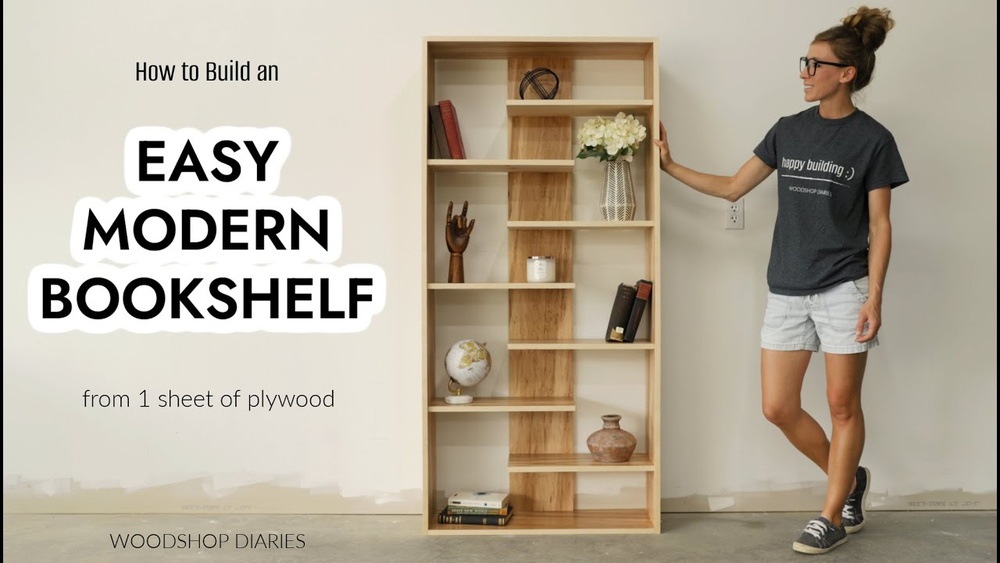
Are you tired of searching for the perfect bookshelf that fits your space and style? Imagine creating a custom bookshelf with your own hands—one that holds your favorite books and adds charm to your room.
Making a bookshelf DIY is easier than you think, and you don’t need to be a woodworking expert. In this guide, you’ll discover simple steps, useful tips, and clever tricks to build a sturdy, beautiful bookshelf that suits your needs.
Ready to turn your ideas into reality? Let’s get started and make your space truly yours.
:max_bytes(150000):strip_icc()/dominiquegebruinsta-35b11dd4f037417980649e06e17c4027.jpg)
Credit: www.thespruce.com
Choosing The Right Materials
Choosing the right materials is key to building a sturdy and beautiful bookshelf. The materials affect the shelf’s strength, look, and how long it lasts. Picking good wood and supplies makes your DIY project easier and more satisfying.
Types Of Wood
Wood choice matters a lot. Pine is soft, easy to cut, and affordable. Oak is strong and has a nice grain but costs more. Plywood is a good option for shelves because it resists warping. Choose wood that fits your budget and style.
Essential Tools
Having the right tools helps you work faster and with more accuracy. A saw is needed to cut wood. A drill helps with screws. Sandpaper smooths rough edges. A measuring tape ensures correct sizes. Get tools that match your skill level.
Additional Supplies
You will need screws or nails to hold parts together. Wood glue adds extra strength. Paint or wood stain can improve the look and protect the wood. Don’t forget safety gear like gloves and goggles. Small things make a big difference.
Credit: thediyplaybook.com
Planning Your Bookshelf Design
Planning your bookshelf design is the first step in creating a perfect DIY project. It helps you use space well and build a shelf that fits your needs. Thoughtful planning saves time and materials. It also ensures your bookshelf looks great and holds all your books safely.
Measuring Your Space
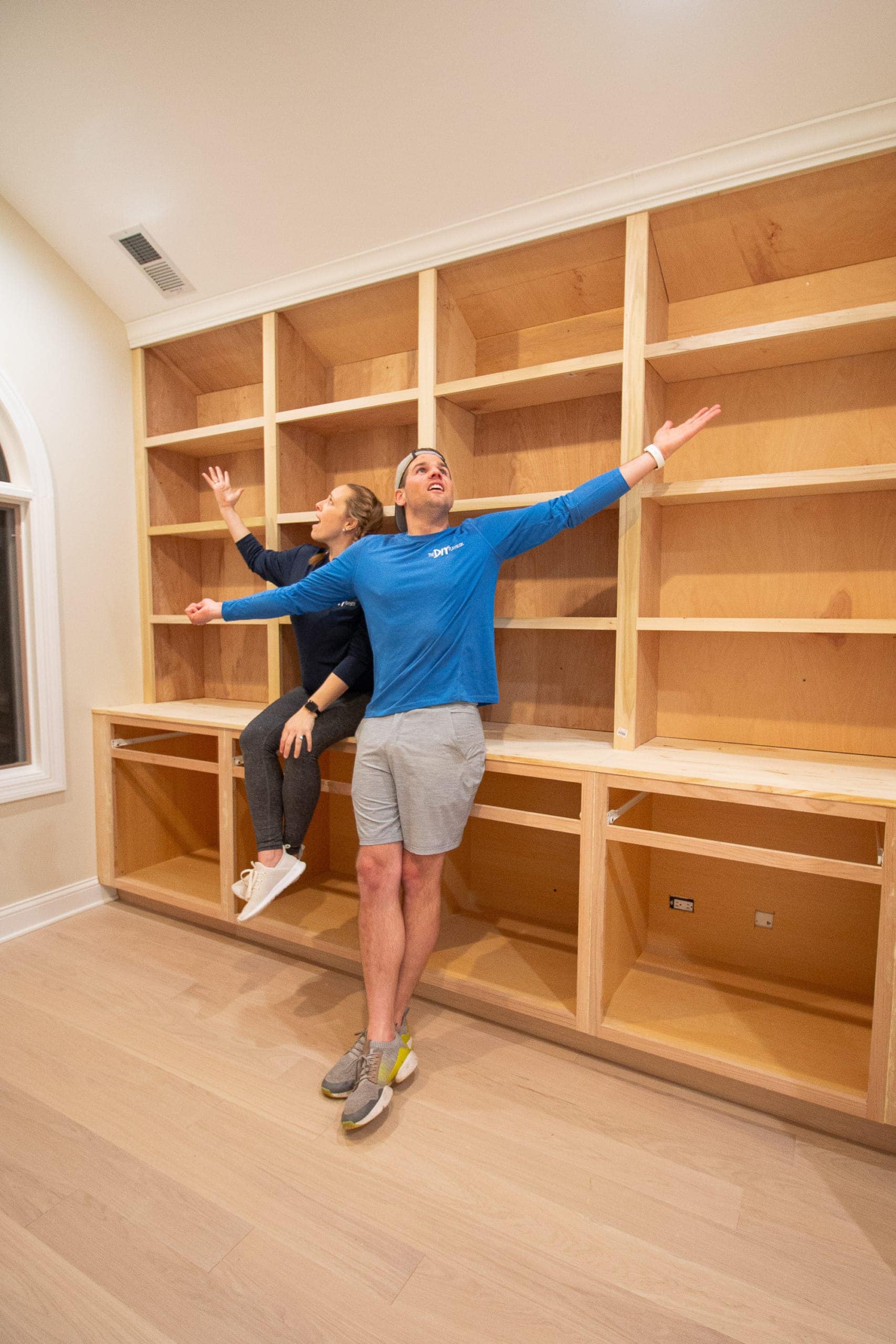
Start by measuring the wall or corner where you want to place the bookshelf. Use a tape measure for accuracy. Write down the height, width, and depth available. Check for any obstacles like power outlets or vents. These measurements guide your design and prevent mistakes.
Sketching Your Design
Draw a simple sketch of your bookshelf on paper. Show the overall shape and size based on your measurements. Mark where each shelf will go. Sketching helps you see the final look. It makes it easier to change ideas before cutting wood.
Determining Shelf Size And Number
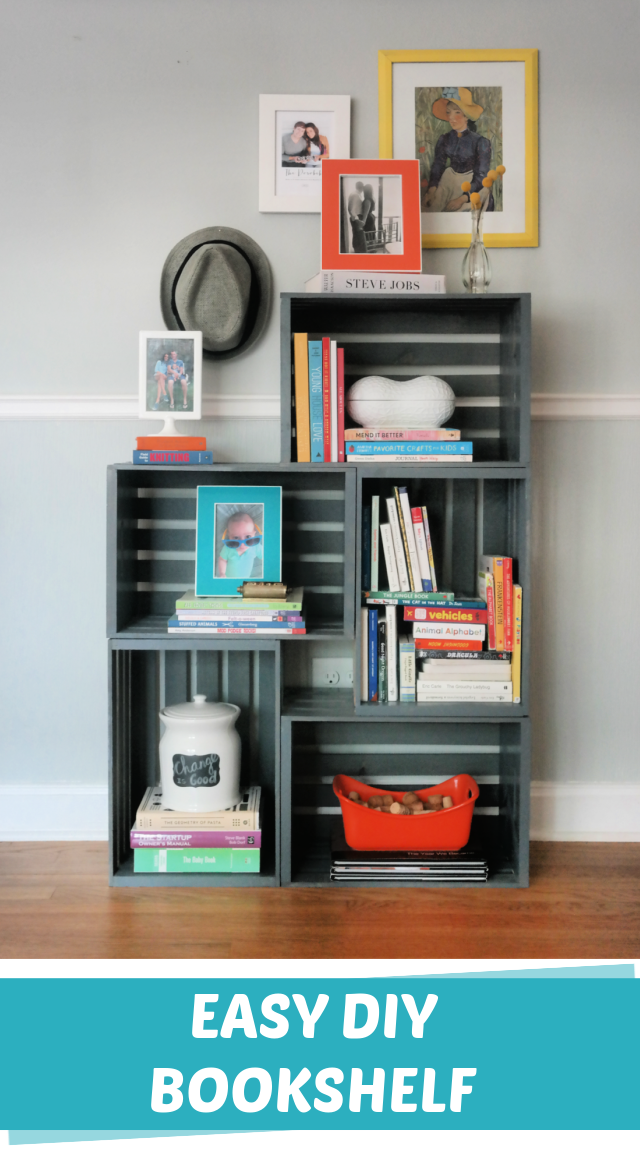
Think about how many books or items you want to store. Decide on the height between each shelf to fit your tallest books. Keep shelf depth enough for large books or decorations. Balance the number of shelves with space to avoid a crowded look.
Preparing The Wood
Preparing the wood is the first step in making a sturdy bookshelf. Good preparation makes the building process easier and the final product stronger. Take your time to work carefully on each piece of wood. This ensures the shelf looks nice and lasts long.
Cutting To Size
Cut the wood pieces to the exact size needed for your bookshelf. Use a saw that you feel comfortable with. Measure twice, cut once to avoid mistakes. Keep the cuts straight and clean for a better fit.
Sanding For Smoothness
Sand each wood piece to remove rough edges and splinters. Use medium-grit sandpaper first, then fine-grit for a smooth finish. Smooth wood is easier to paint or stain. It also prevents scratches when handling the shelf.
Prepping For Assembly
Mark where holes will go for screws or nails. Pre-drill holes to avoid splitting the wood. Check that all pieces fit together well before gluing or screwing. Organize your wood pieces in order to speed up assembly.
Assembling The Bookshelf
Assembling the bookshelf is a key step in your DIY project. This part brings all pieces together to form a strong, useful shelf. Careful work here ensures your bookshelf lasts long and holds your books safely.
Joining Techniques
Use wood glue for strong joints. Apply glue on edges before fitting pieces. For extra strength, add screws or nails. Make sure corners align perfectly. Clamps help keep parts tight while drying.
Securing Shelves
Place shelves evenly between side panels. Use small brackets or shelf pins to hold shelves. Check each shelf sits flat and steady. Secure shelves with screws for heavy loads. Avoid gaps that cause wobbling.
Checking For Stability
Stand the bookshelf upright on a flat floor. Push gently from different sides to test wobble. Tighten screws or add supports if needed. A stable shelf prevents accidents and damage. Make sure the bookshelf feels solid before use.
Finishing Touches
Finishing touches give your DIY bookshelf a polished look. They protect the wood and add style. These steps make your project last longer and look great on display.
Applying Paint Or Stain
Choose paint or stain based on your style. Paint gives color and hides wood grain. Stain shows natural wood patterns and deepens color. Use a brush or cloth to apply evenly. Let each coat dry fully before adding another. Light sanding between coats helps smooth the surface.
Adding Protective Coatings
Protective coatings guard against scratches and spills. Clear polyurethane or varnish works well. Apply thin, even layers with a brush. Allow each layer to dry before the next. This step keeps your bookshelf looking new for years.
Decorative Elements
Decorate your shelf with simple details. Add trim or molding for a classic look. Use stencils or decals for patterns. Small metal brackets or corner guards add charm and strength. Choose decorations that match your room’s style.
Credit: www.creatingreallyawesomefunthings.com
Maintaining Your Bookshelf
Maintaining your DIY bookshelf keeps it strong and looking great. Regular care helps avoid big problems. A well-kept bookshelf lasts longer and holds your books safely. Here are simple ways to maintain your bookshelf.
Regular Cleaning Tips
Dust your bookshelf often using a soft cloth. Avoid wet cloths that can damage wood. Use a small brush for corners and edges. Clean spills right away to stop stains. Keep the bookshelf dry to prevent mold.
Repairing Minor Damages
Fix small scratches with a wood touch-up marker. Use wood glue to reattach loose parts. Sand rough spots gently before repainting. Tighten screws and bolts to keep shelves stable. Early repairs stop bigger damage later.
Extending Shelf Life
Place your bookshelf away from direct sunlight. Use shelf liners to protect surfaces from scratches. Avoid overloading shelves with heavy items. Check shelves regularly for signs of wear. Treat wood with oil or polish for protection.
Frequently Asked Questions
What Materials Do I Need For A Diy Bookshelf?
You need wood planks, screws, nails, wood glue, sandpaper, paint, and brackets. Choose sturdy wood like pine or oak for durability.
How Do I Choose The Right Size For My Bookshelf?
Measure your available space carefully. Consider shelf height and depth based on the books you own. Customize size to fit your room.
What Tools Are Essential For Building A Bookshelf?
Basic tools include a saw, drill, screwdriver, measuring tape, level, and clamps. These tools help ensure precise cuts and secure assembly.
How Can I Make My Diy Bookshelf Sturdy?
Use quality wood and screws. Reinforce shelves with brackets or supports. Apply wood glue at joints for added strength.
Conclusion
Building a DIY bookshelf brings joy and pride. It saves money and fits your space perfectly. You learn new skills and enjoy creating something useful. The process is simple and fun to follow. Use basic tools and materials you have at home.
Take your time and measure carefully for the best results. A homemade bookshelf adds charm to any room. Start your project today and enjoy your new shelf soon.
