Are you looking to add a touch of charm and character to your home? A vintage bookshelf might be just what you need.
Imagine having a unique piece that not only holds your favorite books but also tells a story through its timeless design. In this guide, you’ll discover simple, step-by-step instructions to create your own vintage bookshelf. Whether you’re a beginner or have some DIY experience, you’ll find tips that make the process enjoyable and rewarding.
Ready to transform your space with a beautiful, handcrafted bookshelf? Let’s get started!
Choosing The Right Materials
Choosing the right materials is key to making a vintage bookshelf. The materials affect how the shelf looks and lasts over time. Picking good wood, authentic hardware, and proper tools will help you create a shelf with charm and strength.
Selecting Wood Types
Wood gives the bookshelf its style and durability. Hardwoods like oak, maple, or cherry work well for vintage shelves. These woods have a rich grain and can hold up for years. Pine is softer but easier to shape and can look good with the right finish. Choose wood with natural knots or marks for a vintage feel.
Finding Vintage Hardware
Hardware adds character to your bookshelf. Search for old handles, hinges, and nails at flea markets or antique shops. Brass or iron pieces often suit vintage styles best. Using real vintage hardware makes the shelf look authentic and adds small details that stand out.
Gathering Tools And Supplies
Good tools make the project easier and safer. Basic tools include a saw, hammer, screwdriver, and measuring tape. Sandpaper helps smooth the wood for finishing. Wood glue and screws will hold parts together firmly. Have paint or stain ready to complete the look.
Designing Your Bookshelf
Designing a vintage bookshelf starts with a clear plan. A good design fits your space and style. It also helps you build a strong, lasting piece.
Think about how you want your bookshelf to look and work. This makes the building process smoother and more fun.
Deciding On Size And Shape
Measure the space where the bookshelf will go. Choose a size that fits well without crowding the room.
Pick a shape that matches your room’s style. Rectangular shelves are classic and simple. Curved or angled shapes add a unique touch.
Incorporating Vintage Elements
Use wood with a worn look or old paint. These details give the shelf a vintage feel.
Add metal brackets or antique knobs. These small touches make a big difference.
Sketching Your Blueprint
Draw your bookshelf on paper. Start with the basic shape and size.
Mark where each shelf will go. Plan the spacing for your books and decorations.
Include details like trim or legs in your sketch. This helps you see the final look before building.
Preparing The Wood
Preparing the wood is an important first step in making a vintage bookshelf. It sets the foundation for a strong and beautiful piece. You need to handle the wood carefully to ensure it fits perfectly and looks great. This process includes measuring, cutting, sanding, and assembling the frame.
Measuring And Cutting
Start by measuring the wood pieces to match your bookshelf design. Use a tape measure and mark the wood clearly. Double-check the measurements to avoid mistakes. Cut the wood with a saw, following the marked lines carefully. Straight cuts make assembly easier and the bookshelf sturdier.
Sanding For Smoothness
After cutting, sand all wood surfaces to remove rough spots. Use medium-grit sandpaper first, then fine-grit for a smooth finish. Sand edges and corners well to prevent splinters. Smooth wood helps paint or stain stick better. It also gives the bookshelf a polished, vintage look.
Assembling The Frame
Begin by arranging the cut pieces into the frame shape. Check that all parts fit snugly. Use wood glue and nails or screws to join the pieces. Secure corners tightly for strength. Make sure the frame is square by measuring diagonals. A well-assembled frame ensures your bookshelf will last long.

Credit: us.sportsdirect.com
Adding Vintage Details
Adding vintage details is the key to creating an authentic old look. These details give your bookshelf character and charm. Small touches make a big difference. Focus on textures, colors, and hardware to bring the vintage style to life.
Distressing Techniques
Distressing makes new wood look aged and worn. Start by sanding edges and corners lightly. Use sandpaper or steel wool for uneven wear. Create small dents or scratches with a hammer or chain. Wipe off dust and avoid overdoing it. The goal is subtle signs of age, not damage.
Applying Stains And Finishes
Choose stains that mimic old wood tones like walnut or oak. Apply with a cloth or brush in thin layers. Let each layer dry before adding more. Use a matte or satin finish for a natural look. Avoid shiny finishes that look modern. Seal with clear wax or varnish to protect the surface.
Attaching Decorative Hardware
Hardware adds vintage charm and function. Look for knobs, handles, and hinges with antique designs. Brass, bronze, or aged metal are perfect choices. Attach hardware carefully with screws or nails. Align pieces evenly for a neat finish. Small details like keyhole plates enhance authenticity.
Final Assembly And Installation
The final assembly and installation of your vintage bookshelf bring your project to life. This step requires care and focus to ensure the shelf is strong and safe. Follow each part closely for the best results.
Securing Shelves
Start by placing the shelves in their slots. Use screws or nails to hold each shelf firmly. Make sure each shelf is level before tightening. This stops books from sliding or falling. Check every shelf for strength and stability.
Stabilizing The Structure
Add support to keep the bookshelf steady. Use corner braces or wooden blocks inside corners. Attach these with screws for extra strength. This prevents wobbling and keeps the shelf steady. Double-check all joints and connections for tightness.
Mounting Your Bookshelf
Decide where to place the bookshelf on the wall. Use a stud finder to locate wall studs. Secure the bookshelf with long screws into these studs. This stops the shelf from tipping forward. For added safety, use wall anchors if studs are not available.
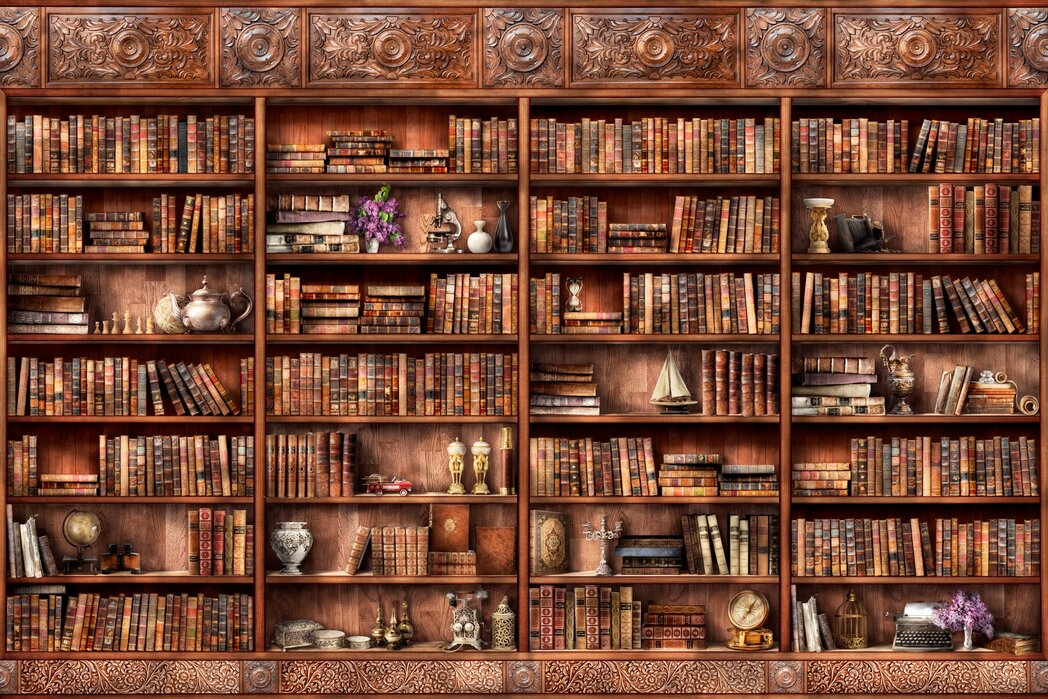
Credit: www.photowall.com
Maintaining Your Vintage Bookshelf
Maintaining your vintage bookshelf keeps it beautiful and strong for years. Regular care stops damage and preserves its charm. Small efforts make a big difference in its life.
Cleaning Tips
Use a soft cloth to remove dust gently. Avoid harsh chemicals that can harm wood. A mix of mild soap and water works well. Wipe with a damp cloth, then dry immediately. Clean often to prevent dirt buildup.
Repairing Wear And Tear
Check for loose joints or scratches regularly. Tighten screws and nails carefully. Use wood filler for small holes or cracks. Sand lightly after filling to smooth the surface. Replace broken parts with matching wood pieces.
Preserving The Finish
Apply wax or polish made for wood surfaces. Follow product instructions for best results. Avoid placing the shelf in direct sunlight. Keep it away from damp areas to prevent warping. Reapply finish every few months to maintain shine.

Credit: www.youtube.com
Frequently Asked Questions
What Materials Are Needed To Make A Vintage Bookshelf?
To make a vintage bookshelf, gather wood planks, sandpaper, nails, wood glue, paint or stain, and brushes. Choose reclaimed wood for an authentic vintage look. These materials ensure durability and style, giving your bookshelf a charming, timeless appeal.
How Long Does It Take To Build A Vintage Bookshelf?
Building a vintage bookshelf typically takes 4 to 6 hours, including cutting, assembling, and finishing. Drying time for paint or stain may add extra hours. Planning and preparation can streamline the process, making it quicker and more enjoyable.
Can I Customize The Size Of My Vintage Bookshelf?
Yes, you can customize your vintage bookshelf’s size to fit your space. Measure your area first and adjust plank lengths accordingly. Customization allows your bookshelf to blend perfectly with your room’s design and storage needs.
What Type Of Wood Is Best For Vintage Bookshelves?
Hardwoods like oak, maple, or walnut are best for vintage bookshelves due to their strength and grain. Reclaimed wood also adds character and sustainability. Choose wood that complements your desired finish and durability requirements.
Conclusion
Creating a vintage bookshelf adds charm to any room. You only need simple tools and materials. Follow clear steps to build a sturdy, classic piece. Personal touches make your bookshelf unique and special. Enjoy the process and take your time.
Soon, you will have a beautiful, functional shelf. It holds books and memories alike. Start today and bring vintage style home.