Are you ready to give your wood console table a fresh, stunning new look? Painting your table is one of the easiest and most affordable ways to transform your space and add a personal touch.
Whether your table is old and worn or just needs a style update, this guide will walk you through every step to make the process simple and fun. By the end, you’ll have the confidence to turn your plain wood console table into a beautiful centerpiece that reflects your taste.
Let’s dive in and bring your furniture back to life!
Choosing The Right Paint
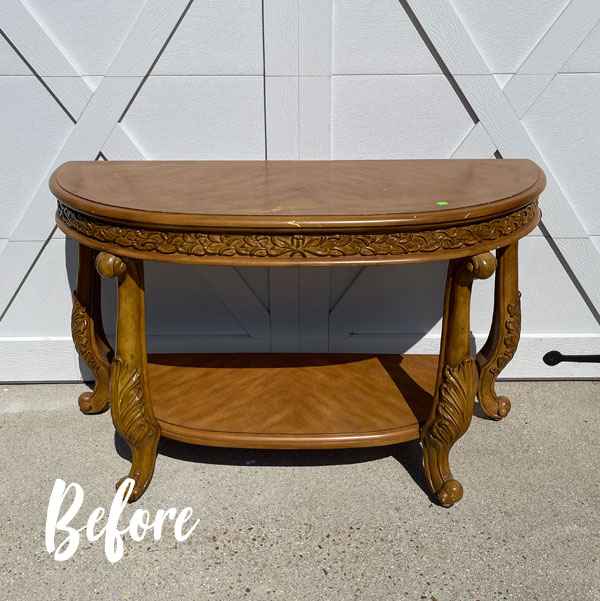
Preparing the wood console table properly is key to a smooth and lasting paint job. This step helps the paint stick better and look even. It involves cleaning, sanding, and fixing any damage on the table surface. Taking time on this part saves effort later.
Cleaning The Surface
Start by wiping the table to remove dust and dirt. Use a damp cloth with mild soap. Clean every corner and edge carefully. Let the table dry completely before moving on. A clean surface prevents paint from peeling later.
Sanding Techniques
Sanding smooths the wood and removes the old finish. Use fine-grit sandpaper for a gentle touch. Sand in the direction of the wood grain. Avoid pressing too hard to prevent scratches. After sanding, wipe off the dust with a clean cloth.
Repairing Imperfections
Look for cracks, holes, or dents on the table. Fill these with wood filler using a putty knife. Let the filler dry fully. Sand the filled spots until smooth and even. This step ensures a flawless surface for painting.
Credit: www.confessionsofaserialdiyer.com
Preparing The Table
Setting up your workspace is the first step to paint a wood console table well. A clean, organized space helps you work faster and avoid mistakes. It also protects your home from paint spills and dust. Preparing your area carefully makes the job easier and safer.
Gathering Supplies
Start by collecting all materials you will need. Paint, brushes, sandpaper, and primer are essentials. Also, get painter’s tape, drop cloths, and cleaning cloths. Having everything ready stops you from searching mid-project. This keeps your focus on the painting task.
Protecting Surroundings
Cover floors and nearby furniture with drop cloths or old sheets. Use painter’s tape to shield edges and surfaces you don’t want painted. This step saves time cleaning later. It also prevents damage to your home. A protected space means less stress and better results.
Ensuring Proper Ventilation
Open windows and doors to let fresh air in. Good airflow removes paint fumes and dust from sanding. Use fans if the area feels stuffy. Proper ventilation keeps you safe and comfortable. It helps the paint dry faster too.
Setting Up Your Workspace
The painting process is a key step in transforming your wood console table. It ensures a smooth finish and long-lasting color. Following each stage carefully helps avoid common painting problems. Use the right tools and materials for the best results.
Applying Primer
Start by applying a primer to your table. Primer helps paint stick better and lasts longer. Use a brush or roller to spread it evenly. Let the primer dry completely before moving on. This step blocks stains and seals the wood surface.
First Coat Application
Apply the first coat of paint in thin, even layers. Use smooth strokes to avoid brush marks. Paint along the grain of the wood for a natural look. Let this coat dry fully before the next step. Patience here improves the final finish.
Sanding Between Coats
Lightly sand the surface between paint coats. Use fine-grit sandpaper to smooth out bumps. This step helps the next coat stick better. Wipe away dust with a clean cloth before painting again. Sanding creates a polished and professional look.
Final Coat Tips
Apply the last coat carefully for a perfect finish. Use thin layers and steady strokes. Check for any missed spots or uneven areas. Allow the paint to dry fully in a dust-free space. This final step protects your table and enhances its beauty.

Credit: loveandspecs.com
Painting Process
Adding finishing touches to your painted wood console table gives it a polished look. These final steps protect your work and add personality. Small details make a big difference in the overall appearance.
Sealing The Paint
Seal the paint to protect it from scratches and stains. Use a clear polyurethane or a water-based sealer. Apply thin, even coats with a clean brush. Let each coat dry fully before adding the next. This step keeps the paint fresh and durable over time.
Adding Decorative Elements
Decorate your table with simple accents. Try new knobs, stencils, or decals to personalize. Use painter’s tape for clean lines and shapes. Small touches can enhance the style without overwhelming the table. Choose elements that match your room’s theme.
Curing Time And Care
Allow the table to cure for several days before use. Avoid placing heavy items on it too soon. Keep it away from moisture and direct sunlight during curing. Gentle cleaning with a soft cloth will keep the surface smooth. Proper care extends the life of your painted table.
Adding Finishing Touches
Painting a wood console table can give it new life. Avoiding common mistakes helps you get a smooth, lasting finish. Many beginners make simple errors that affect the final look. Knowing what to avoid saves time and effort.
Skipping Surface Prep
Surface preparation is the first step. Skip it, and paint will not stick well. Clean the table to remove dust and dirt. Sand the wood to create a rough surface. This helps the paint grip better. Without prep, the paint peels or chips easily.
Using The Wrong Brushes
Choosing the right brush affects your paint job. Use brushes made for wood and paint type. Cheap or wrong brushes leave streaks and bristles behind. A good brush spreads paint evenly. It also helps reach corners and edges cleanly.
Rushing Drying Time
Paint needs time to dry fully. Rushing this step causes smudges and uneven color. Follow the paint’s drying instructions closely. Wait between coats to avoid peeling. Patience ensures a smooth, durable finish on your table.
Common Mistakes To Avoid
Maintaining your painted wood console table keeps it looking fresh and new for years. Proper care protects the paint and wood underneath. A little effort goes a long way in preserving the table’s beauty.
Cleaning Painted Surfaces
Use a soft cloth to clean the painted surface gently. Avoid harsh chemicals or abrasive cleaners that can damage the paint. A mix of mild soap and water works best. Wipe the surface with a damp cloth, then dry it immediately. Regular cleaning prevents dust build-up and keeps the paint vibrant.
Touching Up Scratches
Small scratches are common on painted furniture. Fix them quickly to stop further damage. Lightly sand the scratched area with fine sandpaper. Apply a matching paint color with a small brush. Let it dry completely before using the table again. This simple step keeps your table looking flawless.
Protecting Against Wear
Place felt pads under objects to prevent scratches. Avoid placing hot items directly on the surface. Use coasters and placemats to reduce wear and tear. Keep the table out of direct sunlight to prevent fading. These steps extend the life of your painted finish.

Credit: www.amazon.com
Frequently Asked Questions
How Do I Prepare A Wood Console Table For Painting?
Start by cleaning the table thoroughly to remove dirt and grease. Sand the surface to smooth imperfections. Wipe off dust with a damp cloth. Apply a primer suitable for wood to ensure paint adhesion and a lasting finish.
What Type Of Paint Is Best For Wood Console Tables?
Use acrylic latex paint for durability and easy cleaning. It provides a smooth finish and resists chipping. Chalk paint is also popular for a matte, vintage look. Always choose paint designed for wood surfaces.
How Many Coats Of Paint Should I Apply?
Typically, two to three coats are ideal for even coverage. Allow each coat to dry completely before applying the next. This prevents peeling and ensures a professional-looking finish.
Should I Seal The Painted Console Table?
Yes, sealing with a clear polyurethane or wax protects the paint. It enhances durability against scratches and moisture. Choose a finish—matte, satin, or glossy—that matches your desired look.
Conclusion
Painting a wood console table can be a fun and rewarding task. Start with good preparation to get smooth results. Use the right paint and tools for a lasting finish. Take your time and work carefully to avoid mistakes. A fresh coat of paint can bring new life to old furniture.
Enjoy the process and make your table unique. Now, you have a beautiful piece that fits your style perfectly. Keep these tips in mind for your next painting project.