Is your old outdoor wood furniture looking tired and worn out? Imagine turning those faded pieces into stunning highlights of your garden or patio again.
You don’t need to buy new furniture or spend a fortune to refresh your outdoor space. With just a few simple steps, you can bring new life to your wood furniture, making it look fresh and inviting. Keep reading, and you’ll discover easy tips and tricks that anyone can follow—even if you’ve never painted before.
By the end, your old furniture will look so good, you’ll be proud to show it off to friends and family. Ready to get started?

Credit: www.youtube.com
Preparing The Furniture
Preparing old outdoor wood furniture is the first step to a fresh new look. Proper preparation helps paint stick better and last longer. It also removes dirt and old finishes that can ruin your work.
Take your time during this phase. The right prep makes painting easier and the final result much cleaner and smoother.
Cleaning And Removing Dirt
Start by cleaning the furniture thoroughly. Use a soft brush or cloth to remove loose dirt and leaves. Mix warm water with mild soap for washing. Scrub gently to avoid damaging the wood. Rinse with clean water and let it dry completely before moving to the next step.
Stripping Old Paint
Old paint can peel or flake under new paint. Use a paint stripper or scraper to remove it. Apply the stripper carefully and follow the product instructions. Scrape off loosened paint with a putty knife. Wear gloves and work in a well-ventilated area for safety.
Sanding For Smooth Surface
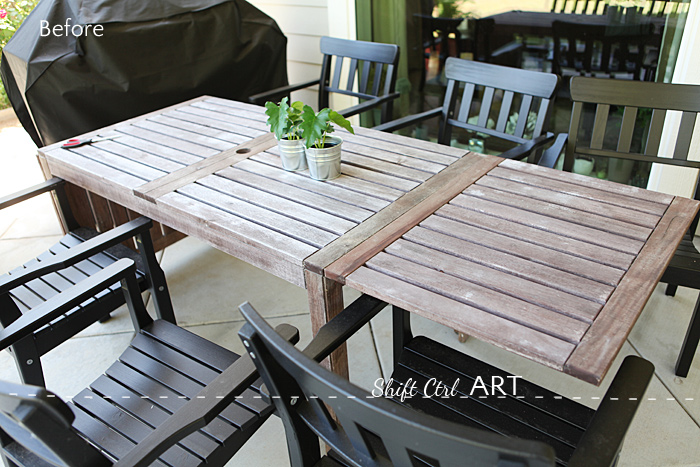
Sanding smooths rough spots and removes leftover paint. Use medium-grit sandpaper to start and fine-grit to finish. Sand along the wood grain to avoid scratches. Wipe away dust with a damp cloth. A smooth surface helps paint adhere and look better.
Credit: ahomefordesign.com
Choosing The Right Paint
Choosing the right paint is important for old outdoor wood furniture. The right paint protects the wood and makes it look good. It must stand up to weather and sun. Picking the correct paint type, color, and finish helps the furniture last longer.
Types Of Outdoor Paint
Use paint made for outdoor use. Acrylic latex paint is popular. It resists water and fades less. Oil-based paint is strong but harder to clean. Chalk paint gives a matte look but needs sealing. Choose paint that sticks well and lasts in sun and rain.
Selecting Colors
Pick colors that match your style and space. Light colors show dirt less. Dark colors absorb heat and may fade faster. Neutral colors like beige or gray fit many styles. Bright colors add fun and stand out. Test a small area first to see the color in sunlight.
Picking The Best Finish
Finish affects look and protection. Glossy finishes shine and resist dirt. Satin finishes have soft shine and hide flaws. Matte finishes look natural but may stain. Choose a finish that fits the furniture use and look you want. Make sure the finish is weather resistant.
Priming The Wood
Priming the wood is the first important step in repainting old outdoor furniture. It helps the paint stick better and protects the wood from weather damage. Skipping this step can cause the paint to peel or fade quickly.
Applying primer creates a smooth base for the new paint. It also blocks stains and old colors from showing through. Proper priming extends the life of your furniture and keeps it looking fresh longer.
Why Primer Matters
Primer seals the wood surface. It stops moisture from getting inside. This prevents wood from warping or rotting. Primer also helps paint spread evenly. Without primer, paint can chip or crack fast. It improves paint adhesion, making your work last years.
Applying Primer Correctly
Start by cleaning the wood surface well. Remove dirt, dust, and old paint flakes. Use a brush or roller to apply primer evenly. Cover every spot, especially edges and corners. Let the primer dry fully before painting. Follow the instructions on the primer can for best results. Two thin coats work better than one thick coat.
Painting Techniques
Painting old outdoor wood furniture needs the right techniques to last long and look good. Proper methods protect the wood from weather and wear. This section breaks down the painting process into clear steps. Follow these tips to give your furniture a fresh, smooth finish.
Tools You’ll Need
Gather essential tools before starting. You will need sandpaper to smooth the surface. A paintbrush or a foam brush works well for applying paint evenly. Use a paint tray to hold your paint. Clean rags help wipe off dust and spills. Gloves protect your hands during the work. Consider a drop cloth to keep the area clean.
Applying The First Coat
Start by sanding the wood to remove old paint and rough spots. Wipe dust off with a clean rag. Stir the paint well to mix it evenly. Dip the brush lightly into the paint. Use long, smooth strokes along the wood grain. Cover every part but avoid thick layers. Let the first coat dry completely before the next step.
Adding Additional Coats
Apply more coats for better coverage and durability. Sand lightly between coats for a smooth finish. Clean off dust before painting again. Use the same painting method as the first coat. Two or three coats usually give the best look. Allow each coat to dry fully. This ensures the paint sticks well and lasts longer.
Sealing And Protecting
Sealing and protecting old outdoor wood furniture keeps it safe from weather damage. It stops water from soaking in and prevents cracking or peeling paint. A good seal also preserves the fresh look of your new paint job for longer. This step is important to keep your furniture strong and beautiful.
Choosing A Sealant
Select a sealant that fits your wood type and outdoor conditions. Clear sealants keep the natural wood look. Tinted sealants add color and protect against sun damage. Look for sealants labeled as water-resistant and UV-protective. These protect your furniture from rain, sun, and dirt. Avoid sealants with harsh chemicals that can damage wood.
Applying Protective Layers
Apply sealant with a clean brush or sprayer. Spread it evenly over all surfaces, including corners and edges. Let the first coat dry completely before adding a second. Two to three coats give the best protection. Avoid thick layers to prevent drips and uneven drying. Allow the furniture to dry fully before use. This ensures a strong, lasting shield against the elements.
Maintenance Tips
Maintaining your freshly painted outdoor wood furniture keeps it looking great longer. Proper care protects the paint and wood from weather damage. Regular upkeep prevents costly repairs and keeps furniture sturdy and attractive.
Cleaning Painted Furniture
Clean your painted furniture gently to avoid damage. Use a soft cloth and mild soap mixed with water. Wipe the surface carefully, removing dirt and dust. Avoid harsh chemicals that can strip paint or harm wood. Rinse with clean water and dry with a soft towel. Clean every few weeks during the outdoor season for best results.
Touching Up Chips And Scratches
Check your furniture often for paint chips or scratches. These small flaws let moisture inside and can cause wood to rot. Lightly sand the damaged area with fine sandpaper. Remove dust with a dry cloth. Apply a matching paint or wood stain to cover the spot. Let it dry fully before use. Quick touch-ups keep your furniture strong and looking fresh.
:max_bytes(150000):strip_icc()/SPR-how-to-paint-a-dresser-4628146-hero-before-after-6c8b5796f6bc4a2189a8aef89492d75a.jpg)
Credit: www.thespruce.com
Frequently Asked Questions
How Do I Prepare Old Wood Furniture For Repainting?
Start by cleaning the furniture to remove dirt and grime. Sand the surface to smooth out imperfections. Remove old paint or finish if peeling. Wipe off dust before applying primer and paint for better adhesion and a lasting finish.
What Type Of Paint Is Best For Outdoor Wood Furniture?
Use exterior-grade acrylic latex paint. It resists moisture, UV rays, and temperature changes. This paint type provides durability and flexibility. Avoid interior paints, as they may crack or peel outdoors. Proper paint choice protects wood and enhances furniture lifespan.
How Many Coats Of Paint Should I Apply?
Apply two to three thin coats for even coverage. Let each coat dry completely before the next. Multiple coats improve paint durability and color vibrancy. Avoid thick layers to prevent drips and uneven drying. Thin coats create a smooth, lasting finish.
Should I Use A Primer Before Painting Outdoor Wood?
Yes, always use a high-quality primer. Primer seals the wood and improves paint adhesion. It also blocks stains and tannins from bleeding through. Using primer extends paint durability and enhances the final look. Skipping primer may cause peeling and uneven color.
Conclusion
Re-painting old outdoor wood furniture brings new life and charm. Clean and sand the wood well before painting. Choose paint made for outdoor use to last longer. Take your time and apply thin, even coats. Let each layer dry completely before the next.
This simple process saves money and refreshes your space. Enjoy your beautiful, renewed furniture for many seasons. Small efforts create big changes. Try it yourself and see the difference.