Are you tired of finding your outdoor furniture covered in cat fur or scratched beyond repair? It can be frustrating when your favorite spot to relax becomes a playground for curious cats.
But don’t worry—there are simple, effective ways to keep cats off your outdoor furniture without causing them harm. You’ll discover easy tips and tricks that work, so you can enjoy your outdoor space exactly how you want. Keep reading to learn how to reclaim your furniture and create a peaceful outdoor area just for you.

Credit: jardina.com
Reasons Cats Like Outdoor Furniture
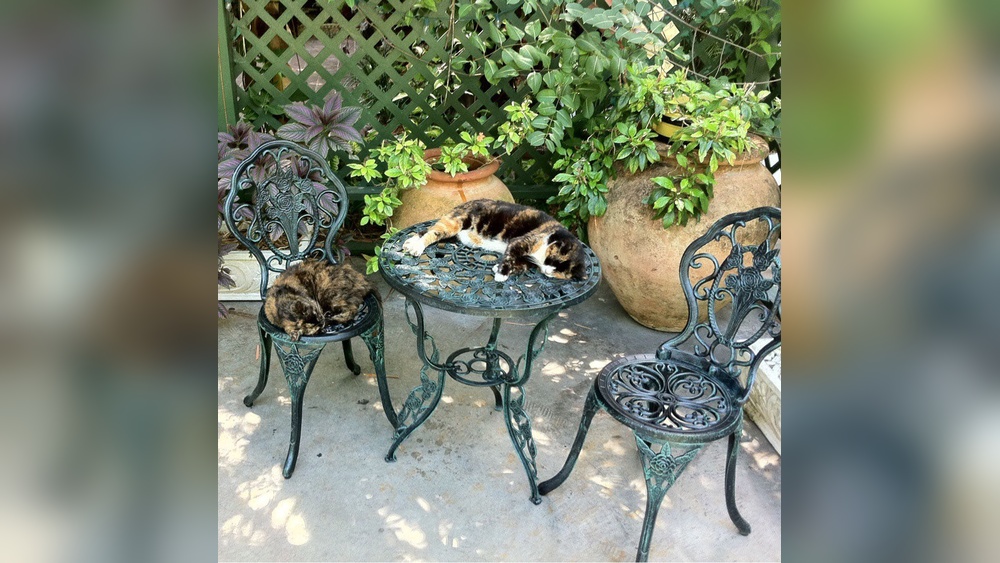
Cats often choose outdoor furniture as their favorite spot. They find many good reasons to sit there. Understanding these reasons helps in managing their behavior. Cats feel attracted to outdoor furniture for comfort, safety, and marking their space.
Comfort And Warmth
Outdoor furniture offers a soft and cozy place to rest. Cats love warm surfaces, especially under the sun. Cushions and fabric keep them comfortable for long naps. The warmth helps cats stay relaxed and calm.
Territory Marking
Cats use scent glands in their paws and face to mark territory. Sitting on furniture spreads their scent. It tells other cats this place belongs to them. Outdoor furniture becomes a prime spot for marking and claiming space.
Safety And Shelter
Furniture provides shelter from wind and rain. Cats feel protected in these spots. Being elevated also helps them watch their surroundings. Outdoor furniture gives cats a safe, quiet hideout in the yard.
Physical Barriers To Keep Cats Away
Physical barriers offer a practical way to stop cats from sitting on outdoor furniture. These methods create an environment that cats find uncomfortable or hard to access. They do not harm the cats but gently encourage them to stay away.
Using physical barriers can protect your furniture and keep your outdoor space clean. The key is to choose the right barrier that suits your furniture and garden style.
Using Cat Repellent Mats
Cat repellent mats have small, soft spikes or bumps. Cats dislike walking on these mats because they feel strange on their paws. Place these mats on your outdoor furniture or around it. They are safe and do not hurt the cats.
These mats are easy to remove and clean. They work well on chairs, tables, and benches. This method discourages cats from jumping on your furniture repeatedly.
Covering Furniture With Plastic Sheets
Plastic sheets create a slippery surface that cats avoid. Cover your outdoor furniture with clear plastic sheets. This makes it hard for cats to get comfortable or stay on the furniture. The sound of plastic can also scare cats away.
Use heavy-duty plastic to prevent tearing. Secure the sheets tightly so they do not flap in the wind. This method protects your furniture from scratches and fur.
Installing Fencing Or Netting
Fencing or netting can block cats from entering certain areas. Use low fences or garden netting around your outdoor furniture. This keeps cats out without harming them. Make sure the fence or net is tall enough to stop cats from jumping over.
This barrier is especially useful for gardens where stray cats visit often. It creates a clear boundary that cats respect. Choose materials that blend with your garden for a neat look.
Scent-based Deterrents
Cats rely on their strong sense of smell. Using scents they dislike can keep them off outdoor furniture. Scent-based deterrents are safe and easy to apply. They create an invisible barrier that cats avoid. This method does not harm cats or damage furniture. It works well for gardens and patios alike.
Citrus Scents
Cats hate the smell of citrus fruits. Lemon, orange, and lime peels are natural repellents. Scatter fresh peels around your furniture. You can also use citrus essential oils. Dab a few drops on cloth and place near seating areas. Replace peels or oil every few days. The sharp scent keeps cats away effectively.
Commercial Cat Repellents
Many stores sell sprays made to repel cats. These sprays use scents cats dislike but humans find mild. Apply the spray directly on furniture surfaces. Follow package instructions for best results. Repeat application after rain or heavy dew. These repellents are safe for pets and plants. They provide a convenient, ready-to-use solution.
Natural Herbs And Oils
Herbs like rue, lavender, and rosemary deter cats. Plant these herbs near your outdoor seating. Cats avoid areas with strong herbal scents. Essential oils from eucalyptus and peppermint also work well. Mix oils with water and spray around furniture. Avoid spraying directly on fabric to prevent stains. Natural herbs and oils add beauty and protection.
Behavioral Techniques
Behavioral techniques help change your cat’s habits gently. These methods guide cats away from outdoor furniture without stress. Cats respond well to certain changes in their environment and training. Using these techniques can keep your furniture safe and your cat happy.
Providing Alternative Resting Spots
Give your cat a comfy place outside. A soft bed or a small shelter works well. Place it near the furniture they like. Cats choose comfort and safety. A warm spot with shade attracts cats more than bare furniture.
Using Motion-activated Sprinklers
Sprinklers that turn on with movement can scare cats gently. The water is safe but surprising. Cats learn to avoid the area quickly. Place sprinklers near the furniture to keep cats away. This method keeps your garden dry and your furniture clean.
Training With Noise Deterrents
Use small noise makers to deter cats. Clapping hands or a gentle shaker works well. Make noise when your cat tries to sit on furniture. Repeat this often so cats learn the place is off-limits. Avoid loud sounds that frighten cats too much.
Regular Maintenance And Cleaning
Regular maintenance and cleaning help keep outdoor furniture less inviting for cats. Dirt, hair, and smells attract them. Clean furniture discourages cats from resting there. It also protects your furniture from damage.
Removing Cat Hair And Odors
Use a vacuum or sticky roller to remove cat hair daily. Hair buildup invites cats back. Clean fabrics with pet-safe sprays to remove odors. Odors signal a cat that the spot is okay to sit on. Wash cushions or covers regularly to keep them fresh.
Preventing Scratching Damage
Trim your cat’s nails often to reduce furniture scratches. Place scratching posts near outdoor furniture to redirect scratching. Use protective covers or sprays designed to deter scratching. Repair small tears quickly to prevent bigger damage. Cats avoid uncomfortable surfaces, so keep furniture smooth and intact.
Keeping Furniture Dry And Unattractive
Wet furniture is less appealing to cats. Use waterproof covers when it rains. Dry furniture quickly after rain or cleaning. Store cushions inside to avoid dampness. Cats prefer dry, warm spots, so keeping furniture dry helps keep them away.

Credit: jardina.com
When To Seek Professional Help
Knowing when to seek professional help is important if cats keep sitting on your outdoor furniture. Some cats are very stubborn. Simple home methods might not work. Professionals offer safe and effective solutions. They help protect your furniture and keep cats away without harm.
Persistent Cat Intrusion
Persistent cat intrusion means the cat returns often. You tried sprays, noises, and barriers. The cat still sits on your furniture. This problem may need expert advice. Persistent cats can cause damage and stress. Professionals can assess the situation and suggest better options.
Safe And Humane Solutions
Professionals use safe and humane solutions to keep cats away. They avoid harm to animals. These solutions include special repellents and training tips. Experts know how to protect your space without hurting cats. This helps keep peace between you and your neighbors’ pets.
Local Animal Control Resources
Local animal control resources can assist with problem cats. They offer advice and support. Some areas have programs for stray or feral cats. Animal control can help trap and relocate cats safely. Contact your local office if you need help managing outdoor cats.

Credit: www.polywood.com
Frequently Asked Questions
How Can I Deter Cats From Sitting On Outdoor Furniture?
Use physical barriers like covers or aluminum foil on furniture. Employ scents cats dislike, such as citrus or lavender. Motion-activated sprinklers can also discourage cats. Regularly cleaning furniture helps remove cat scents that attract them.
What Natural Repellents Keep Cats Off Outdoor Furniture?
Citrus peels, coffee grounds, and lavender are natural repellents. These scents are unpleasant to cats and can keep them away. Sprinkling these around furniture deters cats without harming them. Always replace repellents regularly to maintain effectiveness.
Are There Safe Products To Stop Cats On Furniture?
Yes, safe sprays with natural ingredients repel cats effectively. Look for products labeled non-toxic and pet-friendly. Avoid harsh chemicals that could harm cats or humans. These sprays mask appealing scents and discourage cats from sitting.
Can Outdoor Furniture Covers Prevent Cats From Sitting?
Yes, covers act as a physical barrier against cats. Waterproof and textured covers are less inviting to cats. They protect furniture from fur, scratches, and dirt. Covers are a simple, effective solution to keep cats off.
Conclusion
Stopping cats from sitting on outdoor furniture takes patience and simple steps. Use safe deterrents like covers or scents cats dislike. Keep the area clean and remove tempting spots. Consistency matters—cats learn what is off-limits over time. Protect your furniture without harming animals.
Enjoy your outdoor space peacefully and comfortably. Small changes make a big difference. Try different methods until you find what works best. Your furniture stays clean, and cats stay happy elsewhere. Easy and kind solutions keep everyone safe and content.