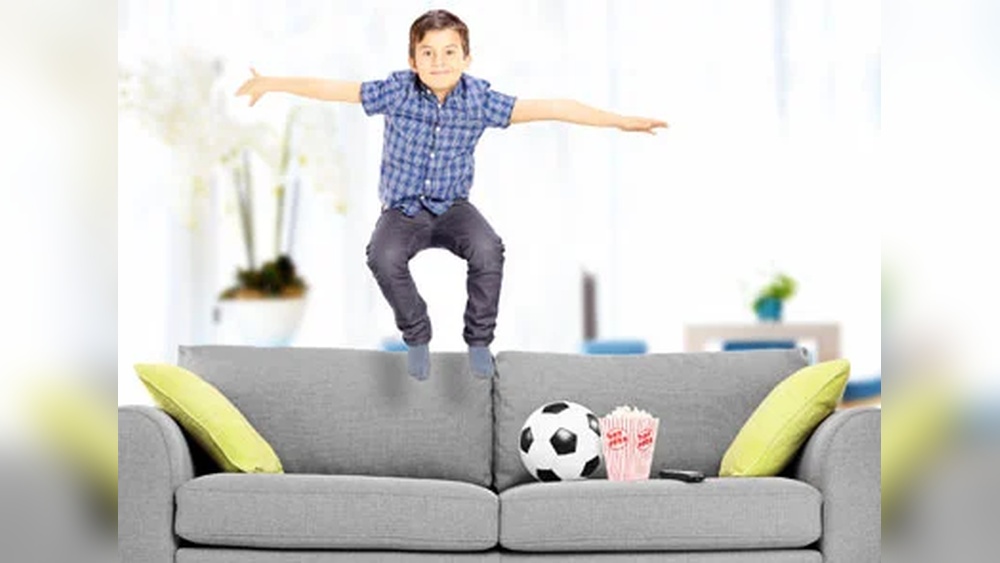
Are you tired of your kids turning your furniture into their personal trampoline? You’re not alone.
Jumping on sofas and chairs might seem harmless fun to them, but it can quickly lead to broken furniture, safety risks, and a lot of frustration for you. The good news is, you can gently guide your children to stop this behavior without constant yelling or nagging.
You’ll discover practical, easy-to-follow tips that will help you set clear boundaries while keeping your child happy and engaged. Keep reading to find out how to turn your home back into a safe, peaceful space everyone can enjoy.

Credit: barumbaplay.com
Reasons Kids Jump On Furniture
Understanding why kids jump on furniture helps address the behavior effectively. Children often jump on couches, chairs, or beds to explore their world. This action is a mix of natural instincts, social learning, and emotional needs. Recognizing these reasons guides parents to respond with patience and smart strategies.
Natural Energy And Curiosity
Kids have lots of energy that needs release. Jumping feels fun and exciting to them. It also helps them learn about balance and movement. This natural curiosity pushes children to test their limits. Furniture becomes a tempting playground for their active minds and bodies.
Seeking Attention
Sometimes kids jump to get noticed by adults. They want a reaction, whether positive or negative. This behavior can signal a need for more engagement or affection. Parents can spot this and offer attention in positive ways instead. Redirecting their energy to safer activities works well.
Imitating Others
Children often copy what they see around them. If siblings or friends jump on furniture, they try it too. Media and cartoons may also show jumping as fun behavior. Kids want to fit in and be part of their social group. Understanding imitation helps guide them toward better habits.

Credit: www.amazon.com
Risks Of Jumping Indoors
Jumping on furniture inside the house might seem fun for kids. Yet, it carries several risks. Understanding these risks helps parents keep their children safe and protect home items.
Potential Injuries
Jumping indoors can cause falls and bumps. Kids may hit their heads or break bones. Sprains and bruises are common injuries. Hard floors increase the chance of harm. Even small falls can lead to serious problems. Supervision alone may not prevent accidents.
Damage To Furniture
Furniture is not built for jumping. Cushions can tear and springs may break. Wooden frames might crack or loosen. The couch loses shape and comfort over time. Repairing or replacing furniture is costly. Damage also reduces furniture’s safety and stability.
Safety Concerns
Jumping near sharp corners or glass is dangerous. Children might knock over lamps or decorations. Pets and younger siblings can get hurt too. Furniture tipping over poses a serious risk. The indoor space becomes unsafe for everyone. Setting clear rules helps maintain a safe home.
Setting Clear Boundaries
Setting clear boundaries helps children understand what is allowed and what is not. It creates a safe environment for kids to play without risking injury or damage. Boundaries guide children to develop good habits and respect household rules. Clear limits reduce confusion and help prevent repeated jumping on furniture.
Consistent Rules
Set simple rules about jumping on furniture. Use the same rules every day, no exceptions. Consistency helps children remember and follow limits easily. Repeat rules calmly and firmly. Praise kids when they follow rules to encourage good behavior.
Using Visual Cues
Visual signs remind kids about rules without constant talking. Place pictures or signs near furniture showing “No Jumping.” Use bright colors and clear symbols for better understanding. Visual cues work well for younger children who read less. They help kids remember boundaries on their own.
Explaining Consequences
Tell children what happens if they break the rules. Use simple words to explain natural consequences like getting hurt or breaking furniture. Mention logical consequences like time-outs or losing playtime. Make sure kids know consequences are fair and apply every time. This builds respect for boundaries and self-control.
Redirecting Energy Positively
Children have a lot of energy that needs a safe outlet. Redirecting their energy positively keeps them happy and your furniture safe. Instead of telling kids to stop jumping, offer fun and safe alternatives. This helps children learn where jumping is okay and where it is not. Positive redirection builds good habits and reduces frustration for both kids and parents.
Designated Play Areas
Create special spots just for active play. Use mats or rugs to mark these areas. Add soft cushions or small trampolines for jumping fun. Explain clearly that this is the place to jump and play. Keep toys and play equipment here to attract kids. This helps kids understand boundaries and use the right space.
Indoor Jumping Alternatives
Offer safe indoor options that satisfy the urge to jump. Use mini trampolines with handles for balance. Set up obstacle courses with pillows and soft blocks. Encourage dancing or jumping games that involve movement. These ideas keep kids busy and reduce the chance of jumping on furniture. Praise children when they use these alternatives.
Outdoor Activity Options
Use outdoor time to burn off extra energy. Parks and playgrounds are perfect for jumping and running. Organize games like hopscotch or jumping rope. Take nature walks that include jumping over logs or rocks. Fresh air and open space help children stay active and calm indoors. Regular outdoor play reduces indoor jumping urges.
Engaging Kids In Play
Engaging kids in play helps redirect their energy away from jumping on furniture. Play offers safe ways to move and explore. It also builds a strong bond between parent and child. Keeping children busy with fun activities lowers the chance they jump where they shouldn’t. Here are some ideas to keep kids active and entertained.
Interactive Games
Choose games that require focus and movement. Simple indoor games like “Simon Says” or “Freeze Dance” keep kids moving safely. These games teach listening skills and self-control. Use toys like building blocks or puzzles to engage their minds. Interactive games hold their attention and reduce risky jumping.
Creative Storytelling
Tell stories that invite kids to imagine and play along. Use voices and gestures to make stories exciting. Encourage children to add to the story or act it out. This sparks creativity and offers fun ways to express energy. Storytelling slows down wild jumping by capturing their interest.
Physical Activities Together
Join your child in physical play outside or in a safe space. Activities like jumping rope, dancing, or tossing a ball use up excess energy. Doing these together strengthens your connection and models good habits. Regular physical play helps children feel satisfied and less likely to jump on furniture.

Credit: www.amazingk.co.za
Childproofing Your Home
Childproofing your home helps keep children safe and teaches them good habits. It creates a safe space where kids can explore without harm. Setting clear boundaries on furniture use reduces accidents and damage. Simple changes in your home can stop kids from jumping on furniture.
Securing Furniture
Anchor heavy furniture to walls to stop tipping. Use corner guards on sharp edges to prevent injuries. Keep drawers and cabinets closed with childproof locks. This reduces the risk of climbing and accidents. Stable furniture feels less like a climbing challenge.
Removing Temptations
Clear toys and cushions from sofas and chairs. Remove items that invite jumping, like pillows or blankets. Keep remote controls and snacks out of reach. When furniture looks less fun to jump on, kids lose interest. A tidy room lowers the chance of risky play.
Safe Climbing Alternatives
Offer soft play mats or indoor climbing toys instead. Create a designated play area with cushions and tunnels. Encourage jumping on trampolines or bounce houses outside. These options satisfy your child’s energy safely. Safe alternatives reduce the urge to jump on furniture.
Encouraging Good Behavior
Encouraging good behavior helps children learn the right actions. It builds respect and keeps everyone safe. Teaching kids to avoid jumping on furniture takes patience and clear guidance. Positive habits form through support and clear rules. This section covers ways to encourage good behavior effectively.
Positive Reinforcement
Praise children when they follow rules and behave well. Simple words like “Great job!” boost their confidence. Focus on the behavior you want to see more often. It helps kids understand what is acceptable. Positive reinforcement motivates kids to repeat good actions.
Reward Systems
Use small rewards to encourage good behavior. Stickers, extra playtime, or a favorite snack work well. Rewards make following rules fun and meaningful. Set clear goals so children know what to achieve. This method helps children connect good choices with positive results.
Consistent Follow-through
Stick to rules every time. Consistency helps kids learn limits and expectations. If jumping on furniture happens, respond calmly but firmly. Repeat instructions and consequences so they understand. Consistent follow-through makes rules clear and trustworthy.
Managing Setbacks Calmly
Managing setbacks calmly is key to teaching kids not to jump on furniture. Kids test limits often. Staying calm helps you keep control and show the right behavior. It also makes kids feel safe and understood. This approach builds respect and better habits over time. Patience and clear communication play big roles.
Staying Patient
Patience is important when kids break rules. They might jump on furniture many times before stopping. Take deep breaths before reacting. Speak softly and firmly. Avoid yelling or punishment. Kids learn better from calm guidance. Remember, this is a process, not instant.
Reinforcing Rules
Keep rules simple and clear. Tell your child where they can and cannot jump. Use short sentences like “No jumping on the couch.” Remind them often and gently. Praise them when they follow rules. Consistency helps kids remember and respect limits. Visual cues like pictures can also help.
Adjusting Strategies
Some methods work better than others for each child. If one way fails, try another. Offer fun alternatives like a trampoline or soft cushions. Create a special play area for jumping. Watch your child’s reactions and change your approach as needed. Flexibility helps find what works best.
Frequently Asked Questions
How To Get Kids To Stop Jumping On Furniture?
Set clear rules against jumping on furniture and explain safety risks. Redirect kids to safe alternatives like a mini trampoline. Praise them for following rules and consistently reinforce boundaries with visual reminders. Engage children in active play to reduce the urge to jump indoors.
What Is The 7 7 7 Rule Parenting?
The 7 7 7 rule parenting means responding calmly by counting to seven three times before reacting. It helps parents stay patient and manage emotions during conflicts.
What Is The 9 Minute Rule For Kids?
The 9-minute rule for kids limits screen time or activities to nine minutes to improve focus and prevent overstimulation.
What Is The 777 Rule For Kids?
The 777 rule for kids recommends 7 hours of sleep, 7 servings of fruits and vegetables, and 7 hours of screen-free activities daily.
Conclusion
Stopping kids from jumping on furniture takes patience and clear rules. Set safe places for jumping and explain why furniture is off-limits. Use gentle reminders and offer fun alternatives to keep them active. Consistency helps children learn expected behavior. Praise them when they follow the rules to encourage good habits.
Remember, children need your guidance and support throughout this process. With time and care, jumping on furniture will become less of an issue. Keep calm and stay positive as you help your child learn safer ways to play.