Moving large furniture can quickly turn from exciting to stressful, especially when you face tight hallways and narrow doors. You might be wondering, “Will my sofa fit through that doorway?” or “How do I avoid damage while moving my bulky items?” Getting your measurements right is the key to making the whole process smooth and hassle-free.
You’ll discover simple, effective tips to measure hallways and doors perfectly, so you can save time, avoid costly mistakes, and protect your furniture. Keep reading to take control of your move and make sure everything fits just right.
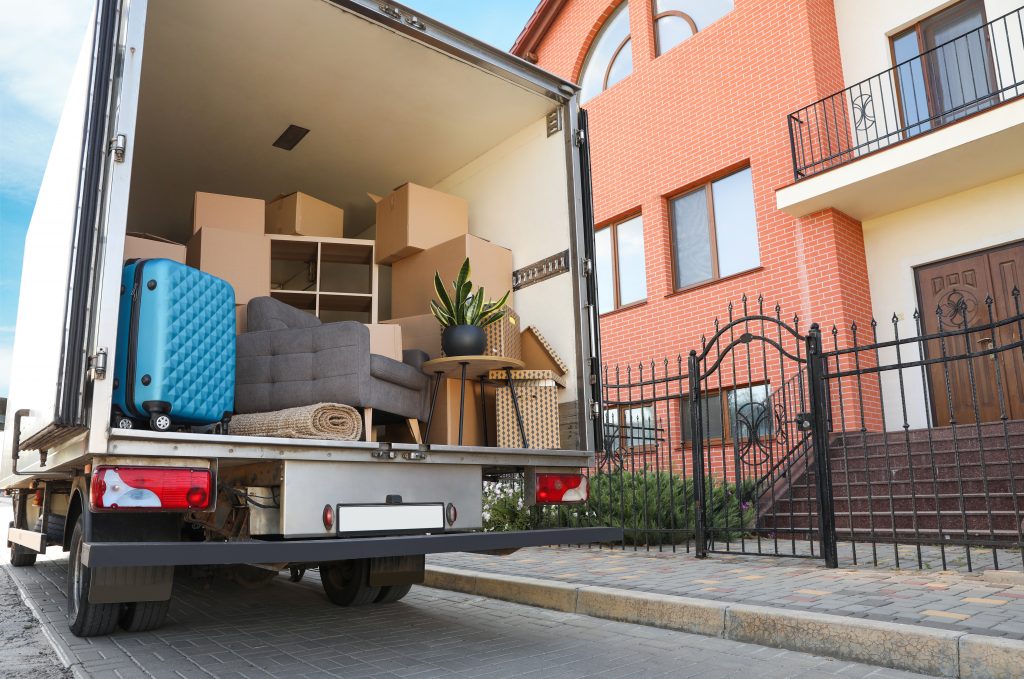
Credit: www.gardnermovingpgh.com
Key Measurements To Take
Taking accurate measurements is the first step to moving large furniture safely. Knowing the right sizes helps avoid damage and saves time. Focus on key areas to check before moving your furniture.
Measure your furniture, hallways, and door frames carefully. These numbers decide if your furniture fits or needs extra help.
Measuring Furniture Dimensions
Start by measuring the length, width, and height of your furniture. Use a tape measure and note down each number. Check the largest parts like armrests or legs. Don’t forget to include any removable parts like cushions or shelves. Write the numbers clearly for easy reference.
Hallway Width And Height
Measure the width of hallways where the furniture will pass. Take the narrowest point as your key number. Also, measure the height from the floor to the ceiling or any obstacles. Watch out for light fixtures or vents that may reduce space. These measurements show if the furniture can move through smoothly.
Door Frame Size
Measure the width and height of all door frames the furniture must pass. Include the frame edges, not just the open space. Check if doors can open fully or if hinges limit space. Compare these numbers to your furniture’s size. This step helps avoid surprises on moving day.

Credit: www.amazon.com
Tools For Accurate Measuring
Measuring hallways and doors accurately helps avoid problems with large furniture. Using the right tools makes this task easier and more precise. Small mistakes in measurement can cause big issues during moving.
Good tools give clear numbers. They help check width, height, and angles without guesswork. This section shows three useful tools for measuring hallways and doors.
Tape Measures
Tape measures are simple and popular tools. They are easy to carry and use. Pull the tape out and note the length. Tape measures work well for short and medium distances.
Look for a tape with clear markings. A metal tip helps catch edges. Use a stiff tape to avoid bending. This tool suits most home measuring tasks.
Laser Distance Meters
Laser distance meters give quick and exact readings. They send a laser beam to the target. The meter calculates the distance by the time the light takes to return.
These tools work best in long or hard-to-reach spaces. They show numbers on a screen for easy reading. Laser meters often measure in meters and feet.
Angle Finders
Angle finders measure corners and turns. They help check angles in tight hallways. Some angle finders are digital and show angles on a screen.
Knowing the angle helps plan how to turn furniture. Angle finders prevent surprises with sharp corners or narrow bends. Use them to ensure smooth moving paths.
Common Challenges During Moving
Moving large furniture is often harder than it looks. Hallways and doorways can block smooth passage. Many people find these spots tricky to navigate. Knowing common challenges helps you prepare better. It saves time and avoids damage to furniture or walls.
Tight Corners And Narrow Spaces
Tight corners limit furniture movement. Large items may not fit through sharp turns. Narrow hallways reduce space to turn or tilt furniture. Measuring these areas is crucial before moving. It helps decide if furniture needs disassembly or special handling.
Low Doorways
Low doorways create height problems for tall furniture. Items like wardrobes or bookcases might not clear the frame. Check the height of doorways and furniture first. Plan to angle or tilt items carefully to avoid scraping or damage.
Obstructions And Fixtures
Light fixtures, handrails, and wall decorations can block paths. These objects reduce available space for moving furniture. Identify and remove removable obstructions before the move. This reduces risk of accidents and protects walls and furniture.
Techniques To Ease Moving
Moving large furniture through hallways and doors can be tricky. Careful techniques make the process easier and prevent damage. Preparing your space and furniture helps save time and stress. Follow these simple steps to move big items smoothly and safely.
Removing Doors And Trim
Take off doors to create more space. Use a screwdriver to remove hinges carefully. Keep screws and parts in a safe place. Removing door trim can add extra clearance. Gently pry the trim with a crowbar. This step helps big furniture pass through narrow openings.
Disassembling Furniture
Break down large pieces into smaller parts. Unscrew legs or arms from tables and sofas. Keep small parts in labeled bags to avoid loss. Disassembled furniture is lighter and easier to handle. This reduces the chance of scratching walls or floors.
Using Protective Covers
Wrap furniture in blankets or moving pads. Covers protect against scratches and dents. Secure covers with tape or straps to keep them in place. Protective covers also help when sliding furniture through tight spaces. They prevent damage to both furniture and walls.
Planning The Route
Planning the route for moving large furniture is very important. It helps avoid damage and saves time. Careful preparation makes the move smoother and less stressful. Measuring doors, hallways, and turns ensures the furniture fits through without problems.
Mapping Hallway Turns
Measure the width and length of all hallways. Note each turn’s angle and space available. Check if the furniture can fit around corners without scraping walls. Mark tight spots and think about how to move the item carefully through them.
Checking Ceiling Clearance
Measure the height of ceilings along the route. Large furniture might be tall and need extra space. Watch for light fixtures, pipes, or vents that stick out. Make sure the furniture clears these obstacles without damage.
Preparing Entry And Exit Points
Measure doorways and entry spaces. Remove doors if needed to make more space. Clear hallways and remove any rugs or objects on the floor. Make sure the path is clean and wide enough for the furniture to pass easily.

Credit: www.laborhutt.com
Safety Tips For Moving Large Items
Moving large furniture requires careful attention to safety. Heavy items can cause injuries or damage without the right approach. Follow these simple tips to protect yourself and your home. Safety should always come first.
Proper Lifting Techniques
Bend your knees, not your back, when lifting heavy items. Keep the load close to your body. Lift with your legs, not your arms. Avoid twisting your body while carrying furniture. Take slow, steady steps to keep balance. Use gloves to improve grip and protect hands.
Using Moving Equipment
Dollies and hand trucks reduce strain on your body. Secure furniture tightly on the equipment to prevent slipping. Use straps to hold items in place. Check the path ahead for obstacles before moving. Wear sturdy shoes with good traction for safety. Use furniture sliders to move items on floors easily.
Team Coordination
Communicate clearly with your helpers before lifting. Assign roles and agree on signals to stop or move. Lift and lower the furniture together at the same time. Walk slowly and watch each other’s movements. Take breaks if anyone feels tired or uncomfortable. Teamwork prevents accidents and speeds up the move.
Frequently Asked Questions
How To Measure Hallway Width For Large Furniture?
Measure the narrowest hallway point from wall to wall. Use a tape measure and note the width in inches or centimeters. This ensures your furniture can pass through without damage or hassle during moving.
What Door Dimensions Are Crucial For Furniture Moving?
Measure the door height, width, and thickness accurately. Include door frames and clearance space. These dimensions help determine if large furniture can fit through doorways safely.
How To Measure Furniture For Moving Through Doors?
Measure the furniture’s height, width, and depth, including protrusions. Compare these with door and hallway measurements. This prevents surprises and helps plan disassembly if needed.
Why Is Clearance Space Important In Furniture Moving?
Clearance space prevents furniture from scraping walls or door frames. Always add a few extra inches to your measurements. This space ensures smooth movement and protects both furniture and property.
Conclusion
Measuring hallways and doors helps avoid moving problems. Take your time to measure width, height, and diagonal space. Double-check numbers to ensure furniture fits smoothly. Small mistakes can cause big delays and extra work. Careful measuring saves stress and protects your items.
Plan each step before moving heavy pieces. This simple task makes moving easier and safer for everyone.