Are you wondering when your little one is ready to make the big switch to a toddler bed? Knowing the right age can make a huge difference for both your child’s safety and comfort—and for your peace of mind.
Moving too early or too late can lead to restless nights and frustration for everyone. You’ll discover the key signs to look for and expert tips to help your toddler transition smoothly. Keep reading to find out exactly when your child can start sleeping in a toddler bed—and how to make the change easier for both of you.

Credit: www.whattoexpect.com
When To Transition
Deciding when to move your child from a crib to a toddler bed can feel tricky. It depends on your child’s growth and comfort. Watching your toddler’s behavior helps you know the right time. A smooth change makes bedtime safer and happier for both of you.
Signs Your Toddler Is Ready
Your toddler might try climbing out of the crib. This shows they need a safer space. They may ask for a “big kid” bed too. If your child stands next to the crib and looks over, it could mean they want to switch. Also, if your toddler wakes up and wants to get out alone, a toddler bed can help. These signs mean your child is ready to transition.
Common Age Ranges
Most toddlers move to a toddler bed between 18 months and 3 years old. Some start earlier if they climb out of the crib. Others stay longer if they feel safe in their crib. Each child grows at their own speed. Watch your toddler’s needs more than the clock. This makes the change easier for everyone.
Choosing The Right Bed
Choosing the right bed for your toddler is an important step. It helps your child feel safe and comfortable. The right bed supports good sleep and helps your toddler grow. This section explains types of toddler beds and safety features to consider.
Types Of Toddler Beds
Toddler beds come in different styles and sizes. Some beds look like small versions of adult beds. Others have fun themes, such as cars or animals. Convertible beds change from cribs to toddler beds. These save money and space. Some beds have rails on the sides. These rails stop toddlers from falling out. Choose a bed that fits your child’s room well.
Safety Features To Look For
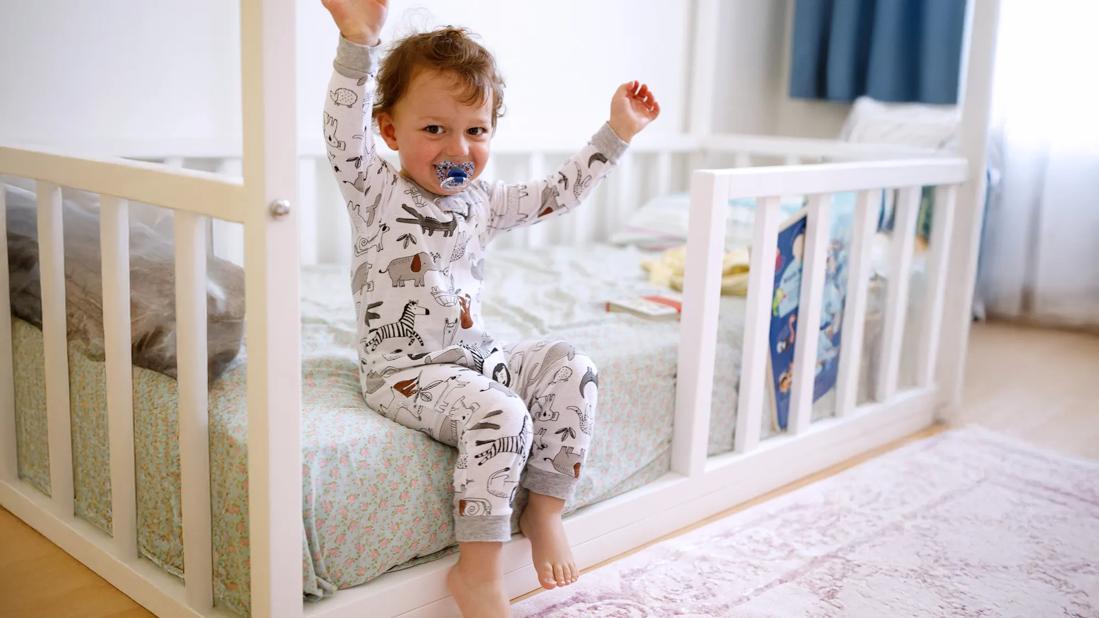
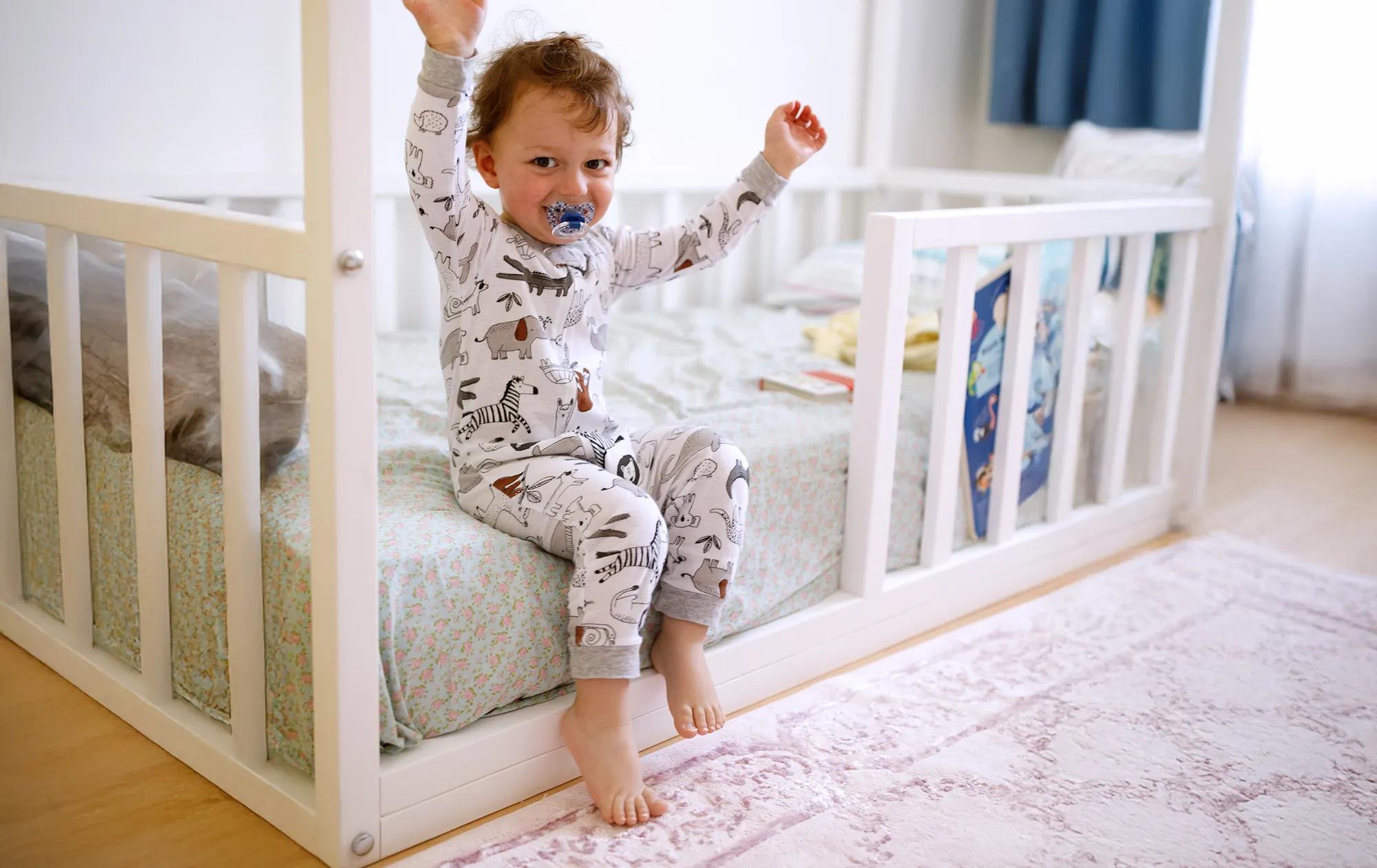
Safety is the top priority for toddler beds. Look for beds with sturdy frames and smooth edges. Avoid beds with sharp corners or loose parts. Side rails help keep your toddler safe during sleep. Check that the bed is low to the ground. This makes it easy for toddlers to get in and out. Make sure the bed meets safety standards. A safe bed gives parents peace of mind.
Preparing Your Toddler
Preparing your toddler for a new sleeping space is important. It helps your child feel safe and excited about the change. The transition to a toddler bed can be smooth with the right steps.
Start by making the bed a place your toddler wants to be. Then, create a bedtime routine that feels comfortable and calming. These steps build a sense of security and ease the move to the toddler bed.
Making The Bed Inviting
Choose bedding with your toddler’s favorite colors or characters. Soft sheets and cozy blankets make the bed warm and welcoming. Add a few stuffed animals for comfort. Let your child help pick the bedding to make it special. A bed that looks fun can excite your toddler about bedtime.
Establishing A Bedtime Routine
Create a simple routine before bed. This might include a bath, storytime, and some quiet talking. Keep the routine the same every night. It helps your toddler know what to expect next. A calm routine makes falling asleep easier and faster.
Credit: health.clevelandclinic.org
Safety Tips For Toddler Beds
Safety is the top priority when choosing a toddler bed. Toddlers are active and curious, so the bed must protect them from injury. Proper safety measures help create a secure sleeping space. Parents can feel confident about their child’s transition from crib to bed.
Follow clear safety tips to reduce risks. Check the bed’s design and your child’s room for hazards. Small changes can prevent accidents and ensure peaceful sleep for toddlers.
Preventing Falls
Choose a toddler bed with guardrails on both sides. Guardrails stop toddlers from rolling out during sleep. Make sure the rails are sturdy and high enough for your child’s height. Avoid beds with gaps where little hands or feet can get stuck. Place the bed close to the floor to lessen injury if a fall happens. Remove toys or objects from the bed that could cause trips or falls.
Room Safety Measures
Clear the floor around the bed from sharp or hard objects. Use soft rugs or mats beside the bed for a gentle landing spot. Secure furniture to the walls to prevent tipping. Keep cords, blinds, and electrical outlets out of reach. Maintain a cool and comfortable room temperature. Check the room regularly for new hazards as toddlers explore more each day.
Common Challenges
Switching a toddler to a toddler bed can bring many challenges. Parents often face new behaviors and habits at bedtime. Understanding these common challenges helps prepare for smoother nights. Toddlers test boundaries as they adjust to their new sleeping space. Patience and consistency are key to managing these changes.
Dealing With Resistance
Toddlers may resist sleeping in a toddler bed. They feel safe in their crib and fear change. Some cry or refuse to stay in bed. Offer comfort and explain the new bed is safe. Create a bedtime routine that feels familiar. Praise them for staying in bed through the night.
Handling Nighttime Wandering
Toddlers often get out of bed at night. They explore or seek attention from parents. Use gates or childproof doors to keep them safe. Gently guide them back to bed without anger. Keep the room quiet and dim to signal sleep time. Consistent rules help reduce nighttime wandering over time.
Benefits Of Toddler Beds
Toddler beds offer many benefits for young children and parents. They help children move smoothly from a crib to a bigger bed. These beds are designed for safety and comfort. They make sleep time easier and more fun for toddlers.
Promoting Independence
Toddler beds help children learn to sleep on their own. Kids can get in and out of bed without help. This freedom builds confidence and self-reliance. Children feel proud to use their own bed. It also teaches them to follow bedtime routines by themselves.
Supporting Better Sleep
Toddler beds provide a cozy and familiar space. They are the right size for small bodies, making kids comfortable. Comfortable children fall asleep faster and stay asleep longer. These beds reduce the risk of injury from climbing out. A secure, comfy bed helps toddlers rest well every night.
Credit: health.clevelandclinic.org
Frequently Asked Questions
At What Age Should Toddlers Switch To A Toddler Bed?
Toddlers typically switch to a toddler bed between 18 months and 3 years. This change depends on their size and readiness. Signs include climbing out of the crib or showing interest in a bigger bed. Safety and comfort are key factors in timing the transition.
How To Know If My Toddler Is Ready For A Toddler Bed?
Look for signs like climbing out of the crib or asking for a bigger bed. If your toddler can follow simple instructions and stay in bed, they are likely ready. Readiness varies, so consider your child’s behavior and physical growth before switching.
What Safety Features Should A Toddler Bed Have?
A toddler bed should have low height and guardrails to prevent falls. Ensure the bed frame is sturdy and free of sharp edges. Use a firm mattress that fits snugly. These features help keep toddlers safe while they adjust to a new sleeping environment.
Can A Toddler Bed Help Improve My Child’s Sleep?
Yes, a toddler bed can improve sleep by offering more comfort and freedom. It helps toddlers feel more independent and secure. A familiar bedtime routine combined with the right bed promotes better sleep habits and reduces night waking.
Conclusion
Choosing the right age for a toddler bed depends on your child’s readiness. Most toddlers switch between 18 months and 3 years old. Watch for signs like climbing out of the crib or showing interest in a bigger bed. Safety matters, so pick a bed with guardrails.
This change helps toddlers feel more independent and comfortable. Every child grows at their own pace. Trust your instincts and your child’s needs. A smooth transition makes bedtime easier for both of you.