Choosing the right mattress for your bunk bed is more important than you might think. The mattress you pick affects comfort, safety, and how well you sleep every night.
You want something that fits perfectly, supports your body, and keeps you cozy without making the bed too heavy or unstable. If you’re confused about what kind of mattress to buy, don’t worry. This guide will help you find the best mattress for your bunk bed, so you can rest easy and make the most of your space.
Keep reading to discover the key factors that will change the way you sleep on your bunk bed forever.
Choosing The Right Size
Choosing the right mattress size for a bunk bed is very important. The mattress must fit well to keep the bed safe and comfortable. A mattress that is too big or too small can cause problems. It can make sleeping hard and might even be unsafe. Knowing the correct size helps you pick the best mattress for your bunk bed.
Standard Bunk Bed Dimensions
Most bunk beds use standard mattress sizes. The common sizes are twin and twin XL. A twin mattress usually measures 39 inches wide and 75 inches long. Twin XL mattresses are 5 inches longer, at 39 by 80 inches. The height of the mattress also matters. It should not be too thick. Thin mattresses, about 6 to 8 inches, work well for bunk beds. They keep the top bunk safe and prevent falls.
Custom Mattress Options
Some bunk beds have unusual sizes or shapes. In these cases, custom mattresses are a good choice. Custom mattresses fit perfectly into non-standard bunk beds. You can order them with specific length, width, and thickness. Custom options may cost more but provide a perfect fit. This helps avoid gaps and uncomfortable edges. A mattress made just for your bunk bed can improve sleep quality and safety.
Best Mattress Types
Choosing the right mattress for a bunk bed is important for comfort and safety. Not all mattresses fit well or feel good on bunk beds. Some types work better because they are lighter and provide good support. This section explains the best mattress types for bunk beds.
Innerspring Mattresses
Innerspring mattresses use metal coils to provide support. They are usually firm and offer good breathability. These mattresses are lighter than some others, which is good for bunk beds. They also keep their shape well over time. Many people find them comfortable and cool to sleep on.
Memory Foam Mattresses
Memory foam mattresses mold to the body for good comfort. They reduce pressure points and help with back support. These mattresses are heavier than innerspring types but still fit bunk beds well. They absorb motion, so sleeping partners do not disturb each other. Some memory foam mattresses come with cooling gel to prevent heat build-up.
Hybrid Mattresses
Hybrid mattresses combine coils and foam layers. They offer strong support and soft comfort together. These mattresses balance the benefits of innerspring and memory foam. Hybrids are usually medium weight and provide good airflow. They work well for kids and adults using bunk beds.
Latex Mattresses
Latex mattresses use natural or synthetic latex for support. They are bouncy, durable, and keep a cool sleeping surface. Latex is lighter than memory foam but firmer in feel. These mattresses are resistant to dust mites and mold, making them good for allergy sufferers. They fit well in bunk beds and last a long time.
Comfort And Support Factors
Choosing the right mattress for a bunk bed means focusing on comfort and support. These factors help ensure a good night’s sleep and prevent aches. A mattress that fits well supports the body and feels cozy. Understanding firmness, pressure relief, and spinal alignment helps pick the best mattress.
Firmness Levels
Firmness affects how the mattress feels and supports the body. Soft mattresses offer a plush feel but may lack support. Medium firmness balances comfort and support, suitable for most sleepers. Firm mattresses provide strong support, ideal for kids and adults who prefer a solid base. Choose firmness based on sleeping style and weight for best results.
Pressure Relief
Pressure relief reduces stress on sensitive body parts like hips and shoulders. Mattresses with good pressure relief lower the chance of waking up sore. Memory foam and hybrid mattresses often provide excellent pressure relief. This feature is important for kids who move a lot during sleep. Proper pressure relief improves overall sleep quality and comfort.
Spinal Alignment
Spinal alignment keeps the spine in a natural, straight position during sleep. A mattress that supports spinal alignment helps prevent back pain. Firm or medium-firm mattresses usually promote better spinal alignment. The right mattress supports curves of the spine without sinking too much. Proper spinal alignment is key for healthy sleep and body support.
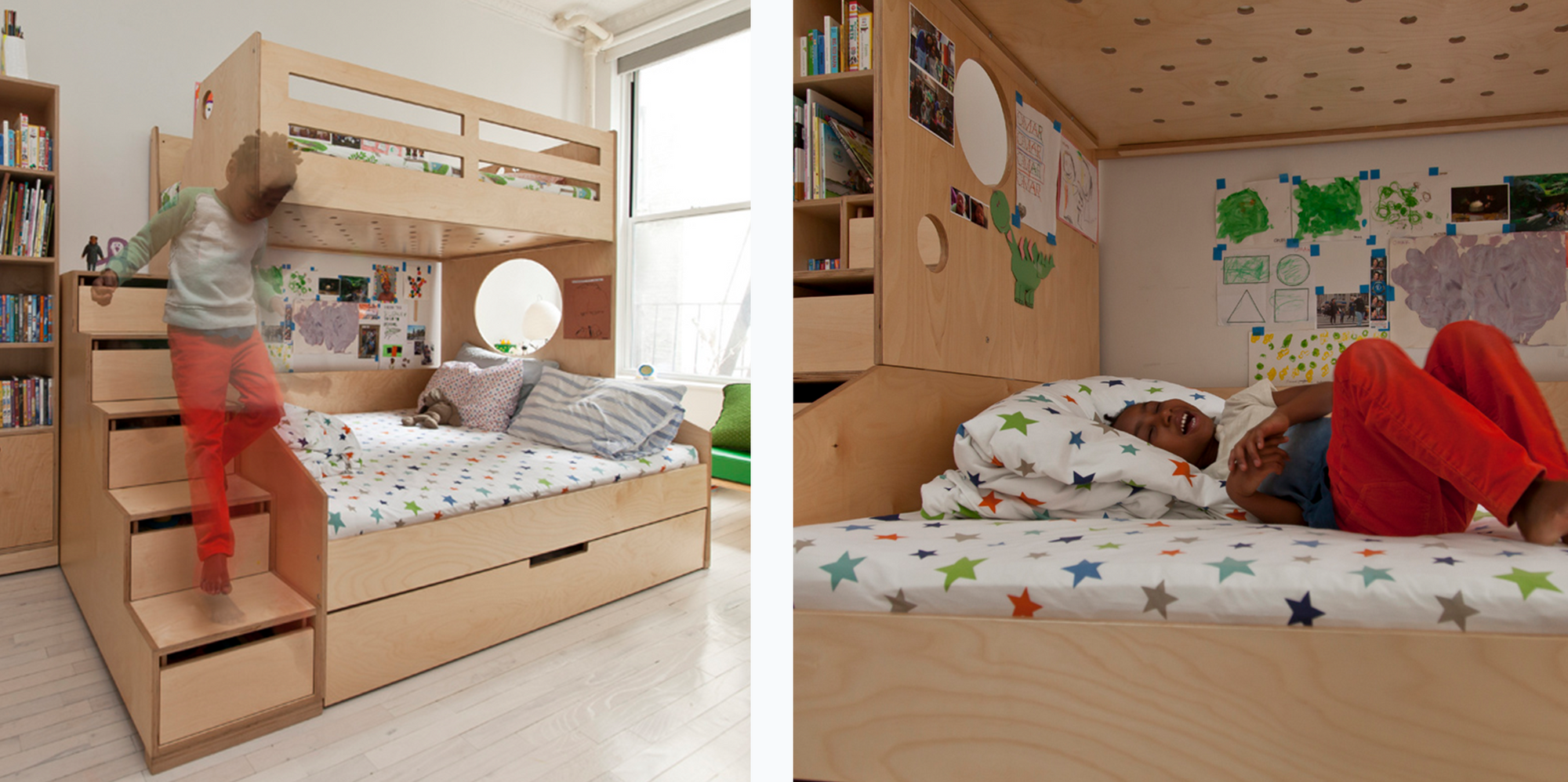
Credit: casakids.com
Safety Considerations
Choosing the right mattress for a bunk bed means putting safety first. The mattress must fit well and support the sleeper properly. Safety rules help prevent accidents and injuries.
Paying attention to important safety details keeps kids safe and comfortable during sleep. This section covers key safety points to consider.
Weight Limits
Bunk beds have specific weight limits for the mattress and sleeper. Exceeding these limits can cause the bed to break or collapse. Always check the bunk bed’s weight capacity before buying a mattress. Choose a mattress that does not add too much extra weight. This helps keep the bed stable and safe.
Fire Retardant Standards
Mattresses for bunk beds should meet fire retardant standards. These rules reduce the risk of fire and protect sleepers. Look for mattresses labeled as fire resistant or compliant with safety laws. This is especially important for children’s beds. Fire safe mattresses add a layer of protection without using harmful chemicals.
Mattress Thickness And Guardrails
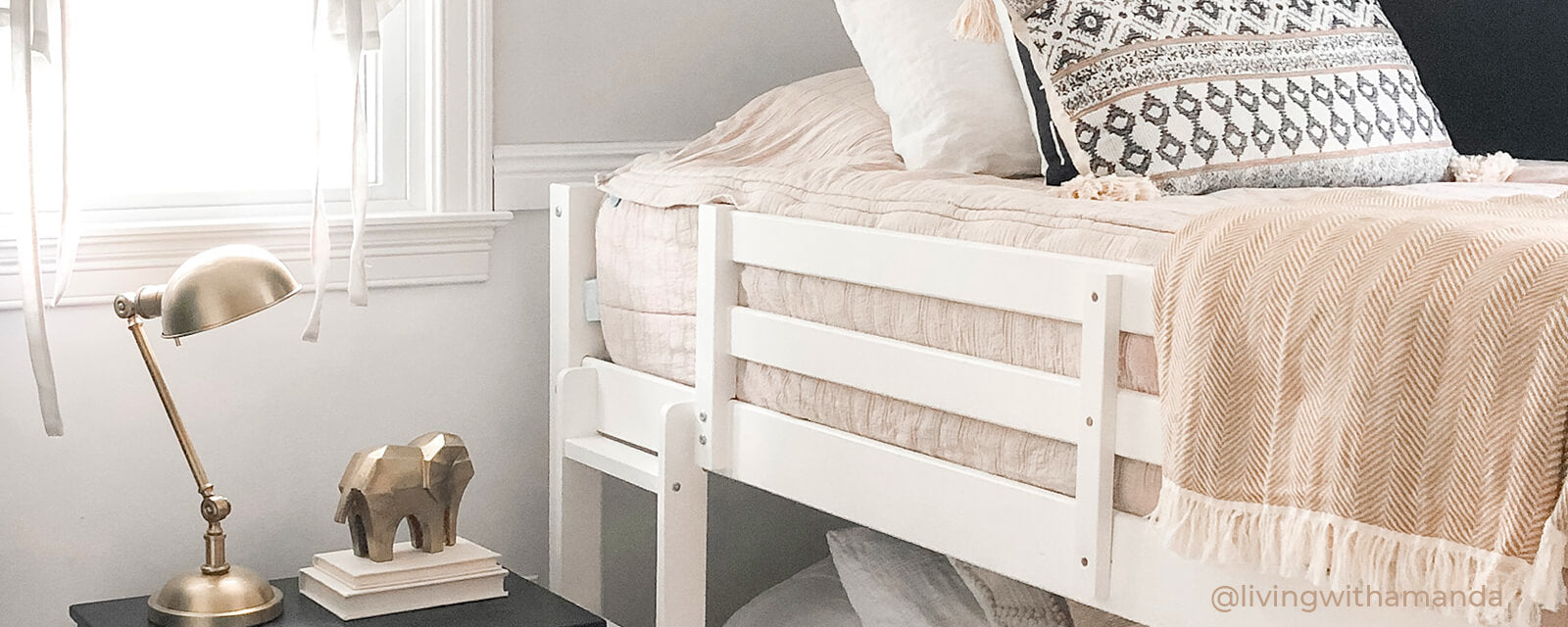
The mattress thickness affects how well the guardrails work. Too thick a mattress can make guardrails less effective. This increases the risk of falling from the top bunk. Choose a mattress that fits within the recommended thickness for your bunk bed. Guardrails should rise at least 5 inches above the mattress top. This keeps sleepers safely inside the bed during the night.
Durability And Maintenance
Durability and maintenance play a key role when choosing a mattress for a bunk bed. A strong mattress lasts longer and stays comfortable. Easy maintenance keeps the mattress clean and fresh. This section covers how to pick a mattress that lasts and stays neat.
Material Longevity
Choose mattresses made from durable materials. Memory foam and high-density foam usually last longer. Innerspring mattresses can also be strong but may wear faster. Look for quality fabric covers that resist tearing. A mattress that holds shape well prevents sagging over time.
Cleaning Tips
Keep the mattress clean by vacuuming regularly. Remove dust and dirt to avoid allergies. Spot clean spills with a mild soap and water. Avoid soaking the mattress to prevent mold. Let it air dry completely before use. Regular cleaning keeps the mattress fresh and healthy.
Protective Covers
Use a mattress protector to guard against stains and damage. Waterproof covers stop liquids from soaking in. Choose breathable covers to reduce moisture build-up. A good cover extends mattress life and keeps it hygienic. Wash the cover often to maintain cleanliness.
Budget And Value
Choosing the right mattress for a bunk bed involves balancing budget and value. A mattress should be affordable but also comfortable and safe. Spending wisely helps avoid quick replacements and supports better sleep. Understanding costs and quality factors is key.
Affordable Mattress Choices
Many budget-friendly mattresses suit bunk beds. Foam mattresses often cost less and fit well in small spaces. They provide enough comfort and support for kids and teens. Look for mattresses with simple designs and basic features to save money.
Investing In Quality
Higher-quality mattresses last longer and keep their shape. They offer better comfort, which improves sleep quality. Investing more upfront can reduce costs over time. Durable materials resist wear and provide safer support for bunk beds.
Warranty And Return Policies
Check the warranty before buying. A good warranty protects against defects and damage. Return policies let you test the mattress and change your mind if needed. These options add value and reduce risks when choosing a mattress for a bunk bed.
Mattress Accessories For Bunk Beds
Bunk bed mattresses need special care to ensure comfort and safety. Mattress accessories enhance the sleeping experience and protect the mattress. These items help keep the mattress clean, secure, and comfortable for every night.
Mattress Toppers
Mattress toppers add extra softness or firmness to bunk bed mattresses. They improve comfort without changing the mattress size. Toppers also protect the mattress from wear and tear. Choose toppers made from memory foam or latex for better support.
Fitted Sheets And Bedding
Fitted sheets keep the mattress clean and fresh. Sheets designed for bunk beds fit tightly and do not slip off. Use lightweight bedding to avoid overheating. Soft, breathable fabrics improve sleep quality for kids and adults.
Anti-slip Pads
Anti-slip pads prevent the mattress from sliding on the bunk bed frame. They add safety, especially for the top bunk. Place the pad between the mattress and the bed frame. This simple accessory keeps the mattress stable all night long.
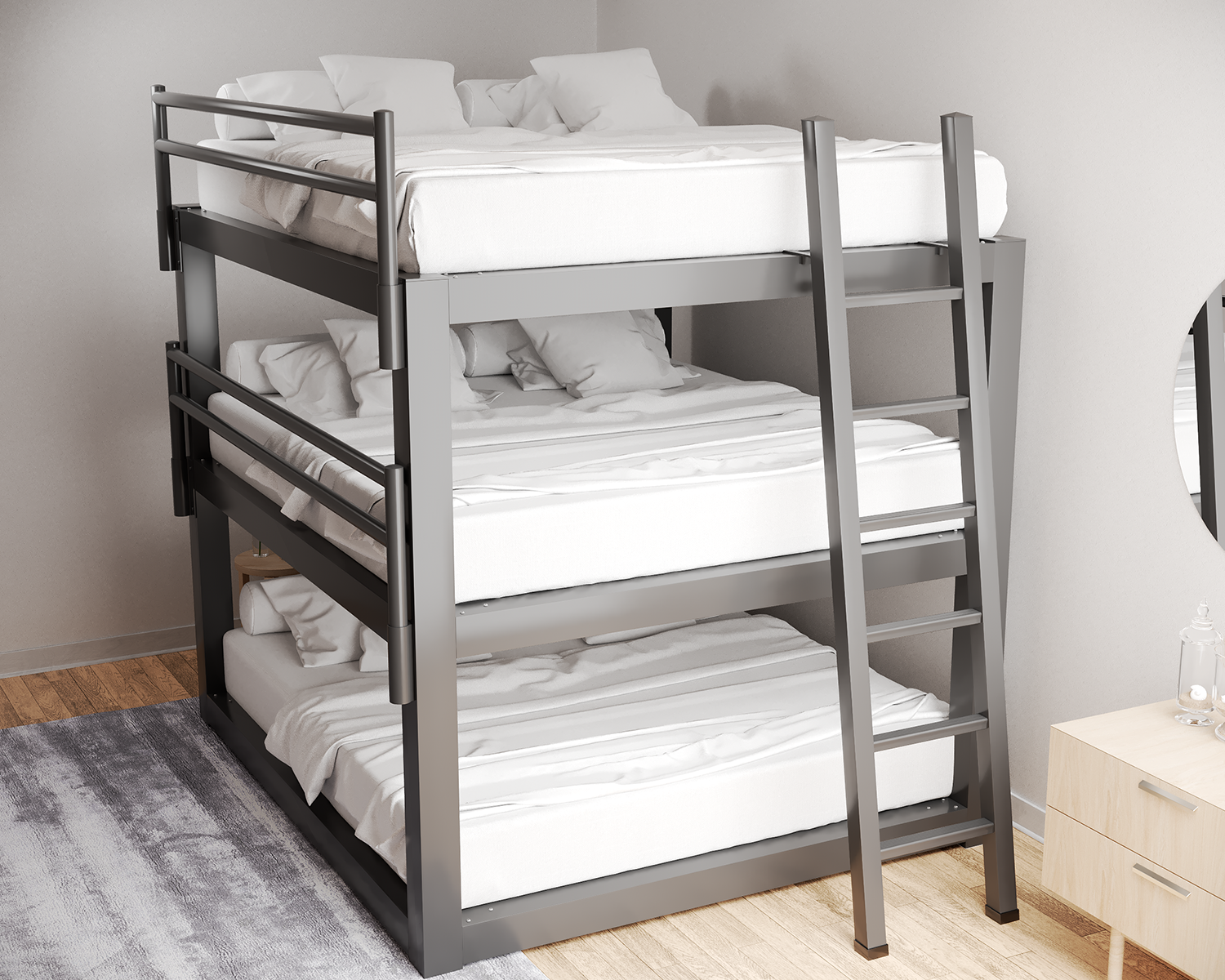
Credit: adultbunkbeds.com
Credit: www.bedinabox.com
Frequently Asked Questions
What Mattress Thickness Is Best For A Bunk Bed?
A mattress thickness of 6 to 8 inches works best for bunk beds. Thicker mattresses may reduce safety rail effectiveness. Choose a mattress that fits snugly within the bed frame to prevent gaps. This ensures safety and comfort for the sleeper.
Can Memory Foam Mattresses Be Used On Bunk Beds?
Yes, memory foam mattresses are suitable for bunk beds. They offer excellent support and conform to body shape. However, ensure the mattress thickness does not exceed bunk bed safety limits. Lightweight memory foam is easier to handle and ideal for bunk setups.
What Mattress Size Fits Standard Bunk Beds?
Standard bunk beds typically require a twin-size mattress. Twin mattresses measure 38 x 75 inches, fitting most bunk frames perfectly. Always measure your bunk bed before buying. Proper mattress size ensures safety and enhances sleeping comfort.
Are Firm Mattresses Better For Bunk Beds?
Firm mattresses are generally better for bunk beds. They provide stable support and reduce sinking risks. A firm mattress maintains the bed’s structural integrity and safety. Choose a mattress that balances firmness with comfort for best results.
Conclusion
Choosing the right mattress keeps bunk beds safe and comfy. A mattress that fits well prevents slipping and accidents. Thinner mattresses work best for top bunks to keep guardrails effective. Firmer mattresses support better and last longer. Remember to check mattress size and thickness before buying.
A good mattress helps children sleep better and feel rested. Simple choices lead to safer, happier nights. Sleep soundly on the right bunk bed mattress.