Are you planning to add a bunk bed to your home but unsure about the right size? Knowing the correct dimensions for the interiors of a bunk bed is crucial for comfort, safety, and making the most of your space.
You want your bunk bed to fit perfectly, feel cozy, and keep everyone safe while sleeping or playing. This guide will help you understand the key measurements you need to consider so you can choose or build a bunk bed that suits your needs perfectly.
Keep reading to discover the simple rules that will make your bunk bed both practical and comfortable.

Credit: us.amazon.com
Bunk Bed Size Basics
Bunk beds save space and create a fun sleeping area. Understanding their size basics helps in choosing the right one. The interior dimensions affect comfort and safety. Measuring height, width, and length is key.
These measurements vary depending on the bed type and user needs. Knowing standard sizes helps in planning room layout. It also ensures the bed fits mattresses and other furniture.
Standard Bed Dimensions
Most bunk beds fit standard mattress sizes. Twin size is the most common, measuring 39 inches wide and 75 inches long. Full-size bunk beds are wider, about 54 inches by 75 inches. These sizes allow easy mattress replacement and bedding options.
Keep in mind mattress thickness affects space between bunks. Thin mattresses create more headroom but less comfort. Thick mattresses offer comfort but reduce space between beds.
Height Considerations
Bunk bed height depends on ceiling height and user safety. Standard height ranges from 58 to 65 inches. Taller beds offer more space underneath but need higher ceilings. A minimum of 33 inches between beds is ideal for sitting up comfortably.
Measure room height before buying. Leave at least 2 feet between the top bunk and ceiling. This space prevents bumps and improves ventilation.
Width And Length Factors
Width varies by mattress size and frame design. Narrower beds fit smaller rooms but limit sleeping space. Length usually matches mattress length but some models add extra space for guardrails.
Consider the room layout and user size. Longer or wider beds suit teenagers or adults better. Compact sizes are great for kids or small rooms.
Credit: everestkitchennc.com
Space Requirements
Space is a key factor when planning the interiors of a bunk bed. It affects comfort, safety, and how well the bed fits in the room. Understanding space needs helps create a cozy and practical sleeping area.
Careful measurement and planning make sure the bunk bed works well in the room and feels comfortable for users.
Room Size And Layout
Measure the room carefully before choosing a bunk bed. The bed should fit without crowding the space. Leave room for other furniture and walking paths. Check the door and window positions. Think about how the bed will fit with the rest of the room’s layout. A well-planned layout makes the room feel bigger and more open.
Clearance And Headroom
Headroom is important for comfort and safety. The top bunk should have enough space above it for sitting up. A good rule is to leave at least 30 inches from mattress to ceiling. Also, allow space below the top bunk to avoid bumping heads. Enough clearance helps users move easily without feeling cramped.
Access And Safety Space
Space around ladders or stairs is vital for safe access. Leave enough room to climb up and down without trouble. Avoid placing the bed too close to walls or other furniture. This space prevents accidents and makes the bunk bed safer for children and adults. Proper access space also helps with bed-making and cleaning.
Bed Frame And Mattress Sizes
The size of the bed frame and mattress is very important for bunk beds. It affects comfort, safety, and space use. Choosing the right dimensions helps the bunk bed fit well in the room. It also makes sure the mattress fits perfectly inside the frame.
Understanding common mattress sizes and frame thickness can guide your choice. Custom mattress options offer solutions when standard sizes do not fit. Each factor plays a key role in the overall design of bunk beds.
Common Mattress Options
Standard bunk bed mattresses are usually twin size. Twin mattresses measure about 39 inches wide and 75 inches long. Some bunk beds need twin XL mattresses, which are 5 inches longer. Full-size mattresses are wider but less common for bunk beds. Always check the mattress size before buying the frame.
Frame Thickness Impact
The thickness of the bed frame affects mattress fit. A thick frame can reduce the space inside the bed. It might make the mattress fit tighter or smaller. Thin frames create more space but may be less sturdy. Balance thickness for safety and mattress size compatibility.
Custom Mattress Dimensions
Custom mattress sizes work well for unusual bed frames. They fit perfectly when standard mattresses are too big or small. Custom mattresses may cost more but improve comfort and safety. Measure the bed frame interior before ordering a custom mattress. This ensures the mattress matches the frame exactly.
Safety And Comfort
Safety and comfort are the most important parts of bunk bed interiors. Proper dimensions keep the bed secure and cozy. A well-designed bunk bed helps avoid accidents and makes sleep better. Small details in design make a big difference for children and adults alike.
Guardrails And Ladder Placement
Guardrails stop sleepers from falling off the top bunk. Rails should be at least 5 inches above the mattress. They must run along both sides for full protection. The ladder should be easy to climb and stable. Place it where it does not block room space or cause trips. Smooth edges on rails and ladders prevent injuries.
Weight Limits And Support
Each bunk bed has a weight limit for safety. Check the maximum weight before use. Strong frames and slats support the mattress well. Solid support stops sagging and keeps the bed stable. Use quality materials to hold weight without bending or breaking. Proper support improves comfort and lifespan.
Ventilation And Lighting
Good airflow inside the bunk bed prevents stuffiness. Leave enough space around the mattress for air to move. Open designs help air circulate better. Proper lighting helps children feel safe and find the ladder. Soft, indirect light is best to avoid glare. Both ventilation and lighting add to a restful sleep.
Design Variations
Design variations in bunk beds affect both style and function. They help fit different rooms and needs. Choosing the right design can save space and add comfort. Here are some common types to consider.
Lofted Vs. Traditional Bunks
Traditional bunk beds stack two beds directly. The top bunk sits above the bottom one. This design works well for two sleepers sharing a room.
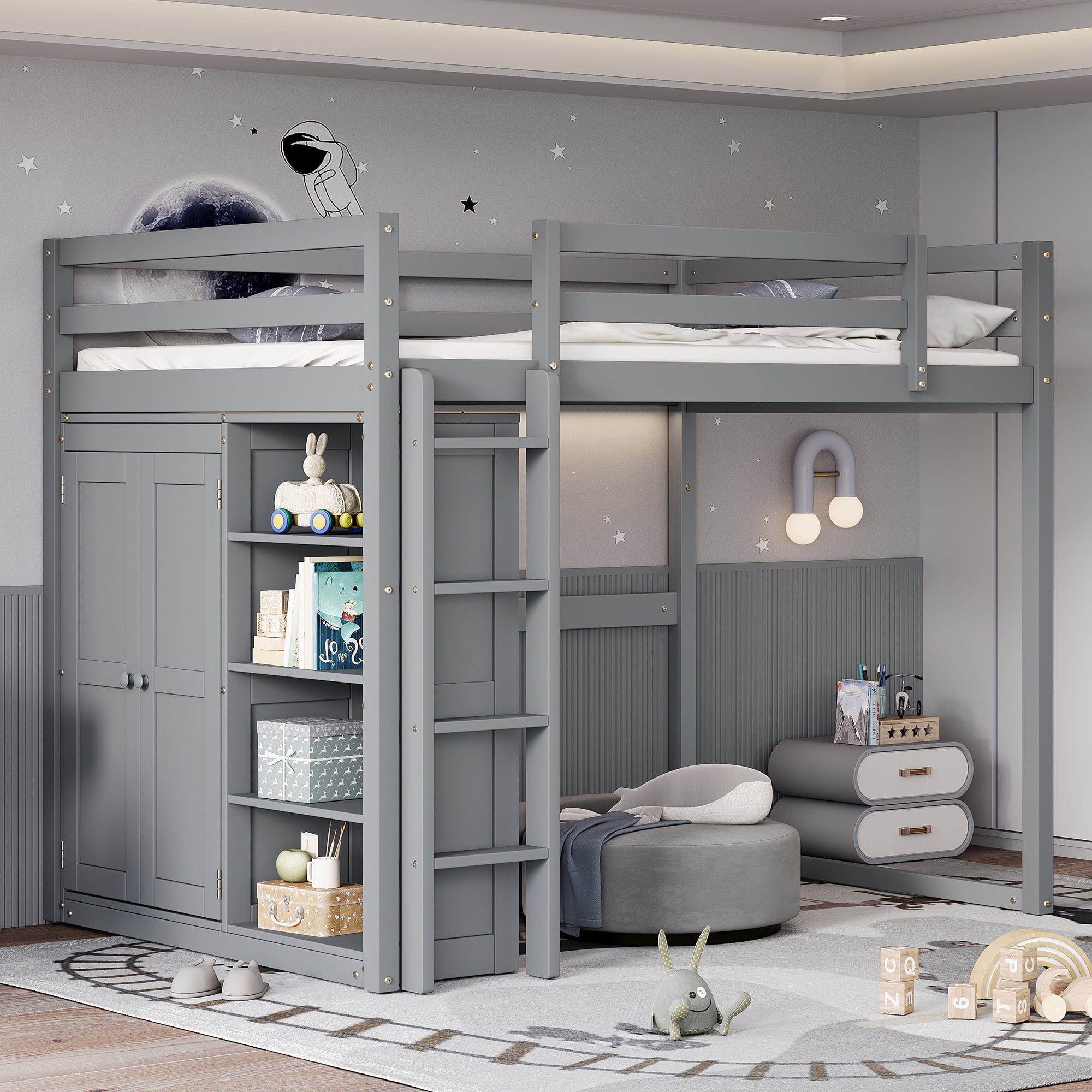
Lofted beds raise the top bed higher. The space below can be used for a desk or play area. It is ideal for smaller rooms that need extra floor space.
Storage-integrated Bunk Beds
Some bunk beds include built-in storage options. Drawers and shelves fit under or beside the beds. This design helps keep the room tidy and organized.
Storage-integrated beds reduce the need for extra furniture. They are perfect for rooms with limited space.
Convertible And Modular Designs
Convertible bunk beds can change form over time. They may separate into two single beds. This feature suits growing children or changing needs.
Modular designs allow easy rearrangement. You can move parts to fit different spaces. These beds offer flexibility and long-term use.
Measurement Tips
Getting the right measurements is key to designing comfortable bunk bed interiors. Accurate dimensions ensure safety and proper fit. Follow these tips to measure correctly and avoid mistakes.
Tools Needed For Accuracy
Start with a tape measure for length and width. A ruler helps with small details. Use a level to check flat surfaces. Have a notepad to record numbers clearly. These tools improve measurement precision.
Measuring Steps
Measure the length from head to foot inside the bed frame. Check the width between the side rails. Measure the height from the mattress base to the top bunk. Note the space under the top bunk for sitting room. Take each measurement twice to confirm.
Avoiding Common Mistakes
Do not measure over the frame edges. Avoid rounding numbers too much. Forgetting to measure mattress thickness can cause errors. Always measure in a straight line. Write down all numbers immediately to avoid confusion.

Credit: lifetimekidsrooms.com
Frequently Asked Questions
What Are The Ideal Bunk Bed Interior Dimensions?
The ideal bunk bed interior dimensions are 75 inches long by 39 inches wide. This fits a standard twin mattress perfectly, providing comfort and safety for users.
How Much Headroom Is Needed Inside A Bunk Bed?
At least 33 to 36 inches of headroom between bunks is recommended. This allows comfortable sitting and easy movement without feeling cramped.
What Thickness Should Bunk Bed Mattresses Have?
Mattresses between 6 to 8 inches thick work best. Thicker mattresses may reduce safety rail effectiveness and head clearance.
How Wide Should Bunk Bed Safety Rails Be?
Safety rails should be at least 5 inches high above the mattress. This prevents falls while maintaining comfort and usability.
Conclusion
Choosing the right dimensions for bunk bed interiors matters a lot. It makes sleeping safe and comfortable for kids or adults. Space inside should allow easy movement and enough headroom. Standard sizes help fit mattresses well and keep the bed sturdy.
Small details like height between beds and width count a lot. Keep these points in mind while planning or buying. A well-sized bunk bed adds value and comfort to any room. Simple and careful measuring can save trouble later. Think smart, sleep well.