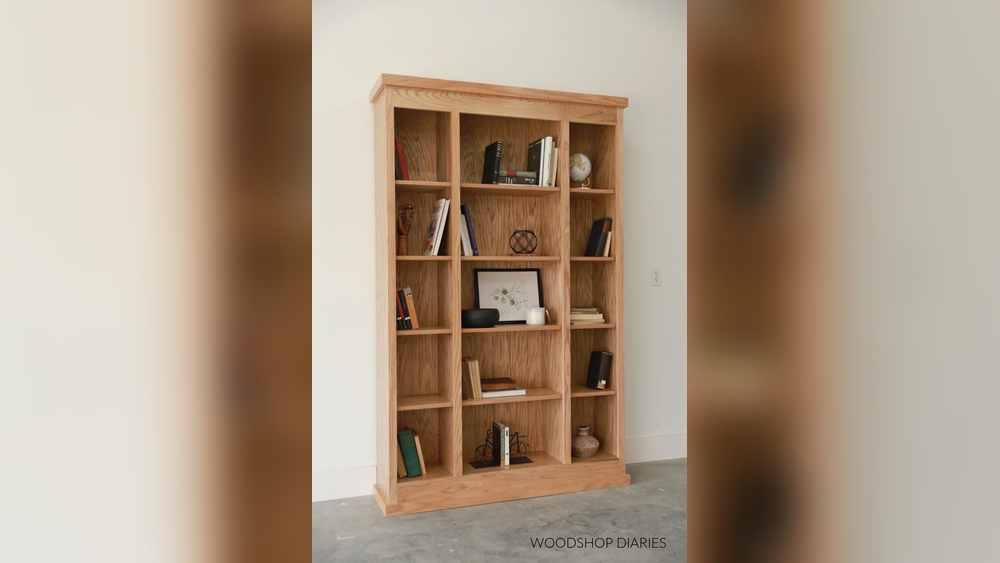
Are you planning to build a bookshelf but don’t know which wood to choose? Picking the right wood can make all the difference in how strong, beautiful, and long-lasting your bookshelf will be.
You want something sturdy enough to hold all your books, yet easy to work with and fits your style. You’ll discover the best types of wood for your bookshelf project, along with tips to help you make the perfect choice.
Keep reading to find out which wood will turn your bookshelf idea into a stunning reality.
Types Of Wood For Bookshelves
Choosing the right wood for a bookshelf is key to making it strong and good-looking. Wood types vary in strength, color, and price. Knowing the options helps you pick the best one for your needs. This guide covers three main types of wood used for bookshelves: hardwood, softwood, and engineered wood.
Hardwood Options
Hardwood comes from trees that lose leaves each year. It is dense and very strong. Oak is a popular hardwood. It lasts long and resists scratches. Maple is another choice. It has a smooth look and is tough. Cherry wood offers a warm, reddish color. Hardwoods cost more but give a classic, lasting finish.
Softwood Choices
Softwood comes from trees with needles, like pine. It is lighter and easier to cut. Pine is common for bookshelves. It is cheaper and has a nice grain. Cedar also works well and has a pleasant smell. Softwoods may dent easier but are good for lighter use. They are budget-friendly and look natural.
Engineered Wood Varieties
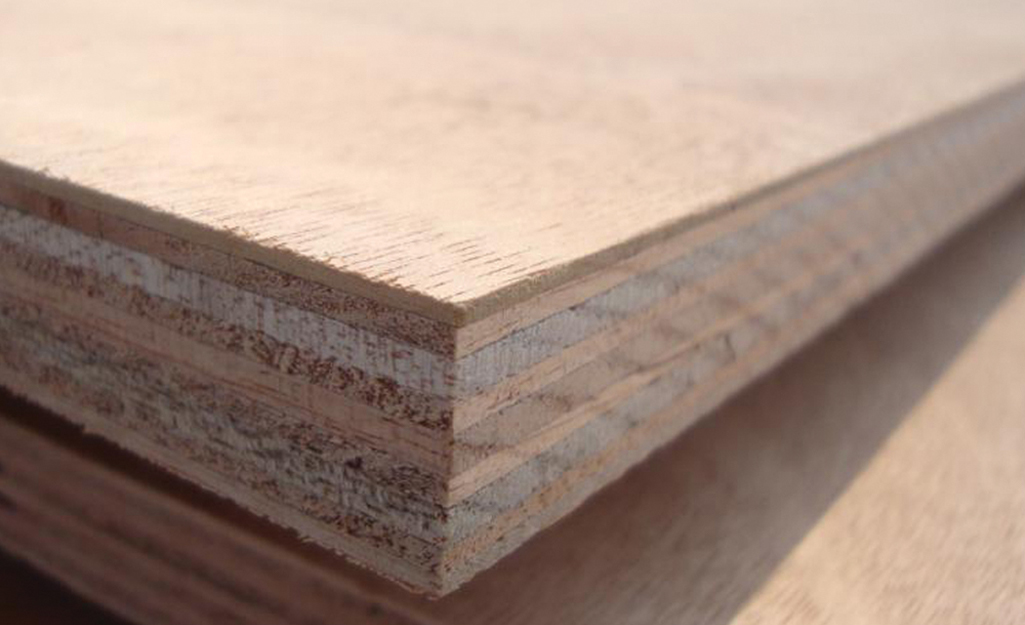
Engineered wood includes plywood and MDF. Plywood is strong and made of thin wood layers glued together. It handles weight well and resists warping. MDF is smooth and easy to paint. It is made from wood fibers and glue. These woods cost less and are good for painted shelves. They provide a clean, modern look.
Durability And Strength
Choosing the right wood for a bookshelf depends a lot on durability and strength. These qualities ensure the shelf holds heavy books without bending or breaking. Strong wood lasts longer and keeps your shelf looking good over time.
Load-bearing Capacity
Load-bearing capacity means how much weight the wood can hold. Hardwoods like oak, maple, and walnut have high load-bearing capacity. They support many books without sagging. Softwoods like pine are lighter but may bend under heavy weight. Consider the number and size of books to pick wood that holds them well.
Resistance To Warping
Warping happens when wood bends or twists due to moisture or heat. Woods with tight grain patterns, like cherry and mahogany, resist warping better. Pine and cedar can warp faster if exposed to humidity. Properly dried and sealed wood reduces warping risks and keeps shelves straight and stable.
Longevity Factors
Longevity depends on wood’s natural strength and how it handles wear and tear. Hardwoods last longer and resist dents and scratches. Softwoods may show damage sooner. Treating wood with sealants or varnish adds extra protection. Choose wood that stays strong and looks good for years.
Aesthetic Appeal
Choosing the right wood for your bookshelf affects how it looks. The wood’s style can make the bookshelf stand out or blend in. A beautiful bookshelf adds charm to any room.
Wood has unique features that catch the eye. These features give the bookshelf character and style. Understanding these can help pick the best wood for your shelf.
Grain Patterns
Grain patterns show the wood’s natural texture. Some woods have straight grains. Others have swirling or wavy patterns. These patterns add interest and depth to the shelf.
Oak has a bold, open grain. Cherry shows fine, smooth grain. Pine has a simple, knotty grain. Choose grain patterns that fit your taste and style.
Color And Finish
Wood color varies from pale to dark shades. Maple is light and smooth. Walnut is rich and dark. Color sets the mood of the bookshelf.
Finish changes the wood’s look and feel. A glossy finish brightens the wood. A matte finish gives a soft, natural look. Pick a finish that matches your style.
Matching Room Decor
The bookshelf should fit your room’s style. Traditional rooms suit darker, classic woods. Modern rooms look good with light, clean wood.
Consider your furniture and wall colors. The bookshelf should not clash or stand out too much. Choose wood that complements your room’s look.

Credit: www.thisoldhouse.com
Cost Considerations
Cost plays a big role when choosing wood for a bookshelf. Picking the right wood means balancing price and quality. Some woods are cheap but less durable. Others cost more but last longer and look better. Knowing wood prices helps you stay within budget.
Budget-friendly Woods
Pine is a popular choice for cheap bookshelves. It is soft but easy to work with. Poplar is another low-cost wood. It has a smooth surface and paints well. Both woods are good for light use and simple designs. They keep your project affordable.
Premium Wood Investments
Hardwoods like oak and maple cost more. They are strong and resist scratches. Cherry wood offers a rich color that deepens over time. These woods give a classy look and last many years. Spending more on these woods can add value to your home.
Balancing Quality And Price
Choose wood that fits your use and budget. Softwoods save money but need gentle care. Hardwoods require a bigger budget but offer durability. Think about how long you want the bookshelf to last. Pick a wood that matches your needs and wallet.
Workability And Tools
Choosing the right wood for a bookshelf depends on how easy it is to work with. Workability means how simple it is to cut, shape, sand, and join the wood. Different woods need different tools and skills. Knowing this helps you build a strong, beautiful bookshelf without trouble.
Ease Of Cutting And Shaping
Softwoods like pine cut easily with hand saws or power tools. Hardwoods like oak or maple need sharper blades and more effort. Some woods are prone to splintering or chipping during cutting. Smooth cuts save time and reduce mistakes. Choose wood that matches your cutting tools and skill level.
Sanding And Finishing
Wood with a fine grain sands smoothly and looks better after finishing. Hardwoods often need more sanding to remove rough edges. Softwoods may absorb finishes unevenly, causing blotches. Sanding with the right grit paper improves the surface for paint or stain. Consider how much sanding your chosen wood requires.
Joining Techniques
Strong joints keep your bookshelf sturdy. Some woods hold nails and screws better than others. Softwoods might split without pre-drilling holes. Hardwood joints like dovetails or mortise and tenon require more skill. Choose wood that fits your joining method and tools. Proper joints extend the life of your bookshelf.

Credit: www.infarrantlycreative.net
Environmental Impact
Choosing the right wood for a bookshelf affects more than just its look. It also impacts the environment. Wood comes from trees, and how we get that wood can help or hurt nature. Understanding the environmental impact helps you make better choices for building your bookshelf.
Sustainable Wood Sources
Sustainable wood comes from forests that are carefully managed. Trees are planted and cut in a way that keeps the forest healthy. This wood is better for the planet. It keeps forests growing and protects animals’ homes. Look for wood certified by groups like FSC. This shows the wood is responsibly harvested.
Reclaimed Wood Benefits
Reclaimed wood is old wood reused for new projects. Using it means fewer new trees are cut down. It also keeps wood out of landfills. Reclaimed wood has a unique look with knots and marks. This wood adds character and helps the environment at the same time.
Eco-friendly Finishes
Wood finishes protect and beautify your bookshelf. Some finishes have harmful chemicals. These can pollute air and water. Choose eco-friendly finishes made from natural oils or water-based products. They are safer for you and the planet. These finishes keep wood strong without toxic effects.
Common Mistakes To Avoid
Building a bookshelf requires careful wood selection. Many beginners make simple mistakes that affect strength and look. Avoid these common errors to create a sturdy, lasting shelf.
Choosing Wood Too Soft
Soft wood like pine or cedar may seem easy to work with. It is light and cheap. But soft wood dents and scratches easily. It may not hold heavy books well. Use harder woods like oak, maple, or birch for better strength.
Ignoring Wood Movement
Wood changes size with temperature and moisture. This natural movement can cause shelves to warp or crack. Avoid fixing wood too tightly. Leave small gaps for expansion. Use wood that is properly dried and sealed to reduce movement.
Skipping Proper Sealing
Sealing protects wood from moisture and dust. Without sealing, wood absorbs water and swells. This shortens shelf life and ruins appearance. Use a good quality sealant or finish on all surfaces. Seal edges and ends well to prevent damage.
Maintenance Tips
Maintaining a wooden bookshelf helps it look great and last longer. Simple care keeps wood strong and beautiful. Follow these easy tips to protect your bookshelf every day.
Cleaning And Dusting
Use a soft cloth to dust your bookshelf regularly. Dust can scratch wood if left too long. Avoid wet cloths; they can damage the wood. A dry or slightly damp cloth works best. Clean spills immediately to stop stains.
Preventing Damage
Keep your bookshelf away from direct sunlight. Sunlight can fade and dry out wood. Avoid placing hot or wet items on the shelves. Use coasters or mats to protect the surface. Check for loose screws or joints often. Tighten them to keep the shelf sturdy.
Refinishing And Repairs
Light scratches can be fixed with a wood polish or wax. For deeper damage, sanding and refinishing may be needed. Use fine sandpaper and apply a matching stain carefully. If a shelf cracks, use wood glue and clamps to fix it. Repair small problems early to avoid bigger issues later.
Credit: www.homedepot.com
Frequently Asked Questions
What Is The Best Wood For A Sturdy Bookshelf?
Hardwoods like oak, maple, and cherry are best for sturdy bookshelves. They offer durability, strength, and a beautiful finish that lasts.
Can Softwood Be Used To Build Bookshelves?
Yes, softwoods like pine can be used for bookshelves. They are affordable and easy to work with but less durable than hardwoods.
How Does Plywood Compare For Bookshelf Construction?
Plywood is strong, stable, and resists warping. It’s an excellent choice for budget-friendly, durable bookshelves with a smooth surface for painting or veneering.
Which Wood Is Most Cost-effective For Bookshelves?
Pine and plywood are cost-effective options. They balance affordability with decent strength and are widely available for DIY bookshelf projects.
Conclusion
Choosing the right wood shapes your bookshelf’s look and strength. Hardwoods like oak and maple last long and hold weight well. Softwoods like pine cost less and are easier to work with. Think about your budget and style before deciding.
Remember, good wood means a sturdy, beautiful shelf. Take your time to pick wood that fits your needs. Your perfect bookshelf starts with the right wood choice.