Are you looking for a creative way to organize your books and add a unique touch to your space? Making a bookshelf with patterns and string is easier than you think—and it’s a fun project you’ll enjoy.
Imagine turning simple materials into a stylish piece that shows off your personality. In this guide, you’ll learn step-by-step how to build your own bookshelf that stands out. Ready to transform your room and impress your friends? Let’s dive in and make something amazing together.

Credit: www.etsy.com
Materials Needed
Building a bookshelf with patterns and string needs the right materials. Choosing the proper supplies makes the project easier and fun. You need wood, patterns, string, and tools. Each material plays a key role in the final look and strength of your bookshelf.
Choosing The Right Wood
Select wood that is strong but easy to work with. Pine and plywood are good choices for beginners. They are light and affordable. Avoid wood with many knots or cracks. Smooth wood helps the patterns and string stand out well.
Selecting Patterns And Strings
Pick patterns that fit your style and skill level. Simple geometric shapes work best for first projects. Use strong string like nylon or cotton cord. Bright colors add a fun touch. Make sure the string is thick enough to hold the shelves firmly.
Essential Tools
Gather basic tools before starting. You will need a saw to cut the wood. A drill helps make holes for the string. Sandpaper smooths rough edges. Measuring tape and pencil keep your cuts accurate. Having these tools ready saves time and frustration.
Preparing The Wood
Preparing the wood is a key step in making a bookshelf with patterns and string. Good preparation makes the wood strong and smooth. This helps the bookshelf look nice and last longer. Take your time with this step for the best results.
Measuring And Cutting Boards
Start by measuring the wood boards carefully. Use a tape measure and mark the lengths you need. Double-check your marks to avoid mistakes. Use a saw to cut the boards along the lines. Cut slowly to keep the edges straight and clean. Proper cuts help the bookshelf parts fit well together.
Sanding The Surfaces
After cutting, sand the wood surfaces with sandpaper. Sanding removes rough spots and splinters. Use medium-grit sandpaper first, then switch to fine grit. Sand in the direction of the wood grain. Smooth surfaces make the bookshelf safer and prettier. Take time to sand all edges and faces evenly.
Designing The Pattern
Designing the pattern is a key step in making a bookshelf with patterns and string. This step sets the style and look of your finished piece. A well-thought design helps guide your work and keeps it neat. It also adds a personal touch to your bookshelf. Take time to plan the pattern carefully. Think about how the strings will weave and how the shapes will fit together.
Start with a clear idea of the design you want. Sketch it out on paper first. This makes it easier to transfer the pattern onto wood later. Remember, simple patterns often work best for beginners. They are easier to mark and follow.
Picking A Pattern Style
Choose a pattern that matches your room’s style. Geometric shapes like triangles and squares are popular. They give a clean and modern look. Curved lines create a softer, more artistic feel. You can also try natural shapes like leaves or waves. Keep the pattern balanced and not too crowded. This helps the string stand out clearly.
Think about how many strings you will use. More strings mean more detail but also more work. Fewer strings keep the design simple and elegant. Pick a style that suits your skill level and the tools you have.
Marking The Design On Wood
Use a pencil to draw your pattern on the wood surface. Light lines work best so you can erase mistakes easily. Start by marking the main shapes and points. Use a ruler or stencil for straight lines and curves. Check the spacing between each point. Equal spacing helps the strings stay tight and neat.
Mark where the nails or hooks will go. These hold the strings in place. Place them at the pattern points you drew. Make sure they are not too close to the edge. This prevents the wood from splitting. Double-check your marks before you start nailing or drilling.
Attaching The String
Attaching the string to your bookshelf project brings both style and strength. The string holds the shelves and patterns firmly in place. Choosing the right string and wrapping it correctly ensures your bookshelf stays sturdy and looks great.
String Types And Colors
Select string based on strength and look. Cotton string is soft and easy to handle. Nylon string offers strong support and resists wear. Jute string adds a natural, rustic feel. Choose colors that match or contrast your shelf’s wood. Bright colors create a lively effect. Neutral tones give a calm, classic look.
Techniques For Wrapping String
Wrap the string tightly around the frame or shelf edges. Use simple loops or figure-eight patterns for extra grip. Keep the string close together to avoid gaps. Wrap the string evenly to maintain a neat appearance. Change wrapping directions to secure the string firmly.
Securing The String In Place
Tie strong knots at the start and end of wrapping. Double knots prevent slipping and keep tension. Use glue or clear tape for extra hold if needed. Trim excess string for a clean finish. Check tension regularly to keep the string tight and secure.
Assembling The Bookshelf
Assembling the bookshelf is the step where your project starts to take shape. It is important to follow the steps carefully to ensure the shelves fit well and the structure is strong. This phase brings together the patterns and string into a functional piece.
Joining The Shelves
Begin by aligning each shelf with the side panels. Use the string to tie the shelves firmly. Wrap the string tightly around the points where the shelves meet the sides. Secure the knots so they do not loosen over time. Check that each shelf is level before moving to the next.
Ensuring Stability
Stability is key for a safe bookshelf. Add extra string loops at the back for support. Tighten all strings evenly to prevent wobbling. Test the structure by gently pushing on it. Adjust the strings if the bookshelf feels unstable. Use simple patterns to reinforce the joints effectively.
Finishing Touches
Finishing touches bring your bookshelf project to life. They protect the wood and add style. These final steps make your shelf look polished and last longer. Focus on sealing and decorating to create a unique piece.
Applying Sealant Or Paint
Sealant protects the wood from damage and moisture. Use a clear sealant for a natural look. Apply it evenly with a brush. Let it dry completely before handling the shelf.
Paint adds color and personality to your bookshelf. Choose paint that matches your room’s style. Use light, smooth coats to avoid drips. Allow each coat to dry before applying the next. Paint also helps protect the wood.
Adding Decorative Elements
Decorative elements make your bookshelf stand out. Use string to create patterns on the shelves. Wrap the string tightly and secure the ends with glue. You can add beads or small charms for extra flair.
Consider attaching small hooks or knobs for hanging items. These details add function and charm. Keep decorations simple for a clean, neat look. Personal touches make your bookshelf truly yours.
Tips For Maintenance
Keeping your bookshelf with patterns and string in good shape takes some care. Proper maintenance helps your bookshelf last longer and look great. Follow these simple tips to keep it clean and sturdy. Small efforts make a big difference.
Cleaning The Bookshelf
Dust your bookshelf regularly using a soft cloth. Avoid wet cleaning, as moisture can damage the string and wood. Use a dry or slightly damp cloth for wooden parts only. Remove dirt gently without rubbing hard. Clean corners and patterns carefully to keep details intact.
String Care And Repairs
Check the string often for signs of wear or loosening. Tighten loose strings to keep the structure firm. Replace damaged strings with similar ones to maintain the look. Avoid pulling too hard on the string to prevent breakage. Store the bookshelf away from direct sunlight and moisture to protect the string.

Credit: www.amazon.com
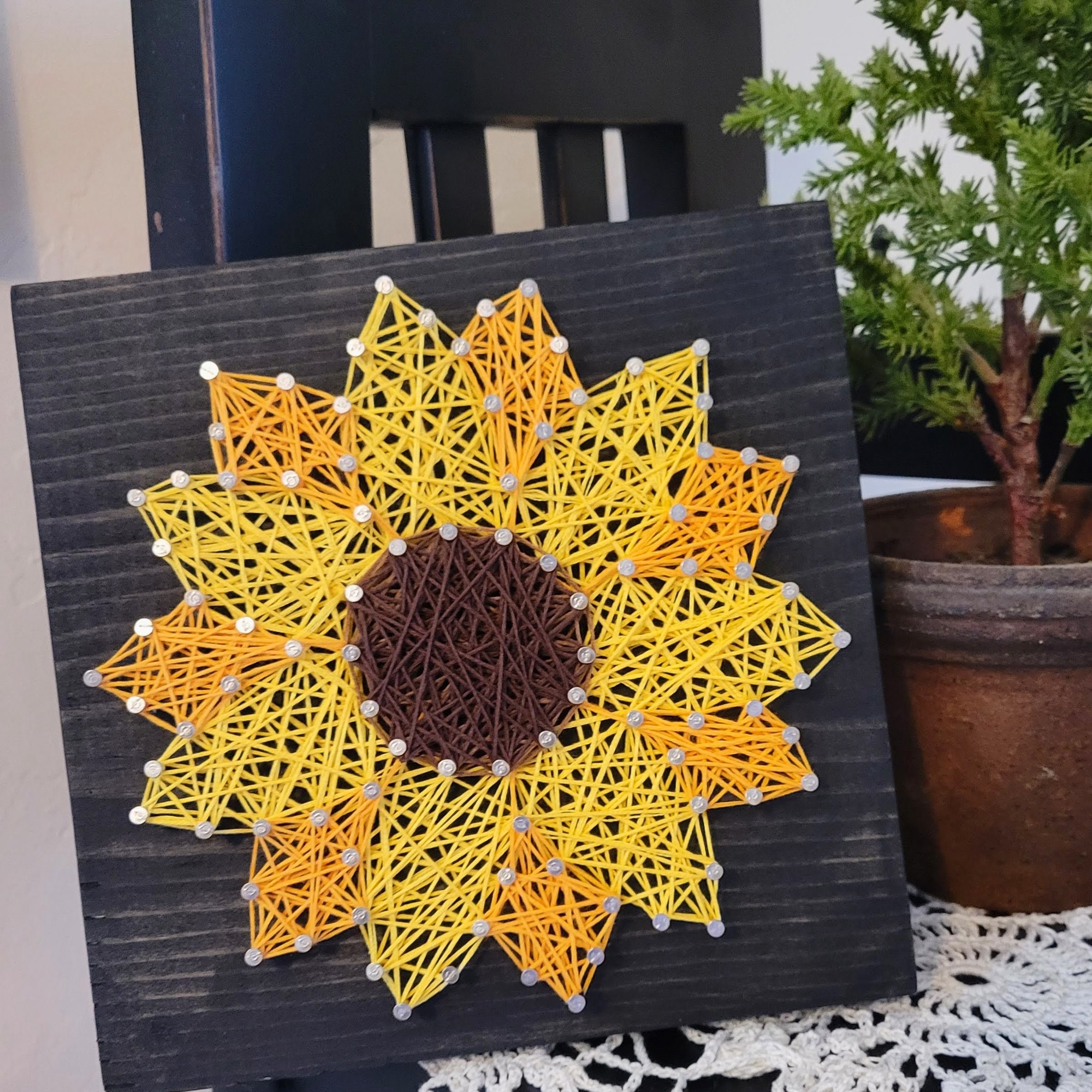
Credit: jane.com
Frequently Asked Questions
How Do I Start Making A Bookshelf With Patterns And String?
Begin by selecting a sturdy frame material. Cut wood pieces according to your pattern. Use string to create support and decorative elements by tying it between shelves for added design and stability.
What Materials Are Needed For A Pattern And String Bookshelf?
You need wood planks, strong string or twine, nails or screws, a hammer or drill, measuring tape, and a saw. Patterns can be printed or hand-drawn to guide shelf placement and string design.
How Can String Improve Bookshelf Stability And Design?
String adds tension to hold shelves in place, preventing wobbling. It also creates a visually appealing geometric pattern that enhances the bookshelf’s aesthetic while supporting the structure.
What Patterns Work Best For String On Bookshelves?
Geometric shapes like triangles, diamonds, or crisscross patterns work best. These distribute tension evenly and add a modern artistic touch to the bookshelf’s look and stability.
Conclusion
Making a bookshelf with patterns and string is fun and simple. You only need a few materials and basic steps. This project helps you create a unique shelf for your books or decor. It also lets you enjoy crafting and learn new skills.
Try different patterns to make your shelf special. Keep practicing, and your work will improve. Enjoy your new handmade bookshelf every day.