Have you ever felt uneasy seeing your bookshelf wobble or lean? You’re not alone.
A tipping bookshelf isn’t just a nuisance—it can be dangerous for you, your family, and your belongings. But don’t worry, preventing your bookshelf from tipping is easier than you think. You’ll discover simple and effective ways to keep your shelves steady and safe.
Keep reading to protect your space and enjoy peace of mind every time you reach for a book.
Credit: www.reddit.com
Risks Of Tipping Bookshelves
Bookshelves tipping over is a serious safety issue. It can cause injury or damage. Understanding the risks helps prevent accidents. Bookshelves often hold heavy items, making them unstable. Small children and pets are at higher risk. They might pull or climb on the shelves.
Heavy items stored unevenly can cause shelves to lean. This increases the chance of tipping. Placing books or objects only on one side creates imbalance. Poorly fixed or old shelves are also dangerous. They may not support the weight properly.
Injury Risks From Tipping Bookshelves
Bookshelves can fall suddenly and hit people nearby. Injuries range from minor bruises to broken bones. Children are most vulnerable to serious harm. Falling furniture can also cause head injuries. Always take precautions to keep shelves secure.
Damage To Property
Tipping bookshelves can damage floors and walls. Heavy shelves can break or scratch furniture. Books and decorations may fall and break. Repairing damage can be costly and time-consuming. Preventing tipping saves money and stress.
Risk Factors For Tipping
Uneven weight distribution makes tipping more likely. Tall and narrow shelves are less stable. Shelves placed on slippery surfaces can slide. Climbing or pulling by children adds risk. Proper installation and anchoring reduce these dangers.
Choosing Stable Bookshelf Designs
Choosing a stable bookshelf design is key to preventing it from tipping over. A stable bookshelf keeps your books safe and your space secure.
Some bookshelf designs naturally offer more balance and support. Knowing what to look for helps you pick the right one for your home or office.
Look For Wide And Deep Bases
Bookshelves with wide and deep bases stand firm on the floor. They spread the weight evenly to avoid tipping. Narrow bases increase the risk of falling.
Choose Low Center Of Gravity Designs
Shelves with heavier materials or more weight at the bottom stay stable. This lowers the center of gravity and improves balance. Tall, lightweight shelves can tip easily.
Consider Wall-mounted Shelves
Wall-mounted bookshelves attach securely to walls. They do not rely on floor balance. This design eliminates tipping risks completely if installed properly.
Pick Shelves With Back Panels
Back panels add strength and keep the bookshelf square. They prevent wobbling and leaning. Shelves without back panels may sway and tip over time.
Proper Placement And Positioning
Proper placement and positioning play a key role in stopping a bookshelf from tipping. Placing the shelf in the right spot balances weight and reduces risks. Positioning also affects how stable the bookshelf stays over time.
Small changes in placement can make a big difference. The goal is to keep the shelf steady and safe for everyone around it.
Place Bookshelves Against A Wall
Always put bookshelves flat against a wall. Walls add support and stop shelves from falling forward. Avoid putting shelves in open spaces where they can tip easily.
Choose A Level Surface
Set the bookshelf on a flat, even floor. Uneven floors cause wobbling and increase tipping risk. Use shims or pads if the floor is uneven to keep the shelf steady.
Keep Heavy Items On Lower Shelves
Put heavy books and objects on the bottom shelves. This lowers the center of gravity and improves balance. Lighter items belong on the top shelves to avoid top-heaviness.
Allow Space Around The Bookshelf
Leave some space around the bookshelf for air and access. Crowding the shelf can push it off balance. Space also helps avoid accidents when moving near the shelf.
Securing Bookshelves To Walls
Securing bookshelves to walls is a key step to keep them safe and stable. It stops shelves from tipping over and causing accidents. This is especially important in homes with kids or pets.
Attaching a bookshelf to the wall holds it firmly in place. It also protects your books and valuables from falling. The process is simple and does not take much time.
Types Of Wall Anchors
Wall anchors come in different types. Plastic anchors work well for light loads on drywall. They expand inside the wall to hold screws tightly.
Metal anchors are stronger and good for heavier shelves. They fit into drilled holes and provide solid support. Toggle bolts spread the weight over a large area. They are ideal for hollow walls.
Choosing the right anchor depends on your wall type and shelf weight. Use anchors made for your wall material, like drywall or plaster. This ensures a strong and safe hold.
Installation Steps
First, mark where the shelf will attach to the wall. Use a level to keep marks straight. Next, drill holes at the marks sized for your anchors.
Insert the anchors carefully into the holes. Push them until they sit flush with the wall surface. Then, align the bookshelf brackets with the anchors.
Screw the brackets into the anchors firmly. Check that the shelf is secure and does not move. Tighten screws if needed to prevent wobbling.
Securing your bookshelf to the wall is a simple safety step. It protects people and your belongings from accidents. Follow these tips for a stable, secure shelf.
Weight Distribution Tips
Proper weight distribution is key to keeping your bookshelf stable. Uneven weight can cause tipping, risking damage and injury. Organize items so the shelf stays balanced and safe.
Place Heavy Items On Lower Shelves
Keep heavy books and objects at the bottom. This lowers the center of gravity. A low center of gravity helps prevent tipping forward.
Distribute Weight Evenly Across Shelves
Spread books and items evenly from side to side. Avoid piling too much weight on one side. This balance keeps the shelf steady.
Mix Book Sizes And Weights
Arrange large and small books together. Heavy books next to lighter ones create stability. This stops the shelf from leaning to one side.
Use Bookends To Support Items
Bookends hold books upright and prevent shifting. They keep weight in place and reduce pressure on one spot. This helps maintain balance on the shelf.

Credit: www.amazon.com
Using Anti-tip Straps And Brackets
Using anti-tip straps and brackets is a reliable way to stop bookshelves from tipping. These tools keep shelves steady and safe, especially in homes with children or pets. They attach the bookshelf to the wall, preventing it from falling forward.
Installing these safety devices is simple. They offer strong support and reduce accidents caused by unstable furniture. Many safety experts recommend using them for all tall or heavy shelves.
What Are Anti-tip Straps And Brackets?
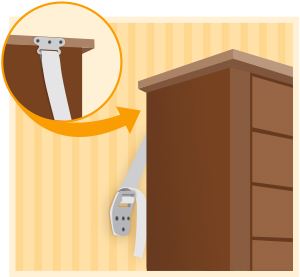
Anti-tip straps are strong bands made of nylon or metal. They connect the top of the bookshelf to the wall. Brackets are metal pieces that screw into both the shelf and the wall. Both create a secure hold to stop movement.
How To Install Anti-tip Straps And Brackets
First, find the wall studs using a stud finder. Attach the straps or brackets to the bookshelf’s top corners. Then, fasten the other end to the wall studs. Tighten them to remove slack but avoid damaging the shelf.
Benefits Of Using Anti-tip Devices
They prevent serious injuries caused by falling furniture. These devices protect children and pets from accidents. They also keep your books and items safe from damage. Installation is quick and cost-effective for home safety.
Regular Maintenance Checks
Regular maintenance checks keep your bookshelf safe and steady. Small problems become big risks if ignored. Checking often helps spot loose parts or uneven weight. This prevents tipping before it starts.
Inspecting Shelf Stability
Test each shelf by pressing gently. Notice any wobble or movement. Tighten screws or bolts if needed. Replace damaged parts quickly. Stable shelves hold books firmly in place.
Checking Wall Anchors
Look at the wall anchors holding the bookshelf. Make sure they are secure and not loose. Tighten or replace anchors if they shift. Strong anchors stop the whole shelf from tipping.
Balancing Book Weight
Evenly spread books across shelves. Put heavier books on lower shelves. Avoid piling many books on one side. Balanced weight reduces risk of tipping and damage.
Cleaning Dust And Debris
Remove dust and debris from shelves regularly. Dust can hide cracks or loose screws. Clean shelves make it easier to spot problems early. Use a soft cloth for cleaning.
Credit: www.childproofingexperts.com
Child Safety Considerations
Bookshelves can be a danger to children if they tip over. Kids often climb or pull on furniture. This can cause heavy shelves to fall and hurt them. Safety is key in any home with young children.
Taking steps to secure bookshelves helps keep children safe. Small actions make a big difference. These tips focus on preventing accidents before they happen.
Anchor Bookshelves To The Wall
Use wall anchors or brackets to fix shelves firmly. This stops them from tipping forward. Attach anchors into wall studs for the best hold. Avoid using only adhesive strips or weak screws.
Place Heavy Items On Lower Shelves
Keep heavy books and objects on the bottom shelves. This lowers the center of gravity. It makes the bookshelf more stable and harder to tip. Light items can go higher up safely.
Keep Climbing Temptations Away
Do not place toys or treats on top of shelves. Children may try to climb to reach them. Keep the area around the bookshelf clear to reduce climbing risks.
Regularly Check For Stability
Test the bookshelf’s steadiness often. Tighten screws and anchors as needed. Look for any loose parts or wobbling. Fix problems quickly to maintain safety.
Frequently Asked Questions
How Can I Secure My Bookshelf To The Wall?
Use brackets or wall anchors to firmly attach the bookshelf. This prevents tipping caused by uneven weight or accidental pushes. Ensure you use appropriate hardware for your wall type.
What Is The Safest Way To Arrange Books On Shelves?
Place heavier books on lower shelves and lighter ones on top. This lowers the center of gravity and reduces the risk of tipping over. Balance weight evenly across shelves.
Are Anti-tip Straps Effective For Bookshelves?
Yes, anti-tip straps are highly effective. They anchor the bookshelf to the wall, preventing it from falling forward. They are easy to install and provide extra safety.
Can I Prevent Tipping Without Wall Mounting?
Yes, you can stabilize bookshelves by adding weight to the bottom or using corner braces. However, wall mounting offers the safest and most reliable prevention against tipping.
Conclusion
Preventing a bookshelf from tipping keeps your space safe and tidy. Secure shelves to walls using brackets or straps. Place heavier items on lower shelves to keep balance. Avoid overloading shelves with too many books or objects. Regularly check the stability of your bookshelf.
Small steps make a big difference in safety. Enjoy your organized space without worry about accidents. Safety starts with simple actions anyone can do.
