Are you wondering when your little one is ready to make the big leap from a crib to a toddler bed? It’s a big step for both you and your baby, filled with excitement and a bit of uncertainty.
Knowing the right age to switch can make this transition smooth and safe, helping your child feel comfortable and secure. Keep reading to discover the signs to look for and the best age to move your baby into a toddler bed, so you can make this important change with confidence.
When To Switch
Knowing when to switch your baby to a toddler bed is important. It helps your child feel safe and comfortable in their new sleep space. Watching for signs of readiness makes the change smoother. This section covers key points to consider before making the switch.
Age Range For Transition
Most children move to a toddler bed between 18 months and 3 years old. This range varies for every child. Some toddlers may want to switch earlier. Others might stay in a crib longer. Age is just one factor in deciding the right time.
Physical Readiness
Physical skills matter when changing beds. Your child should be able to climb in and out safely. They need good balance and coordination. This helps prevent falls or injuries. Check if your toddler can move freely and confidently.
Emotional Signs
Your child’s feelings about sleeping in a crib matter. They might try to climb out or show fear. Some toddlers want more independence and ask for a “big kid” bed. Watch for signs of excitement or anxiety about the change. These clues help you choose the best moment to switch.

Credit: bilyanagolf.ru
Signs Baby Is Ready
Knowing when your baby is ready to move to a toddler bed is important for safety and comfort. Babies show clear signs that they are ready for this change. Watching for these signs helps you make the right decision.
Climbing Out Of Crib
One common sign is when your baby starts climbing out of the crib. This can be dangerous and lead to falls. If your baby tries to climb out often, it is time to switch to a toddler bed. The bed will keep them safer and prevent accidents.
Expressing Independence
Your baby may start showing a strong desire to do things alone. They might want to get out of bed by themselves or choose their own blankets and toys. This shows they want more control over their space. A toddler bed supports this new independence.
Sleeping Patterns
Changes in sleeping habits can also show readiness. Your baby might wake up more during the night or refuse to stay in the crib. Sometimes, they want to move around more freely while sleeping. A toddler bed gives them more room and comfort to sleep well.
Choosing The Right Bed
Choosing the right toddler bed is important for your child’s safety and comfort. It helps make the transition smooth from crib to bed. Picking a bed that fits your child’s needs supports better sleep habits. Think about the size, style, and features before buying. This will ensure your toddler feels safe and cozy.
Types Of Toddler Beds
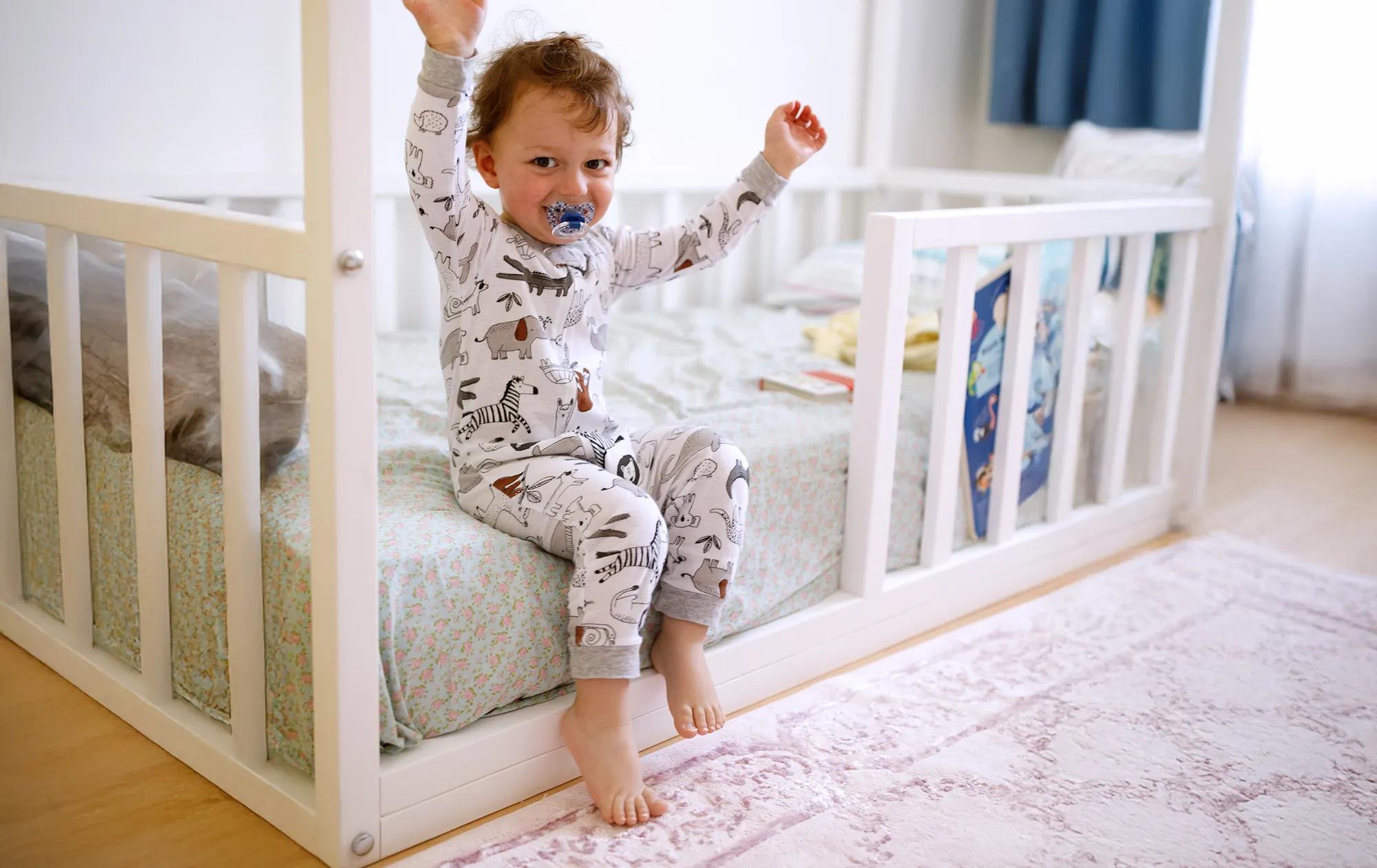
Toddler beds come in various styles. The most common is a small bed with guardrails. These rails stop your child from falling out. Some beds look like mini versions of adult beds. Others are fun-themed, like cars or animals, which kids love. Convertible beds change from crib to toddler bed. This type saves money and space.
Safety Features
Safety is the top priority in a toddler bed. Look for sturdy frames that won’t tip over easily. Guardrails on both sides help prevent falls. The bed should be low to the ground for easy climbing. Check for smooth edges and no sharp corners. Non-toxic paint and materials keep your child safe from harmful chemicals.
Comfort Considerations
Comfort helps your toddler sleep well all night. Choose a mattress that fits snugly in the bed frame. It should be firm but soft enough to support growing bodies. Breathable materials keep the bed cool and dry. Washable mattress covers make cleaning easier. Adding favorite blankets or pillows can make the bed inviting.
Making The Move Smooth
Moving your baby to a toddler bed is a big step. It can bring new excitement and new challenges. Making this change smooth helps your child feel safe and happy. Small efforts create a calm and positive transition.
Preparing The Room
Start by setting up the new bed in a quiet corner. Use familiar blankets and pillows for comfort. Keep the room neat and free of toys that distract. Soft lighting helps create a calm space for sleep. Let your child explore the bed during the day. This builds excitement and reduces fear at night.
Establishing New Routines
Create a simple bedtime routine with clear steps. Bath time, story time, and a goodnight hug work well. Stick to the same routine every night. This gives your child a sense of security. Avoid screens or loud noises before bed. A calm routine helps your toddler relax and sleep better.
Handling Nighttime Fears
Fear of the dark or separation is common at this stage. Use a night light or a favorite stuffed toy for comfort. Reassure your child with gentle words and hugs. Stay calm if your toddler wakes up at night. Slowly guide them back to bed with patience. This builds trust and helps your child feel safe.
Common Challenges
Moving a baby to a toddler bed brings many changes. Parents often face several challenges during this transition. Understanding these common issues helps prepare for a smoother switch. This section covers typical challenges parents meet as their child moves to a toddler bed.
Resistance To Change
Many toddlers resist leaving their crib. The crib feels safe and familiar. They may cry or refuse to stay in the new bed. Some try to climb back into the crib. Patience and gentle encouragement help ease this fear. Consistent bedtime routines also build comfort in the new bed.
Sleep Regression
Sleep patterns can change during this time. Toddlers might wake up more at night. They may have trouble falling asleep alone. This is normal as they adjust. Giving extra comfort and reassurance helps. Staying calm and consistent supports better sleep habits.
Safety Concerns
Toddler beds have less protection than cribs. Toddlers can roll or fall out of bed. Using bed rails reduces this risk. Make sure the room is childproofed well. Remove sharp or hard objects nearby. A safe space helps parents feel more relaxed.

Credit: www.candokiddo.com
Expert Tips
Moving a baby to a toddler bed is a big step for parents and children. Experts share tips to make this change smooth and safe. These tips help your toddler feel comfortable and secure during this new phase.
Consistency Is Key
Keep the bedtime routine the same every night. This helps your toddler know what to expect. Consistency builds trust and reduces fear. Use the same bedtime story, songs, and lights out time.
Involving Your Toddler
Let your toddler help choose the new bed or bedding. This makes them excited and proud. Talk about the new bed as a fun place to sleep. Involvement makes the transition easier for your child.
Patience And Encouragement
Be patient if your toddler resists the change. Praise small successes to boost confidence. Encourage your child gently without pressure. Stay calm and supportive to help them adjust well.
Credit: health.clevelandclinic.org
Frequently Asked Questions
At What Age Do Babies Transition To Toddler Beds?
Most babies transition between 18 months and 3 years old. It depends on their size, safety, and readiness to climb out of the crib.
How To Know If Baby Is Ready For A Toddler Bed?
Look for signs like climbing out of the crib or expressing interest in a bed. Safety and willingness matter most.
What Are Safety Tips For Toddler Beds?
Use guardrails, place the bed away from windows, and remove sharp objects nearby. Always supervise until your child adjusts.
Can Toddlers Sleep In A Regular Bed Instead?
Yes, but toddler beds are designed for safety and size. Regular beds may pose fall risks without proper precautions.
Conclusion
Choosing the right time for a toddler bed helps your child feel safe. Most kids move between 18 months and 3 years old. Watch your child’s habits and readiness signs closely. Let comfort and safety guide your decision always. Changing beds is a big step for both of you.
Trust your instincts and be patient during this change. This helps your toddler enjoy better sleep and grow well.