
Are you trying to decide between a soundbar and bookshelf speakers for your home audio setup? Choosing the right option can feel confusing, especially when both promise great sound.
But what really fits your space, style, and listening habits best? You’ll discover the key differences that affect your experience. By the end, you’ll know exactly which option matches your needs—and how to get the most out of your sound.
Keep reading to make a choice you won’t regret.
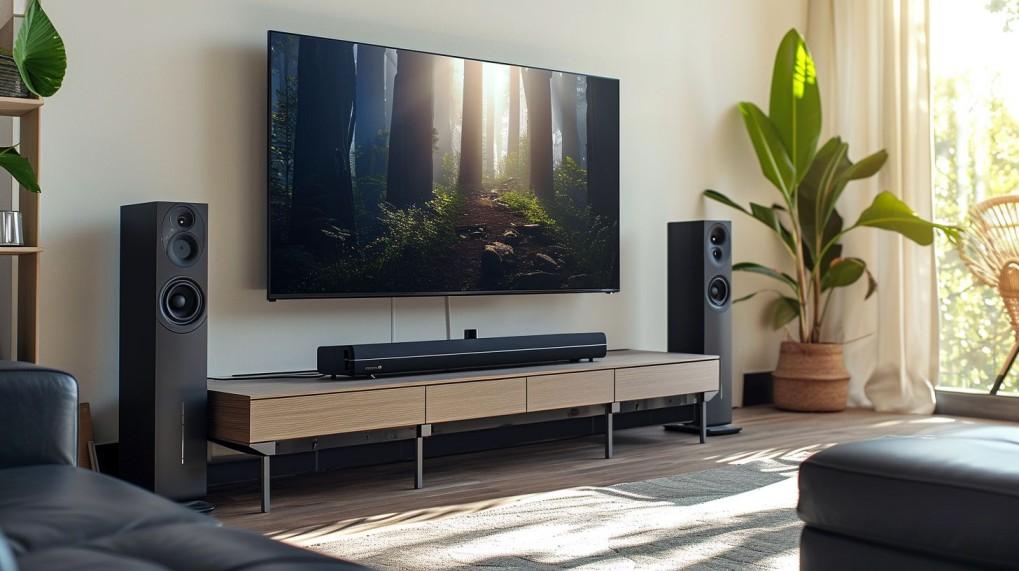
Credit: hometheaterreview.com
Soundbar Basics
Soundbars offer a simple way to improve your TV’s sound. They combine multiple speakers in one slim unit. Soundbars aim to give clearer dialogue and better bass. They suit many rooms and need little space. Understanding how soundbars work helps you choose the right one.
Design And Setup
Soundbars have a long, narrow shape. This design fits easily under a TV. Most soundbars come with a remote control. Setup usually involves just one cable connection. Some models connect wirelessly to your TV. This makes installation quick and easy.
Audio Performance
Soundbars improve TV sound significantly. They create a wider soundstage than TV speakers. Many have built-in subwoofers for deep bass. Some support surround sound formats. The sound quality depends on size and features. Larger soundbars often deliver richer sound.
Space And Placement
Soundbars need little space on a TV stand. You can also mount them on a wall. They blend well with modern home decor. Their slim profile keeps the area neat. Soundbars suit small and medium rooms best. Proper placement boosts sound clarity.

Credit: www.svsound.com
Bookshelf Speakers Essentials
Bookshelf speakers are a popular choice for many music and movie lovers. They offer clear sound and fit well in small spaces. Understanding their key features helps you decide if they suit your needs.
These speakers provide good sound without needing a lot of room. They can connect to various devices and give a rich listening experience.
Build And Size
Bookshelf speakers are compact and easy to place. They usually have wooden or plastic cabinets. This helps reduce sound distortion. Their small size fits on shelves, desks, or stands.
Sound Quality
They deliver balanced sound with clear highs and mids. Bass is present but not as strong as larger speakers. Good models produce detailed and natural audio. They work well for music, movies, and games.
Room Compatibility
Bookshelf speakers suit small to medium rooms best. Their size allows flexible placement options. They can fill a room without overpowering it. Proper placement improves sound clarity and depth.
Comparing Sound Quality
Sound quality matters most when choosing between a soundbar and bookshelf speakers. Each offers a different listening experience. Understanding their strengths helps pick the right option for your space and taste.
Explore how bass, treble, clarity, and surround sound work in both devices.
Bass And Treble
Bookshelf speakers usually provide deeper bass and richer treble. Their larger drivers move more air, making low and high sounds fuller. Soundbars often focus on mid-range sounds but may lack strong bass without a subwoofer. Bass can feel tighter and more natural in bookshelf speakers.
Clarity And Detail
Bookshelf speakers often deliver clearer and sharper sound. They separate instruments and voices well. Soundbars try to balance all sounds in one unit, sometimes causing slight muddiness. For detailed music or dialogue, bookshelf speakers give more precision and depth.
Surround Sound Capability
Soundbars usually include built-in surround sound technology. They simulate multi-directional audio from a single device. Bookshelf speakers need extra units placed around the room for true surround sound. This setup can be more complex but offers a more immersive experience.
Installation And Convenience
Choosing between a soundbar and bookshelf speakers often comes down to installation and convenience. These factors affect daily use and how quickly you can enjoy better sound. Both options have different strengths in setup, connectivity, and how they fit into your space.
Ease Of Setup
Soundbars usually offer a simple setup. Most come with one main unit and a few cables. You just place the soundbar under your TV and connect it. No need for extra stands or wall mounts unless you want to. Bookshelf speakers need more effort. You must find space on shelves or stands and connect them to an amplifier or receiver. This takes more time and technical know-how.
Connectivity Options
Soundbars often include many connectivity choices. You can use HDMI, optical cables, or Bluetooth for wireless connection. This makes pairing with TVs, phones, and tablets easy. Bookshelf speakers rely on wired connections through an amplifier. This limits wireless options and can require more cables and equipment. Some newer models offer Bluetooth, but it is less common.
Aesthetic Impact
Soundbars have a slim, sleek design. They blend well with TVs and furniture. Their compact size means they do not take up much room. Bookshelf speakers are larger and more visible. They can add a stylish look but need space on shelves or stands. Proper placement is important to avoid clutter and keep the room neat.
Price And Value
Choosing between a soundbar and bookshelf speakers often comes down to price and value. Both offer different benefits for your budget and listening needs. Understanding cost, long-term worth, and upgrade options helps make a smart decision.
Cost Comparison
Soundbars usually cost less than bookshelf speakers. They are designed as all-in-one systems. This means fewer parts to buy separately. Bookshelf speakers often need an amplifier or receiver. That adds to the initial price. Small soundbars fit tight budgets well. Bookshelf speakers may seem costly upfront but can offer better sound quality.
Long-term Investment
Bookshelf speakers can last many years with good care. Their parts can be repaired or replaced. Soundbars might become outdated faster. Technology changes quickly in compact systems. Bookshelf speakers often give better sound for the money over time. They provide a solid base for improving your audio setup later.
Upgrade Potential
Bookshelf speakers offer more upgrade options. You can add a subwoofer or change the amplifier. This flexibility improves sound step by step. Soundbars are limited in upgrades. Most come as a single unit with fixed features. This makes bookshelf speakers a better choice for those wanting to grow their system slowly.
Use Case Scenarios
Choosing between a soundbar and bookshelf speakers depends on how you plan to use them. Different setups suit different needs. Understanding use case scenarios helps pick the right option.
Home Theater
Soundbars work well in small to medium rooms. They offer clear dialogue and decent surround sound effects. Installation is easy and takes less space. Bookshelf speakers deliver richer, more detailed audio. They create a more immersive experience but need extra space and a receiver.
Music Listening
Bookshelf speakers excel at music. They produce balanced sound with deep bass and clear highs. Ideal for people who enjoy various music genres. Soundbars can play music but often lack depth. Best for casual listening or background music.
Gaming Experience
Bookshelf speakers provide precise sound cues. This helps in fast-paced games and locating enemies. They offer better stereo separation and volume control. Soundbars enhance gaming with simple setup and good bass. Suitable for players who want ease without complex wiring.
Final Considerations
Choosing between a soundbar and bookshelf speakers depends on several key factors. These final considerations help you decide which option suits your needs best. Understanding your preferences, room setup, and plans for the future will guide your choice.
Personal Preferences
Think about the type of sound you enjoy. Soundbars often offer clear dialogue and simple setup. Bookshelf speakers deliver richer, fuller sound and better stereo separation. Your listening habits matter a lot. Do you prefer easy use or high-quality audio? This choice shapes your experience greatly.
Room Size And Acoustics
Room size affects sound performance. Small rooms work well with soundbars. Larger rooms benefit from bookshelf speakers for more sound coverage. Consider room shape and furniture too. Soft surfaces absorb sound, while hard surfaces reflect it. These factors change how speakers sound in your space.
Future Proofing
Think about future upgrades. Bookshelf speakers offer more flexibility for expansion. You can add a subwoofer or surround speakers later. Soundbars are often all-in-one, limiting upgrades. Choose the option that fits your plans for audio growth.

Credit: www.youtube.com
Frequently Asked Questions
What Are The Main Differences Between Soundbars And Bookshelf Speakers?
Soundbars are compact, designed for TVs, and offer simple setup. Bookshelf speakers deliver richer, more detailed sound but need more space and equipment. Your choice depends on room size, audio quality needs, and setup preferences.
Which Is Better For Small Rooms: Soundbar Or Bookshelf Speakers?
For small rooms, soundbars are often better due to their compact size and ease of placement. Bookshelf speakers can work but may require careful positioning to avoid overwhelming the space.
Do Soundbars Provide Better Dialogue Clarity Than Bookshelf Speakers?
Soundbars typically enhance dialogue clarity with built-in voice-enhancement features. Bookshelf speakers offer natural sound but might need an amplifier or receiver for optimal dialogue clarity.
Can Bookshelf Speakers Replace A Soundbar For Home Theater Use?
Yes, bookshelf speakers can replace soundbars for home theater setups. They provide immersive sound but need additional equipment like an AV receiver for surround sound functionality.
Conclusion
Choosing between a soundbar and bookshelf speakers depends on your needs. Soundbars save space and are easy to set up. Bookshelf speakers offer richer sound and better bass. Think about your room size and how you use sound. Small rooms suit soundbars; larger rooms benefit from bookshelf speakers.
Both options improve your listening experience. Pick what fits your style and budget best. Enjoy clearer, better sound every day. Simple decisions lead to great results.