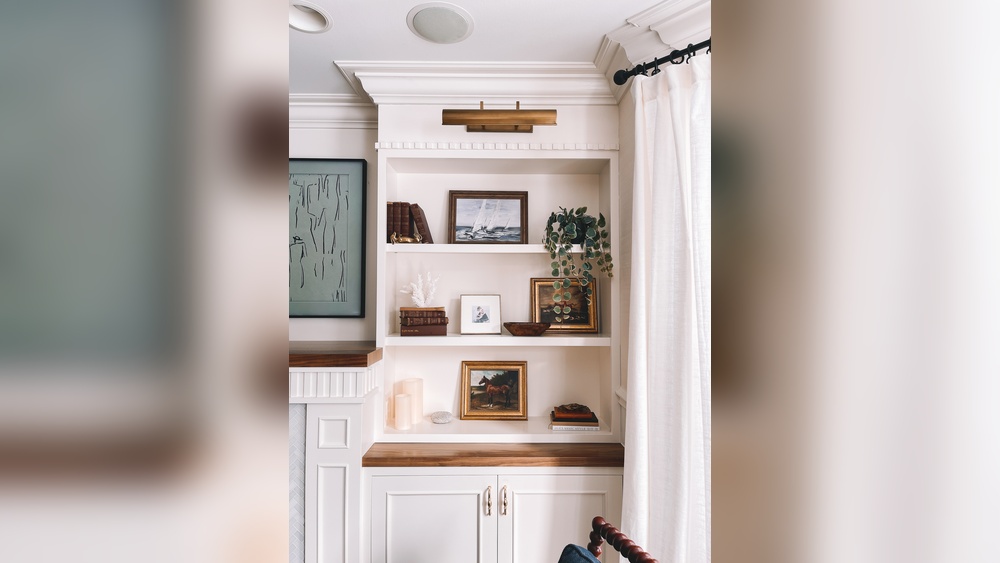
Your living room bookshelf is more than just a place to store books—it’s a chance to showcase your style and personality. But how do you turn a simple shelf into a stunning focal point that draws attention and sparks conversation?
You might feel unsure where to start or worried about making it look cluttered. Don’t worry—this guide will help you decorate your bookshelf with ease, balancing beauty and function. Keep reading, and you’ll discover simple tips that make your living room truly shine.
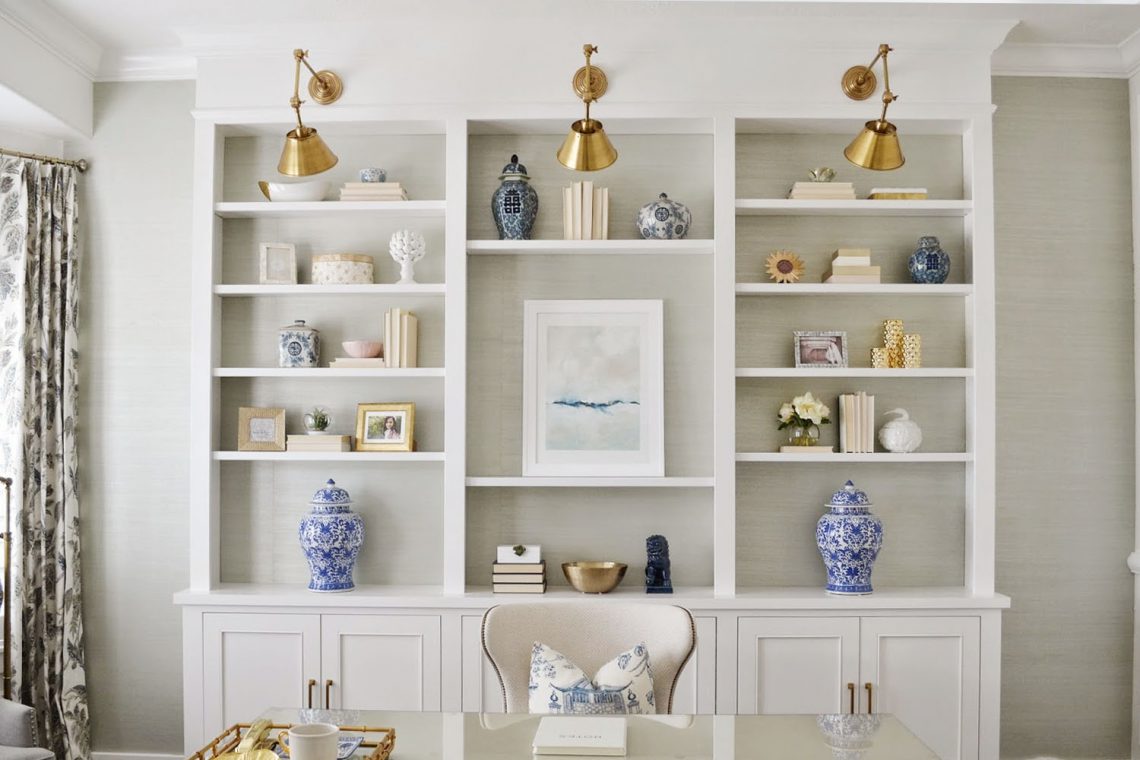
Credit: www.kathykuohome.com
Choosing The Right Bookshelf
Choosing the right bookshelf for your living room is key to creating a balanced and attractive space. The bookshelf should fit well with your room’s size and style. It must serve its purpose while adding charm to the room. Think about what you want to store and how you want the shelf to look. This will guide your choice of size, material, and placement.
Size And Scale Matters
The bookshelf size should match your living room’s space. A too-large shelf can overwhelm the room. A too-small shelf may look lost. Measure your wall and floor space first. Consider the height, width, and depth. Choose a shelf that fits comfortably without crowding. Balance is important for a neat and inviting look.
Material And Style Options
Bookshelves come in many materials like wood, metal, and glass. Wood offers warmth and classic charm. Metal looks modern and sleek. Glass shelves add lightness and openness. Match the material with your living room’s style. Think about color and finish too. Choose a style that blends with your furniture and decor.
Placement In The Living Room
Pick a spot where the bookshelf will be useful and visible. Near a reading chair or sofa works well. Avoid blocking windows or walkways. A bookshelf can also divide spaces or highlight a wall. Place it where it enhances the room’s flow. Good placement makes the shelf a focal point, not clutter.
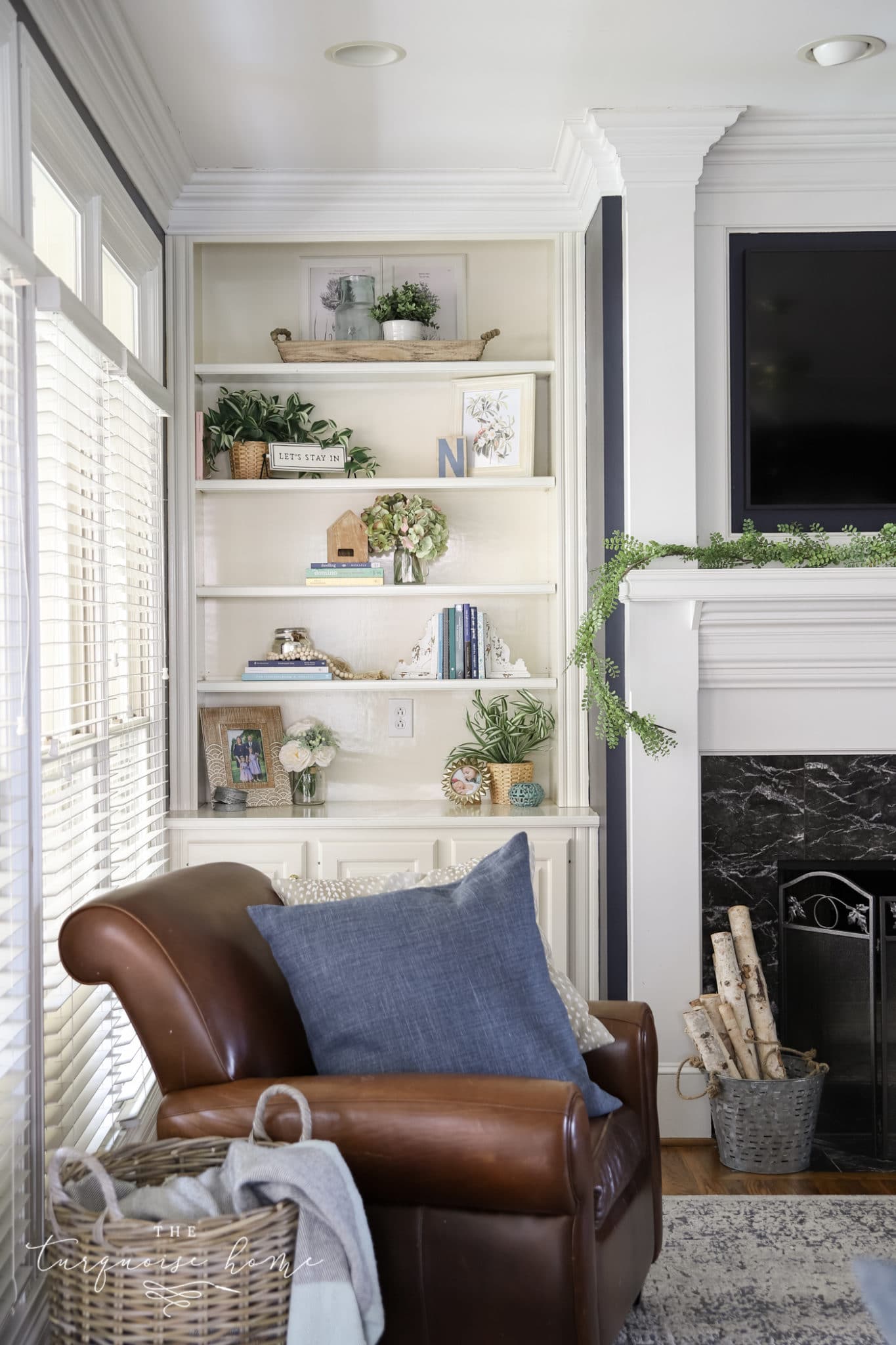
Credit: theturquoisehome.com
Selecting Books And Items To Display
Choosing the right books and items for your living room bookshelf can change the whole look. It is not just about placing books. It is about creating a space that is both beautiful and useful. The key is to find a balance between style and function. This section will guide you through selecting books and objects that make your shelf stand out.
Mixing Books By Color And Size
Arrange books by color to create a visual pattern. This method adds vibrancy and order to your shelf. Mix tall and short books to avoid a flat look. Grouping books of different sizes creates depth and interest. Use horizontal stacks with vertical rows for a fresh style.
Incorporating Decorative Objects
Decorative objects break the monotony of books. Choose items like vases, small plants, or art pieces. Place these objects in empty spaces to add charm. Keep the size of objects balanced with books to maintain harmony. Too many objects can clutter the shelf, so select a few carefully.
Balancing Function And Aesthetics
Bookshelves must serve a practical purpose and look good. Keep frequently used books within easy reach. Display favorite books or collections to show your personality. Mix functional items with decorative pieces for a balanced look. Ensure the arrangement feels open, not overcrowded.
Arranging Books Creatively
Bookshelves do more than hold books. They show your style and personality. Arranging books creatively makes the shelf look lively and inviting. It breaks the monotony of rows and adds charm to your living room.
Organize books in ways that catch the eye. Mix shapes, colors, and sizes. Use different stacking methods and accessories. This makes your bookshelf a focal point, not just storage.
Vertical And Horizontal Stacking
Stack some books vertically, others horizontally. Vertical stacks show spines and titles clearly. Horizontal stacks create layers and add height. Place horizontal stacks to break long rows of vertical books. Use these stacks as bases for small decor items. This adds dimension and interest to the shelf.
Using Bookends And Dividers
Bookends keep books upright and add style. Choose bookends that match your room’s theme or colors. Dividers separate groups of books or sections. They help organize books by genre or size. Both bookends and dividers prevent books from falling. They create neat, tidy, and visually pleasing arrangements.
Creating Visual Rhythm
Visual rhythm means repeating shapes, colors, or patterns. Arrange books and decor to guide the eye smoothly. Alternate tall and short stacks to avoid monotony. Use colors in a pattern or gradient for flow. Balance heavy and light objects across the shelf. This rhythm makes your bookshelf look balanced and alive.
Adding Personal Touches
Adding personal touches to your living room bookshelf makes it feel warm and unique. It reflects your style and memories. Personal items create a story that guests can enjoy. These touches make the space inviting and cozy.
Showcasing Art And Photos
Place small framed photos of family and friends on the shelves. Choose artwork that matches your room’s colors and style. Use different frame sizes to create visual interest. Art and photos add personality to the bookshelf. They remind you of happy moments every day.
Including Plants And Greenery
Green plants bring life and freshness to your bookshelf. Small potted plants or succulents work well in limited space. Choose easy-care plants if you don’t have much time. Plants soften the look of books and hard edges. They add a natural touch that feels calming.
Incorporating Travel Souvenirs
Display souvenirs from trips, like small statues or unique crafts. These items tell stories of your adventures and experiences. Mix them with books and other objects to keep the shelf balanced. Travel souvenirs make your bookshelf more interesting and personal. They spark conversations and memories.
Enhancing With Lighting
Lighting can change the look and feel of your bookshelf. It highlights your books and decorations. Good lighting creates a warm and cozy space. It draws attention to your favorite items. A well-lit bookshelf adds style to your living room.
Using Accent Lighting
Accent lighting shines light on specific areas. Use small lamps or wall-mounted lights near your bookshelf. This lighting makes your books and art stand out. Choose warm-colored bulbs for a soft glow. Position lights to avoid glare or shadows.
Led Strip And Spotlights
LED strips fit under shelves or along edges. They provide even light and save energy. Spotlights focus light on key pieces. Use adjustable spotlights to change angles. Both options create a modern and clean look.
Natural Light Considerations
Natural light can brighten your bookshelf during the day. Place your shelf near a window if possible. Avoid direct sunlight to prevent fading books and decor. Use sheer curtains to soften sunlight. Balance natural and artificial light for best results.
:max_bytes(150000):strip_icc()/2718102_PU_Gidiere2CG-EVL-LR-Full-1-2000-1b8ddf020a934b89b5be98c4dd5b957e.jpg)
Credit: www.southernliving.com
Maintaining And Refreshing The Look
Keeping a bookshelf fresh and inviting takes some care. A well-maintained shelf looks neat and adds charm to your living room. Small efforts help keep the display attractive and lively. Refreshing the look often prevents the shelf from feeling dull or cluttered.
Regular Cleaning Tips
Dust gathers quickly on books and decorations. Wipe shelves with a soft cloth weekly. Use a small brush to clean tight corners. Keep books upright to avoid warping. Clean glass or metal items gently to keep their shine. Avoid harsh chemicals that can damage surfaces.
Seasonal Decoration Updates
Change decorations based on the season or holidays. Swap out small items like vases, candles, or figurines. Use colors that match the season for a fresh feel. This simple update keeps the shelf interesting all year. Rotate themes between warm and cool tones for variety.
Rotating Books And Items
Move books and items around regularly. Put some books on display, then store others temporarily. This keeps the shelf from looking static. Changing items helps highlight different colors and shapes. It also refreshes your enjoyment of the collection.
Frequently Asked Questions
How Do I Choose The Right Bookshelf Style?
Select a bookshelf style that complements your living room decor. Consider size, material, and color to match your space and personal taste. Balance functionality and aesthetics for an inviting look.
What Items Should I Display On A Living Room Bookshelf?
Display a mix of books, decorative objects, plants, and photos. Use varied heights and textures to create visual interest. Avoid overcrowding to maintain a clean, organized appearance.
How Can I Arrange Books For A Stylish Look?
Arrange books by color, size, or theme for a cohesive look. Mix horizontal stacks with vertical rows to add dimension. Leave space for decorative accents to keep the shelf balanced.
How Do I Prevent A Bookshelf From Looking Cluttered?
Use negative space by leaving some shelves partially empty. Group items in small clusters rather than spreading them out. Choose a consistent color palette to unify the display.
Conclusion
Decorating a bookshelf adds charm to your living room. Use books, plants, and decor for balance. Play with colors and sizes to create interest. Keep some space empty for a neat look. Change items sometimes to keep it fresh. Your bookshelf can show your style and personality.
Enjoy arranging and making your space cozy. Simple steps make a big difference in your room.